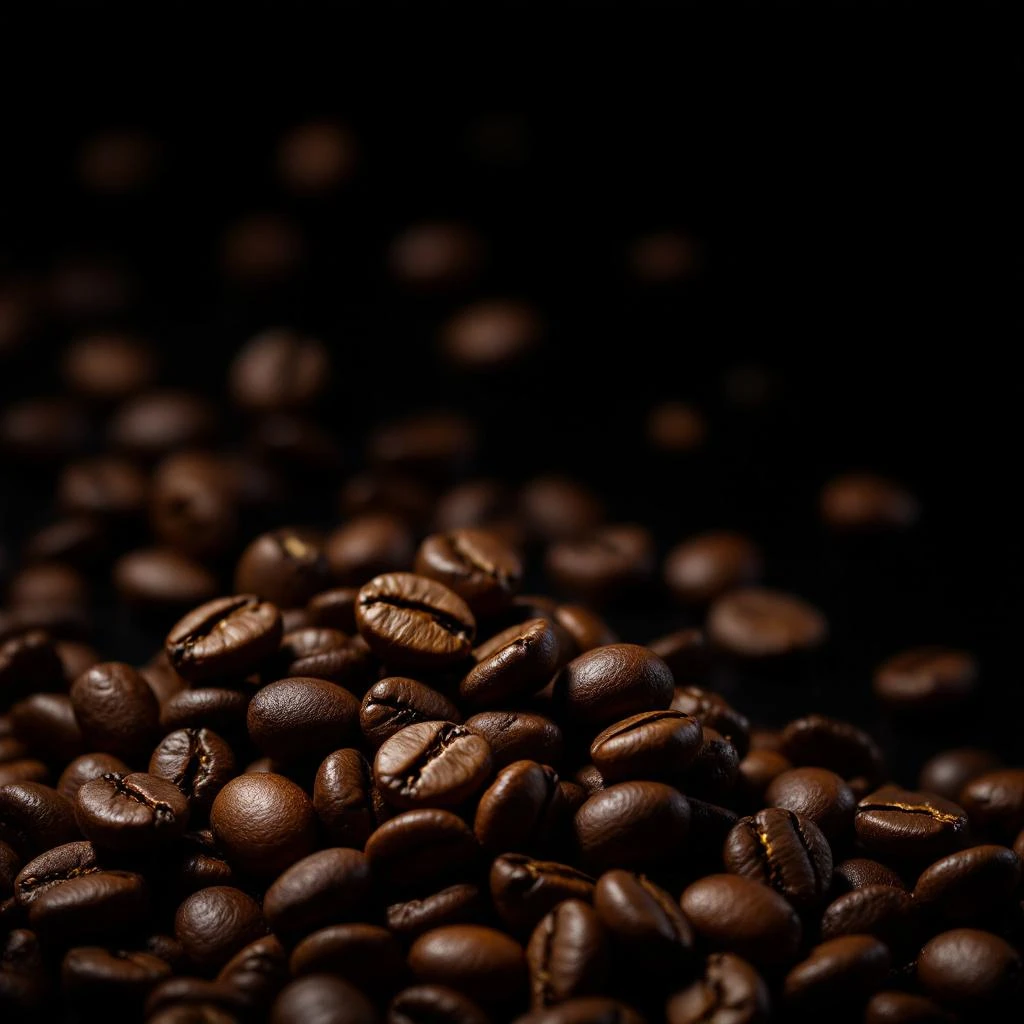
Cocoa Tree
From ancient sacred drink to modern perfume ingredient. Cocoa absolute captures chocolate's paradoxical nature: bitter yet velvety, spicy yet inviting. Discover how Theobroma cacao seeds transformed from Mesoamerican currency into one of perfumery's most coveted base notes.
Character
How it smells
Bitter, velvety, and deeply sensual.
Mesoamerican civilizations once used cacao beans as currency, valuing them as highly as gold itself.


Origin
Mexico
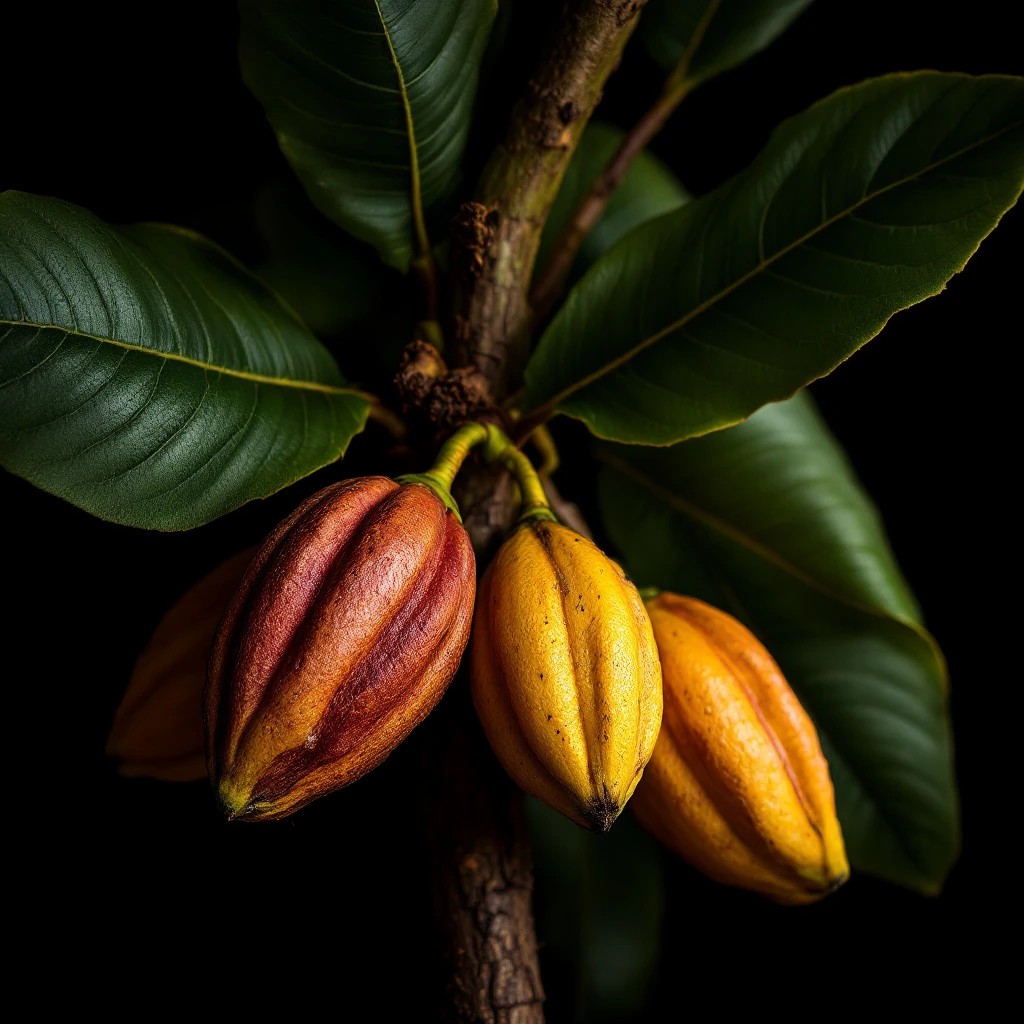
The cacao tree holds ancient roots in Mesoamerica, where the Maya cultivated Theobroma cacao as early as 1000 BCE. They grew these trees in the shaded understory of rainforest regions, harvesting pods and transforming the seeds into frothy ceremonial drinks flavored with vanilla and chili. The Maya considered chocolate sacred and used cacao beans as currency, valuing them as highly as gold. When the Aztec empire rose, they elevated cacao to divine status, linking it to their feathered serpent deity Quetzalcoatl.
Aztec nobility reserved chocolate drinks for warriors and rulers, sometimes sweetened with honey or scented with orchid extracts. Spanish conquistadors encountered this world in the 1500s and initially found the bitter beverages strange, but cacao gradually made its way to European courts where sweetened versions became fashionable among royalty. For centuries, chocolate remained primarily a culinary curiosity. French perfumers in the 1800s broke new ground by experimenting with solvent-extracted cocoa absolute, bringing the ingredient into the perfumer's palette for the first time.
This marked a turning point, introducing chocolate's dark, complex character to fragrance composition. Today, cocoa absolute remains a cornerstone of oriental and gourmand perfumery, valued for the warmth, depth, and almost edible quality it brings to modern creations.
Wears it best
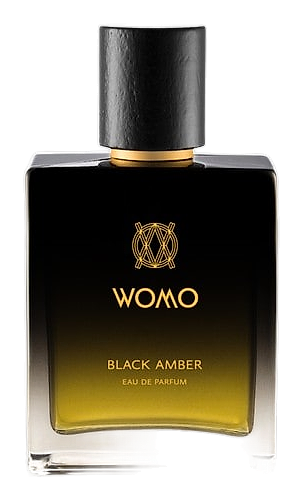
Fragrances featuring Cocoa Tree
Brands
Brands known for Cocoa Tree
Good to know
Questions, answered
The essentials on Cocoa Tree in perfumery: how it smells, where it comes from, and how it behaves on skin.
What does cocoa absolute smell like in perfume?
Cocoa absolute delivers rich, dark chocolate character with bitter, powdery, and slightly sweet facets. It brings depth and warmth that works particularly well in oriental and gourmand fragrance compositions.
Where does the cacao for perfumery come from?
Theobroma cacao originates from Mesoamerican rainforests, though most perfumery-grade material now comes from West African producers, particularly Ghana and the Ivory Coast.
How do perfumers use cocoa absolute?
Perfumers employ cocoa absolute as a base note to add warmth and depth. Typical dilution ranges from 0.5 to 5 percent depending on desired intensity and the fragrance family's focus.
What extracts can perfumers obtain from cacao beans?
Beyond cocoa absolute, processors create cocoa butter through cold pressing. The butter provides emollient qualities sometimes used in solid perfume formulations.
Does cocoa absolute smell like chocolate candy?
No, it smells nothing like sweet chocolate bars. The absolute captures bitter, dark, and powdery facets without any added sugar. It reads more like roasted cacao nibs.
How long does cocoa absolute last in perfume?
Cocoa absolute remains stable for four to six years when properly stored in sealed containers away from heat and light exposure.
What ingredients pair well with cocoa in fragrance?
Cocoa combines naturally with vanilla, tonka bean, benzoin, labdanum, sandalwood, patchouli, and warm spices like cinnamon and cardamom.
Is cocoa absolute vegan-friendly?
Yes, cocoa absolute comes solely from plant sources, making it suitable for vegan fragrance formulations without animal-derived components.