Cocoa Pod
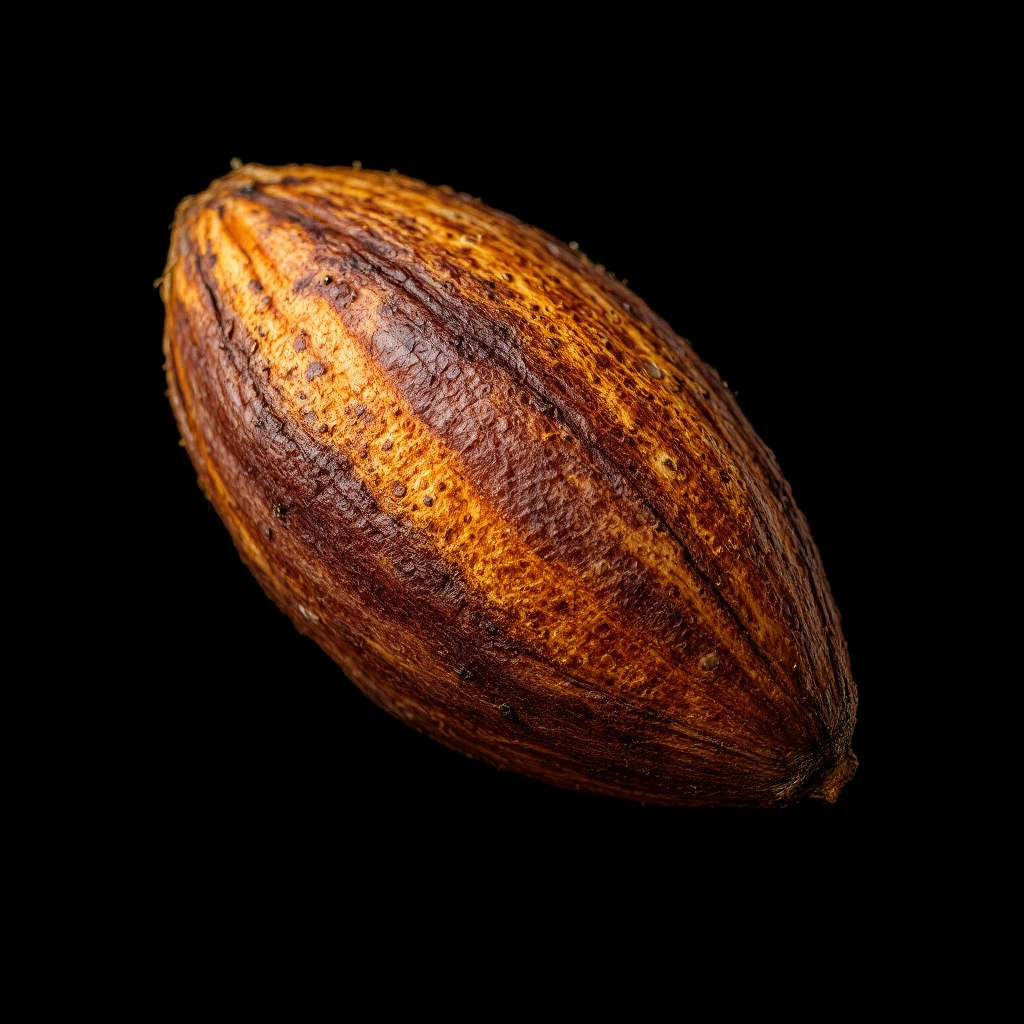
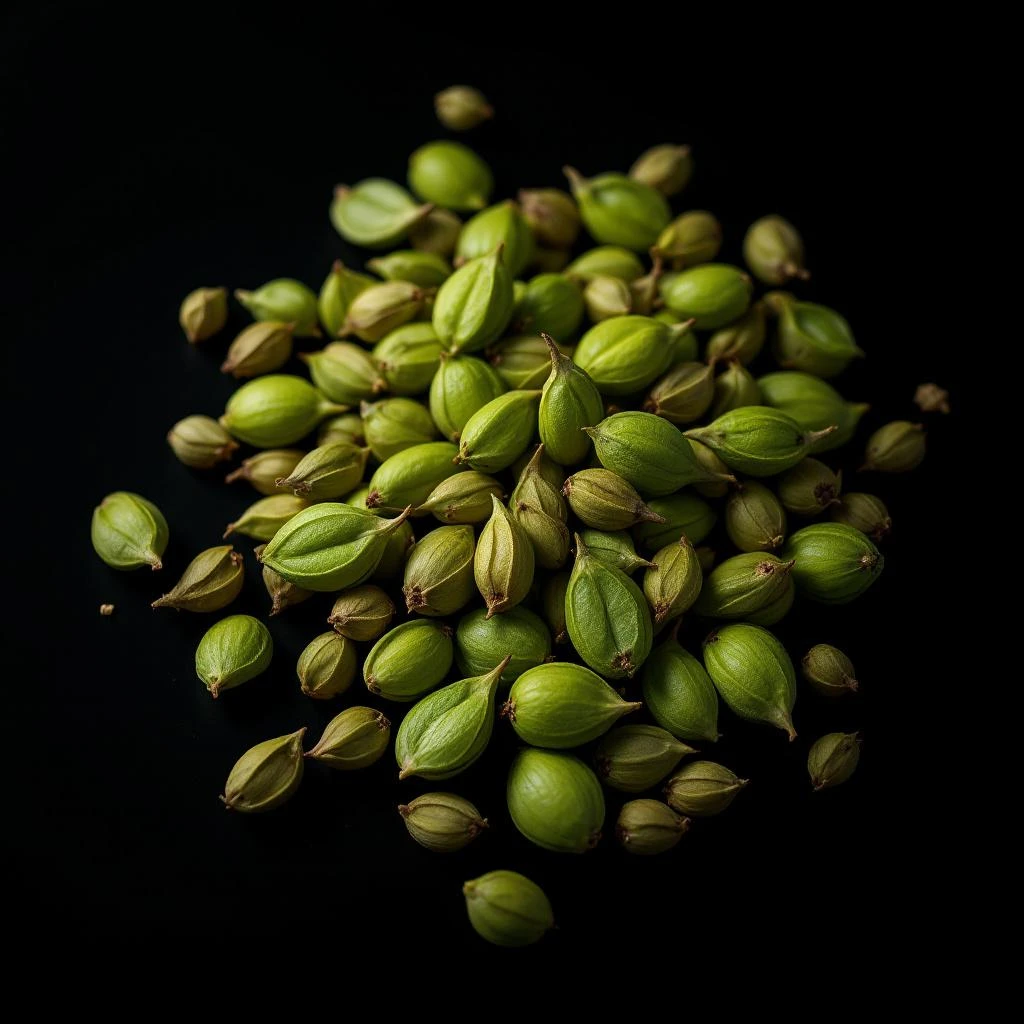
The raw heart of chocolate's source. Cocoa pod brings a green, tart, and deeply aromatic presence that captures the living fruit, not just the roasted familiarity we know in confection.
Character
How it smells
Green, tart, alive—the fruit behind the bean
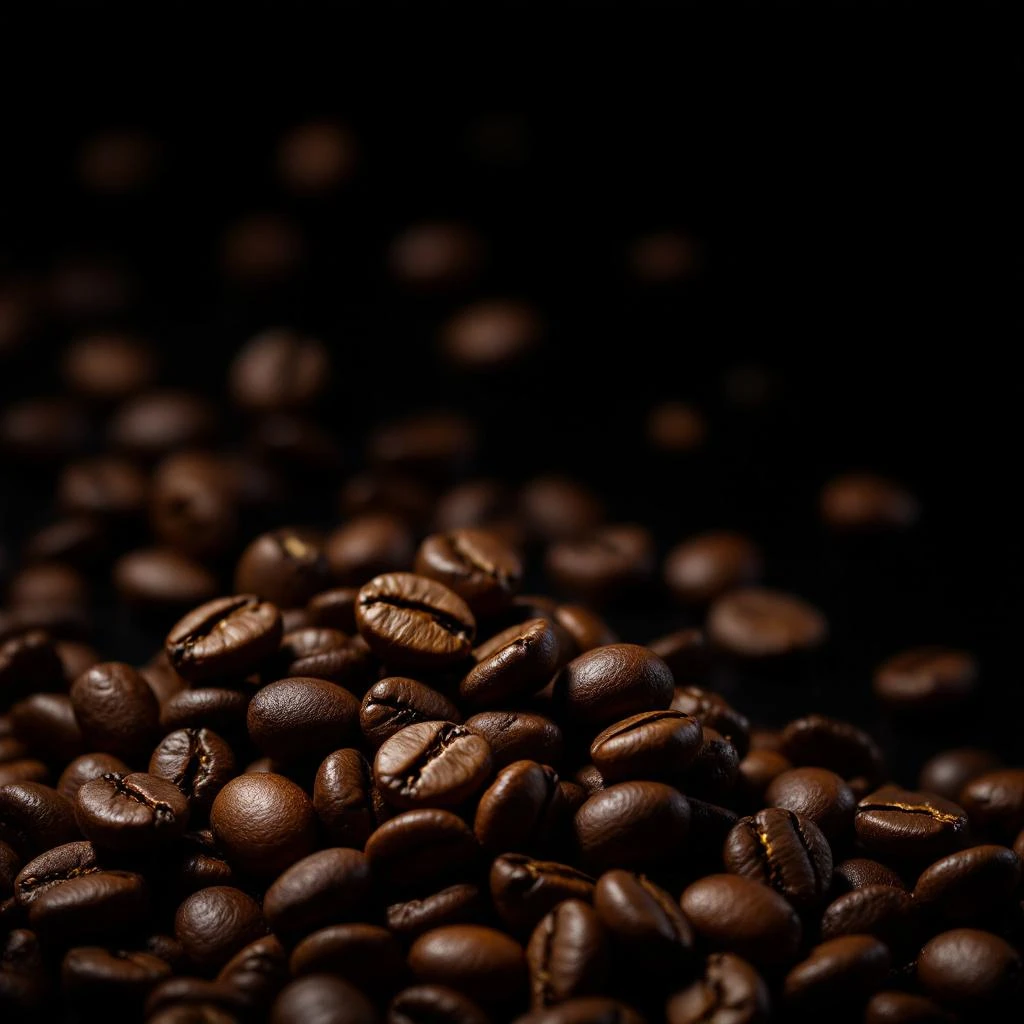
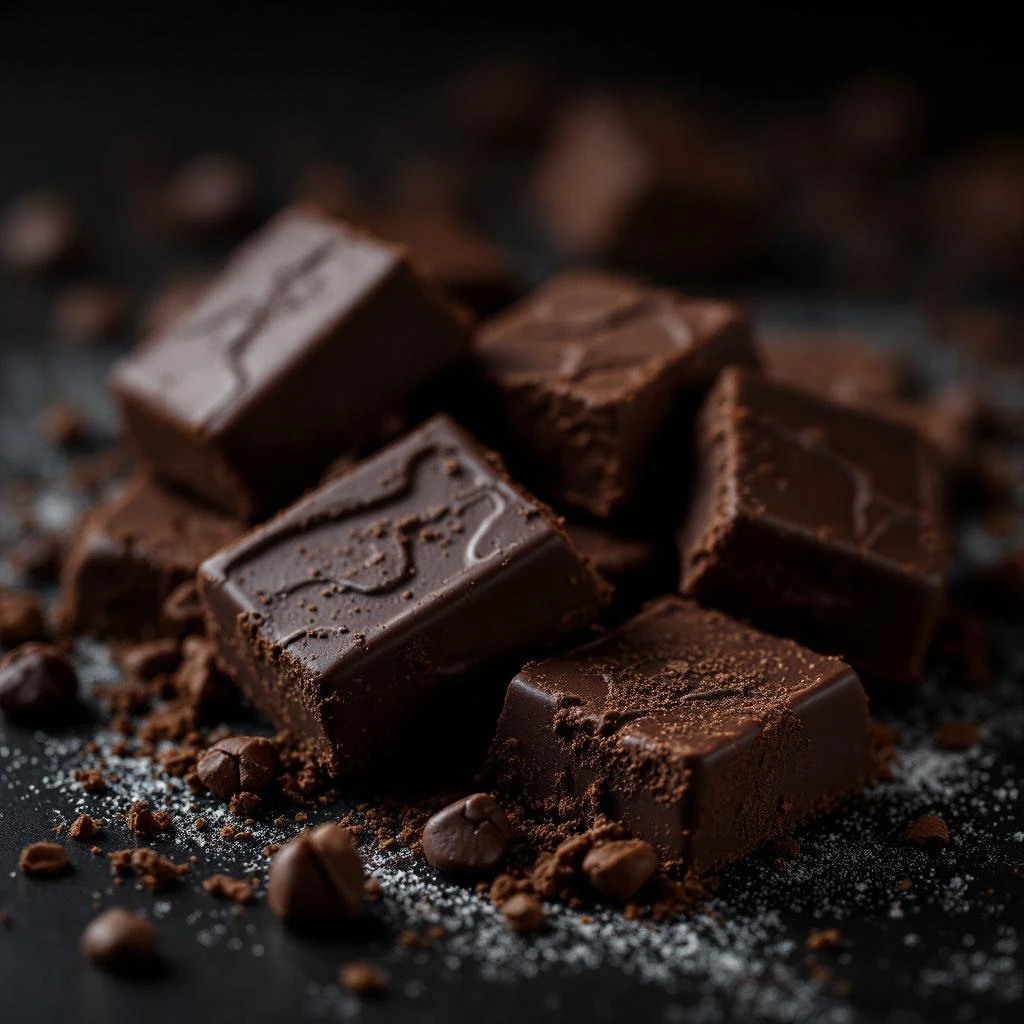
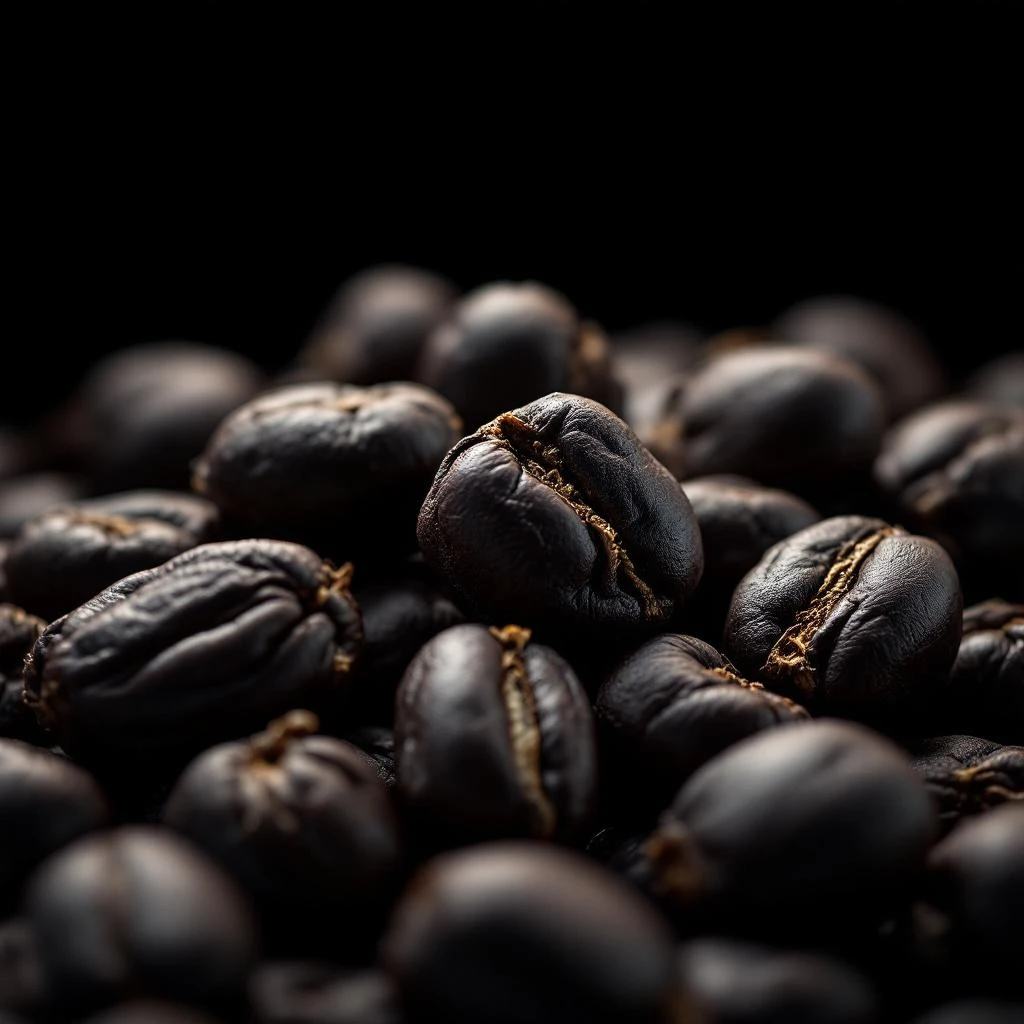
A single pod holds 25 to 50 beans, each fermented for 10 days before drying transforms them into the world's most beloved aromatic.


Origin
Ecuador
Theobroma cacao was first domesticated at least 5,300 years ago by the Mayo-Chinchipe culture in what is now Ecuador, making it one of the oldest cultivated crops in the Americas. This predates its later rise in Mesoamerican civilizations by millennia. The Mayo-Chinchipe people processed the entire fruit, using the pulp and beans together for ceremonial purposes.
Mesoamerican cultures later elevated cacao to sacred status. The Maya drank frothed chocolate in ceremonies. The Aztecs used cacao beans as currency and reserved chocolate beverages for nobility. What modern perfumers call "cocoa pod" represents a return to the whole plant perspective the original cultivators possessed.
Contemporary perfumers now distinguish between materials derived from the pod husk and those from the roasted bean. The pod offers green, tart, fresh-fruity qualities the original cultivators would have recognized immediately. The roasted bean delivers the chocolate warmth the plant became famous for across centuries and cultures.
Wears it best
Fragrances featuring Cocoa Pod
Brands
Brands known for Cocoa Pod
Good to know
Questions, answered
The essentials on Cocoa Pod in perfumery: how it smells, where it comes from, and how it behaves on skin.
How does cocoa pod differ from cocoa absolute in perfumery?
Cocoa pod and cocoa absolute are different materials. Cocoa absolute comes from roasted beans processed via solvent extraction, offering warm chocolate character. Cocoa pod material derives from the fresh or fermented husk and pulp of the fruit, delivering green, tart, and fresh-fruity qualities rarely found in conventional cocoa absolute.
What creates chocolate's scent during cocoa fermentation?
Fermentation drives chocolate's aroma development. Over 10 days, microorganisms in the pulp break down sugars and trigger chemical changes in the beans. This process reduces bitterness and builds the complex precursor compounds that roasting later transforms into chocolate's characteristic scent.
Why is CO2 extraction used for cocoa pod in perfumery?
CO2 extraction of fresh or fermented pod husks captures aromatic compounds under pressure without heat or chemical solvents. This method preserves delicate green and fruity notes that solvents might alter. The technique is viable but uncommon commercially, making pod-derived materials rare in perfumery.
What makes cocoa pod a rare perfumery ingredient?
Cocoa pod extraction remains uncommon because most perfumers rely on roasted bean absolute, which delivers reliable chocolate warmth. Extracting from the pod requires specialized CO2 equipment and offers a different, less familiar aromatic profile. The rarity adds appeal for perfumers seeking distinctive materials.
How long must cocoa beans ferment before use?
Cocoa beans ferment for approximately 10 days after harvest. During this period, the beans undergo essential chemical changes. Producers then dry the beans, typically in the sun, before roasting develops the final chocolate aroma compounds that perfumers extract.
Is cocoa absolute the same as chocolate note compounds?
Cocoa absolute and chocolate note compounds differ fundamentally. True cocoa absolute comes from roasted beans via solvent extraction, containing actual cocoa extractives. Chocolate compounds are lab-created aroma molecules designed to mimic chocolate's scent without using natural cocoa material.
Where does cocoa pod originate for perfumery?
Cocoa pods originate from Theobroma cacao trees cultivated in tropical regions globally. Ecuador is particularly significant for fine aromatic varieties like Nacional, prized for floral complexity. Ghana and the Ivory Coast also supply material for perfumery, each region contributing distinct aromatic characteristics.
How do modern perfumers use cocoa pod in compositions?
Contemporary perfumers blend pod extracts with roasted bean materials to build complexity. The pod adds green, tart freshness that rounds the chocolate warmth. This combination creates a more nuanced cocoa accord than beans alone, offering perfumers greater creative range when working with the ingredient.