Citrus Bizzarria
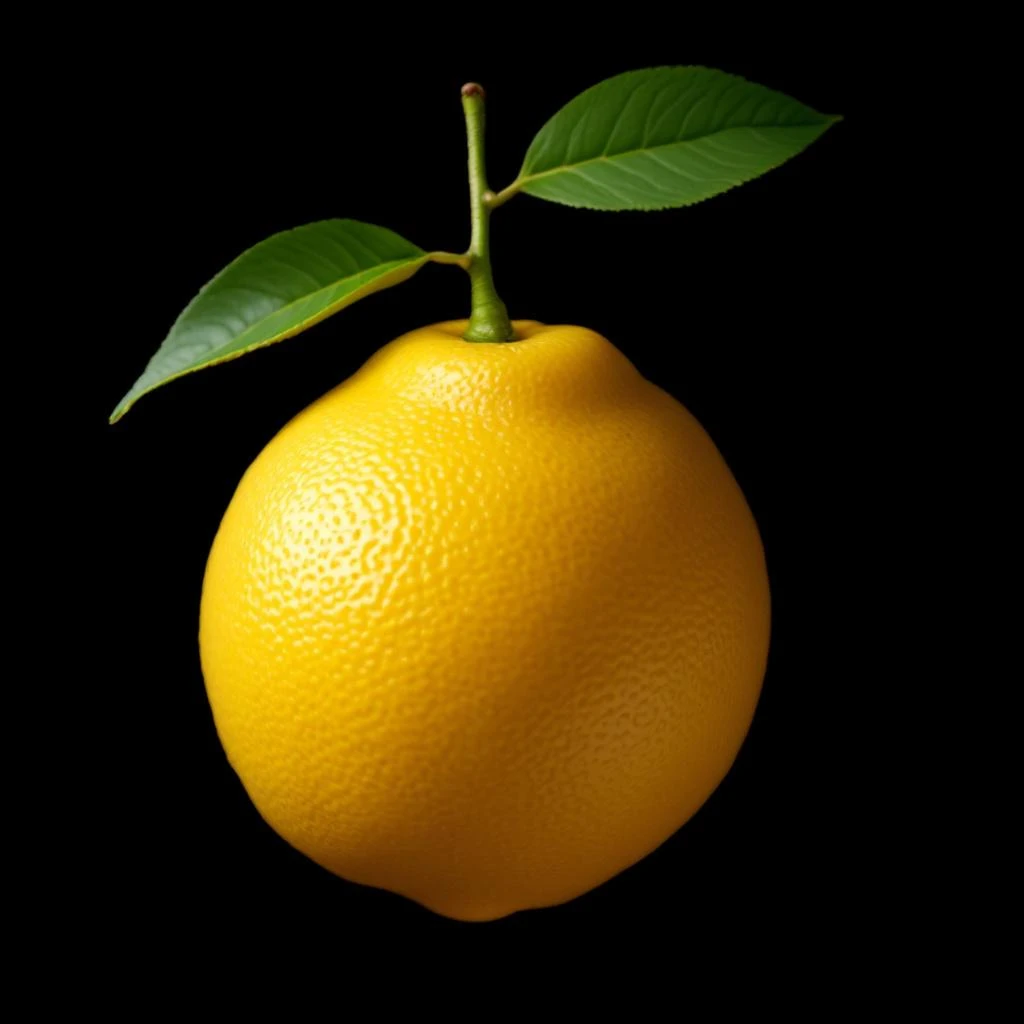
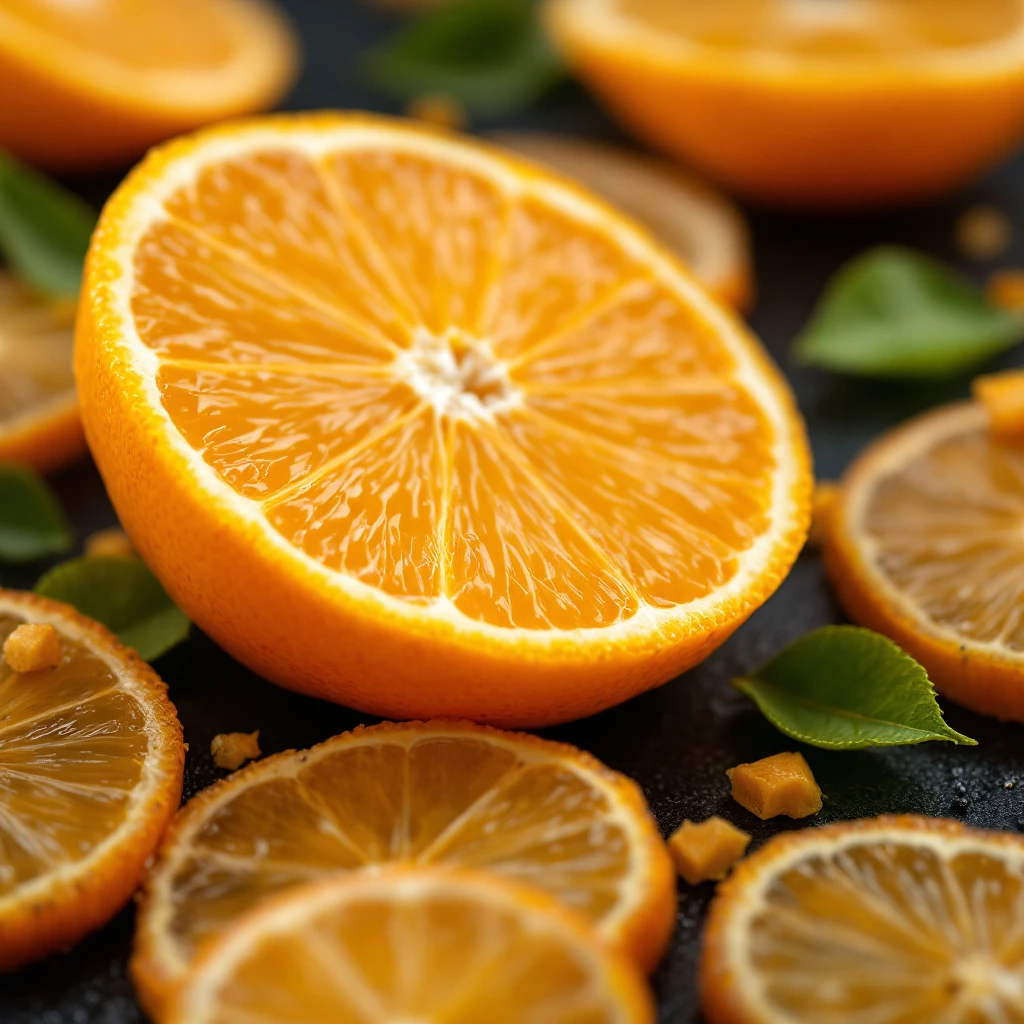
Citrus Bizzarria is the rare oil distilled from a natural citrus chimera, a 17th-century Florentine hybrid merging bitter orange, citron and lemon into one living paradox.
Character
How it smells
A 17th-century citrus secret, distilled from a botanical impossibility.
A single Bizzarria tree produces usable oil only after more than 50 years of growth, making its oil among the rarest in perfumery.


Origin
Italy
The Bizzarria tree emerged from Renaissance-era grafting experiments in 17th-century Florentine apothecaries. These cultivators sought to blend citrus species into a single living specimen, producing a natural chimera with bitter orange, citron and lemon merged at the genetic level.
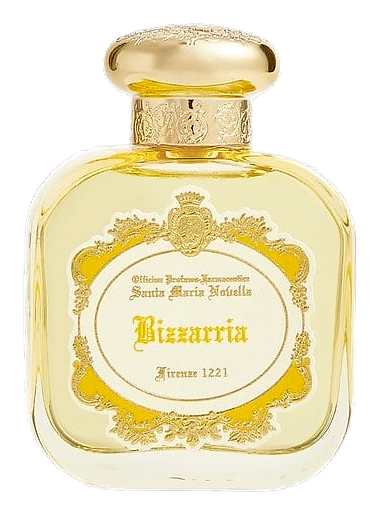
Santa Maria Novella pharmacy first distilled this botanical curiosity into a fragrance in 1644, keeping the formula within Italian luxury circles for centuries before it was lost. In 1980, the pharmacy rediscovered the original recipe and relaunched the Bizzarria fragrance, reviving one of perfumery's oldest botanical materials.
Wears it best
Fragrances featuring Citrus Bizzarria
Brands
Brands known for Citrus Bizzarria
Good to know
Questions, answered
The essentials on Citrus Bizzarria in perfumery: how it smells, where it comes from, and how it behaves on skin.
What exactly is citrus Bizzarria?
Citrus Bizzarria is an essential oil distilled from the peel of the rare Bizzarria citrus tree. This tree is a natural periclinal chimera, meaning it genetically combines characteristics of bitter orange, citron, and lemon within a single organism.
Why is Bizzarria oil so expensive?
A Bizzarria tree requires more than 50 years before producing usable oil. The scarcity of mature specimens, combined with slow fruit production per tree, makes the oil exceptionally limited and costly to source.
What does Bizzarria smell like?
Bizzarria oil delivers layered citrus complexity rarely found in standard citrus materials. Expect bright, sharp top notes from the citron and bitter orange parentage, balanced by sweeter undertones and a lasting freshness that holds well in fragrance compositions.
How does Bizzarria pair with other ingredients?
The oil pairs naturally with cedarwood and musk, which anchor its bright citrus character and add depth. Modern interpretations blend grapefruit, orange and tangerine to recreate its complex profile at larger scale.
Can I find Bizzarria in contemporary fragrances?
Yes. Santa Maria Novella still produces their original 1644 Bizzarria fragrance, reformulated in 1980 after the recipe was rediscovered. It remains one of the few commercial fragrances centered on this rare botanical.
Where does the Bizzarria tree originate?
The tree originated in Renaissance-era Italy, specifically from grafting experiments in 17th-century Florentine apothecaries. Florence, at 43.77 degrees north, became the center of its cultivation and perfume production.
What gives Bizzarria its distinctive scent compared to regular citrus?
The chimera genetics create a multi-layered citrus profile that standard single-species citrus cannot replicate. The oil combines sharp bitter orange top notes, deeper citron warmth and subtle lemon brightness within one material.
Is the oil cold-pressed or distilled?
The oil is cold-pressed from the fruit peel. Cold-press extraction preserves the delicate volatile compounds responsible for the bright, complex citrus character that steam distillation would diminish.