Cinnamon Sugar
Warm bark spice meets crystalline sweetness. Cinnamon sugar captures that moment when ground spice mingles with fine sugar crystals—familiar, edible, and unmistakably cozy. In perfumery, this note bridges the gourmand and oriental families, adding depth and a hint of the kitchen.
Character
How it smells
Spice cabinet warmth, sweetened.
Ceylon cinnamon from Sri Lanka contains up to 90% cinnamaldehyde, the compound responsible for both its warmth and the slight tingling sensation on the skin.


Origin
Sri Lanka
Cinnamon is one of the oldest traded spices on Earth, with documented use in China dating to around 3000 BCE. Ancient Egyptian texts mention it as an embalming agent. Sri Lanka—historically Ceylon—supplied the most prized variety to Roman markets, where it commanded prices rivaling silver.
Medieval European merchants drove extraordinary routes across the Indian Ocean to obtain it. By the 16th century, Portuguese colonizers controlled the Ceylon cinnamon trade, and it became a central driver of colonial competition between European powers for two centuries.
Wears it best
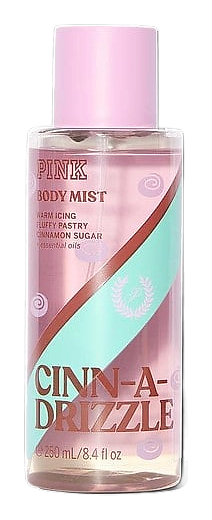
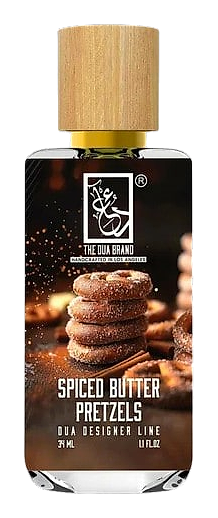
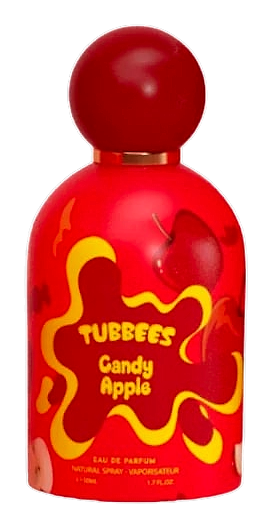
Fragrances featuring Cinnamon Sugar
Brands
Brands known for Cinnamon Sugar
Good to know
Questions, answered
The essentials on Cinnamon Sugar in perfumery: how it smells, where it comes from, and how it behaves on skin.
How is cinnamon absolute extracted for perfumery?
Producers use solvent extraction on dried cinnamon bark, yielding a concrete that is washed with alcohol to produce the absolute. This captures the full aromatic profile of the spice.
What does Ceylon cinnamon contribute to fragrance?
Ceylon cinnamon (Cinnamomum verum) from Sri Lanka delivers a cleaner, more delicate warmth compared to cassia varieties. Its cinnamaldehyde content shapes the signature spiced warmth found in oriental fragrances.
Is cinnamon sugar in perfume made from real cinnamon?
The cinnamon component is real—extracted from bark through steam distillation or solvent extraction. The sugar element is recreated synthetically using compounds like vanillin and coumarin to evoke that sweet, edible quality.
What gives cinnamon its warming scent?
Cinnamaldehyde is the primary aromatic compound in cinnamon bark, comprising up to 90% of Ceylon cinnamon oil. It creates both the distinctive scent and a subtle warming sensation on skin.
Where does the best cinnamon for perfumery come from?
Sri Lanka produces the finest true cinnamon (Cinnamomum verum) for fragrance use. The island's tropical climate, altitude variations, and soil composition produce bark with exceptional aromatic complexity.
What fragrance families use cinnamon sugar?
Cinnamon sugar appears across oriental, spicy, and gourmand families. It adds warmth to menswear bases and sweet spice to womenswear florals, functioning as a bridge note between heart and drydown.
How long has cinnamon been used in perfumery?
Cinnamon has appeared in fragrance for centuries. Ancient Mesopotamian perfumers used early distillation and infusion techniques, and the spice featured prominently in incense and unguent formulations across Asia and the Mediterranean.
Can cinnamon cause skin reactions in perfume?
Cinnamon oil contains compounds that can cause sensitization at high concentrations. IFRA regulations limit its usage in consumer products, and perfumers use it at controlled levels to ensure safety.




