Chinese Camellia Leaf
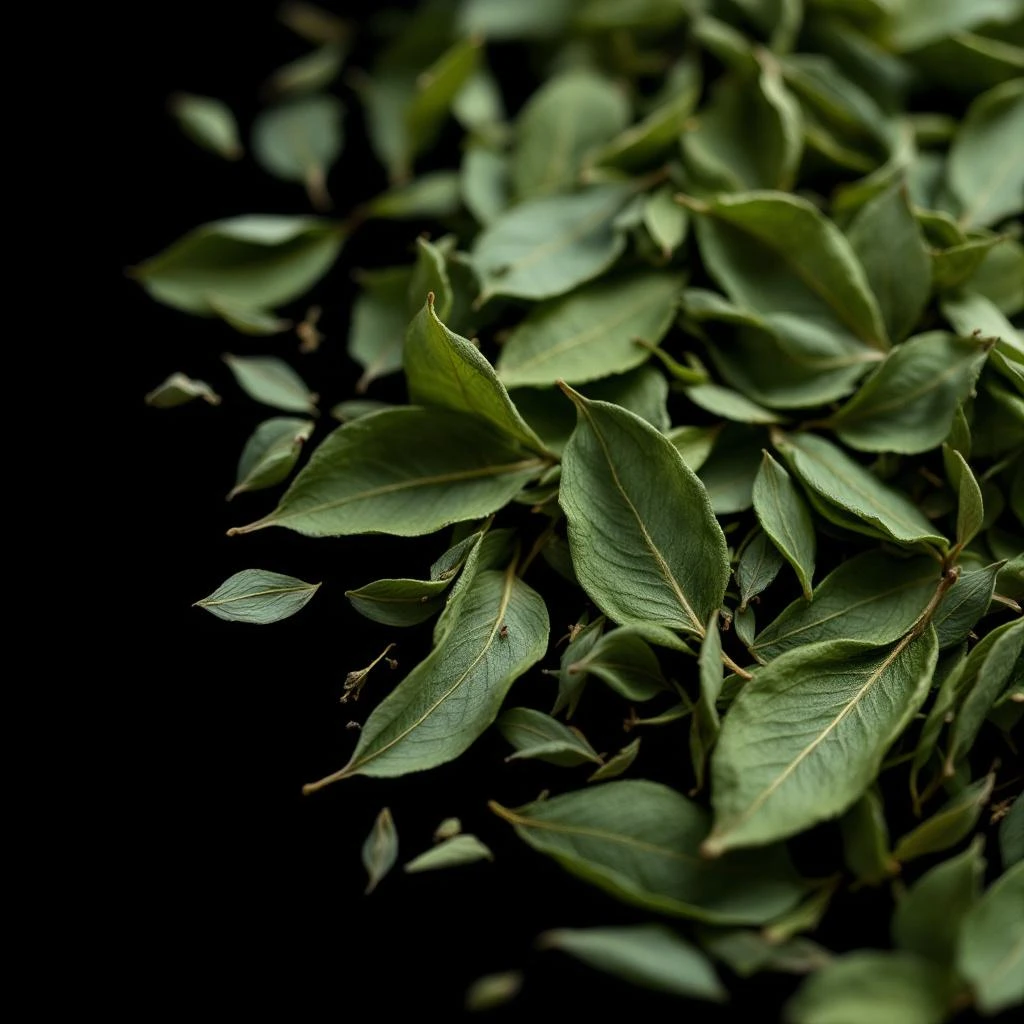
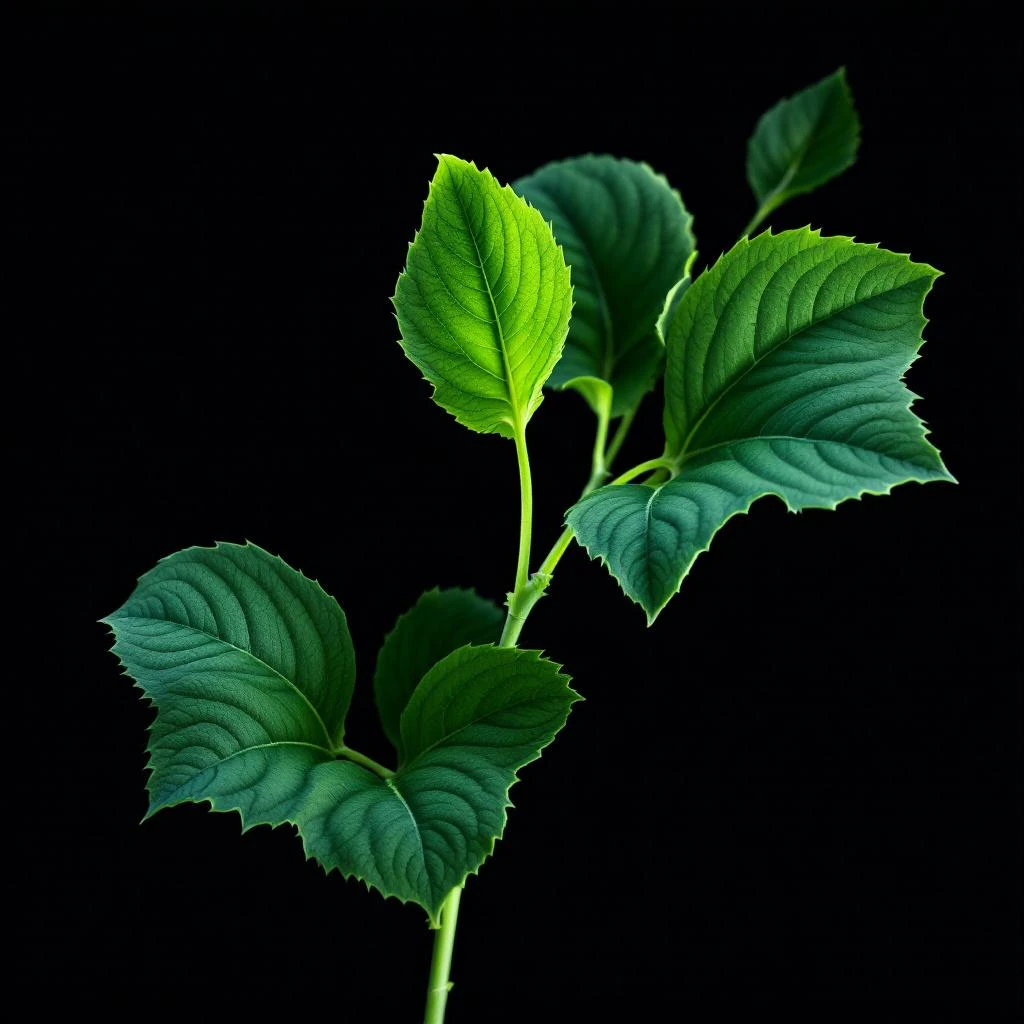
Fresh, green, and quietly floral. Chinese Camellia Leaf carries the delicate scent of the plant behind the world's most beloved beverage, with a centuries-long history in East Asian cosmetics and perfumery.
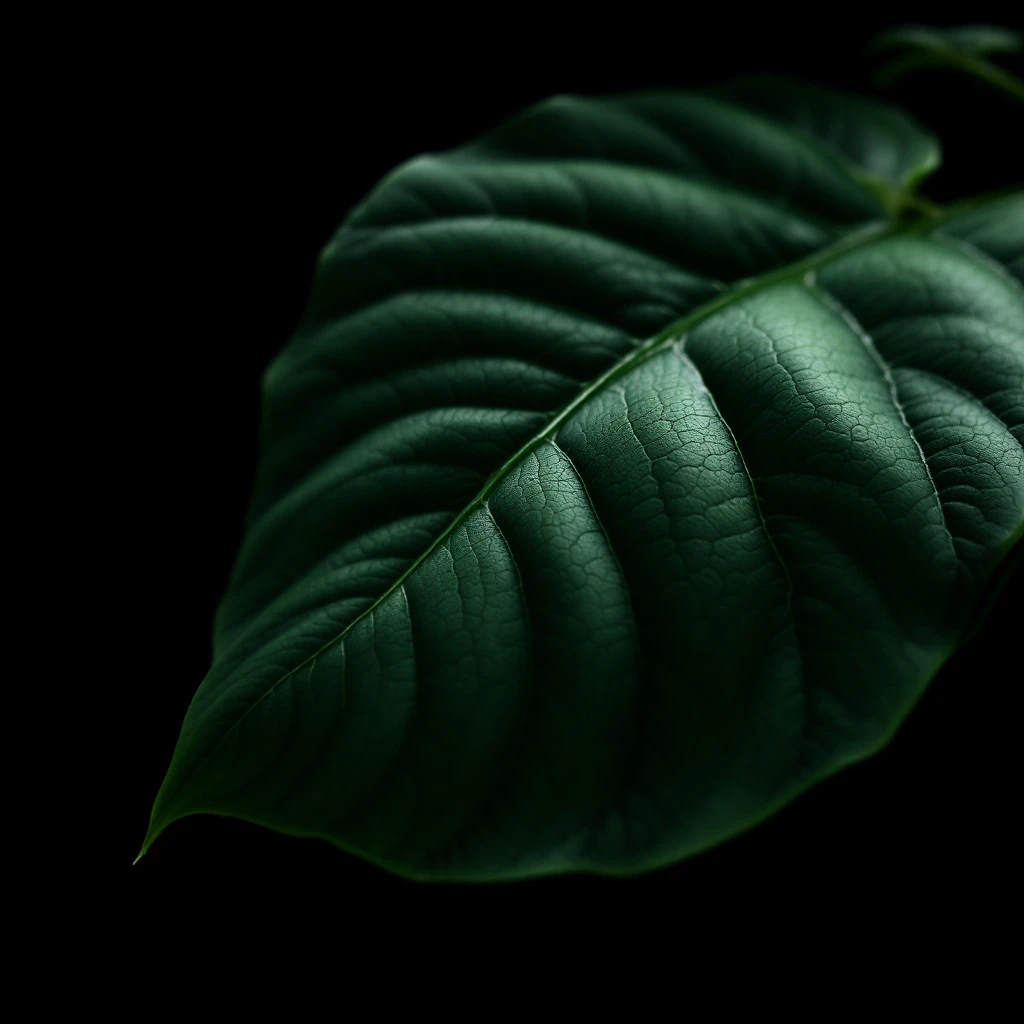
Character
How it smells
The fleeting floral of East Asia's most storied leaf.
Camellia sinensis leaf water is classified solely as a fragrance ingredient, distinct from the leaf oil and leaf essential oil used in other applications.



Origin
China
Camellia sinensis originated in the mountainous borderlands of China's Yunnan province, where it grew as an evergreen tree long before cultivation began. Ancient Chinese texts from the Han dynasty record both the consumption and topical use of camellia leaves, particularly in beauty preparations. The plant's cultural significance grew alongside tea culture itself, with camellia imagery appearing in poetry, ceramics, and court cosmetics.
Japanese artisans later embraced the related Japanese camellia (Camellia japonica) in their perfumery traditions, creating a trans-Pacific cultural link. Today, Yunnan remains the primary source for perfumery-grade leaf extracts, drawing on both ancient cultivation knowledge and modern extraction techniques to capture this storied ingredient.
Wears it best
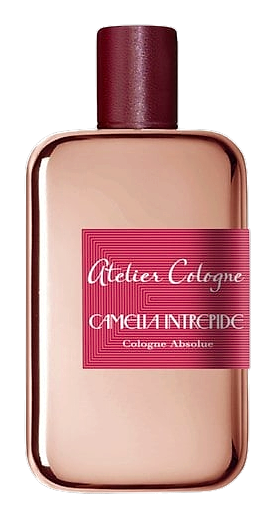
Fragrances featuring Chinese Camellia Leaf
Brands
Brands known for Chinese Camellia Leaf
Good to know
Questions, answered
The essentials on Chinese Camellia Leaf in perfumery: how it smells, where it comes from, and how it behaves on skin.
What does Chinese Camellia Leaf smell like?
It has a fresh, green character with subtle floral and tea-like qualities. The scent is lighter and more delicate than many green notes, with aldehydes and leaf aldehydes contributing a crisp, slightly waxy undertone that recalls the living plant.
Is Chinese Camellia Leaf natural or synthetic?
The extract is derived from Camellia sinensis leaves, making it a natural ingredient. However, perfumers often use it as a concentrate that may be blended with synthetic aroma chemicals to enhance consistency and sillage in fragrance formulations.
What fragrances pair well with Chinese Camellia Leaf?
It combines naturally with jasmine, peony, and rose for a floral heart, with citrus and green tea accords for brightness, and with sandalwood or cedarwood for a grounded base. The leaf note adds freshness without dominating a composition.
What part of the plant is used in perfumery?
Perfumers extract fragrance from the fresh leaf tissue of Camellia sinensis. Solvent extraction captures the volatile compounds, and processing method determines whether the result leans greener and herbaceous or deeper and more fermented.
How long has camellia been used in perfumery?
While tea consumption dates back millennia, camellia's use in fine perfumery emerged primarily through 20th-century Japanese cultural traditions. The Japanese camellia became a signature note in luxury fragrances, particularly in Chanel's 1925 line, establishing its place in modern perfumery.
What is the cultural significance of the camellia in China?
In Chinese culture, the camellia symbolizes elegance, longevity, and steadfast beauty. Its appearance in art and cosmetics across dynasties reflects its deep-rooted association with refinement, making it a meaningful botanical in perfumery from this tradition.
How is Chinese Camellia Leaf different from green tea accord?
Chinese Camellia Leaf refers to a specific extract from Camellia sinensis leaves, while green tea accord is a blended fragrance reconstruction. The leaf extract offers a more nuanced, natural profile; accord allows precise control over the tea-like character in a formula.
Does Chinese Camellia Leaf perform well in all fragrance positions?
It works best in heart and base positions where its green, fresh quality can unfold over time. As a top note, the volatile compounds dissipate quickly, so perfumers typically pair the leaf extract with fixatives to extend its presence in the dry-down.