Chestnut Honey
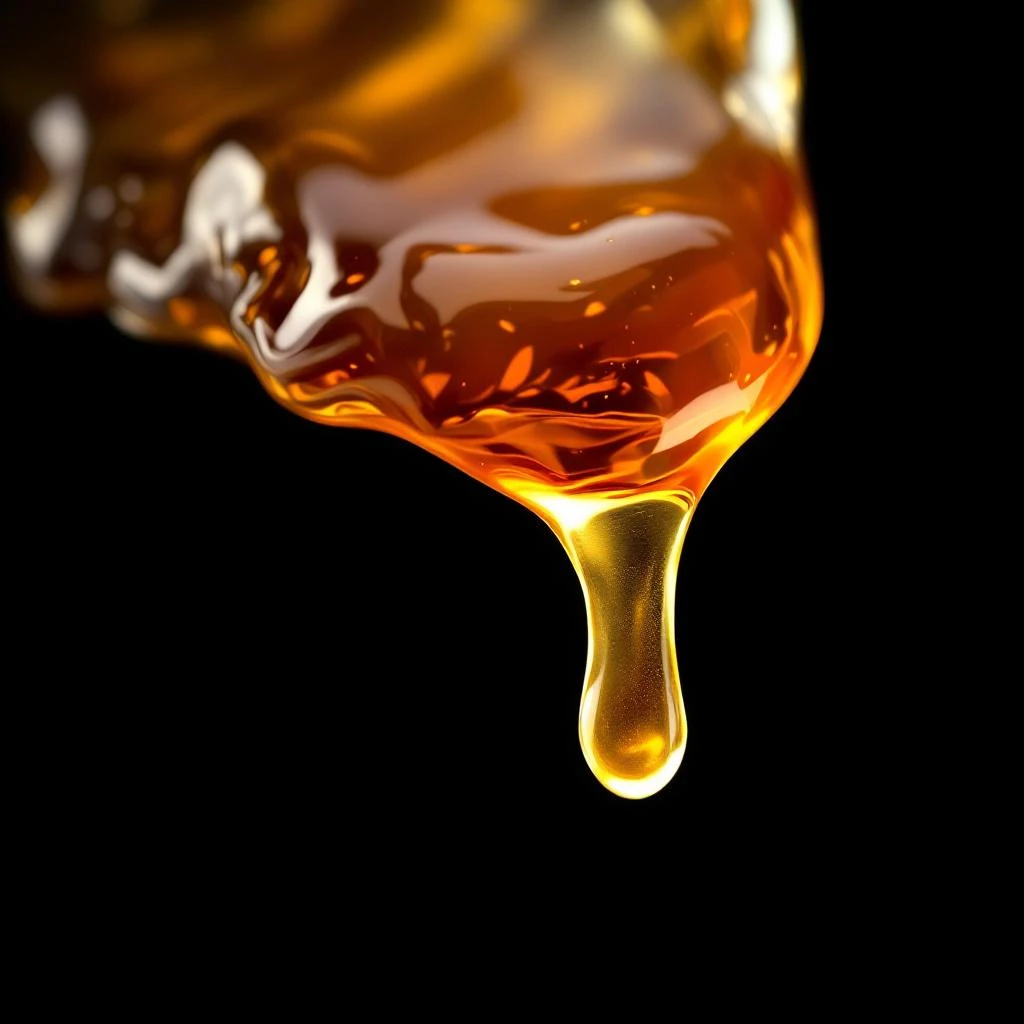
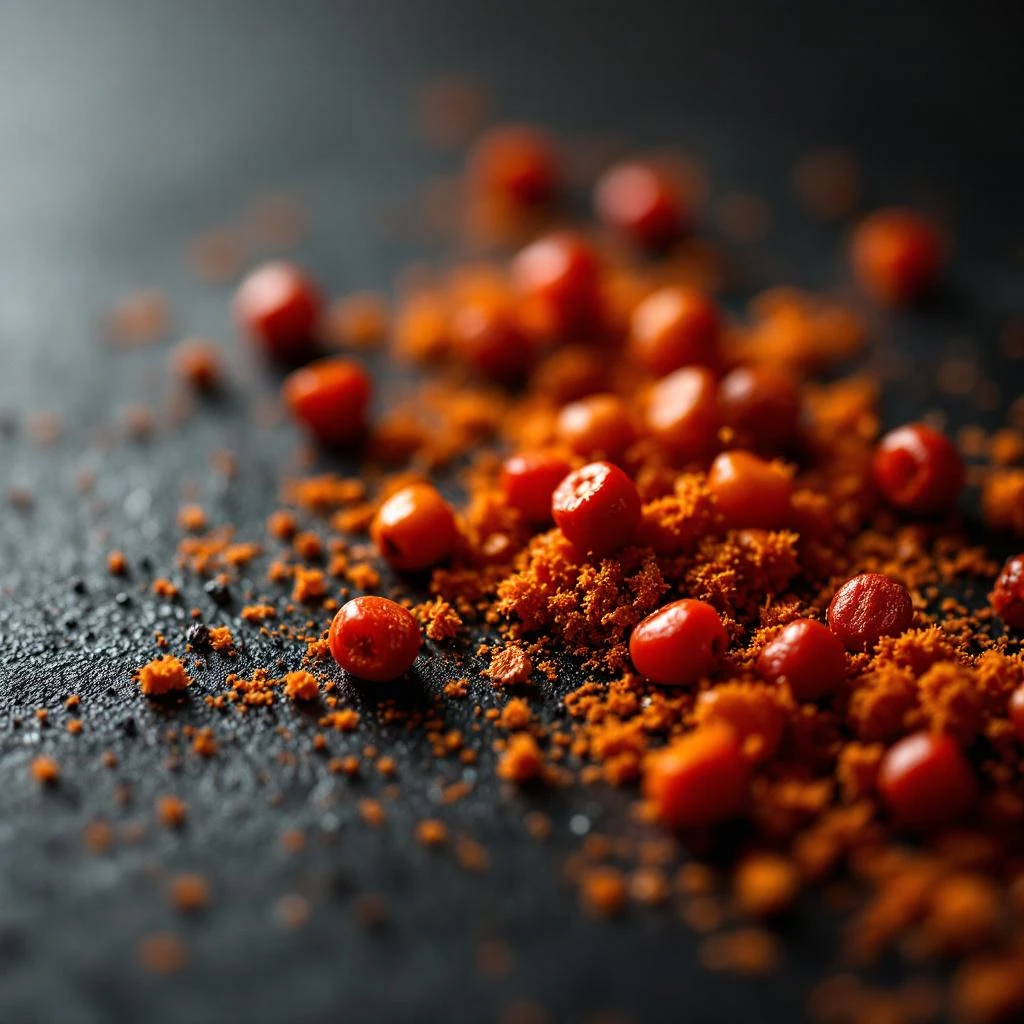
Chestnut honey is a rare monofloral honey with deep amber hues, offering a distinctive bitter-sweet profile that bridges smoke, leather, and subtle floral warmth.
Character
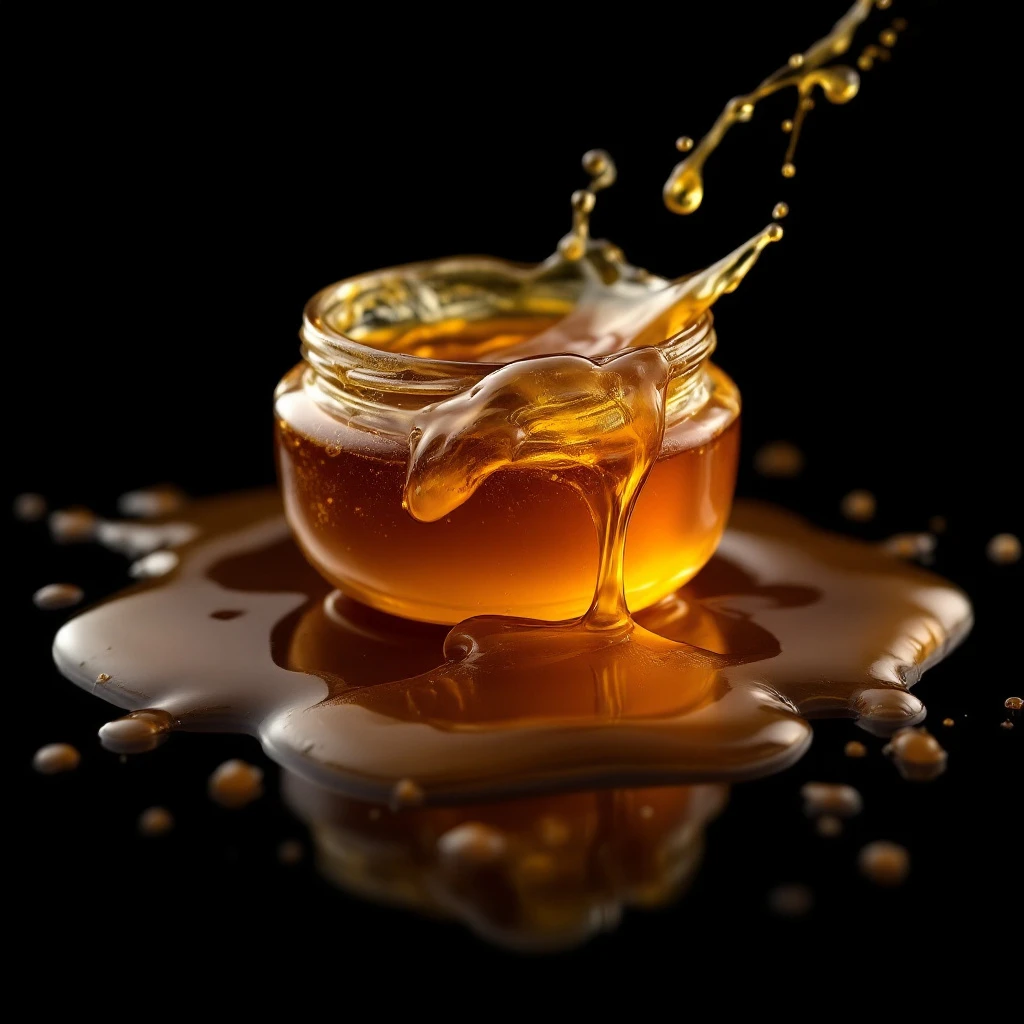
How it smells
Bitter-sweet depth with smoky warmth
Italian chestnut honey commands premium prices because bees produce only 3-5kg per hive annually, compared to 20-30kg for multifloral varieties.







Origin
Italy
Chestnut honey's perfumery history intertwines with two ancient traditions. Honey itself ranks among perfumery's oldest materials, with Arab perfumers pioneering techniques to capture its sweetness centuries ago.
The Mediterranean sweet chestnut (Castanea sativa) has grown throughout southern Europe since antiquity, valued for timber and food. Monofloral chestnut honey emerged as a recognized specialty in Italy, France, and Spain during the 19th century, coinciding with Europe's perfume industry expansion in Paris.
Chestnut regions like Corsica and northern Italy became known for producing distinctive, highly prized honeys with exceptional longevity and complexity. Today, both the natural honey and synthetic recreations of its aromatic profile allow perfumers worldwide to incorporate this autumnal ingredient.
Wears it best
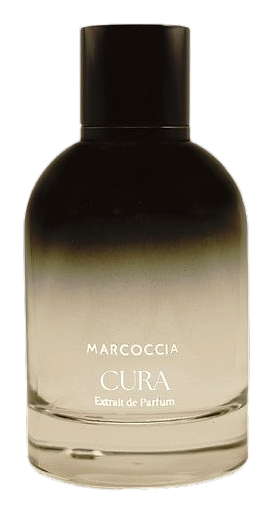
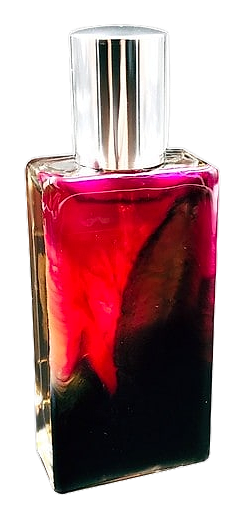
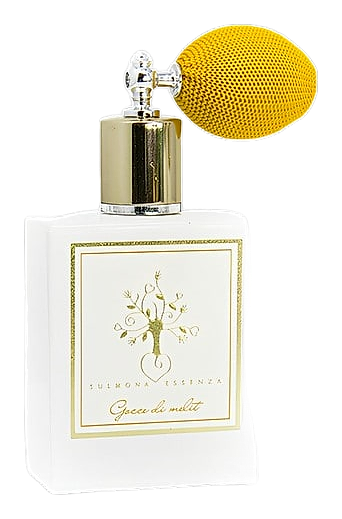
Fragrances featuring Chestnut Honey
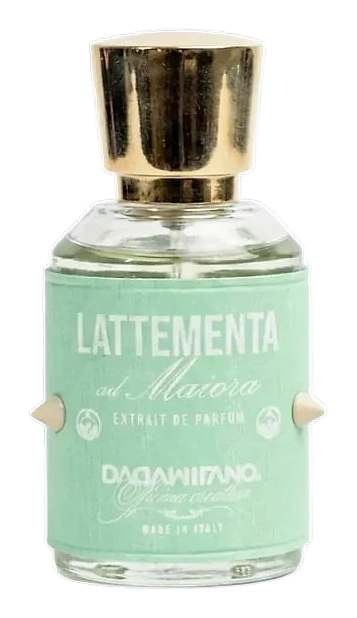
Brands
Brands known for Chestnut Honey
Good to know
Questions, answered
The essentials on Chestnut Honey in perfumery: how it smells, where it comes from, and how it behaves on skin.
What does chestnut honey smell like?
Chestnut honey has a dark, bitter-sweet aroma quite different from regular honey. It features smoky, leathery undertones with spiced warmth and a distinctly mysterious character that evokes Italian autumns.
Is chestnut honey natural or synthetic in perfumery?
Both versions exist. Natural chestnut absolute comes from solvent or supercritical CO₂ extraction, while nature-identical synthetic compounds replicate the aromatic profile for broader use in perfumery.
Where does chestnut honey originate?
The Mediterranean sweet chestnut (Castanea sativa) and its monofloral honey originate primarily from Italy, Turkey, France, and Spain, with Italian varieties particularly prized.
How is chestnut honey used in fragrance?
Fragrance designers value it for its warm, mysterious character in oriental and autumnal compositions. It typically functions as a heart or base note, adding depth and complexity.
What makes chestnut honey unique among honey notes?
Unlike conventional honey's sweet floral quality, chestnut honey brings a distinctive bitter-sweet profile with smoky, leather-like undertones that create a more complex, mysterious impression.
What fragrances pair well with chestnut honey?
Chestnut honey works well in woody, oriental, and spicy fragrance families. It enhances autumn and winter scents, complementing notes like sandalwood, benzoin, and warm spices.
What is monofloral chestnut honey?
Monofloral chestnut honey comes from honeybees collecting nectar almost exclusively from chestnut blossoms during their brief flowering period, creating a distinctive single-origin product.
How does chestnut honey differ from regular honey in perfumery?
Regular honey offers sweet, floral notes, while chestnut honey delivers smoky, spiced, and leathery dimensions. This complexity makes it a sophisticated choice for adding depth to fragrance compositions.