Champagne Truffle
Champagne Truffle marries the effervescent lift of aldehydes with the deep, earthy richness of truffle accord. A luxurious composite note that evokes celebration and subterranean opulence in equal measure, it lingers in the air like the final toast of a grand evening.
Character
How it smells
Effervescence meets earthy opulence.
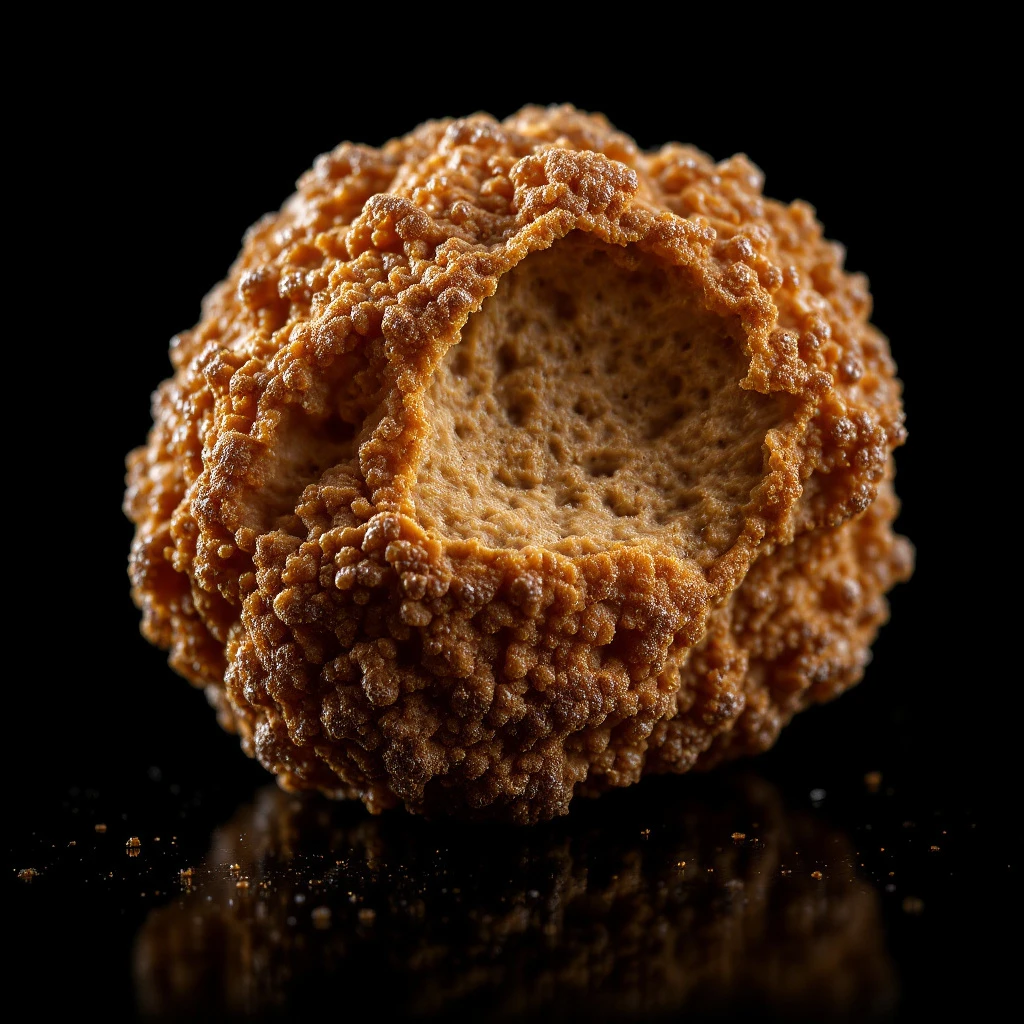
Truffle's unmistakable aroma comes from just two sulfur compounds: 2,4-dithiapentane and dimethyl sulfide, mixed at precise ratios to recreate the underground fungi's scent.





Origin
France
The concept of champagne truffle as a unified accord emerged from the intersection of two separate fragrance traditions. Champagne notes entered perfumery through the pioneering work of Ernest Duroc in the early twentieth century, who first harnessed aldehydes to create sparkling, effervescent qualities. Chanel No. 5, launched in 1921, cemented the aldehyde palette as a symbol of modernity and luxury.
Truffle accords developed later, gaining prominence during the molecular gastronomy movement of the late twentieth century when chefs and scientists began dissecting the chemistry of exceptional ingredients. Perfumery adopted these findings, recognizing that the distinctive truffle aroma could be achieved through just a handful of sulfur compounds.
The marriage of these two elements into Champagne Truffle as a named accord followed the broader trend toward opulent, food-inspired perfumery that emerged in the early 2000s. Luxury houses began exploring contrasts between high and low, ephemeral and enduring. The effervescent lift of champagne balanced against the primal earthiness of truffle created a tension that felt both decadent and grounded, perfectly suited to the era's appetite for sensory indulgence.
Wears it best
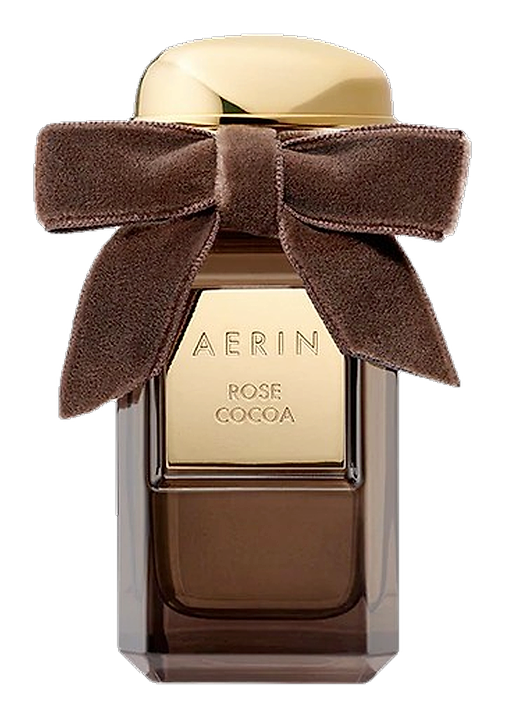
Fragrances featuring Champagne Truffle
Brands
Brands known for Champagne Truffle
Good to know
Questions, answered
The essentials on Champagne Truffle in perfumery: how it smells, where it comes from, and how it behaves on skin.
Is Champagne Truffle a natural or synthetic ingredient?
Champagne Truffle is entirely synthetic. The champagne note comes from lab-created aldehydes, while the truffle dimension relies on synthesized sulfur compounds like 2,4-dithiapentane. No natural truffle or champagne extracts exist in perfumery.
Why does truffle smell so distinctive in fragrances?
Truffle's aroma comes from sulfur compounds, primarily 2,4-dithiapentane and dimethyl sulfide. These molecules bind strongly to olfactory receptors, creating an intense earthy, musky impression at very low concentrations. The human nose is particularly sensitive to these compounds.
Where does the champagne note originate in perfumery?
Champagne notes trace to early 20th century French perfumery when aldehydes became commercially available. The bright, effervescent quality comes from volatile C6-C12 aldehydes that evaporate rapidly, creating that characteristic sparkling sensation on skin.
How long does Champagne Truffle last on skin?
Champagne notes evaporate quickly, typically within 30 minutes to an hour. Truffle compounds persist much longer, lasting several hours in the drydown. The overall effect follows a trajectory from bright effervescence to deep, earthy warmth.
What ingredients pair well with Champagne Truffle?
Champagne Truffle harmonizes with warm ambers, vanillas, and creamy sandalwood on the richer end. Florals like rose or iris soften its intensity. It contrasts beautifully with crisp ozonic notes or bright citrus for unexpected tension.
Can Champagne Truffle be extracted from real truffles or champagne?
No. Natural truffles do not yield usable aromatic extracts through conventional methods like distillation or solvent extraction. Champagne contains no significant aromatic compounds; its scent in perfumery is always an aldehyde reconstruction.
How much Champagne Truffle can perfumers use in a formula?
Champagne Truffle accords typically appear at low concentrations, often between 2-10% of a fragrance concentrate. Aldehydes can cause skin sensitization at high levels, and sulfur compounds require careful dosing to avoid unpleasant egg-like notes.
What makes Champagne Truffle expensive in fragrance formulations?
The cost lies in achieving balance. Aldehydes are relatively inexpensive, but crafting a truffle accord with authentic depth and nuance requires expensive specialized compounds and extensive testing. Each house maintains proprietary ratios, making quality highly variable across manufacturers.