Ceylonese Cinnamon Leaf
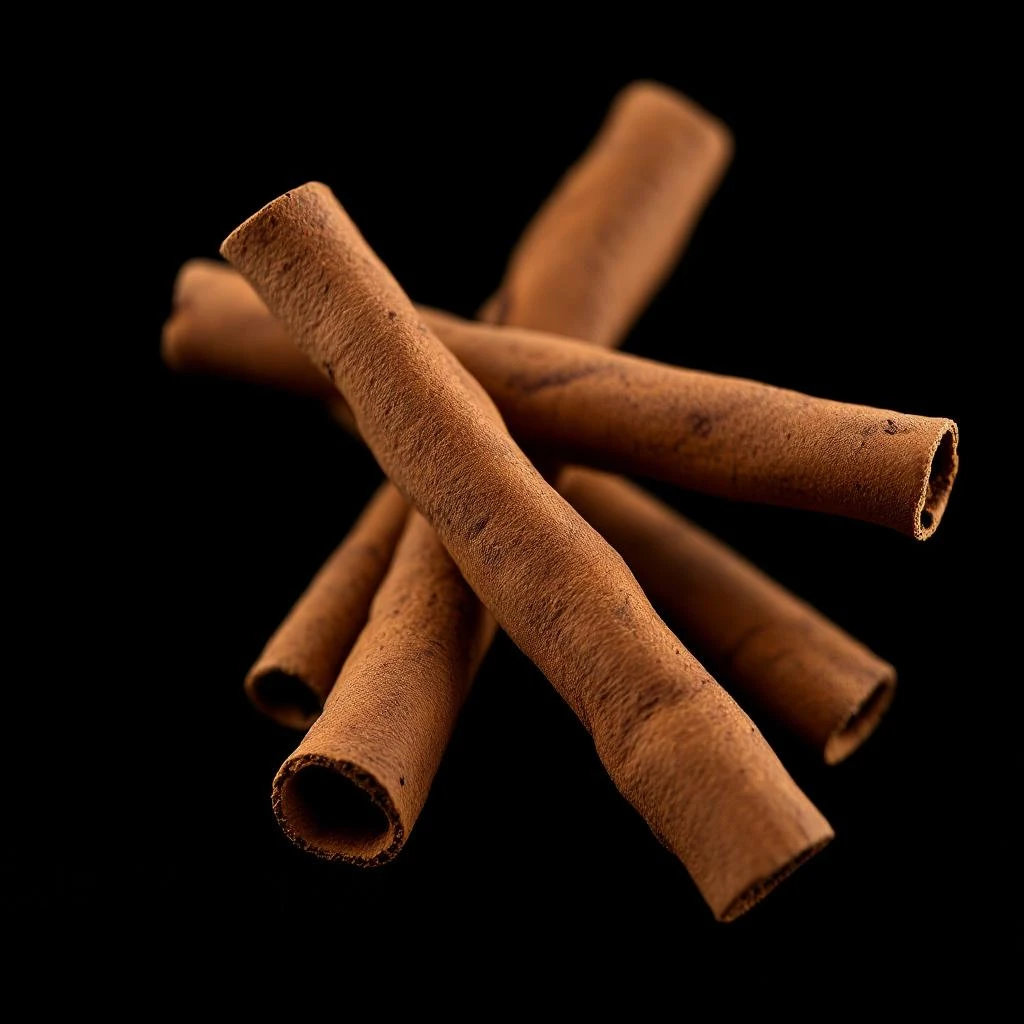
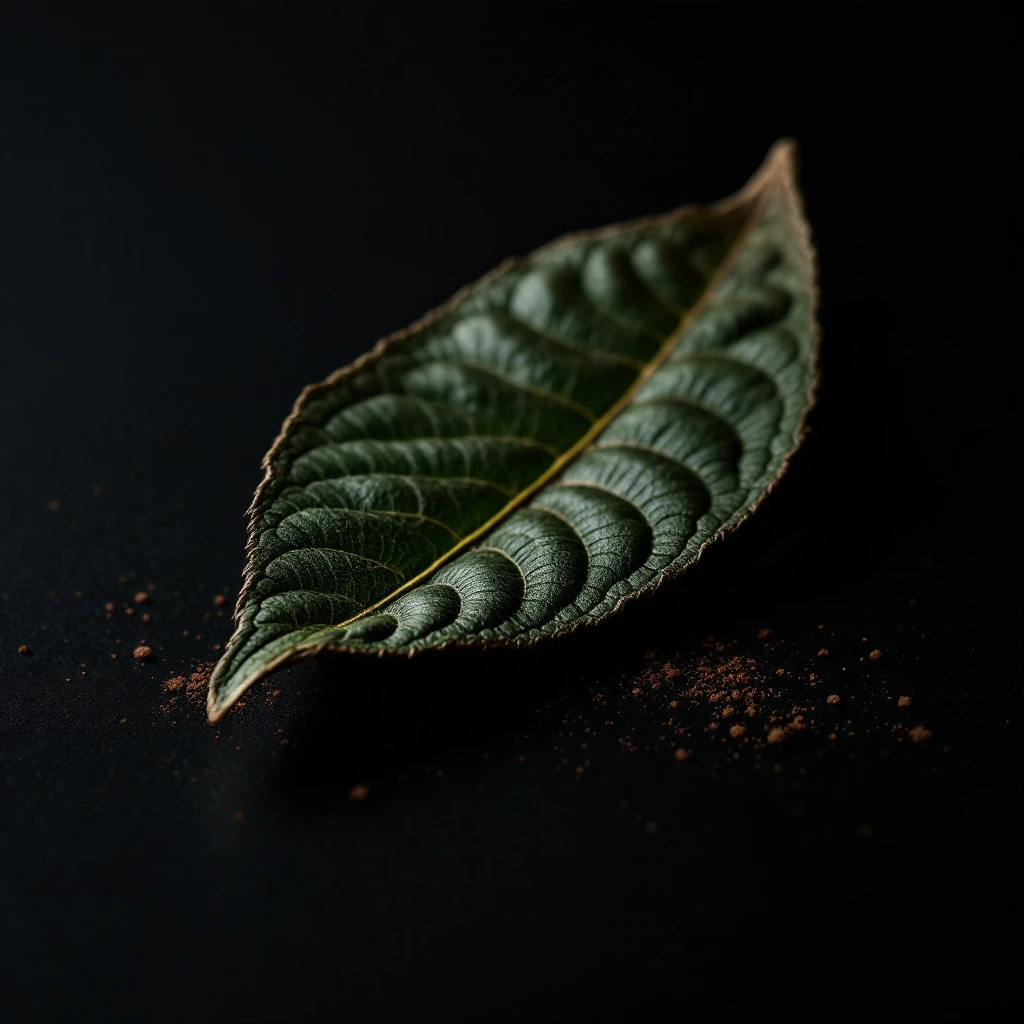
From the same tree that yields the world's finest cinnamon bark, Ceylonese cinnamon leaves carry a warmer, more nuanced spice—green, fresh, and undeniably alive.
Character
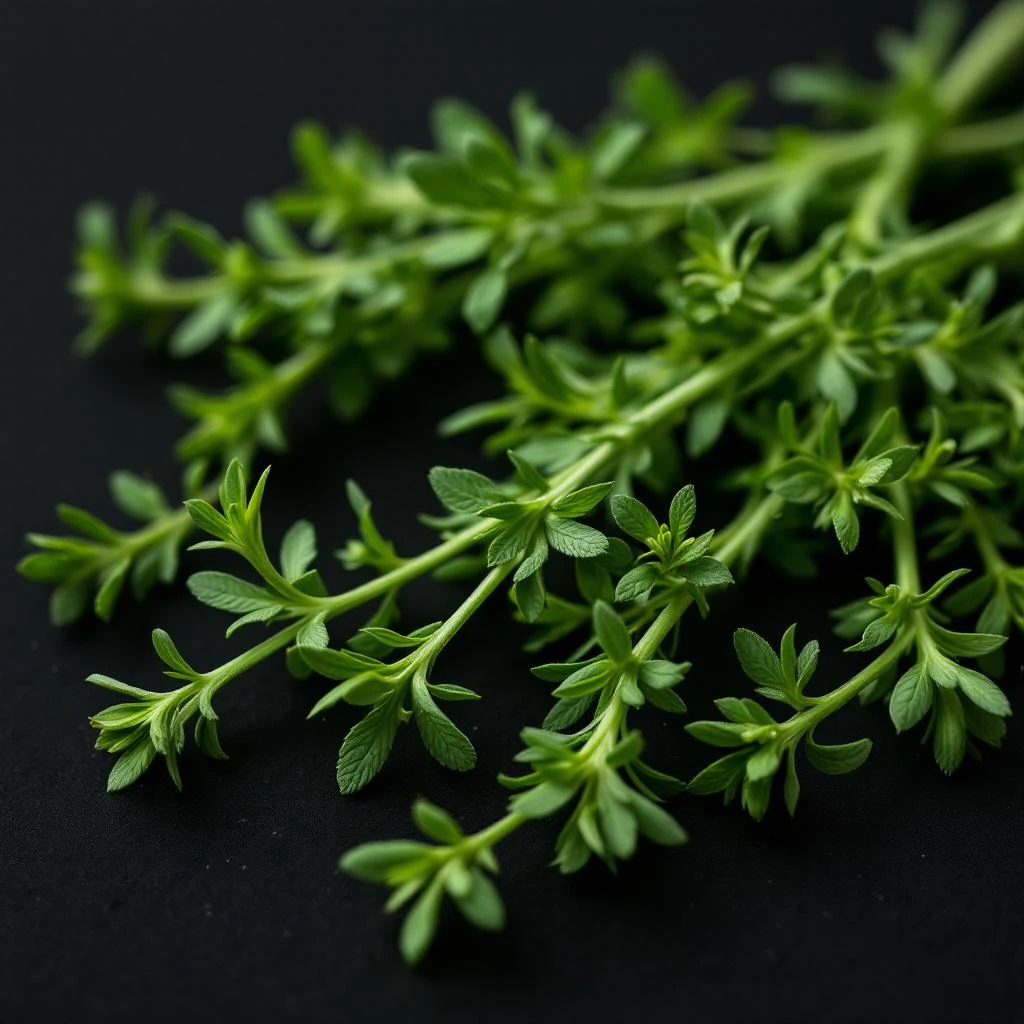
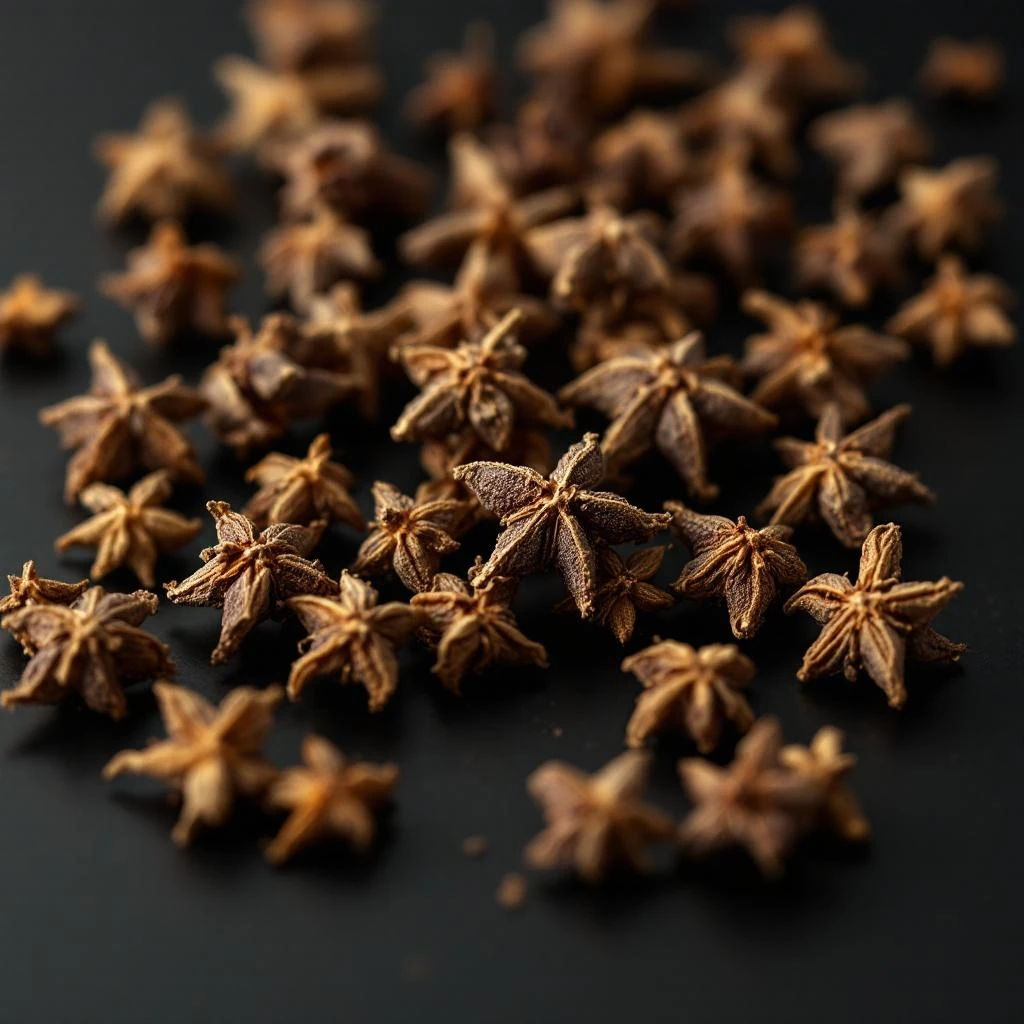
How it smells
Green spice from the island that defined cinnamon.
While cinnamon bark commands premium prices, the leaves—a byproduct of quill harvesting—yield an oil perfumers prize for its fresher, greener character.





Origin
Sri Lanka
Sri Lanka has cultivated cinnamon for over 2,000 years, with Cinnamomum verum growing wild across the island long before recorded history. Ancient Phoenician traders considered Ceylon cinnamon among the most precious commodities, transporting it across Mediterranean markets where it rivaled gold in value. Arab merchants controlled the spice trade for centuries, spinning elaborate tales about mysterious birds building nests from cinnamon bark to justify their high prices.
When Portuguese explorers arrived in 1505, they recognized the island's unique potential and established the first European-controlled cinnamon plantations. The Dutch followed in 1658, implementing systematic cultivation methods that shaped modern production techniques. British colonizers later made Ceylon the world's dominant cinnamon producer, a position Sri Lanka maintains today.
Archaeological evidence from ancient Anuradhapura shows cinnamon was used in religious ceremonies and medicinal preparations centuries before European contact. The spice's cultural significance extends beyond commerce—it appears in Ayurvedic texts, traditional recipes, and even wedding rituals where cinnamon branches bless new unions. Sri Lanka accounts for approximately 80% of global Ceylon cinnamon production, making the island indispensable to the world's supply of this beloved spice.
Wears it best
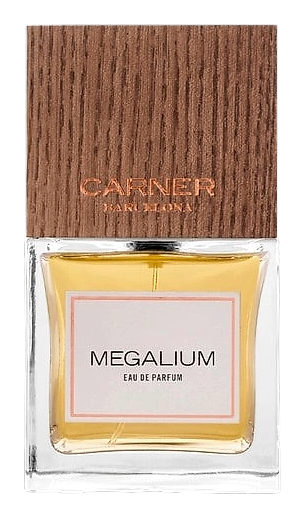
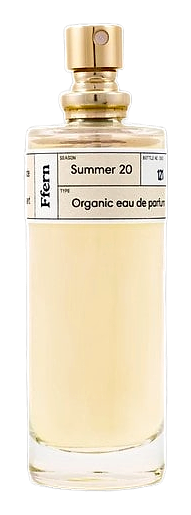
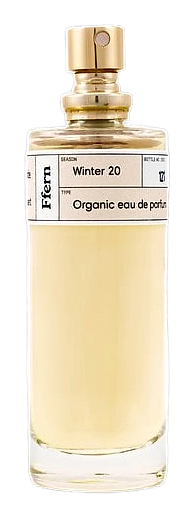
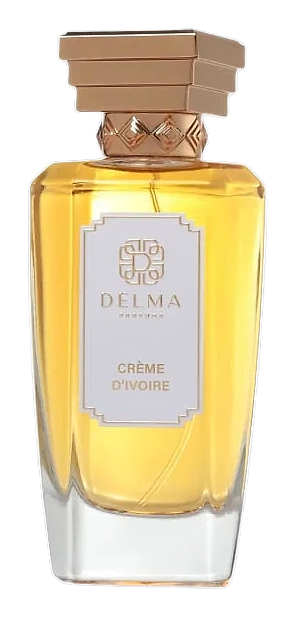
Fragrances featuring Ceylonese Cinnamon Leaf
Brands
Brands known for Ceylonese Cinnamon Leaf
Good to know
Questions, answered
The essentials on Ceylonese Cinnamon Leaf in perfumery: how it smells, where it comes from, and how it behaves on skin.
What makes Ceylonese cinnamon leaf oil different from cassia or other cinnamon oils?
Ceylonese cinnamon leaf oil comes from Cinnamomum verum, native to Sri Lanka. Unlike cassia from China, it contains lower coumarin levels, making it safer for regular use. The oil offers a cleaner, greener aroma compared to the harsher, more aggressive notes of cassia.
How long has Sri Lanka been producing cinnamon?
Sri Lanka has cultivated cinnamon for over 2,000 years. Archaeological evidence from ancient settlements shows continuous production since at least 200 BCE, making it one of the oldest continuously harvested spice crops in the world.
What gives cinnamon leaf oil its distinctive aroma?
Eugenol comprises 70-85% of Ceylon cinnamon leaf oil, creating its warm, spicy character. This compound also occurs in clove oil, giving cinnamon leaf a natural kinship with other warm spice materials.
Is cinnamon leaf oil sustainable to produce?
Yes. Harvesting leaves does not harm the cinnamon tree, unlike bark collection. Farmers trim leaves during quill production, making leaf oil a byproduct that adds economic value without additional environmental impact.
What fragrance families pair well with cinnamon leaf oil?
Cinnamon leaf oil works beautifully in spicy, oriental, and fougère compositions. It complements notes like clove, vanilla, labdanum, and citrus, adding warmth and complexity to fragrance foundations.
How does cinnamon leaf oil differ from cinnamon bark oil?
Bark oil is sweeter and more complex, while leaf oil is warmer and greener. Bark contains cinnamaldehyde as its primary component; leaves are dominated by eugenol, creating a distinctly different aromatic profile.
What percentage of global cinnamon production comes from Sri Lanka?
Sri Lanka produces approximately 80% of the world's Ceylon cinnamon. The island's unique climate and soil conditions produce the delicate, sweet bark that commands premium prices globally.
Can cinnamon leaf oil be used in aromatherapy?
Diluted cinnamon leaf oil offers warming, energizing effects in aromatherapy. Its spicy aroma pairs well with citrus and wood notes. Always dilute properly and consult safety guidelines before topical use.