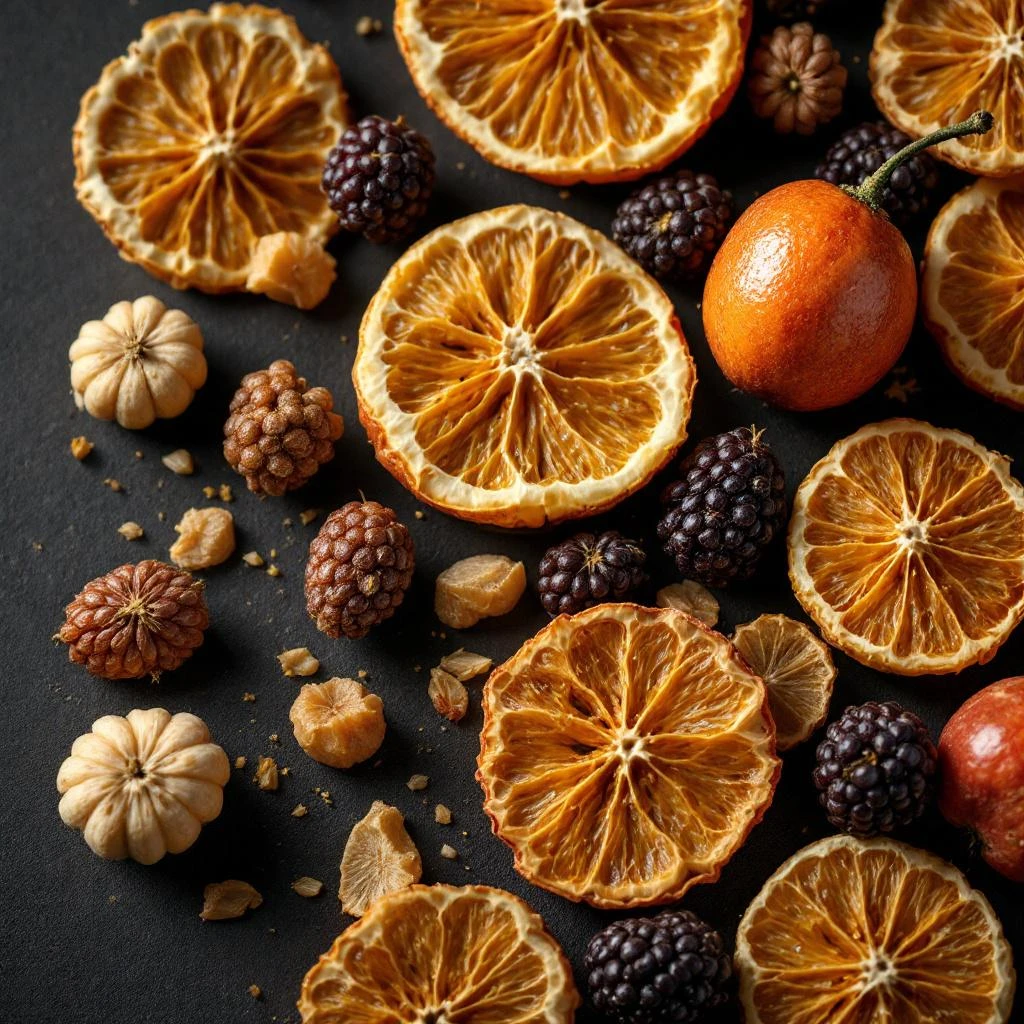
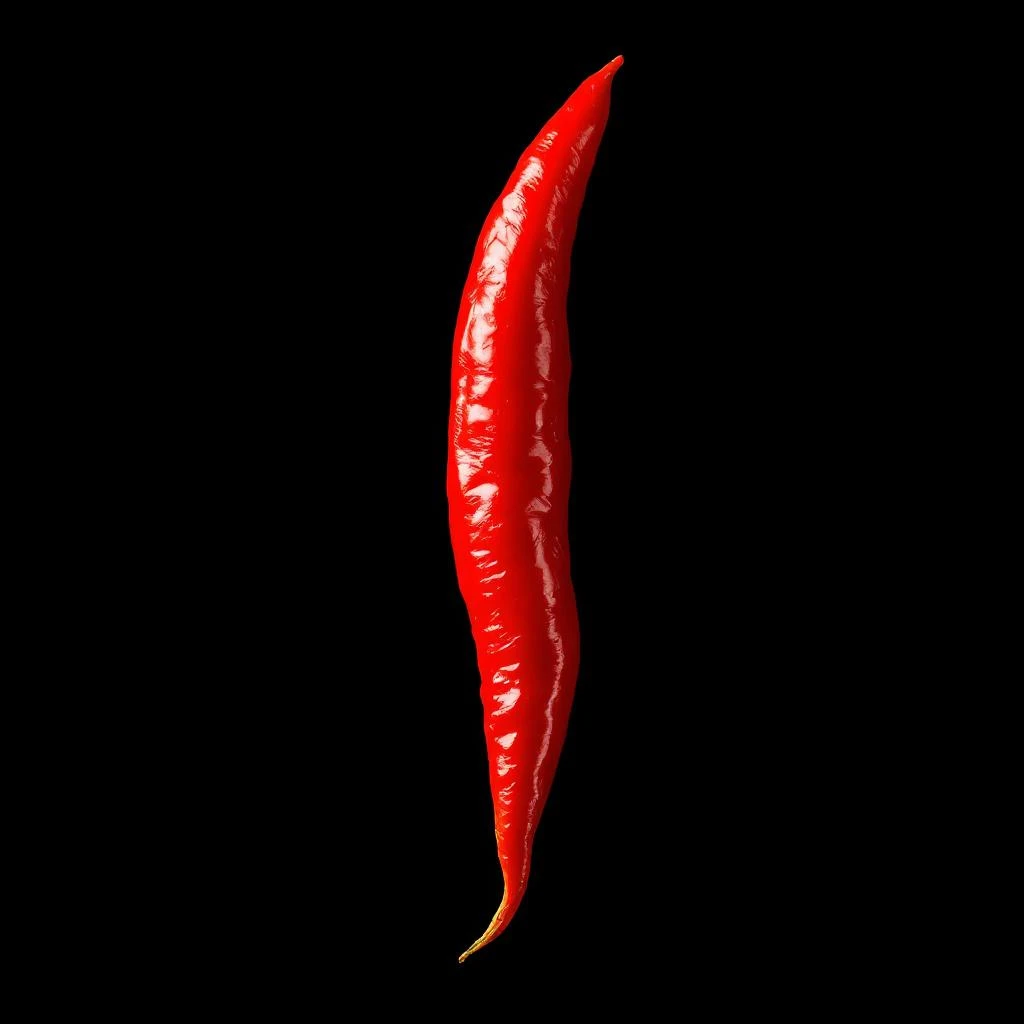
Carolina Reaper
Carolina Reaper brings brutal, searing heat to fragrance. As the world's hottest cultivated pepper, it pushes the boundaries of perfumery, appearing as a conceptual note that captures fiery intensity without actual capsaicin extraction.
Character
How it smells
The world's most dangerous pepper, reimagined in scent.
Carolina Reaper measures over 1.6 million Scoville Heat Units—hot enough to require protective gloves when handling raw pods.



Origin
United States
Ed Currie developed the Carolina Reaper at his Puckerbutt Pepper Company in Fort Mill, South Carolina, beginning his breeding program around 2001. He crossed a Pakistani Naga pepper with other exceptionally hot Capsicum chinense cultivars, spending over a decade refining the hybrid until it stabilized. The pepper registered over 1.
6 million Scoville Heat Units in official testing, earning the Guinness World Record as the world's hottest chili in 2017. Its appearance matches its intensity—wrinkled, red, and lantern-shaped with a characteristic scorpion tail. Unlike peppers bred for culinary use, the Carolina Reaper exists at the extreme edge of capsaicin concentration, making it unsuitable for traditional extraction.
Its entry into fragrance represents perfumery's ongoing dialogue with danger, borrowing the pepper's mythology rather than its chemistry.
Wears it best
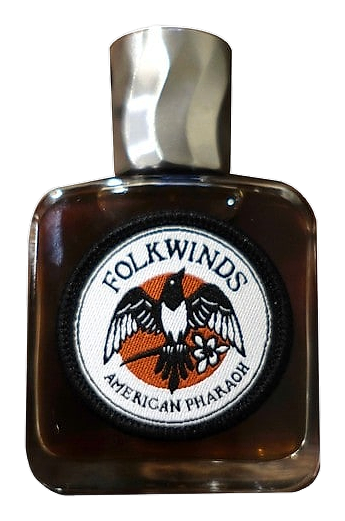
Fragrances featuring Carolina Reaper
Brands
Brands known for Carolina Reaper
Good to know
Questions, answered
The essentials on Carolina Reaper in perfumery: how it smells, where it comes from, and how it behaves on skin.
What is the Carolina Reaper note in perfumery?
The Carolina Reaper appears as a conceptual note in fragrance, not an actual extract. Perfumers use synthetic materials to evoke the pepper's searing intensity without applying dangerous capsaicin concentrations.
Can Carolina Reaper be extracted for use in perfume?
No commercial Carolina Reaper extract exists. Capsaicin, the compound responsible for the pepper's heat, irritates skin at any meaningful concentration, making direct extraction impractical for fragrance use.
How hot is the Carolina Reaper pepper?
The Carolina Reaper measures over 1.6 million Scoville Heat Units, making it roughly 200 times hotter than a jalapeno and intense enough to require protective equipment when handling raw pods.
Why do perfumers use the Carolina Reaper concept if they cannot extract it?
The pepper's extreme reputation creates consumer intrigue. Framing a fragrance as containing this notorious ingredient signals intensity and danger, functioning as marketing storytelling backed by aromatic approximation.
How do fragrances recreate the Carolina Reaper sensation?
Perfumers use synthetic capsaicin analogs, trace chili essence, or combinations of fiery materials like black pepper, ginger, and cinnamon to suggest heat without violating safety regulations.
What does the Carolina Reaper note smell like in fragrance?
The perceived note registers as immediate, burning warmth—a flash of fiery spice that dissipates quickly. It differs from black pepper's complexity, presenting as singular, urgent heat rather than layered aromatics.
When was the Carolina Reaper pepper developed?
Ed Currie began breeding the Carolina Reaper around 2001 at Puckerbutt Pepper Company in South Carolina, spending over ten years to stabilize the hybrid before its public debut around 2013.
Is the Carolina Reaper note safe for skin in fragrance?
When properly formulated, fragrances featuring the Carolina Reaper concept are skin-safe. Perfumers avoid actual capsaicin at irritant levels, using dilute synthetic alternatives that convey the idea without causing reactions.