Cherry wine
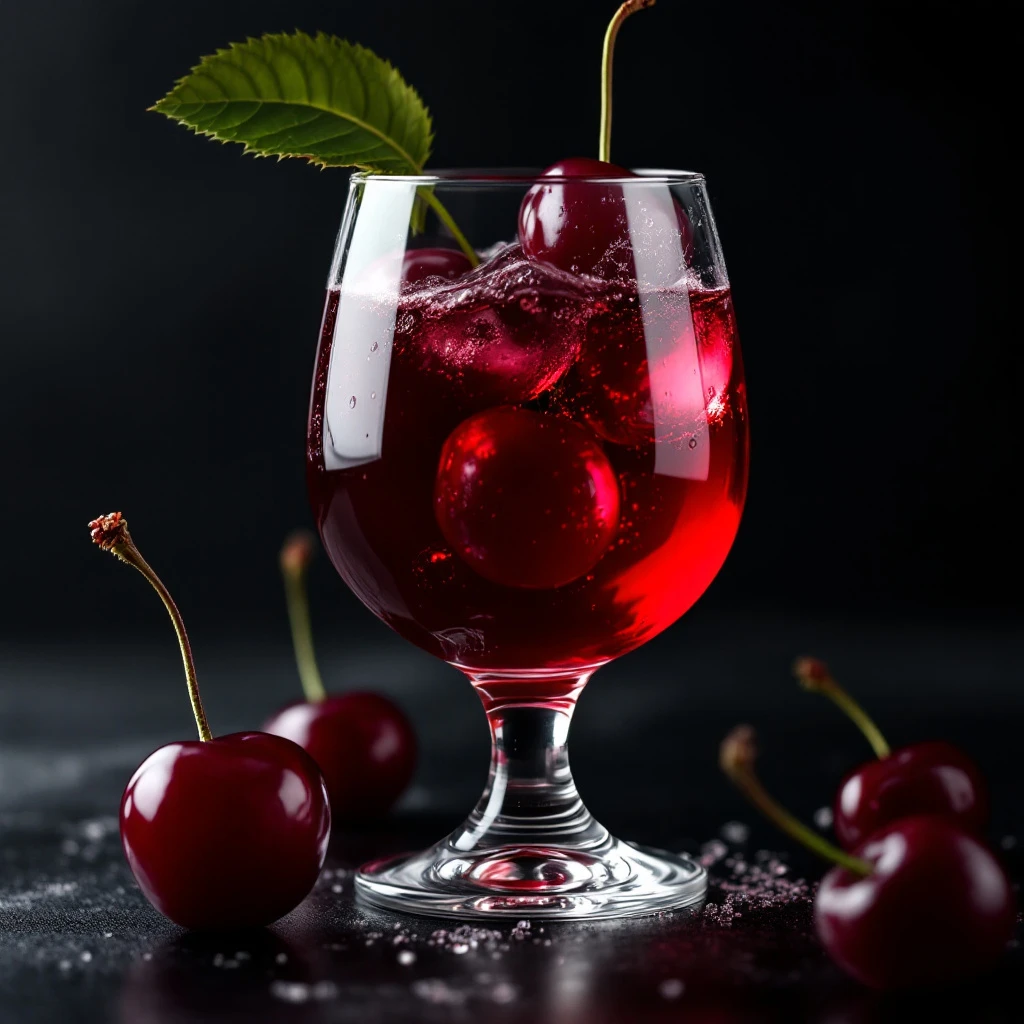
Cherry wine captures the intoxicating sweetness of fermented stone fruit, layered with warm, boozy depth and whispers of almond. This luxurious note blends synthetic benzaldehyde with fermented compounds to recreate the rich sensory experience of aged cherry cordials and vintage fruit wines.
Character
How it smells
Bitter cherry whispers in dark wine.
Despite smelling intensely fruity, natural cherry essential oil cannot exist; every cherry note in perfumery is artfully lab-created.




Origin
France
The marriage of cherry and wine in perfumery traces back to 19th-century France, where accidental fermentation in perfumers' ateliers produced early versions of this effect. However, true cherry wine notes only appeared after synthetic benzaldehyde became commercially available in the 1870s, giving perfumers the key building block for cherry recreation.
The grandeurs of Parisian perfumery adopted these compounds during the Belle Époque era, creating sumptuous compositions for royalty and aristocracy. When maraschino liqueur gained popularity across Europe in the early 20th century, perfumers began deliberately crafting cherry-wine accords to capture its distinctive boiled-sugar and almond character.
By mid-century, commercial fragrance houses had refined these blends into standardized bases used widely across feminine and masculine lines. Contemporary perfumery continues this legacy, with cherry wine now representing a sophisticated bridge between gourmand sweetness and fermented complexity, appearing in both niche artisanal creations and mainstream designer fragrances.
Wears it best
Fragrances featuring Cherry wine

Brands
Brands known for Cherry wine
Good to know
Questions, answered
The essentials on Cherry wine in perfumery: how it smells, where it comes from, and how it behaves on skin.
Is cherry wine a natural fragrance ingredient?
Cherry wine is entirely synthetic. Natural cherry essential oil cannot be extracted from fruit, so perfumers create cherry notes by blending compounds like benzaldehyde with fermented aroma chemicals.
What gives cherry wine its boozy character?
Wine lactone and fermented cinnamic compounds create the boozy depth. These materials mimic the aromatic complexity of aged fruit wines without containing actual alcohol.
How long has cherry wine been used in perfumery?
Cherry wine notes emerged in the 1870s after synthetic benzaldehyde became commercially available, though formulations became more sophisticated throughout the 20th century.
What family does cherry wine belong to?
Cherry wine belongs to the gourmand-woody fragrance family. It blends fruity sweetness with fermented depth, making it versatile across oriental, ambery, and even chypre compositions.
Does cherry wine smell like actual cherries?
Cherry wine smells like maraschino cherries and black cherry cordials rather than fresh fruit. It carries fermented, syrupy sweetness with subtle almond undertones from benzaldehyde.
Which famous fragrances feature cherry wine?
Cherry wine and similar cherry-wine accords appear in Lost Cherry by Tom Ford andseveraloriental fragrances from the 1990s, often paired with tonka bean or oud.
Is cherry wine safe for skin application?
Cherry wine compounds are safe for cosmetic use within IFRA limits. Benzaldehyde requires specific concentration controls, and professional formulations stay well within skin-safe thresholds.
What complementary notes pair well with cherry wine?
Cherry wine pairs excellently with tonka bean, vanilla, and ambery materials. In darker compositions, it combines beautifully with oud, incense, and labdanum for contrast.