Caribbean Frangipani
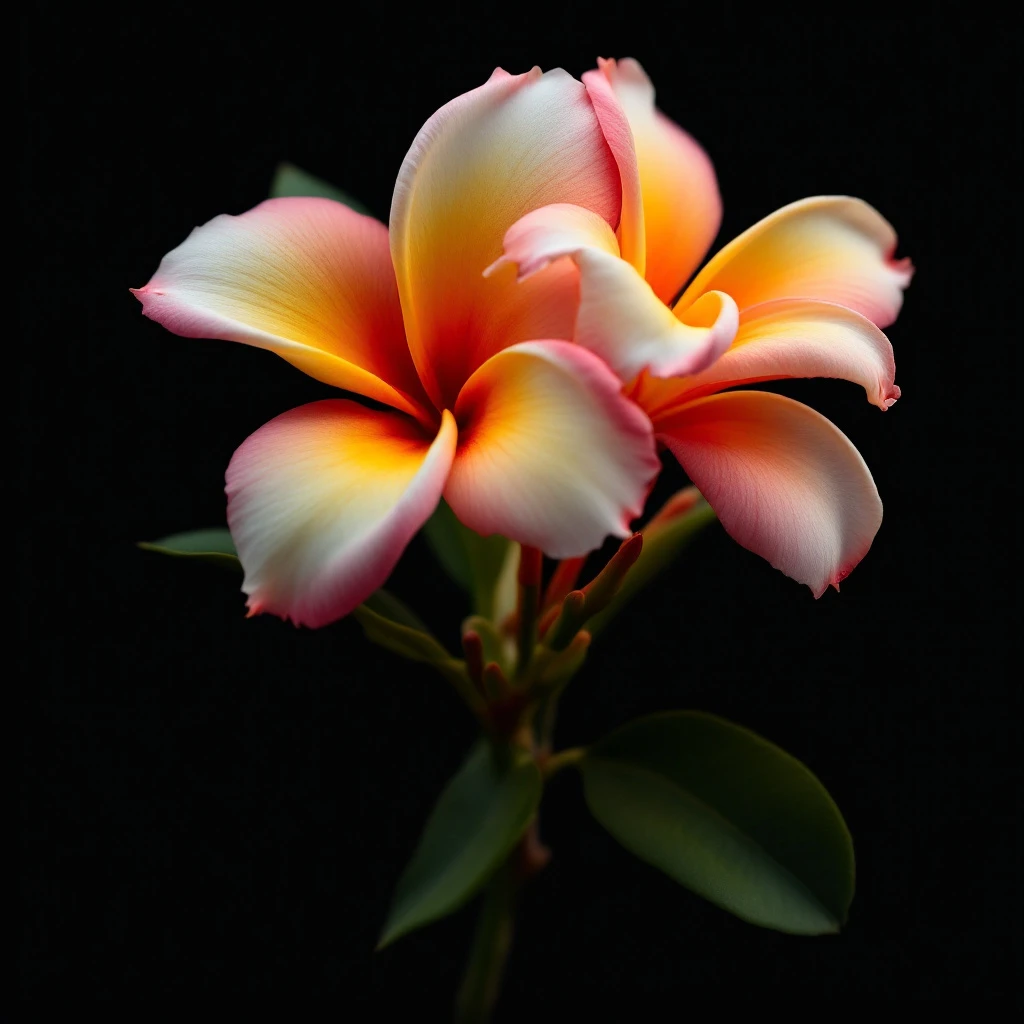
Caribbean Frangipani captures the intoxicating apricot blossom of the Plumeria flower, a note that exists only through perfumery art. No extraction method can capture its fleeting beauty, making every frangipani fragrance a careful reconstruction of paradise.
Character
How it smells
Paradise reconstructed through chemistry.
Frangipani blooms exclusively at night, releasing its intoxicating scent after dark to attract its primary pollinators: moths.






Origin
Caribbean
The name Frangipani carries a surprising historical lineage. During the Italian Renaissance, the aristocratic Frangipani family of Rome developed a perfume blended from orris, spices, and musk that became highly prized among European nobility.
When French botanists later encountered the Plumeria flower in colonial territories, they noticed its scent resembled this aristocratic fragrance, naming it 'frangipanier' in reference. The flower itself, native to Central America and the Caribbean, spread across tropical regions through centuries of exploration.
In Caribbean culture, frangipani carries deep spiritual significance—Haitian tradition associates it with love and devotion, while Hawaiian brides traditionally wear its blooms. The Marquis Frangipani who lends his name to the flower remains a figure of historical debate, though records from the 16th century confirm Italian nobility first created perfumes from plumeria plants.
Wears it best
Fragrances featuring Caribbean Frangipani

Brands
Brands known for Caribbean Frangipani
Good to know
Questions, answered
The essentials on Caribbean Frangipani in perfumery: how it smells, where it comes from, and how it behaves on skin.
Can frangipani be extracted naturally like other florals?
No. Frangipani cannot be naturally extracted because steam distillation destroys its delicate compounds while solvent extraction captures only heavy base notes. Every frangipani note in perfume is a synthetic reconstruction.
What does Caribbean Frangipani smell like?
The scent opens with warm apricot and gardenia-like floralcy, settling into creamy coconut and subtle jasmine undertones. Tropical sunlight amplifies its sweetness, creating that characteristic 'solar' effect perfumers seek.
Why is frangipani so prominent in summer and solar fragrances?
Frangipani thrives in heat, releasing its strongest scent as temperatures rise. Perfumers associate it with sunshine and warmth, making it a natural choice for warm-weather and tropical fragrance compositions.
What inspired the name 'Frangipani'?
The name comes from the Italian Frangipani family, Renaissance-era aristocrats who created a celebrated musk-and-iris perfume. French botanists named the Plumeria flower after this fragrance when they noticed the scent similarity.
Is frangipani related to jasmine or gardenia?
Botanically, frangipani (Plumeria) belongs to Apocynaceae, unrelated to jasmine or gardenia. Scent-wise, it shares gardenia's waxy warmth and jasmine's tropical floralcy, creating a unique olfactory profile.
How do perfumers recreate frangipani's missing top notes?
Perfumers use aroma chemicals like anthranilates for grape-like facets, lactones for creamy coconut notes, and dihydrojasmonate for fresh floralcy. These materials together approximate the full scent spectrum of the living flower.
Does frangipani have cultural significance in the Caribbean?
Yes. In Haitian tradition, frangipani symbolizes love and devotion. Hawaiian brides wear the blooms, and throughout the Caribbean, the flowers appear in ceremonial garlands and spiritual practices.
At what time of day does frangipani release its scent?
Frangipani blooms exclusively at night, designed to attract nocturnal moths for pollination. This nocturnal release explains why reconstruction focuses on capturing its most ethereal, moonlit qualities.



