Caramelized Marshmallow
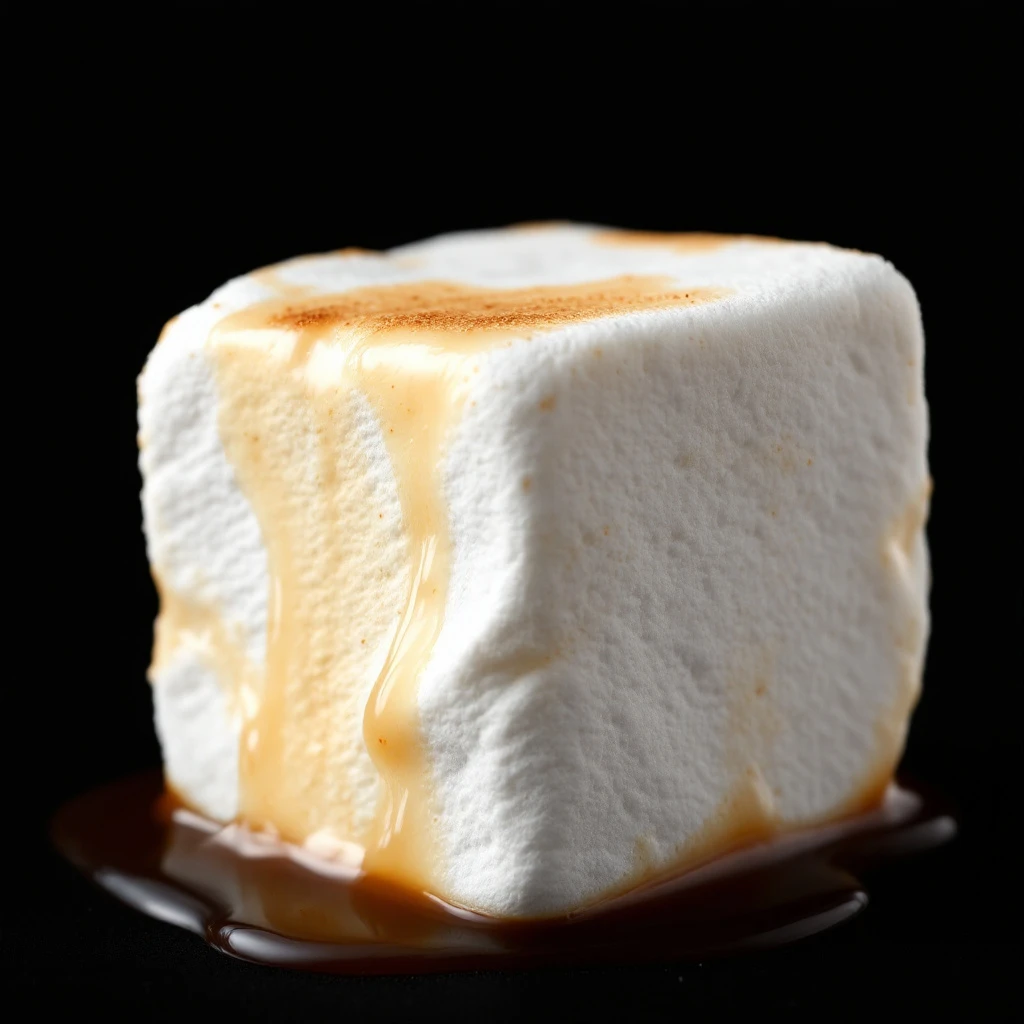
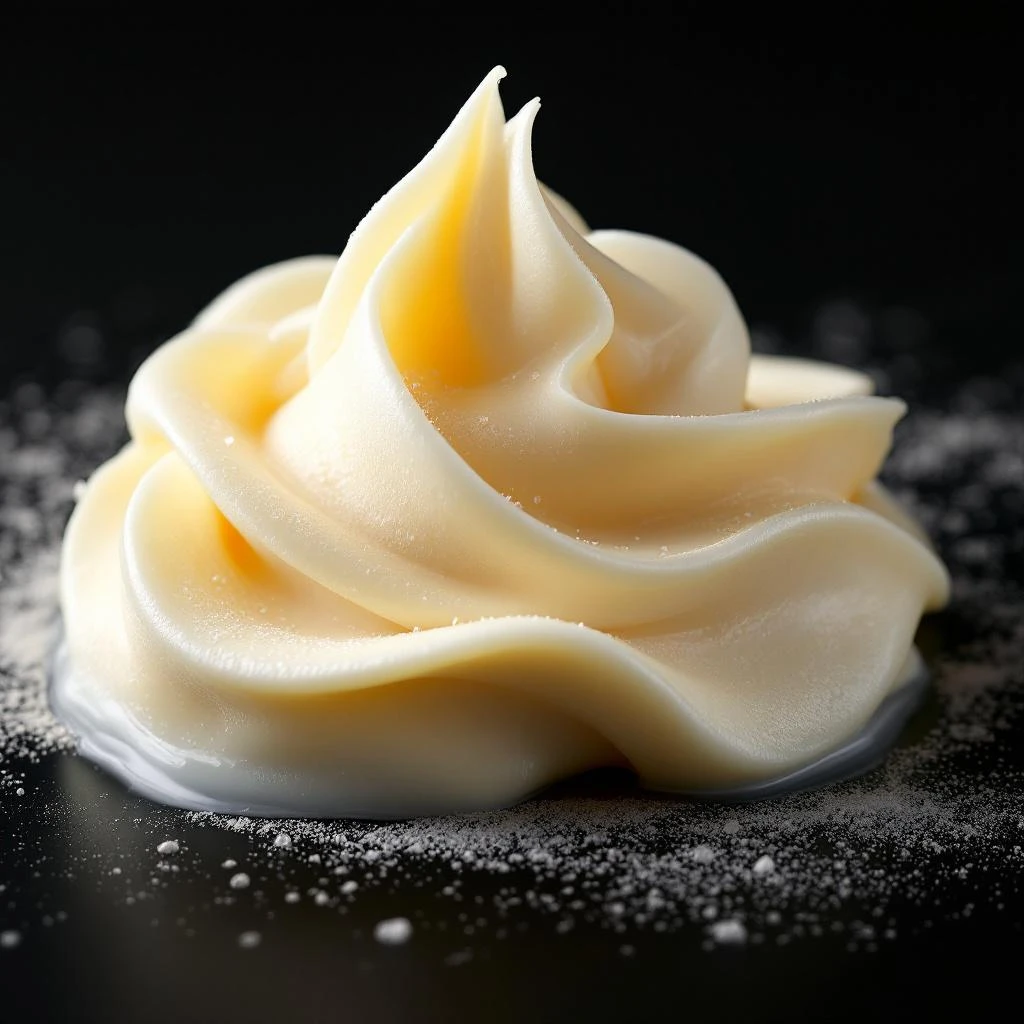
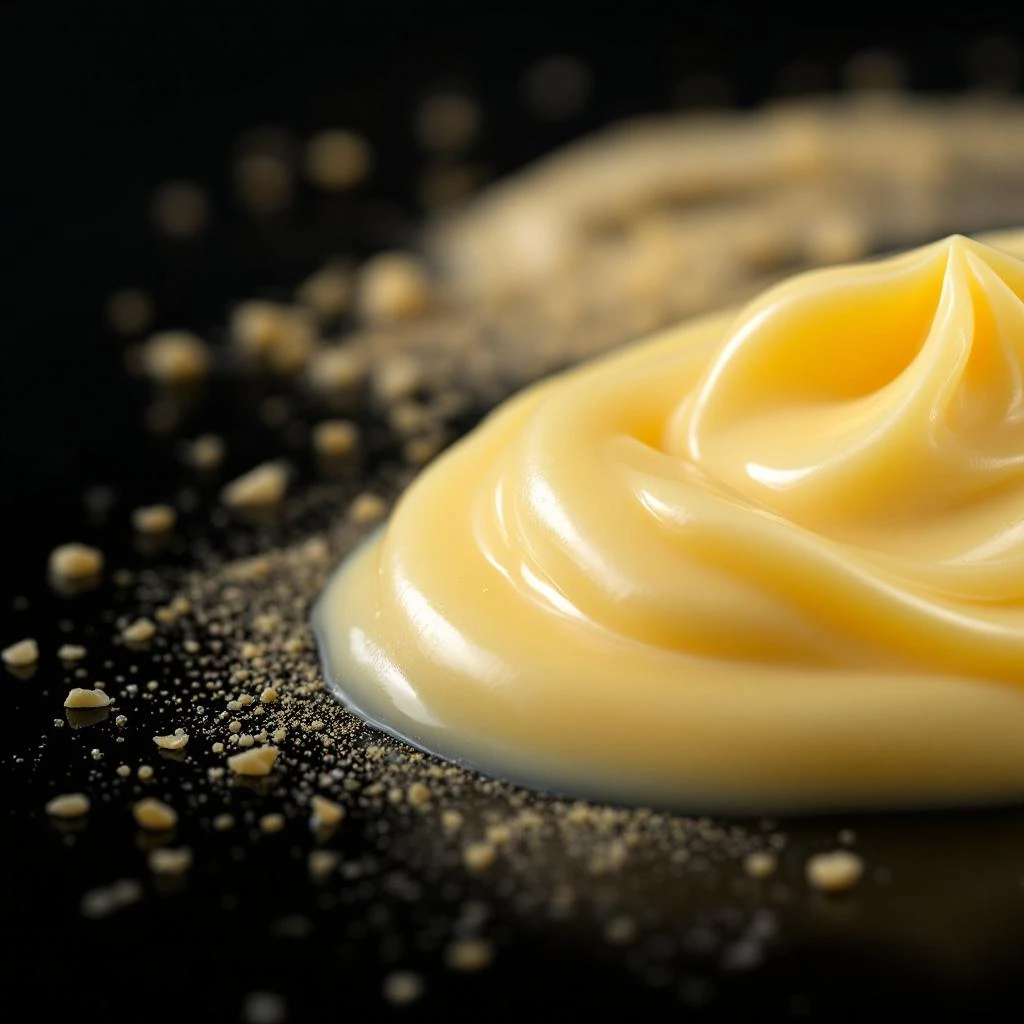
Toasted sugar, soft vanilla haze, and the warm pull of a campfire marshmallow held just too long over the flame. A gourmand note built entirely in the perfumer's lab, since real marshmallow root offers almost nothing to the nose.
Character
How it smells
Sugar caught at the edge of the flame
Real marshmallows once came from the marshmallow plant's roots, but perfumers abandoned the plant entirely; modern marshmallow notes are pure laboratory synthesis.


Origin
France
Marshmallow the plant has a far older story than marshmallow the scent. Ancient Egyptians mixed the root's sap with honey and nuts to create a honeyed confection reserved for gods and nobility. Greeks used the same plant, Althaea officinalis, as a soothing remedy for coughs and sore throats, a use that persisted into European herbal medicine through the 1800s.
The candy we know today lost its botanical link in the late 19th century, when French manufacturers replaced the root extract with gelatin and sugar syrup. Perfumers followed suit decades later. The marshmallow note entered fine fragrance in the mid-1990s alongside the rise of gourmand compositions, replacing earlier abstract sweetness with something playful, edible, and overtly synthetic.
By the 2000s it had become a fixture in niche and mainstream perfumery alike, valued precisely because it could not be mistaken for anything botanical.
Wears it best
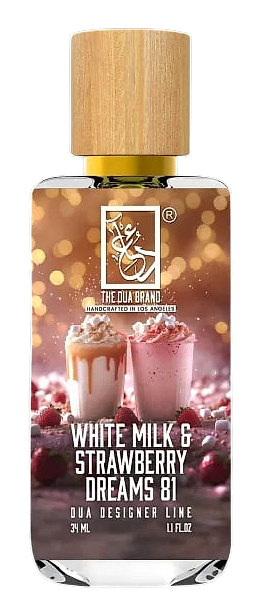
Fragrances featuring Caramelized Marshmallow
Brands
Brands known for Caramelized Marshmallow
Good to know
Questions, answered
The essentials on Caramelized Marshmallow in perfumery: how it smells, where it comes from, and how it behaves on skin.
What does caramelized marshmallow smell like in perfume?
It smells like toasted sugar and warm vanilla with a soft, smoky edge. The note blends sweet caramel, lactonic cream, and a faint char, usually built from maltol, ethyl maltol, and furaneol rather than anything botanical.
Is marshmallow note natural or synthetic?
The marshmallow note is entirely synthetic in modern perfumery. The actual marshmallow plant root smells faintly green and earthy, with almost none of the sugary sweetness that defines the fragrance accord.
When did marshmallow first appear in perfumery?
Marshmallow entered fragrance composition in the mid-1990s during the gourmand wave. It became popular because perfumers could finally reproduce edible, confection-like notes using aroma chemicals rather than natural extracts.
Which chemicals create the caramelized marshmallow effect?
Maltol and ethyl maltol provide cotton-candy sweetness, while furaneol and sotolon deliver the caramelized sugar and burnt edge. Vanillin adds creamy depth, and trace pyrazines contribute the toasted char.
Where does real marshmallow root come from?
The marshmallow plant, Althaea officinalis, grows wild across Europe, North Africa, and western Asia, typically in damp, salty meadows. Its root was once boiled into a medicinal confection in ancient Egypt.
Does caramelized marshmallow last long in a fragrance?
Caramelized marshmallow is a base-to-middle note with moderate longevity, typically six to eight hours on skin. Its staying power depends on the concentration of maltol derivatives and supporting fixatives.
Why is marshmallow called a gourmand note?
Marshmallow qualifies as gourmand because it mimics an edible, sweet flavor profile rather than a botanical or animalic scent. It belongs to the family that also includes vanilla, caramel, and chocolate accords.
Can marshmallow be extracted naturally for perfume?
No meaningful natural extraction exists for this note. The marshmallow plant yields very little scent material, so perfumers rely on synthetic aroma chemicals to recreate its characteristic sweet, toasted character.




