Caramel Liqueur
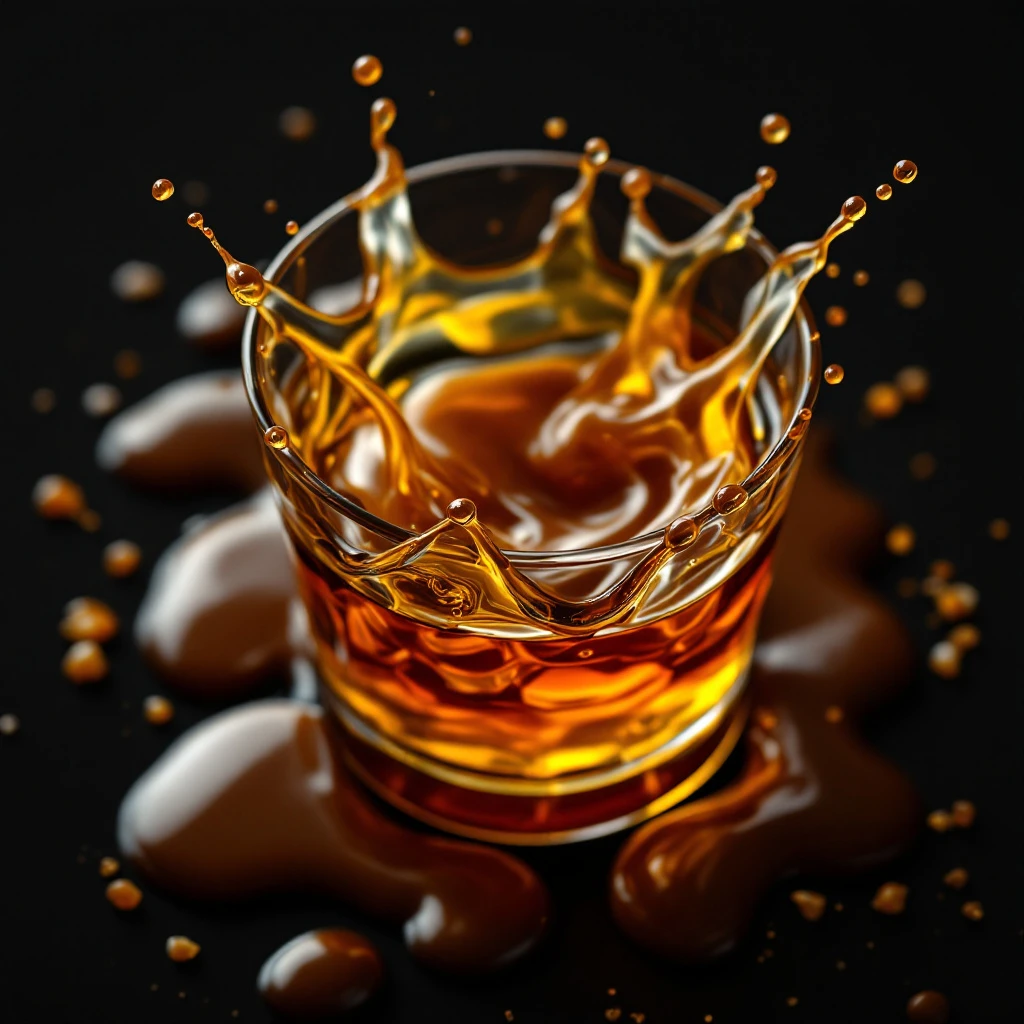
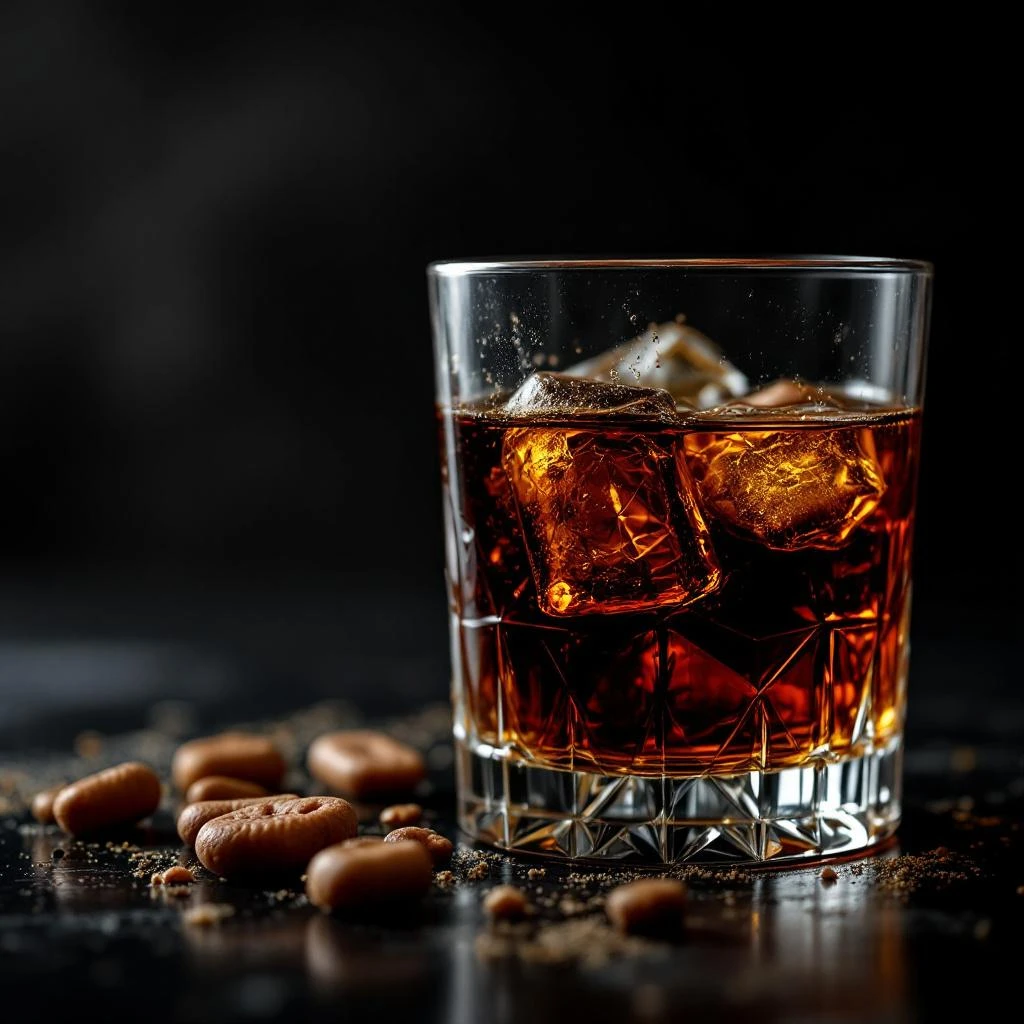
A warm, edible accord that captures the amber sweetness of caramel dissolved in spirits. Perfumers build this note from multiple synthetic molecules to evoke bourbon-soaked praline, butterscotch ripple, or burnt sugar remniks depending on concentration and companion ingredients.
Character
How it smells
Liquid amber sweetness with spirit-touched depth
No caramel plant exists. Every caramel note in perfume is a laboratory creation, built molecule by molecule to replicate what confectioners achieve with heat and sugar.


Origin
Laboratory Origin
Before the 20th century, perfumers achieved sweet, gourmand effects through natural materials like vanilla, benzoin, and tonka bean. These ingredients lent warmth but lacked the precise caramelized intensity now associated with the note. The emergence of synthetic fragrance chemistry changed this entirely.
During the 1930s through 1950s, chemists isolated and synthesized aroma molecules that could replicate cooked sugar, burnt notes, and spirit characters impossible to extract from nature. Furaneol, discovered in 1965, proved particularly transformative. Modern perfumers gained access to a palette of sweet synthetics allowing them to construct caramel accords with unprecedented control.
Today, Caramel Liqueur appears across fragrance families, from oriental flankers to modern woody compositions, whenever formulators seek that unmistakable edible warmth.
Wears it best
Fragrances featuring Caramel Liqueur
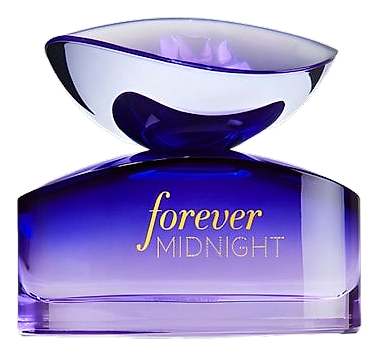
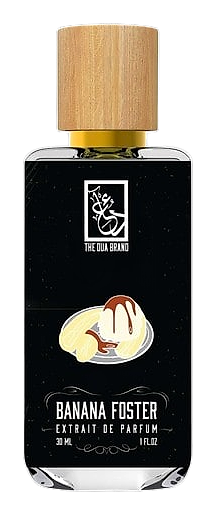
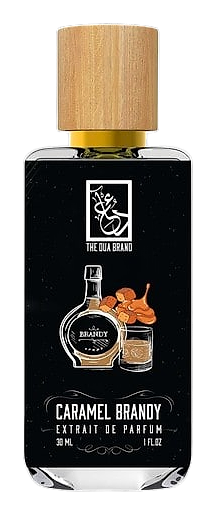
Brands
Brands known for Caramel Liqueur
Good to know
Questions, answered
The essentials on Caramel Liqueur in perfumery: how it smells, where it comes from, and how it behaves on skin.
Is Caramel Liqueur a natural or synthetic ingredient?
It is entirely synthetic. There is no natural source for caramel aroma in perfumery. Perfumers construct this note from laboratory-synthesized materials like furaneol, ethyl maltol, and vanillin to replicate caramelized sugar and spirit notes.
What fragrance families use Caramel Liqueur?
Oriental and gourmand fragrances use this note most frequently. It also appears in modern woody, amber, and even some chypre compositions where formulators want edible warmth without heavy vanilla.
How does Caramel Liqueur differ from simple caramel note?
The liqueur qualifier suggests spirituous depth alongside sweetness. This version typically incorporates whiskey or rum-like molecules such as sotolon, creating complexity beyond basic burnt sugar character.
What ingredients pair well with Caramel Liqueur?
Benzoin, tonka bean, and vanilla amplify its sweetness. For contrast, perfumers pair it with incense, oud, or dark patchouli to prevent the composition from becoming too confectionery-like.
Does Caramel Liqueur perform differently on skin versus fabric?
This synthetic accord generally performs consistently, though its sweetness may soften faster on skin due to body warmth, while fabric can retain the note longer in drydown.
What concentration of Caramel Liqueur is typical in fragrances?
Concentrations vary widely. Flankers and body mists use lower percentages for subtle warmth. Designers targeting the gourmand market may feature it prominently as a heart or signature drydown note.
When did caramel notes become common in mainstream perfumery?
Gourmand fragrances gained traction in the 1990s, with Thierry Mugler Angel pioneering heavy edible notes. Caramel accords became mainstream shortly after, appearing across mass and niche segments by the early 2000s.
Can Caramel Liqueur smell different across perfumes?
Yes. Formulators adjust the ratio of component materials, creating variations ranging from smooth butterscotch to sharp burnt sugar to whiskey-tinged praline depending on the fragrance concept.




