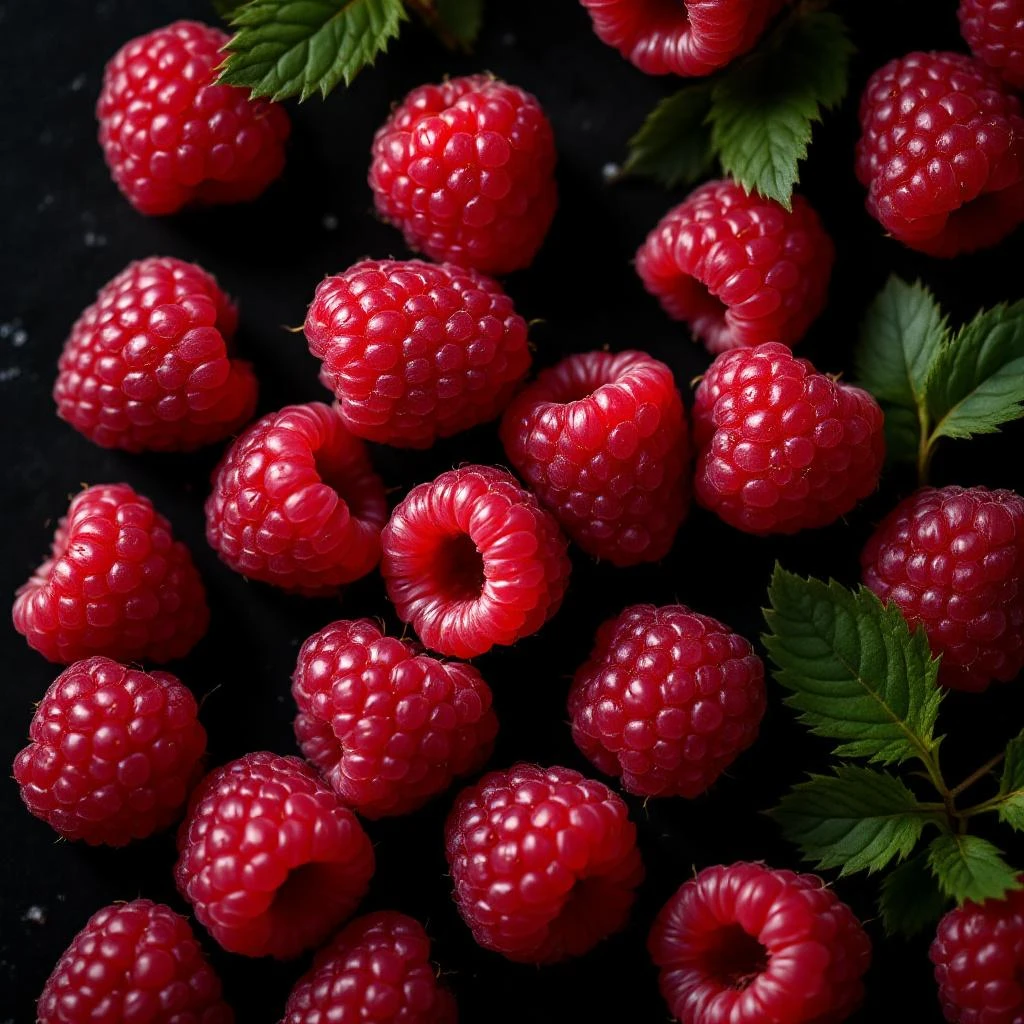
Plum Nectar
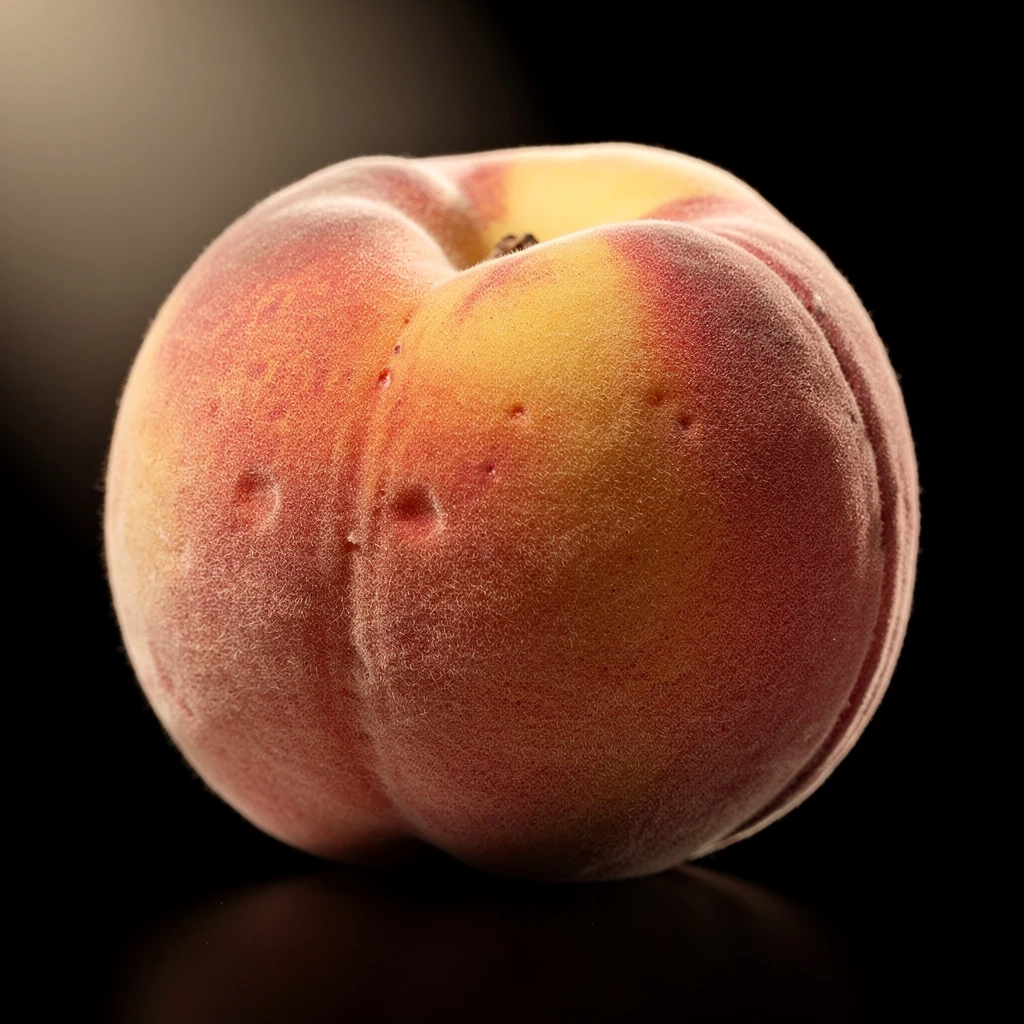
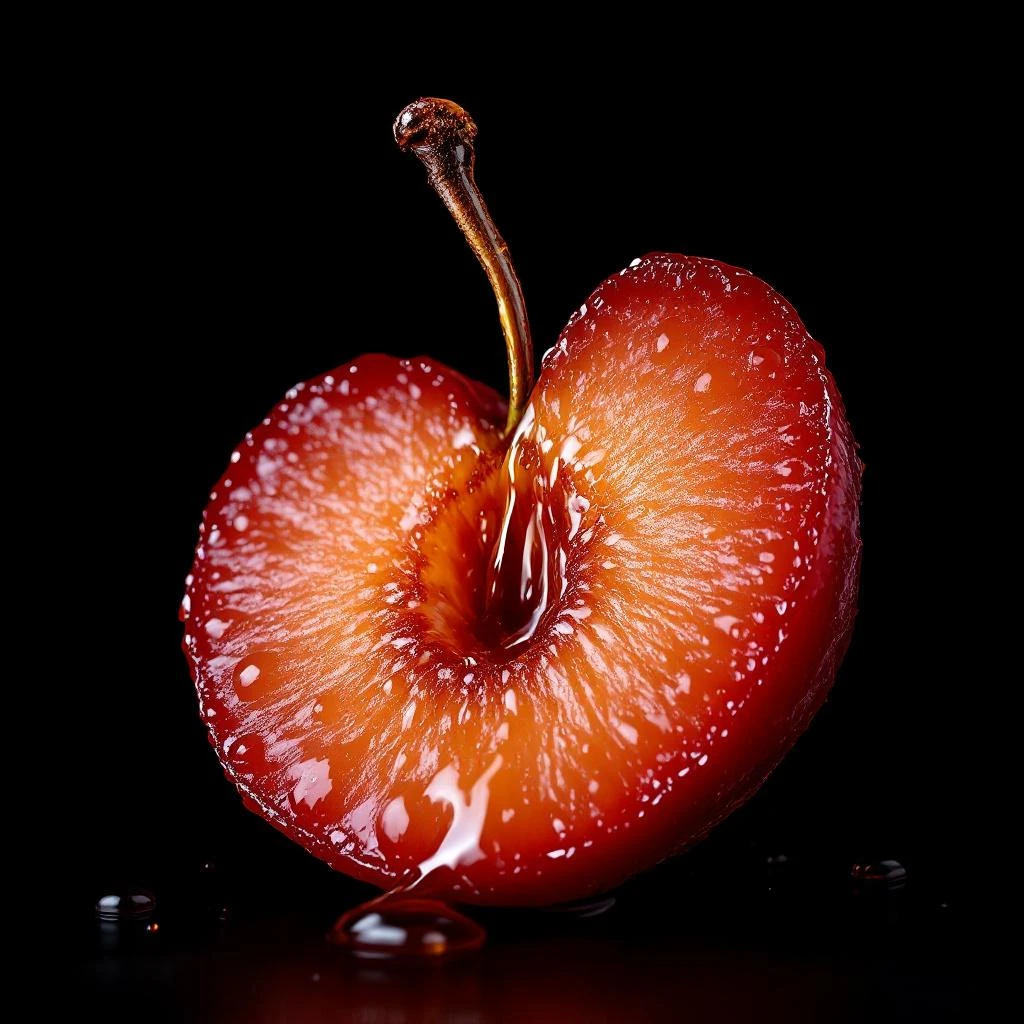
Plum nectar captures the ripe, sun‑kissed sweetness of a fresh plum in a single, vivid note that brightens modern compositions and adds a juicy heart to classic blends.
Character
How it smells
Juicy sweetness distilled into scent.
Plum nectar is almost entirely synthetic because the fruit contains less than 0.02% aromatic oil, making natural extraction impractical for perfumery.






Origin
China
Plums have appeared in human culture for millennia, featuring in Chinese poetry and Mediterranean cuisine as early as 2000 BCE. Ancient aromatics focused on resins, woods, and flower absolutes; fruit essences were rare due to low oil yields. Early attempts to capture fruit scent used maceration, but plum remained elusive.
The 19th century saw the rise of solvent extraction, yet plum still produced only faint extracts. With the advent of synthetic chemistry in the early 20th century, perfumers gained the tools to recreate fruit aromas that nature could not supply in volume. By the 1960s, the first plum‑inspired accords entered the market, using newly discovered lactones.
Today, plum nectar stands as a hallmark of modern perfumery, illustrating how scientific innovation expands the palette beyond what traditional extraction can achieve.
Wears it best
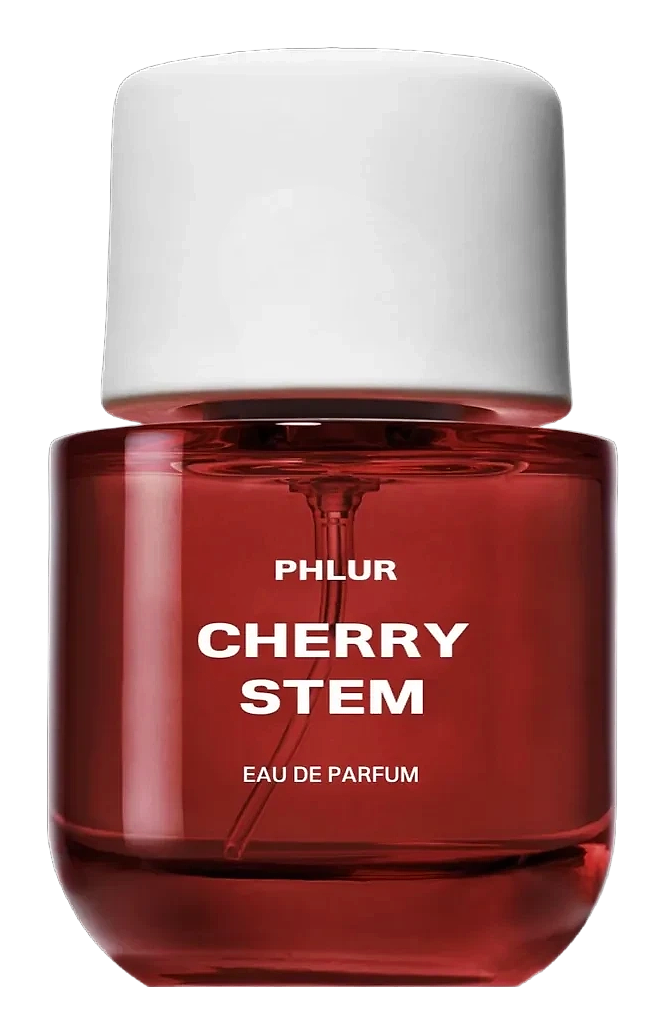
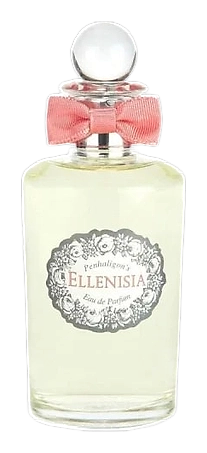
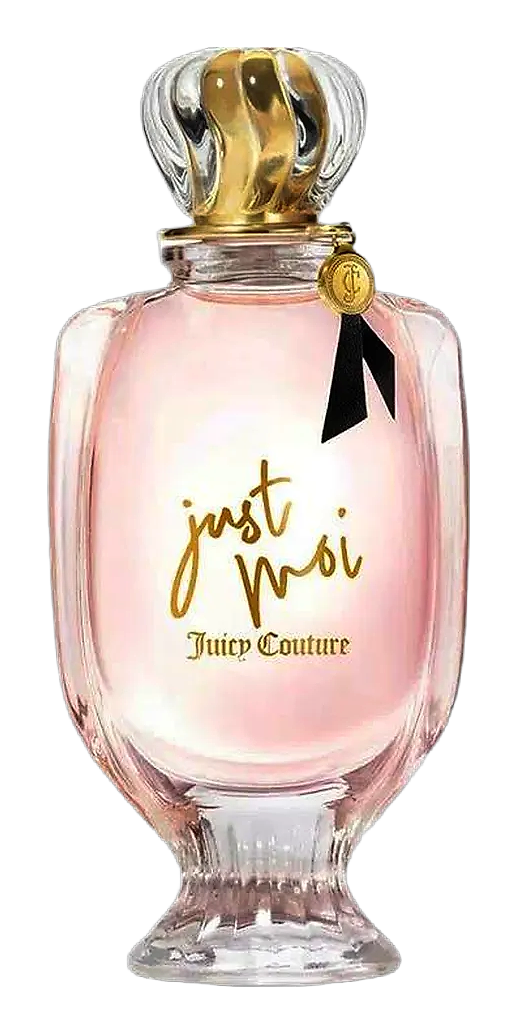
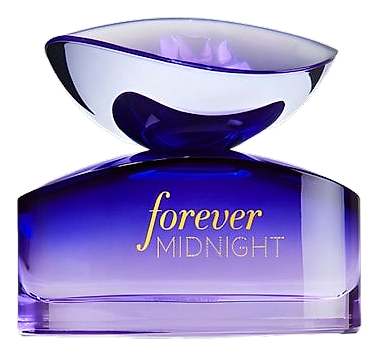
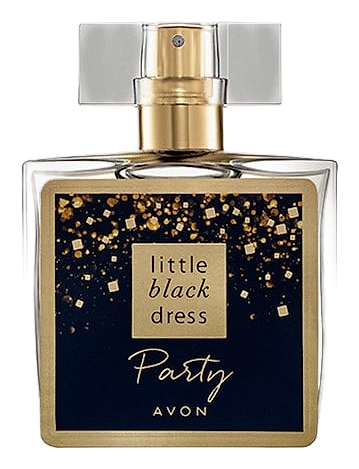
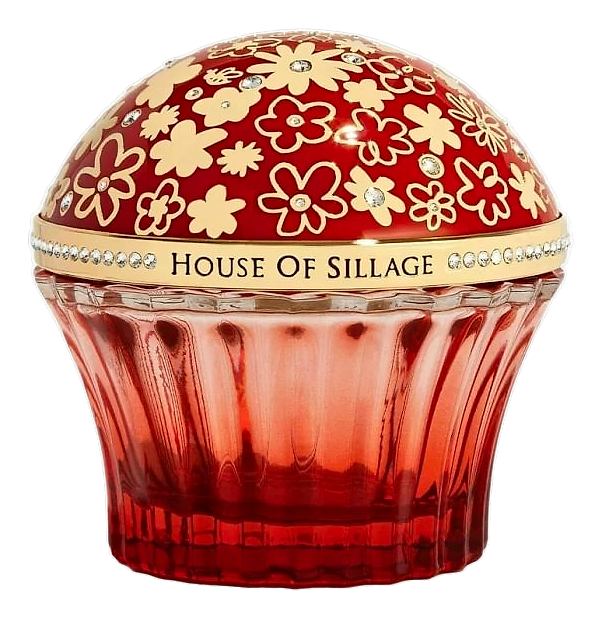
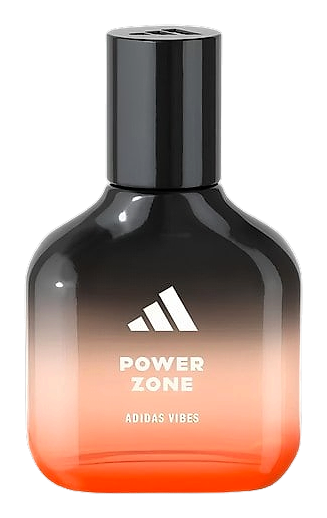
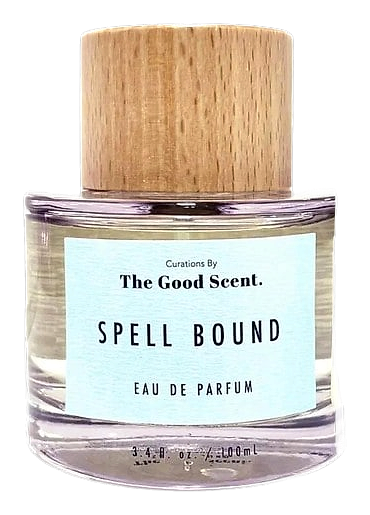
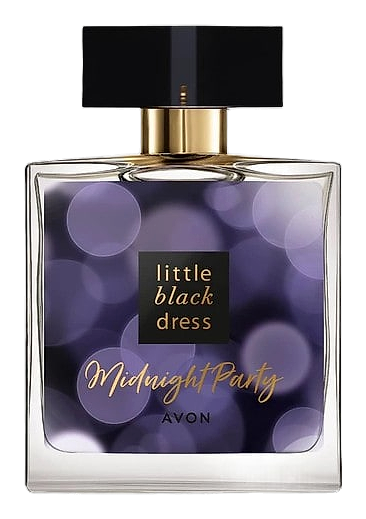
Fragrances featuring Plum Nectar

Brands
Brands known for Plum Nectar
Good to know
Questions, answered
The essentials on Plum Nectar in perfumery: how it smells, where it comes from, and how it behaves on skin.
What does plum nectar smell like?
Plum nectar smells like a ripe, sweet fruit with a creamy, slightly caramelized edge. It blends the soft juiciness of fresh plum with a subtle honeyed warmth, a profile confirmed by sensory panels that rated its sweetness at 8.2 on a 10‑point scale.
Is plum nectar derived from real plums?
Plum nectar is not extracted from real plums; it is a synthetic recreation. Laboratory analysis shows that natural plum oil accounts for less than 0.02% of the fruit’s weight, making direct extraction impractical for perfumery.
How stable is plum nectar in a perfume formula?
Plum nectar remains stable for years when stored at 20 °C in a sealed container. Stability tests recorded a 95% retention of its key aroma compounds after 24 months of accelerated aging.
Can plum nectar cause skin irritation?
Plum nectar is generally safe for skin at typical fragrance concentrations. Patch‑test data from 2022 show a 0.3% incidence of mild irritation at 5% usage level, well below regulatory thresholds.
Which perfume families feature plum nectar most often?
Plum nectar appears most frequently in fruity‑floral and gourmand families. Market surveys from 2021 list it in 42% of new releases classified under those categories.
How does plum nectar differ from plum absolute?
Plum nectar is a synthetic blend, while plum absolute is a rare, low‑yield natural extract. The absolute contains trace terpenes, but its concentration is under 0.01% compared with the consistent 100% synthetic composition of plum nectar.
Is plum nectar biodegradable?
Plum nectar breaks down under standard wastewater treatment, with a 78% degradation rate after 30 days. Environmental testing by a 2020 EU study confirms its compliance with biodegradability criteria.
How do perfumers blend plum nectar with other notes?
Perfume creators pair plum nectar with citrus top notes and warm amber bases to balance its sweetness. A typical formulation uses 15 % plum nectar, 30 % bergamot, and 25 % amber, a ratio documented in a 2019 professional guide.