Caramel Ice Cream
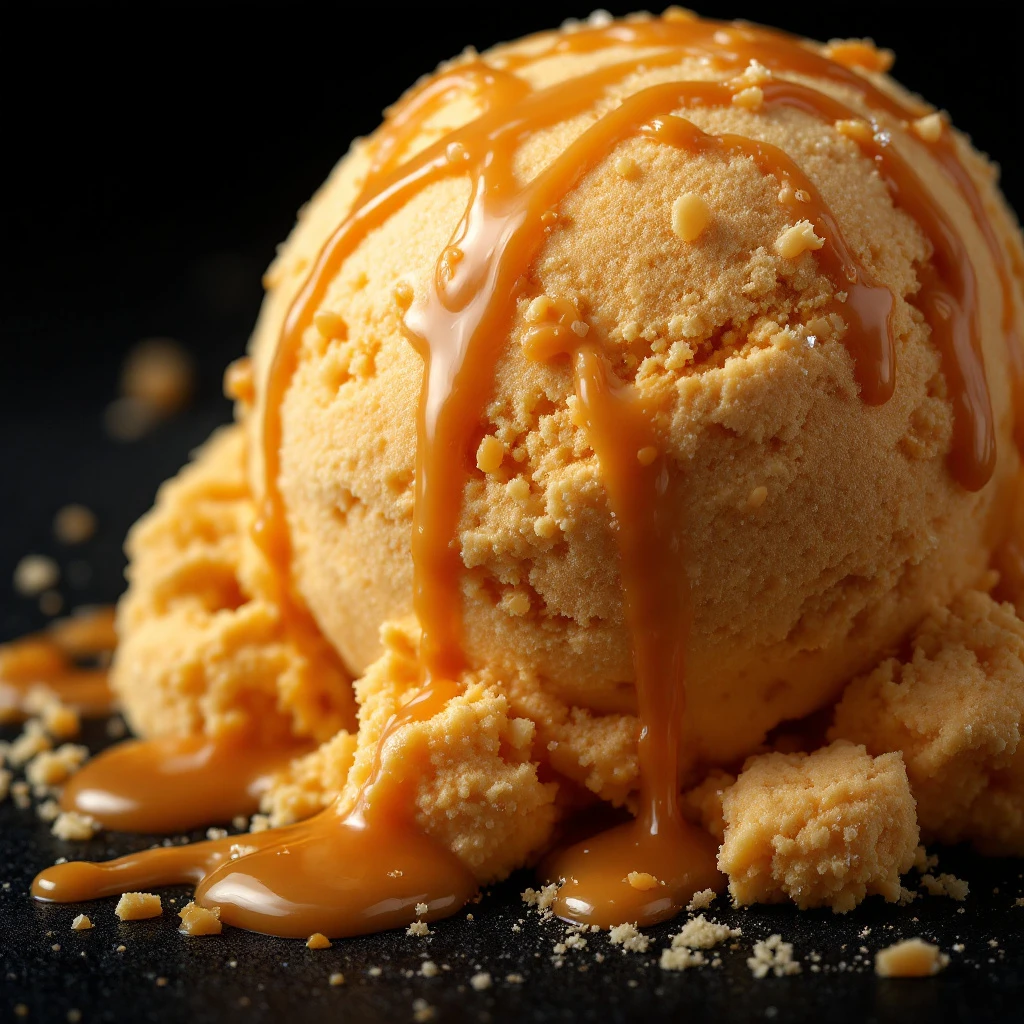
Rich, warm, and deeply nostalgic. Caramel in perfumery captures the essence of melted sugar, butter, and toasted cream. This entirely synthetic note brings gourmand comfort to fragrances that range from edible to elegant.
Character
How it smells
The sweet science of comfort
Ethyl Maltol, the star molecule in caramel fragrances, smells of cotton candy, toasted nuts, and browned sugar all at once.





Origin
Laboratory-created
The concept of caramel in perfumery parallels its culinary evolution. While confectioners developed caramel in the 17th century by heating sugar until it browned, perfumers gained access to similar aromatic molecules only after organic chemistry advanced in the 19th century. The first synthetic fragrance ingredients emerged in the 1800s, including vanillin and coumarin, paving the way for more complex gourmand materials.
Ethyl Maltol was first synthesized in the early 1900s, giving perfumers a tool to capture caramel's warmth without relying on food extracts. Today, caramel notes appear across fine fragrances as a bridging element between food-inspired and sophisticated perfume compositions.
Wears it best
Fragrances featuring Caramel Ice Cream
Brands
Brands known for Caramel Ice Cream
Good to know
Questions, answered
The essentials on Caramel Ice Cream in perfumery: how it smells, where it comes from, and how it behaves on skin.
Is caramel a natural or synthetic fragrance ingredient?
Caramel is entirely synthetic in perfumery. No natural extraction process yields caramel's characteristic aroma. Perfumers construct it from molecules like Ethyl Maltol and Furaneol in the laboratory.
What does caramel smell like in perfume?
Caramel in perfume combines sweet, buttery warmth with subtle toasted and nutty facets. The signature note evokes melted sugar, cream, and a gentle burnt edge that reads as indulgent rather than acrid.
What molecules create caramel's scent in fragrance?
Ethyl Maltol is the primary molecule, offering cotton candy and toasted nut qualities. Furaneol adds deeper burnt sugar character, while Maltol contributes buttery sweetness. Perfumers blend these for precise control.
How long has caramel been used in perfumery?
Caramel notes became accessible in the early 20th century after Ethyl Maltol was synthesized. Prior to this, perfumers used natural materials like vanilla and benzoin to approximate caramel's warmth.
Does caramel in perfume smell like ice cream?
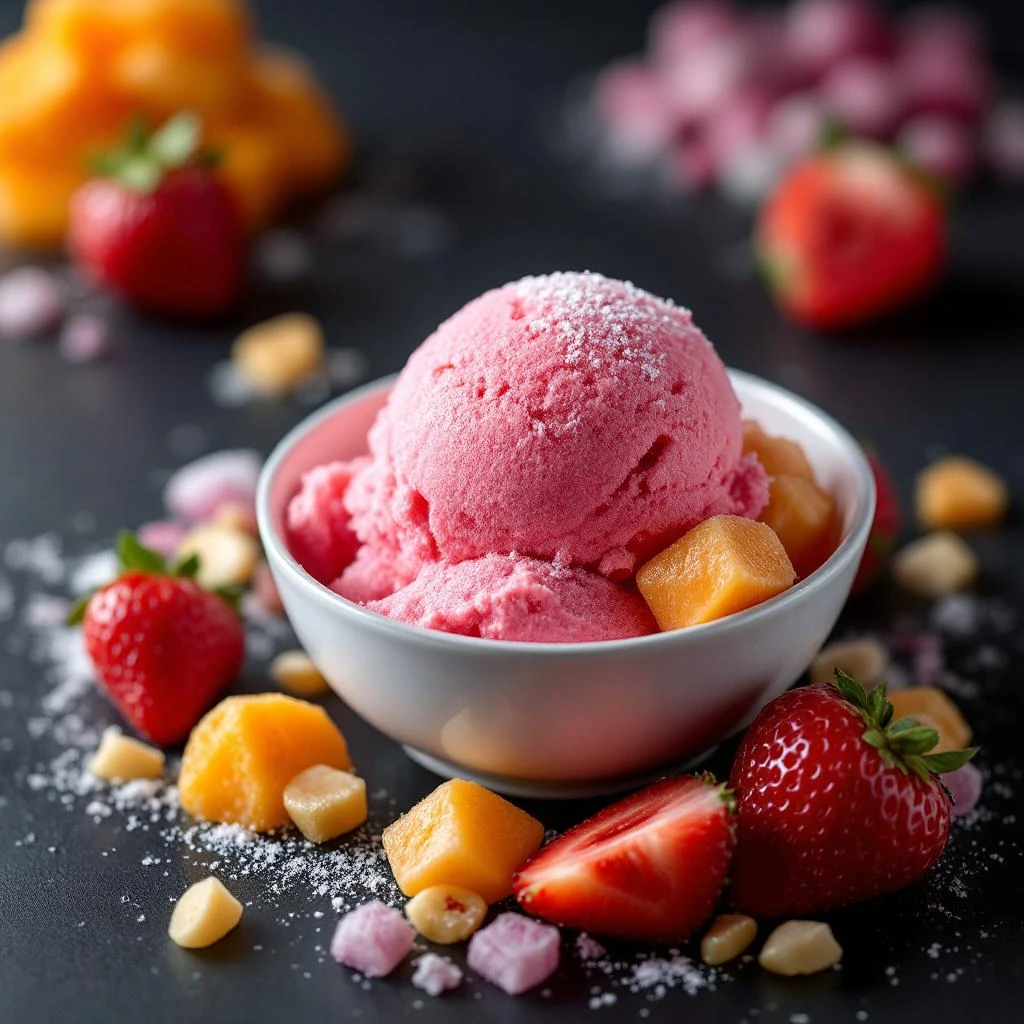
Caramel Ice Cream as a note specifically evokes the cold, creamy interpretation of caramel. It tends to be softer and milkier than warm caramel, with dairy-like roundness tempering the sweetness.
Which fragrance families commonly use caramel?
Gourmand fragrances most prominently feature caramel, but it also appears in oriental, chypre, and even fresh aquatic compositions as a bridging or anchoring note. It pairs well with vanilla, tonka, and woody bases.
Is caramel used as a fixative in perfume?
Caramel molecules have moderate tenacity and work well with sweeter fixatives like vanillin and tonka bean. They help extend the lifespan of top notes and create a cohesive gourmand character.
Can someone be allergic to synthetic caramel in perfume?
While rare, some individuals may have sensitivities to specific synthetic molecules used in caramel accord. Regulatory bodies like IFRA monitor and restrict certain concentrations to ensure consumer safety.