Candied Orange Peel
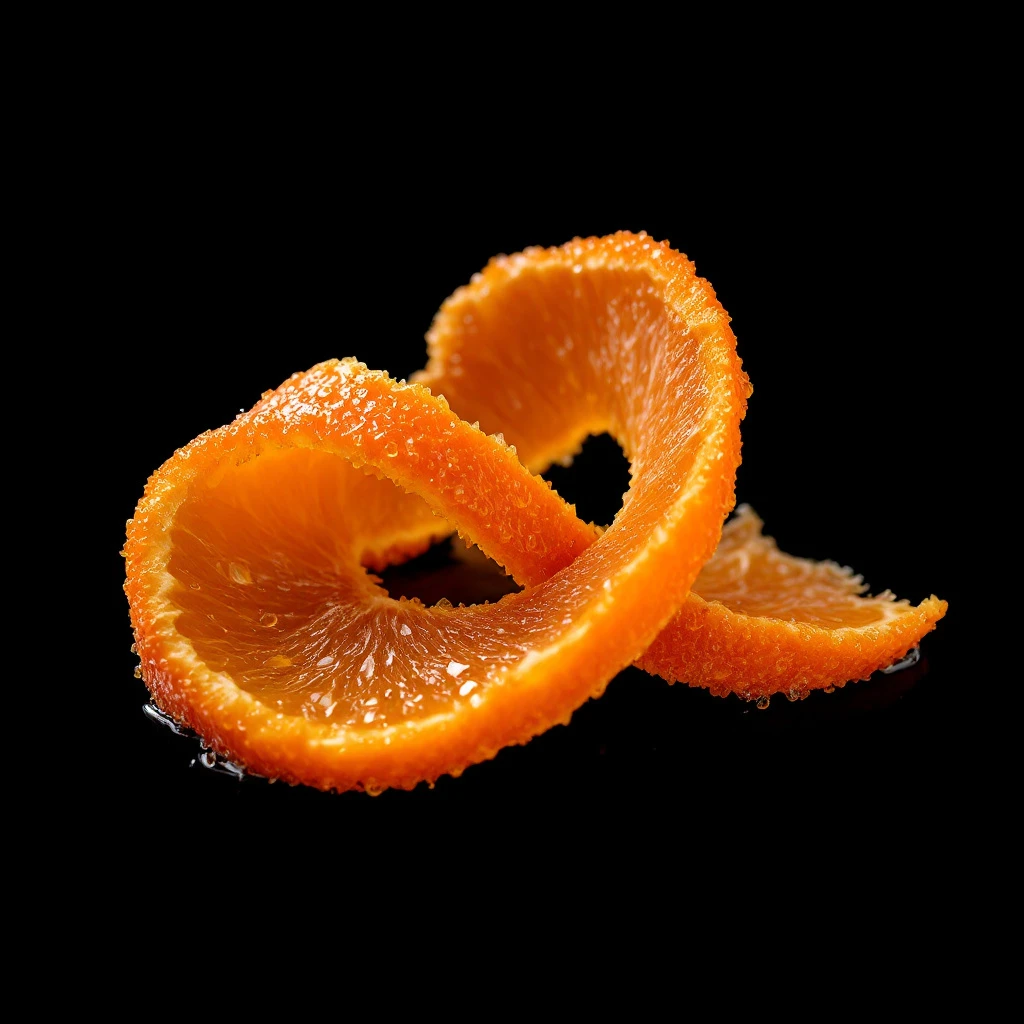
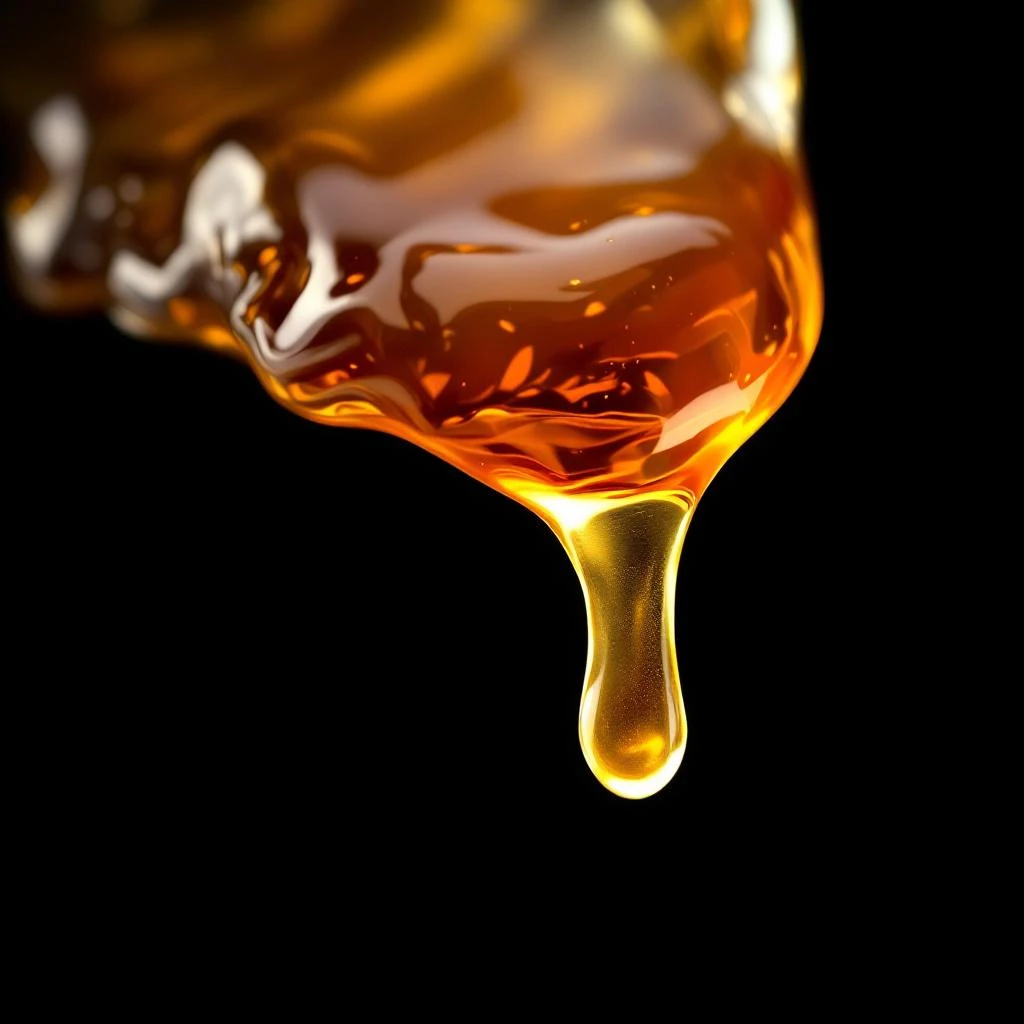
The bright, sugary sweetness of orange peel cooked in syrup until glossy and translucent. A concentrated citrus accord that brings sun-drenched warmth to fragrance compositions.
Character
How it smells
Sun-dried citrus brightness, concentrated.
Ancient Chinese emperors received candied orange peel as tribute gifts, valuing preservation of summer's brightness into winter.



Origin
China
Candied orange peel traces its roots to ancient China, where preservation of citrus represented culinary sophistication and imperial prestige. The technique spread westward along trade routes, appearing in Mesopotamia by the 14th century. Renaissance apothecaries across Europe refined the candying process, discovering that sugar preservation transformed bitter citrus pith into something edible and aromatic.
When the French perfume industry expanded in the 19th century, candied citrus became a signature accent in oriental and citrus compositions. Its journey from medicinal preserve to perfumery ingredient mirrors the broader history of luxury goods moving between kitchen and dressing table.
Wears it best
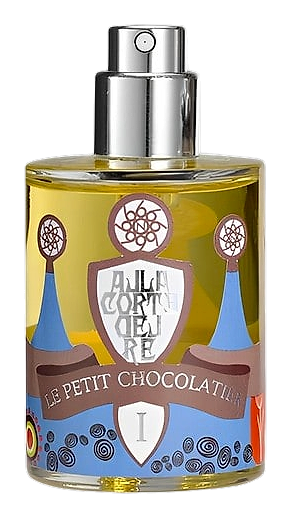
Fragrances featuring Candied Orange Peel
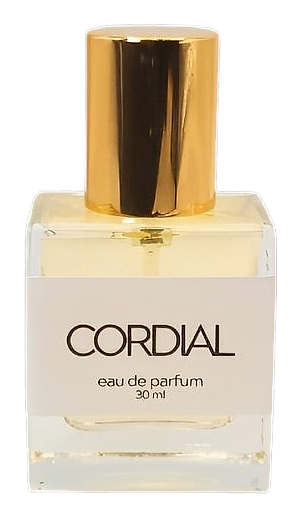
Brands
Brands known for Candied Orange Peel
Good to know
Questions, answered
The essentials on Candied Orange Peel in perfumery: how it smells, where it comes from, and how it behaves on skin.
What does candied orange peel smell like?
Candied orange peel delivers concentrated citrus sweetness with warm, jammy undertones. It lacks the sharp brightness of fresh zest, replacing it with a softer, more complex character that reads as both fruity and slightly bitter.
How is candied orange peel made?
Fresh citrus peel simmers in successively stronger sugar syrups over several days. The sugar gradually replaces water in the plant cells, preserving the peel and creating its signature glossy texture and intensified flavor.
What fragrances use candied orange peel?
Perfumers add candied orange peel to oriental fragrances, citrus colognes, and gourmand compositions. It provides warmth and depth where fresh orange might feel too sharp or fleeting.
Is candied orange peel natural or synthetic?
Candied orange peel is entirely natural, made from Citrus sinensis peel preserved in sugar. The aromatic extract used in perfumery can come from cold pressing fresh peel or solvent extraction of the candied material.
Where does the orange in candied peel come from?
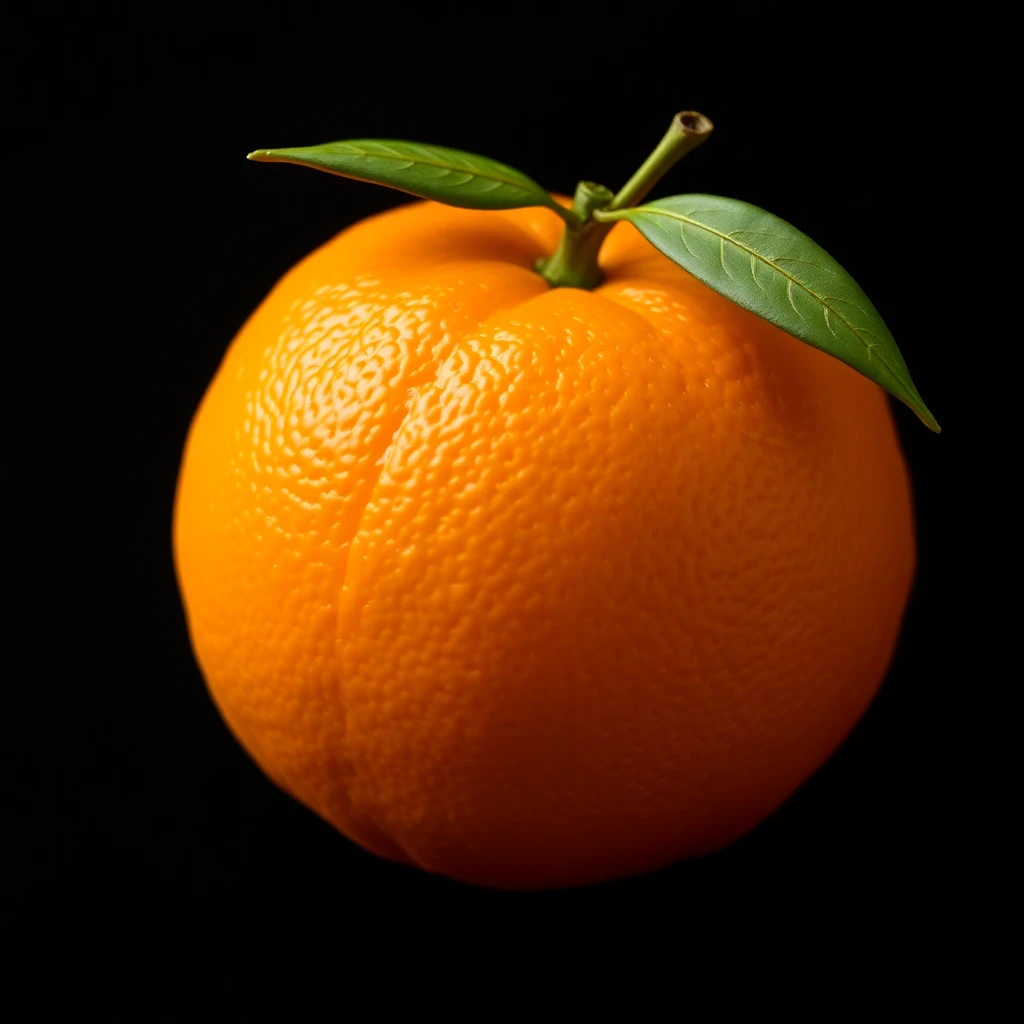
Sweet orange (Citrus sinensis) originated in southern China. Modern cultivation spans warm regions globally, with Spain, Italy, and Florida producing high-quality fruit for both culinary and perfumery use.
How long does candying orange peel take?
Traditional candying requires five to seven days of alternating syrup baths and resting periods. Artisanal producers sometimes extend this to two weeks for superior texture and flavor penetration.
What pairs well with candied orange peel in perfume?
Vanilla, spices, and other citruses complement candied orange peel beautifully. It bridges bright and warm fragrance families, working equally well with cool woods or rich resins.
How does candied orange peel differ from orange essential oil?
Orange essential oil captures volatile citrus molecules through pressing or distillation. Candied orange peel contains these same aromatics plus caramelized sugar notes, offering a rounder, less piercing citrus impression.