Candied Clementine
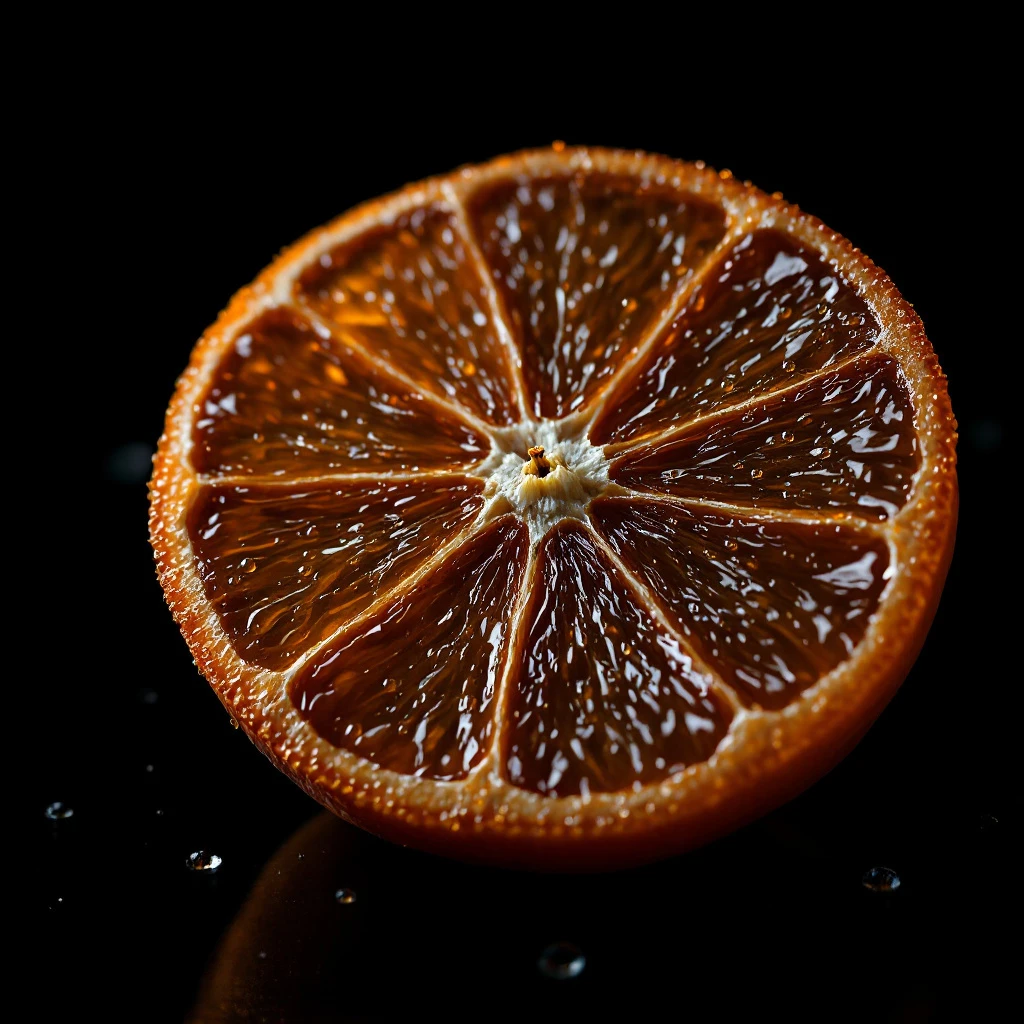
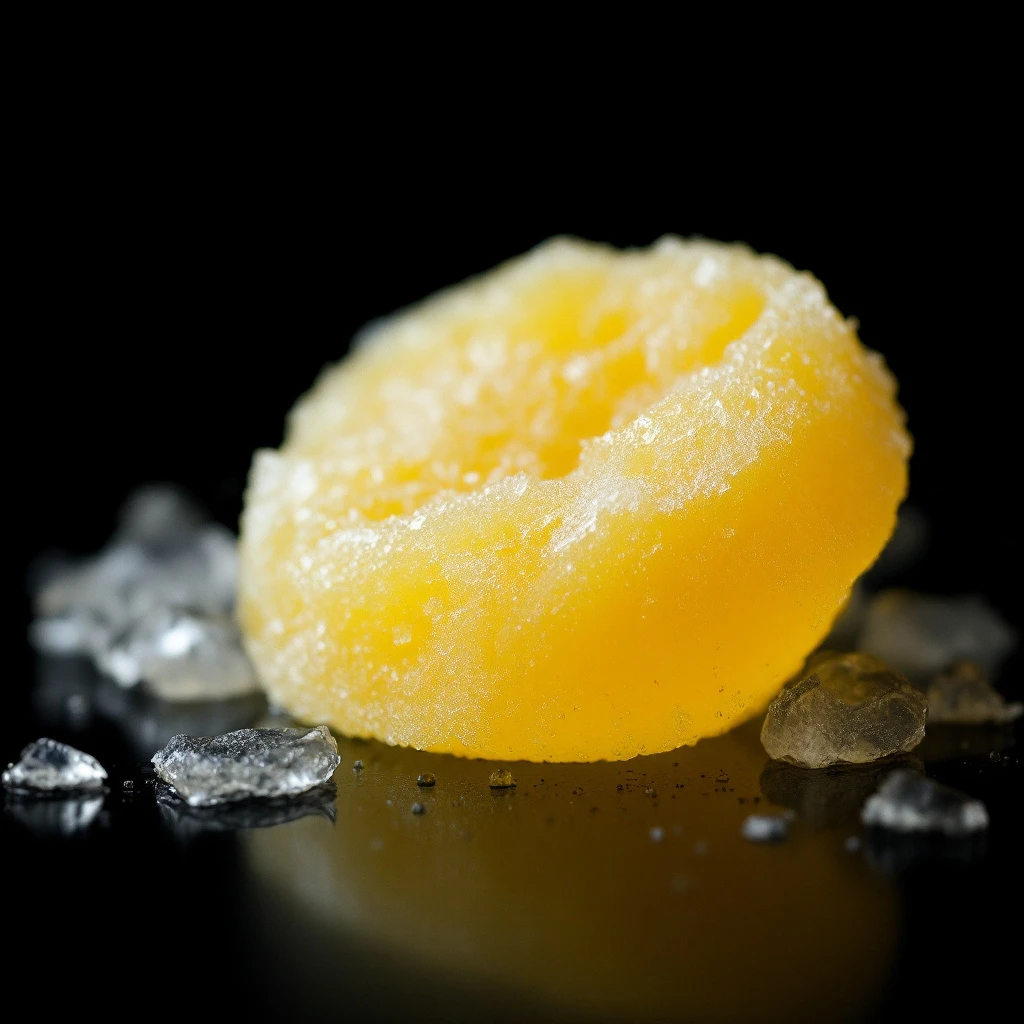
Candied Clementine transforms the sun-drenched citrus into something richer, where sugar成熟的 warmth meets the fruit's golden brightness. This gourmand citrus note captures the moment after harvest, when the fruit is transformed by time and sweetness into a concentrated, edible-smelling essence that perfumers prize for its versatility.
Character
How it smells
Citrus preserved in sweetness, perfected by perfumers.
The candying process dates back to ancient Greek preservation techniques, originally developed to extend fruit's shelf life through winter months.




Origin
Spain
Clementines have graced Mediterranean tables since at least the 19th century, named after Father Pierre Clement, a French missionary who helped cultivate the variety in Algeria. The practice of candying fruit, however, stretches back millennia, with ancient Greeks and Romans preserving citrus in honey.
The true innovation came during France's 19th-century confectionery boom, when sugar became widely available and candied citrus became a luxury treat. Perfumers took notice of this transformed fruit character in the 1990s gourmand movement, when edible-smelling fragrances surged in popularity.
They recognized that candied fruit offered something fresh citrus could not: warmth, sweetness, and a cooked-fruit quality that evoked comfort and indulgence. Today Candied Clementine appears across masculine and feminine fragrances, prized for its ability to add juiciness without the fleeting nature of fresh citrus top notes.
Wears it best
Fragrances featuring Candied Clementine
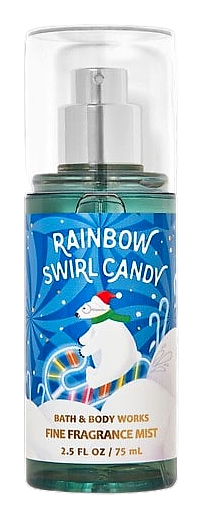
Brands
Brands known for Candied Clementine
Good to know
Questions, answered
The essentials on Candied Clementine in perfumery: how it smells, where it comes from, and how it behaves on skin.
What does Candied Clementine smell like?
It smells like clementine reduced into a sweet, syrupy concentrate with warm, slightly caramelized edges. The bright citrus character remains but gains sugary depth and a cooked-fruit quality that reads as distinctly edible.
Is Candied Clementine a natural or synthetic ingredient?
It is typically nature-identical, meaning chemists recreate the candied fruit aroma using synthesized aroma compounds that match natural clementine chemistry. Some artisan producers offer actual candied fruit extracts.
Where does candied clementine appear in a fragrance pyramid?
It functions as a heart-note modifier, adding warmth and sweetness to citrus openings while extending their wear. Its edible character makes it popular in gourmand and fruity fragrance constructions.
How long does candied clementine last in a fragrance?
Nature-identical versions offer moderate tenacity, typically lasting 3-5 hours depending on concentration and formulation. The candying process in natural extracts helps concentrate and stabilize the aroma compounds.
Which fragrance families pair well with Candied Clementine?
It complements woody and ambery bases beautifully, adding brightness to sandalwood or cedar. It also bridges fresh citrus accords into warmer gourmand territory when combined with vanilla, caramel, or tonka.
Does Candied Clementine smell different from regular clementine?
Yes, significantly. Fresh clementine reads as bright, zesty, and almost青涩. Candied Clementine adds warmth, sugary depth, and a cooked-fruit quality that feels rounder and more indulgent.
What chemical compounds create the candied character?
Limonene provides the core citrus foundation, while furaneol and maltol contribute caramelized, sugary notes. Aldehydes add lift while ester compounds round the overall impression into something distinctly fruit-sweet.
Can Candied Clementine be used year-round?
It adapts well across seasons but shines brightest in fall and winter fragrances where its warmth complements heavier notes. In spring and summer formulations, it adds sweetness without the intensity of heavier gourmand ingredients.