Cananga
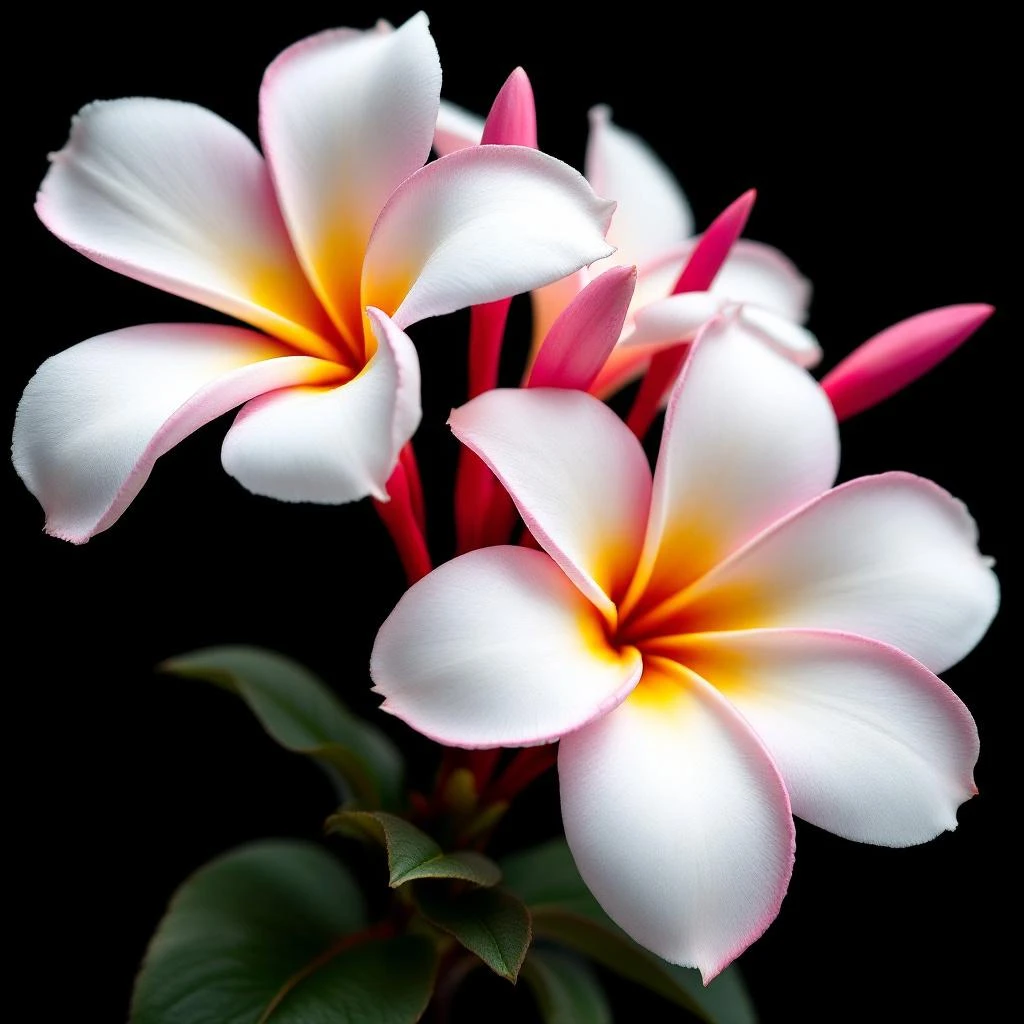
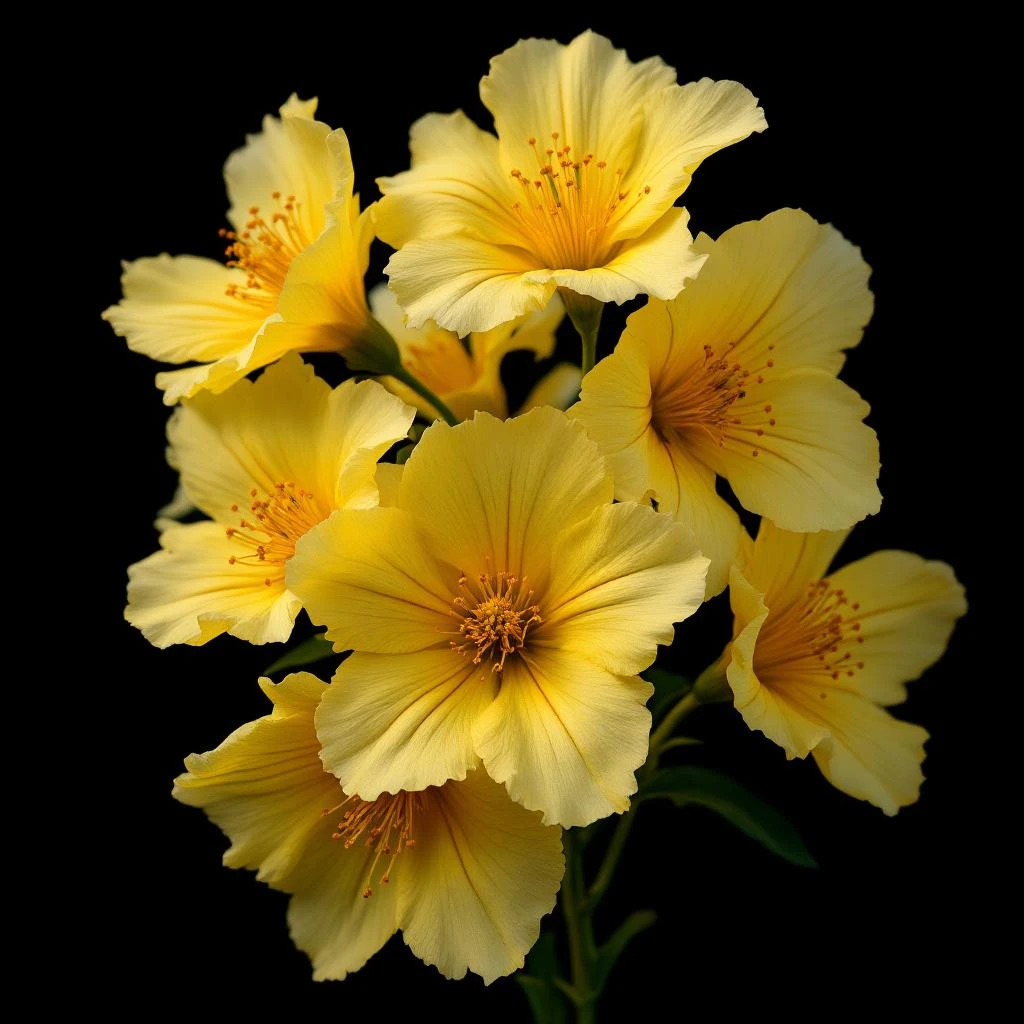
Cananga odorata, known as Ylang-Ylang, yields a sweet, intensely floral essential oil with tropical fruit and creamy undertones. Perfumers value it as a heart-to-base note that adds warmth and richness to floral, chypre, and oriental compositions. Its versatility has made it a fixture in fine perfumery and cosmetics since the late 19th century.
Character
How it smells
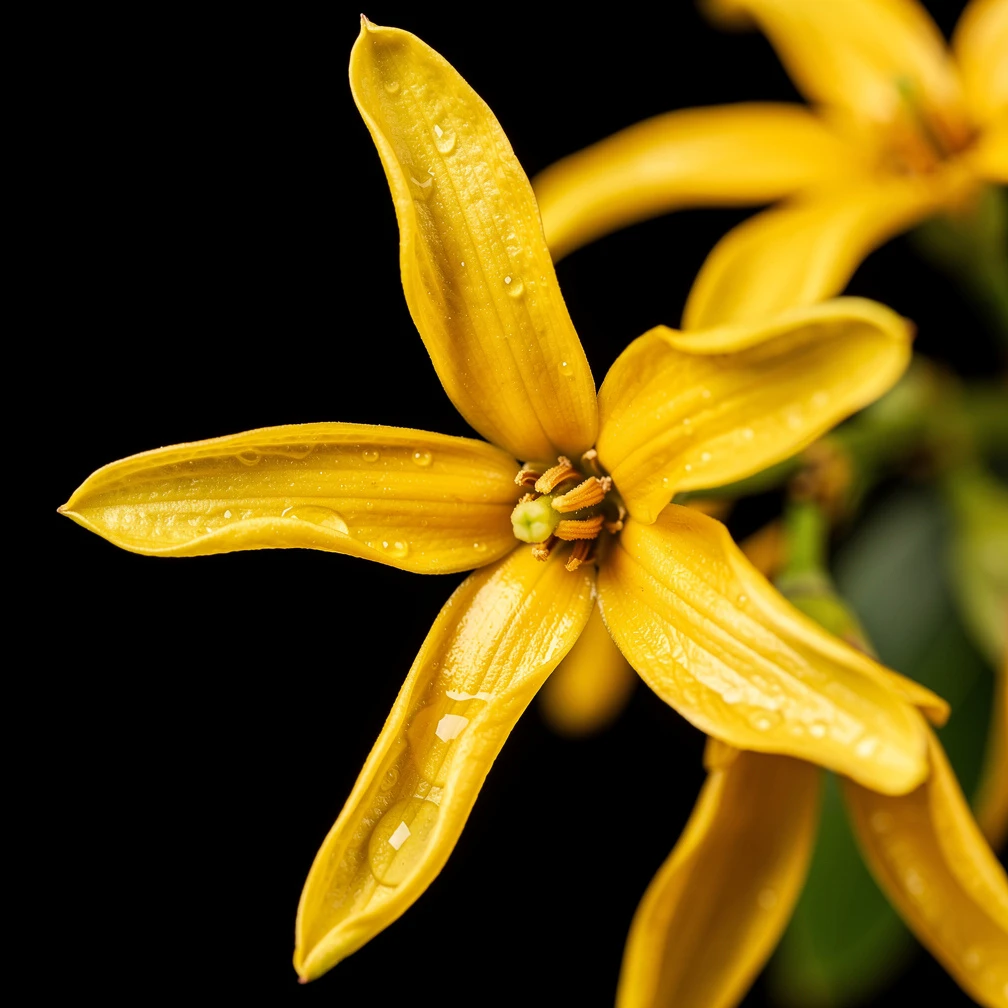
A tropical flower whose intoxicating sweetness has perfumed the world since 1860.
A single 100-kilogram batch of Ylang-Ylang flowers yields only 2 kilograms of essential oil, making each drop exceptionally concentrated.


Origin
Indonesia
The Ylang-Ylang tree originated in the Maluku Islands of eastern Indonesia, where local communities used its intensely fragrant flowers in wedding ceremonies and religious rituals for centuries before global recognition. Its journey into modern perfumery began in 1860 when Albert Schwenger established the first commercial distillation laboratory in Manila, introducing the flower to international markets.
The name derives from the Tagalog term "ylang-ylang," meaning漂流 referring to the way the flowers sway in tropical breezes. By the 1880s, the fragrance had gained substantial traction in European perfumery, with documented US usage reaching approximately 76,000 pounds annually.
The Comoros Islands and Mayotte later became significant producers, cultivating the tree extensively for the French fragrance industry. Today, Cananga remains one of the most recognizable ingredients in perfumery, bridging its Southeast Asian heritage with global olfactory culture.
Wears it best
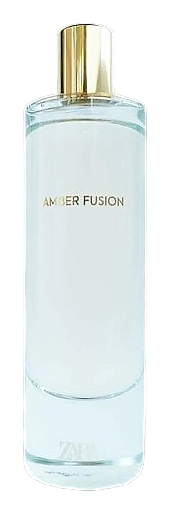
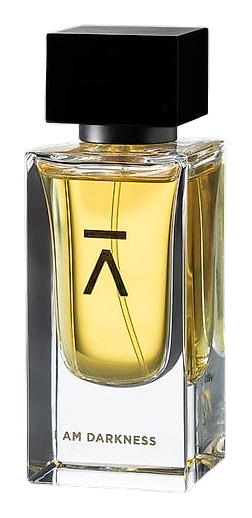
Fragrances featuring Cananga
Good to know
Questions, answered
The essentials on Cananga in perfumery: how it smells, where it comes from, and how it behaves on skin.
What does Cananga smell like in perfume?
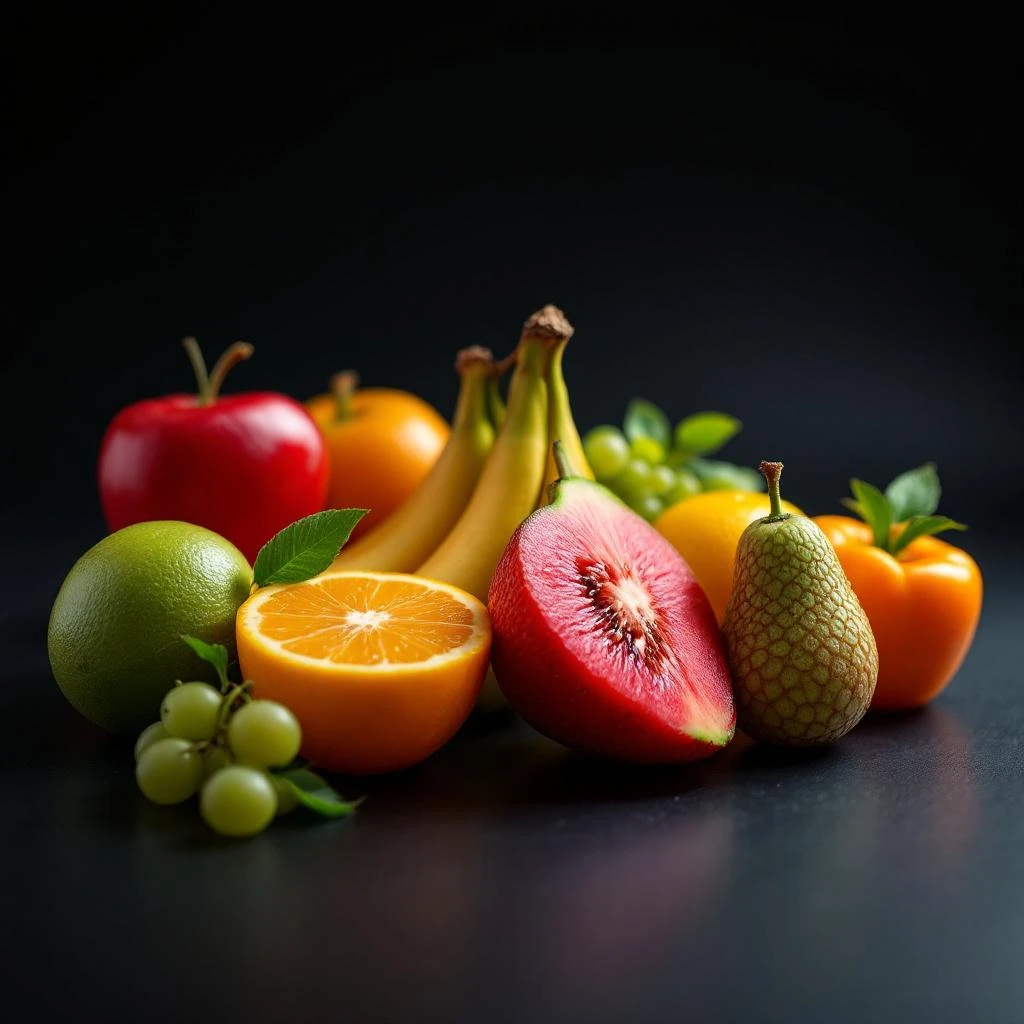
Cananga oil has an intensely sweet, floral aroma with tropical fruit nuances and creamy undertones. Its profile combines jasmine-like florals with banana and rubber-like facets, creating a warm, exotic character that works as both floral and fruity in composition. The scent is heady, almost narcotic in its richness.
Why is Cananga used in perfumery?
Cananga provides exceptional versatility, functioning as both floral and fruity accord simultaneously. Perfumers use it to add warmth, volume, and sensuality to compositions without requiring synthetic modifiers. Its fixative properties also help retain lighter top notes, extending fragrance longevity on skin.
Is Cananga in perfume natural or synthetic?
Cananga oil is naturally derived from Cananga odorata flowers through steam distillation. Natural Cananga has been used in fragrances since the 1880s, with documented US usage around 76,000 pounds annually. Synthetic alternatives exist but lack the complexity of the natural material, which contains over 100 identified aromatic compounds.
What famous perfumes contain Cananga?
Iconic fragrances featuring Ylang-Ylang include Chanel No. 5, which helped establish its celebrity status in perfumery. Other notable mentions include Diorissimo by Frederic Malle, Tom Ford Black Orchid, and numerous chypre and oriental classics that rely on its rich, warm floral character.
Is Cananga a top note, heart note, or base note?
Cananga functions primarily as a heart-to-base note in perfumery. While it has initial impact, its true character emerges in the mid-to-drydown phases where it contributes warmth and lasting depth. The oil's molecular weight ensures reasonable volatility for top presence while demonstrating strong substantivity in the base.
What notes pair well with Cananga in perfume?
Cananga harmonizes naturally with other florals such as jasmine, rose, and tuberose, amplifying their richness. Woody materials like sandalwood and vetiver ground its sweetness, while citrus oils and spices like bergamot and cardamom add complementary brightness and complexity to the overall composition.
Where does Cananga come from?
Cananga odorata is native to Southeast Asia, specifically the Philippines, Indonesia, and surrounding regions. The tree thrives in tropical climates, and major production areas include Java, Sumatra, and the Philippines. Flowers are harvested by hand and distilled locally, preserving traditional expertise in these growing regions.
Is Cananga used in men's or women's fragrances?
Cananga transcends gender boundaries in contemporary perfumery, appearing equally in masculine and feminine compositions. Its warm, sensual floral character complements woody and spicy masculine bases effectively, though historically it appeared more frequently in women's fragrances. Modern formulations leverage its versatility across fragrance families.