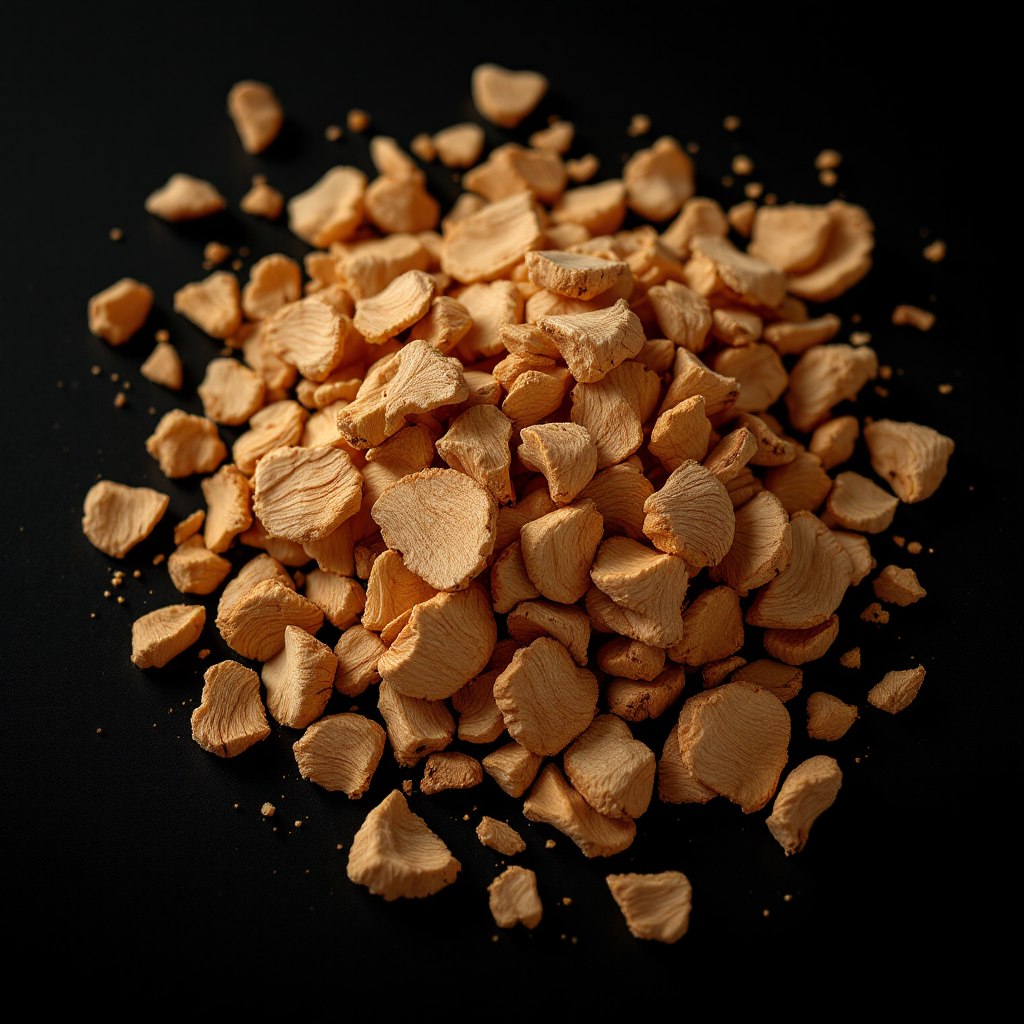
Canadian Hemlock Needle
Canadian Hemlock Needle oil captures the crisp, forest-floor character of Eastern hemlock forests. Its needles yield a versatile oil prized for creating aromatic connections to nature in fragrance.
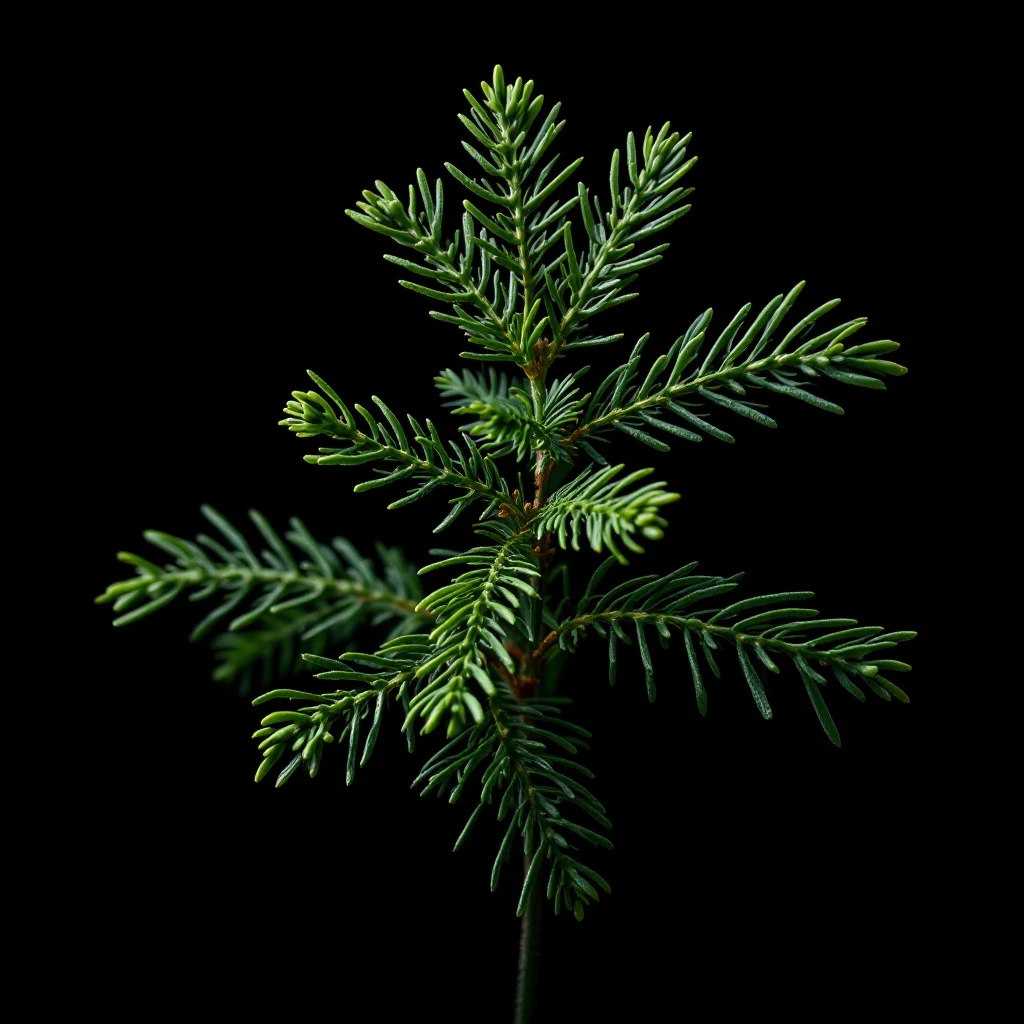
Character
How it smells
Crisp air from the Boreal forest, bottled.
The same tree that once tanned American leather now brings its needle oil to fine fragrance.




Origin
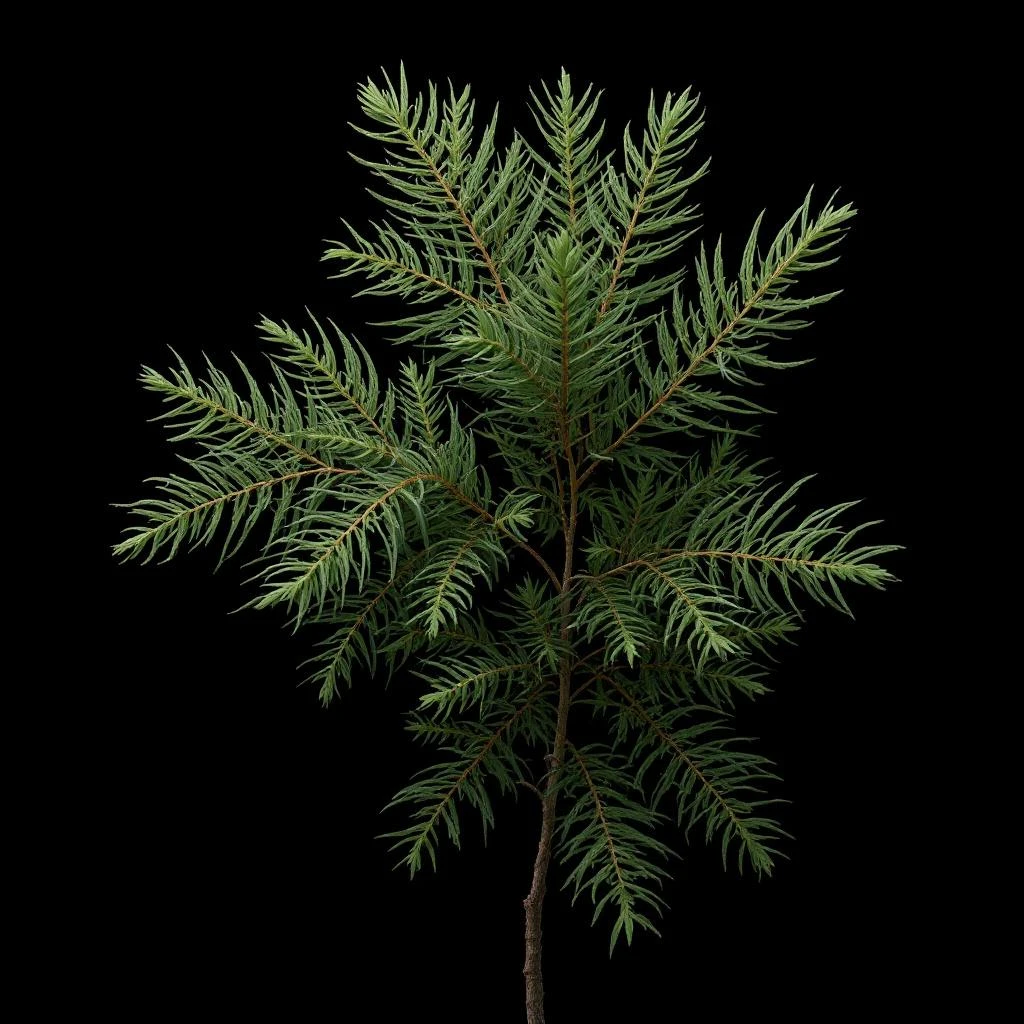
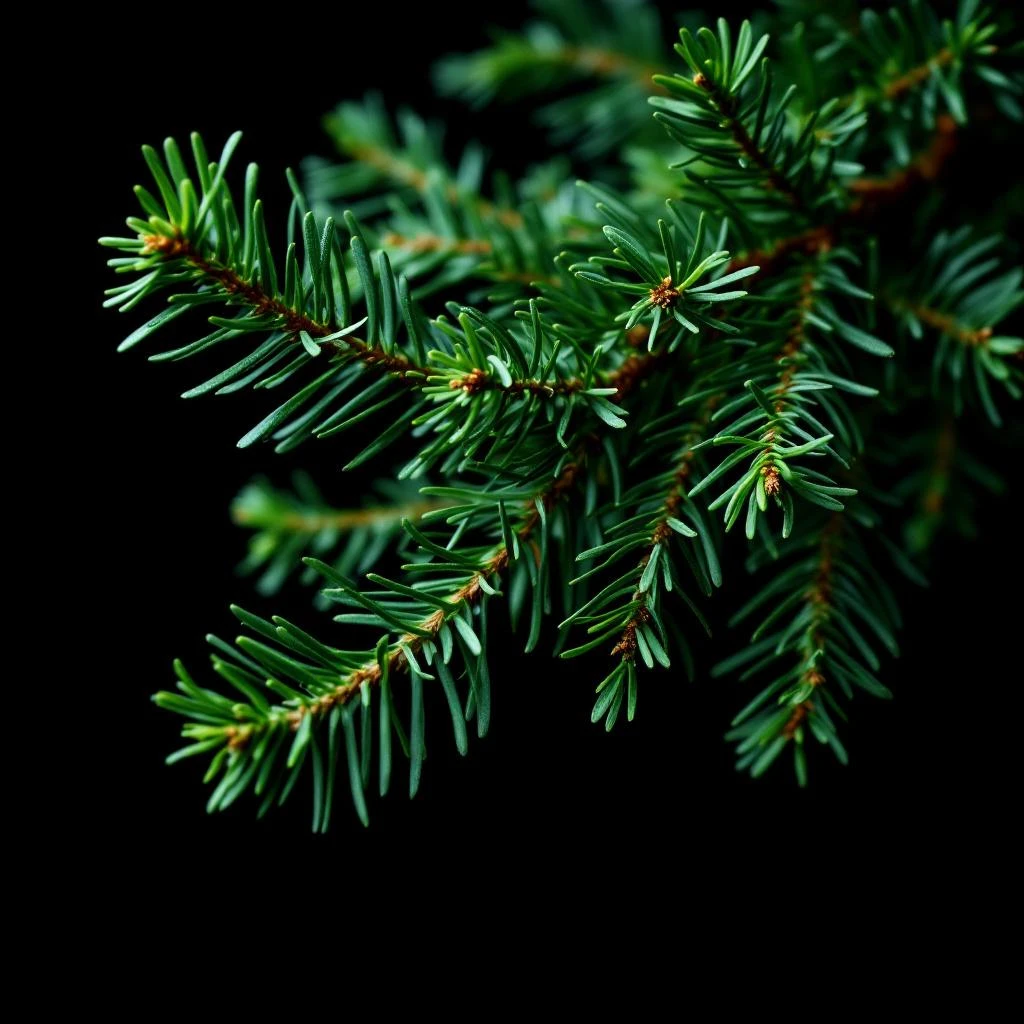
Canada
Eastern hemlock shaped early American industry. Before synthetic tannins arrived in the early 20th century, hemlock bark provided the primary tanning agent for leather production across the northeastern United States and eastern Canada. Some larger tanneries consumed thousands of cords of bark annually.
The tree also supported wildlife across its native range, providing shelter and food for numerous species. Indigenous peoples used various parts of the tree for medicinal purposes. Fragrance applications for the needle oil emerged more recently, as perfumers sought authentic aromatic materials that evoke natural landscapes.
Today, the Boreal forest supplies the raw material that brings this historic tree into modern perfumery.
Wears it best
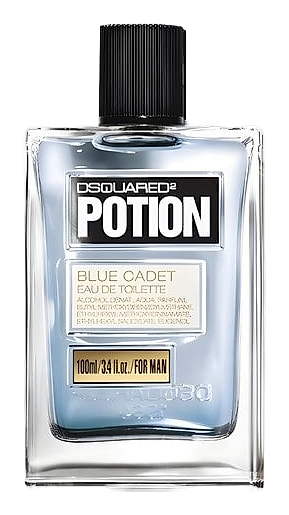
Fragrances featuring Canadian Hemlock Needle
Brands
Brands known for Canadian Hemlock Needle
Good to know
Questions, answered
The essentials on Canadian Hemlock Needle in perfumery: how it smells, where it comes from, and how it behaves on skin.
What does Canadian Hemlock Needle oil smell like?
It has a fir-like, woody, herbal, and earthy aroma. The scent is fresh and green with subtle resinous undertones, evoking a walk through a Canadian forest.
Where does Canadian Hemlock Needle oil originate?
It comes from Tsuga canadensis growing in the Canadian Boreal forest. Steam distillation of the needles and young twigs yields the essential oil.
Is Canadian Hemlock Needle oil safe for skin use?
Like most conifer needle oils, proper dilution is required for topical application. Consult safety guidelines before using in body care formulations.
How do perfumers use this ingredient?
Fragrance creators use it in outdoor and holiday-themed blends. Its profile helps bridge green, woody, and resinous notes in fragrance compositions.
How does this differ from spruce or fir needle oils?
Hemlock needle oil has a distinct earthy quality that sets it apart from other conifer needle oils, with a more herbal character than pure fir or spruce.
When is the raw material harvested?
Late summer harvest produces the highest oil content in hemlock needles, when volatile compound concentration peaks in the plant material.
What is the historical significance of the Eastern hemlock tree?
Before synthetic alternatives appeared in the early 1900s, hemlock bark was the primary source of tannin for the American leather industry, with large tanneries consuming thousands of cords annually.
What part of the hemlock tree is used for oil production?
The needles and young twigs yield the essential oil through steam distillation, not the bark that historically served the leather industry.