Cake Batter
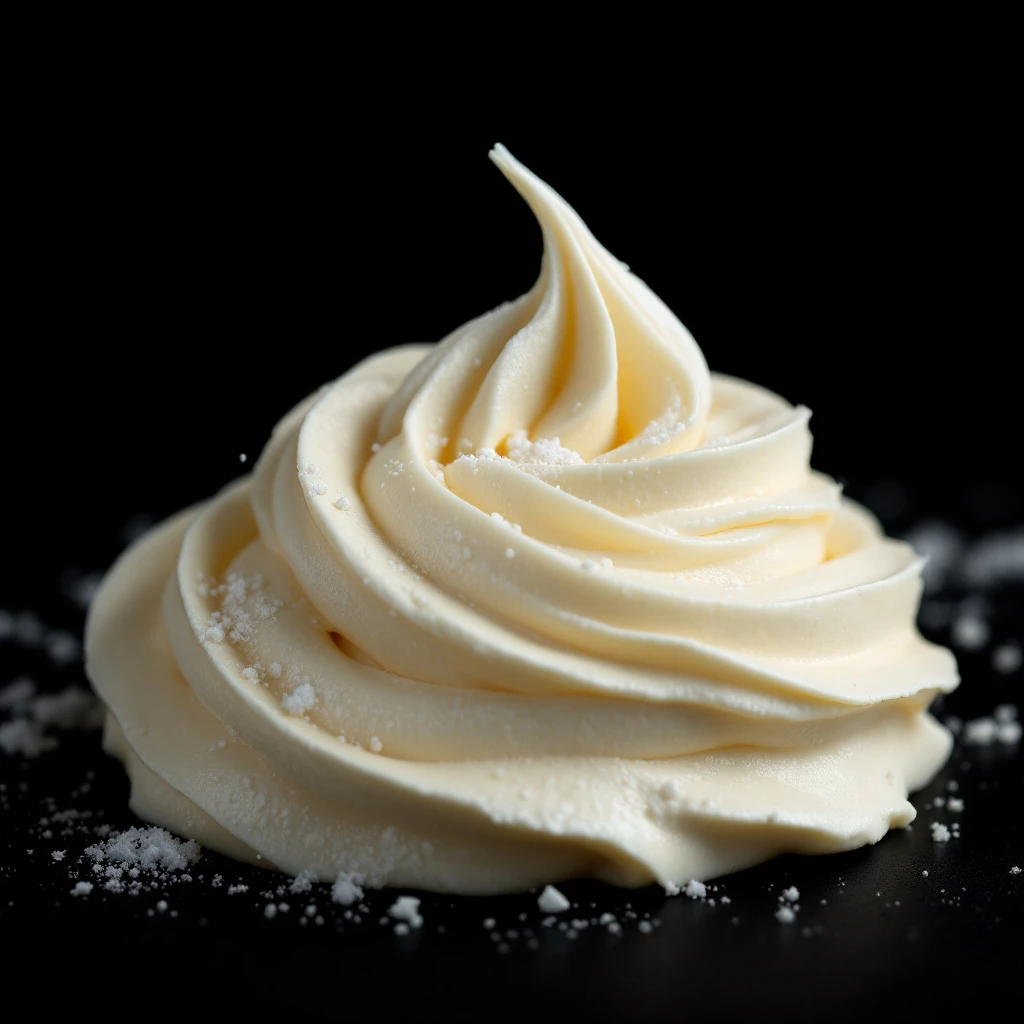
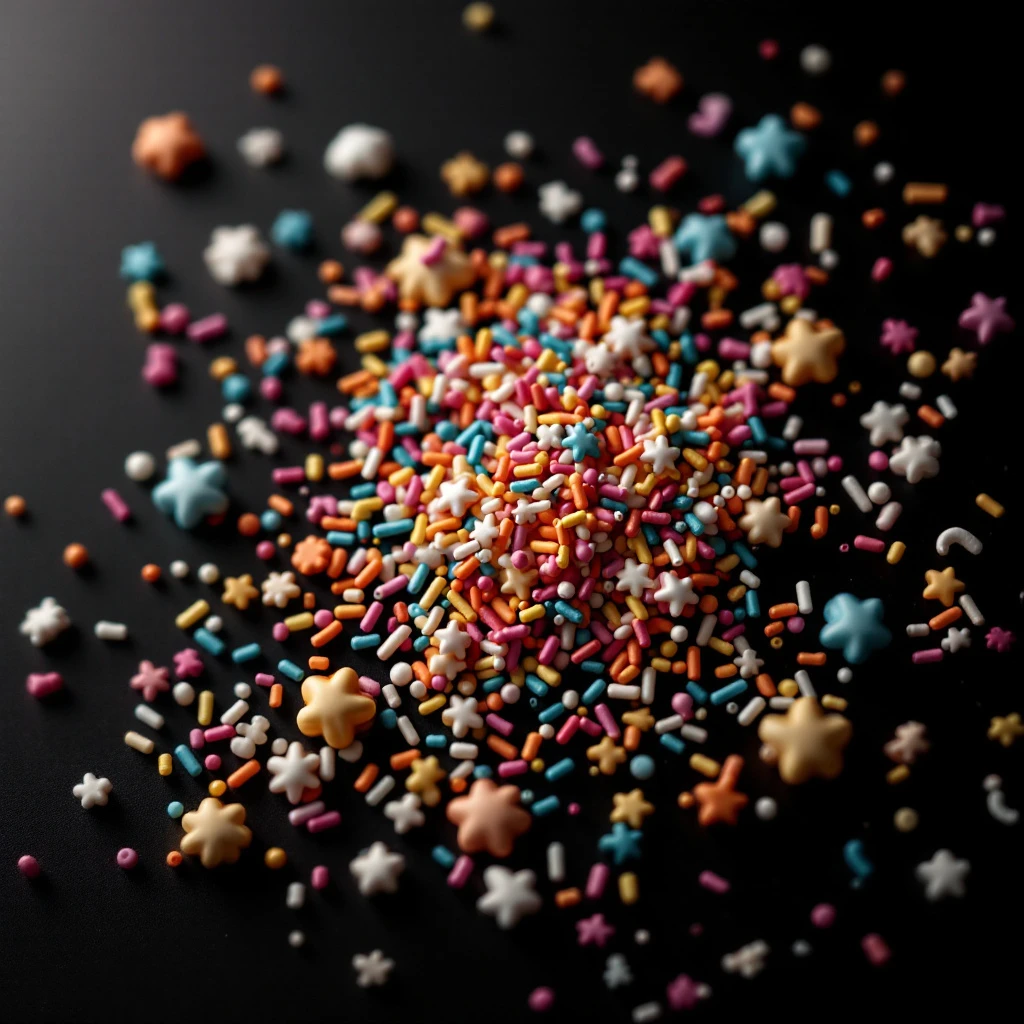
Cake Batter captures the warm, sweet nostalgia of fresh vanilla cake mix—the edible comfort of buttercream frosting meeting golden-brown crust before it ever hits the oven.
Character
How it smells
The edible comfort of a birthday party
Modern perfumers recreated cake batter's aroma by combining vanillin with coconut-lactone and heliotropin—creating a scent that exists nowhere in nature but feels instantly familiar.



Origin
France
The cake batter accord emerged from the gourmand movement that transformed perfumery in the late 20th century. When chemists first isolated vanillin from vanilla beans in 1858 and later synthesized it in 1874, they unlocked the ability to recreate edible notes artificially. This breakthrough paved the way for perfumers to construct entire culinary experiences synthetically.
Cake batter became a signature note in the 2000s as playful, food-inspired fragrances gained popularity, appealing to those seeking comfort and nostalgia in their scents. Today it appears across collections from mass-market to luxury, proving that synthetic chemistry can capture emotional moments—the smell of a childhood birthday—more precisely than any natural ingredient could.
Wears it best
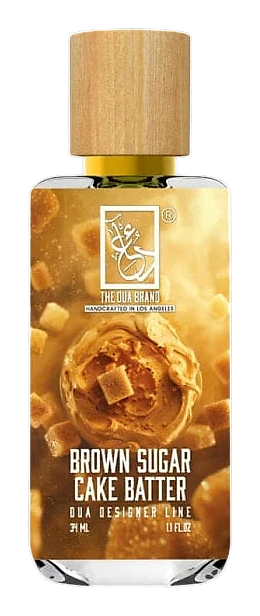
Fragrances featuring Cake Batter

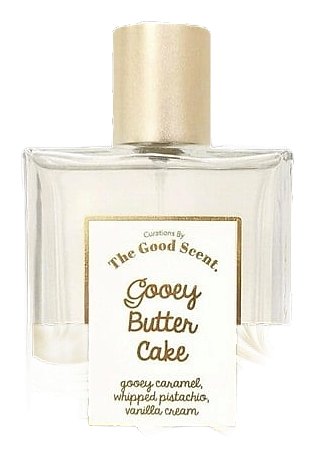
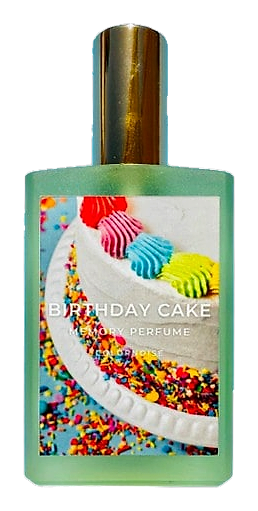
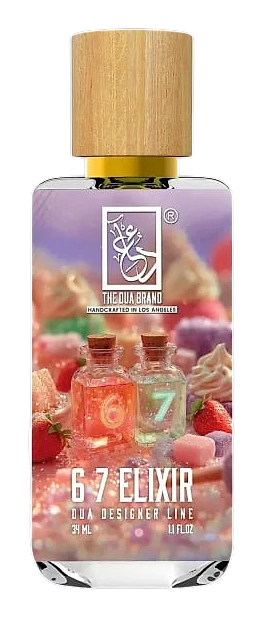

Brands
Brands known for Cake Batter
Good to know
Questions, answered
The essentials on Cake Batter in perfumery: how it smells, where it comes from, and how it behaves on skin.
Is cake batter a natural ingredient in perfume?
No. Cake Batter is a constructed fragrance accord made entirely from synthetic aromatic chemicals. No plant or natural source produces the cake batter smell—it exists only through perfumer chemistry.
What gives cake batter its characteristic aroma?
The scent combines vanillin for creamy vanilla, gamma-decalactone for buttery richness, coumarin for toasted flour, and heliotropin for sweet, almond-like depth. These chemicals together create the unmistakeable batter smell.
When did cake batter enter perfumery?
Gourmand fragrances featuring accords like cake batter gained popularity in the early 2000s. The underlying synthetic chemistry, however, traces back to vanillin's 1874 synthesis in France.
Does cake batter appear in natural ingredients?
Individual components like vanillin exist in vanilla beans and coumarin in tonka beans, but the specific cake batter combination is entirely human-created. No natural source smells like raw cake batter.
What fragrance families use cake batter?
Cake Batter belongs to the gourmand family, appearing in playful, edible-themed fragrances. It pairs naturally with vanilla, tonka, amber, and food-inspired florals like heliotrope.
How long does cake batter last on skin?
As a heart-to-base note component, cake batter typically lingers 4-8 hours depending on concentration and the fragrance's overall structure. Its sweet molecules are moderate-to-strong performers.
Can cake batter be detected in fragrance pyramids?
Perfumers place cake batter differently depending on the formula. It often appears as a heart note for immediate impact, though some constructions use it as a long-lasting base component.
Why do perfumers prefer synthetic cake batter over natural extracts?
Natural alternatives cannot replicate the specific edible sweetness of cake batter. Synthetics allow precise control over the buttery-vanilla balance and ensure consistent aroma across every batch.