Brown Butter
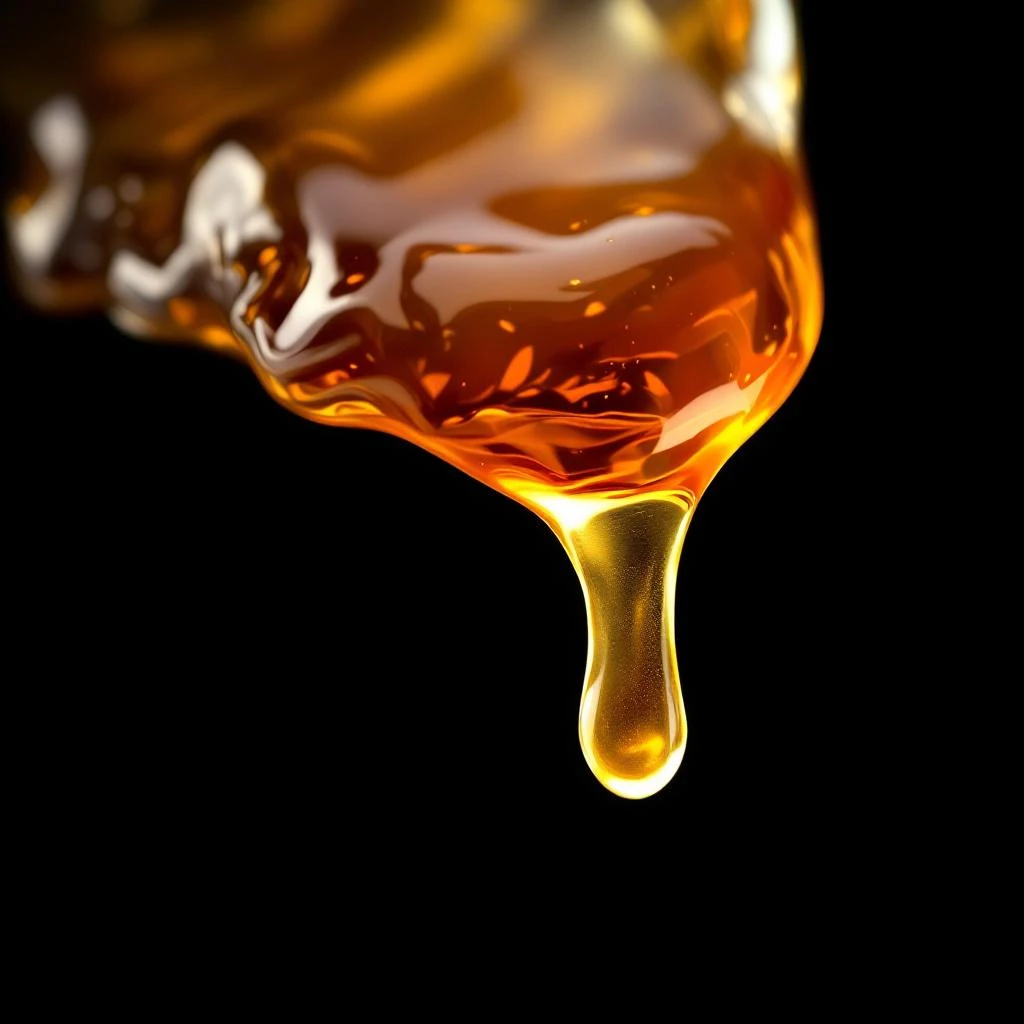
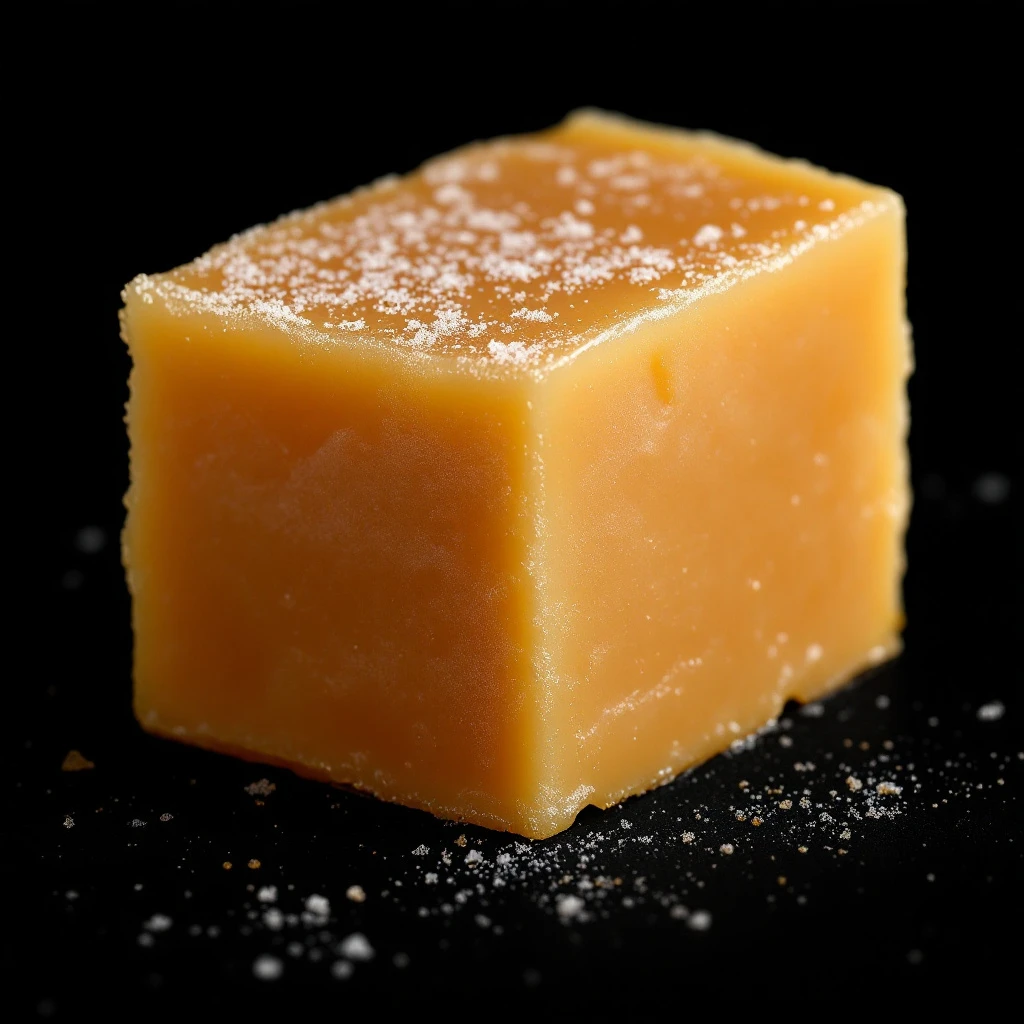
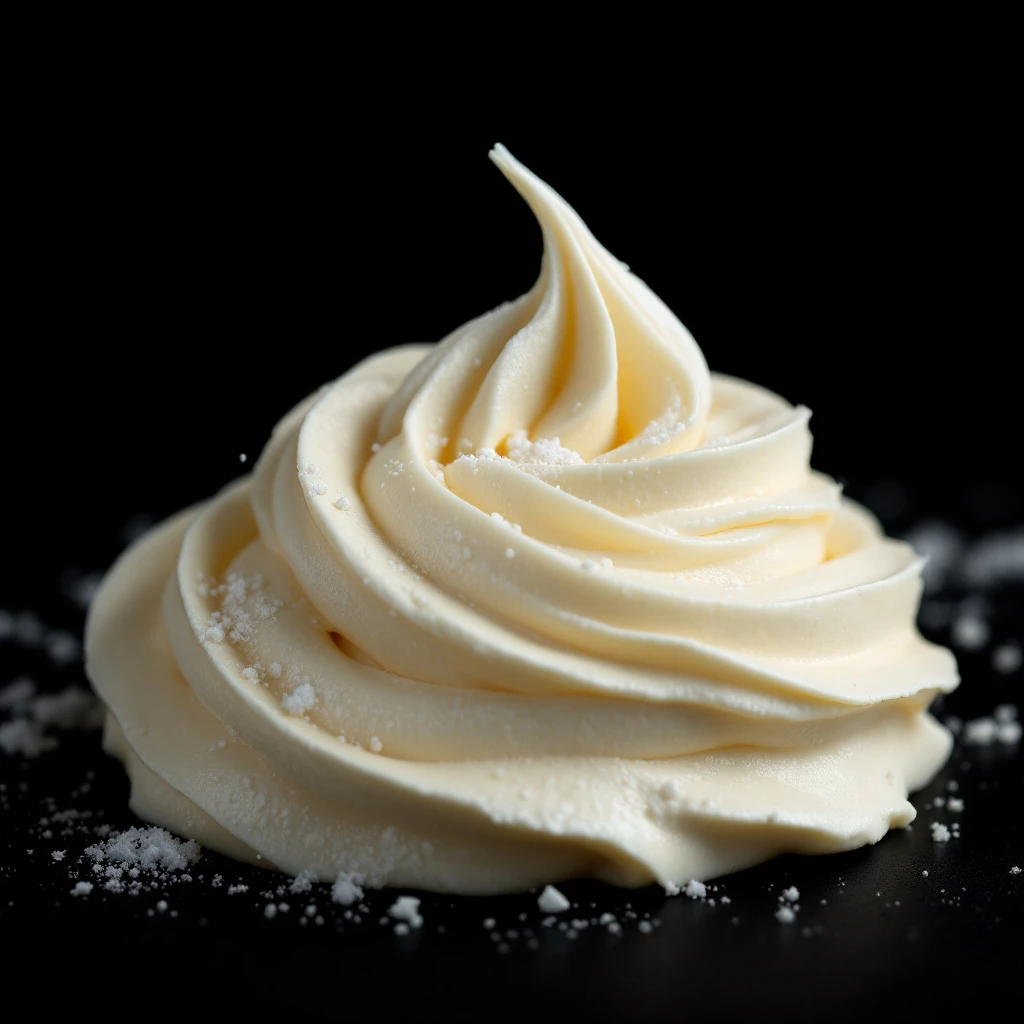
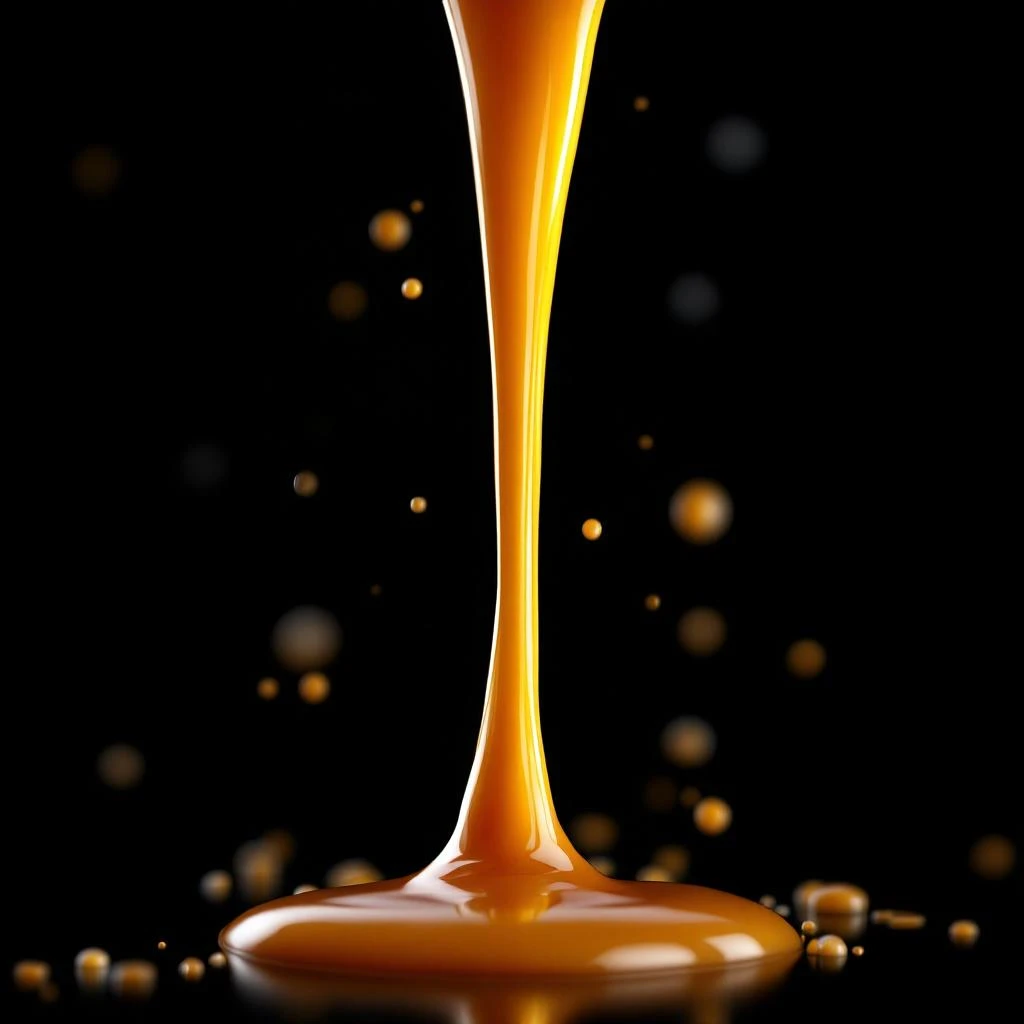
Brown butter is a warm, edible fragrance note that captures the rich aroma of butter heated until golden and nutty. Think caramel, toasted hazelnuts, and warm cream in a bottle.
Character
How it smells
The scent of butter turned golden
Diacetyl, the molecule responsible for brown butter's aroma in perfumery, also gives popcorn its buttery flavor.
Origin
France
The brown butter note emerged from the broader development of edible and gourmand fragrances in the late 20th century. While ancient perfumers used animal fats and natural oils to create scented preparations, the specific brown butter accord required modern synthetic chemistry to achieve.
During the 1990s and 2000s, as consumers developed appetite for culinary-inspired scents, perfumers began exploring food-compatible accords more deliberately. The rise of flormands and sweet orientals created demand for buttery, edible notes that had not existed in classical perfumery.
Brown butter became a signature note in this movement, bridging the gap between food and fragrance. Its history is tied to the democratization of perfumery, as synthetic aromatics made complex food-inspired scents accessible beyond niche luxury markets.
Wears it best
Fragrances featuring Brown Butter
Brands
Brands known for Brown Butter
Good to know
Questions, answered
The essentials on Brown Butter in perfumery: how it smells, where it comes from, and how it behaves on skin.
Is brown butter a natural or synthetic ingredient?
Brown butter in perfumery is synthetic. It uses lab-created aroma compounds like diacetyl, furaneol, and lactones to reproduce the smell of heated butter. No natural butter extraction is involved.
How is brown butter different from regular butter in fragrance?
Regular butter notes in perfumery tend toward dairy and cream, while brown butter includes Maillard reaction products that give it toasted, caramelized, and nutty qualities. The difference is warmth and depth.
What fragrance families use brown butter?
Brown butter appears primarily in flormands, orientals, and gourmand fragrances. It pairs naturally with vanillas, tonka, sandalwood, and oriental resins to create warm, edible scent profiles.
What compounds create the brown butter aroma?
Diacetyl provides the buttery signature. Furaneol adds caramel and strawberry notes. Sotolon contributes maple and curry warmth. Maltol brings sweet depth, while lactones round out the creamy, coconut-peach character.
Does brown butter smell like actual butter?
It smells like the aroma of butter that has been heated until golden brown. The effect includes caramelized, nutty, and slightly toasted qualities rather than cold or fresh butter.
Is brown butter safe for skin use?
Brown butter accords used in commercial perfumery comply with IFRA guidelines. Individual compounds like diacetyl have usage restrictions. Professional formulations ensure safe concentration levels in finished products.
What scents pair well with brown butter?
Brown butter harmonizes with vanillin, coumarin, benzoin, sandalwood, amber, and musks. In gourmand compositions, it works alongside caramel, praline, and honey accords.
When did brown butter become a perfumery note?
The specific brown butter accord emerged in the late 20th century as part of the gourmand fragrance movement. It gained prominence in the 1990s and 2000s with the rise of edible and atmospheric scent categories.