Cactus Peel
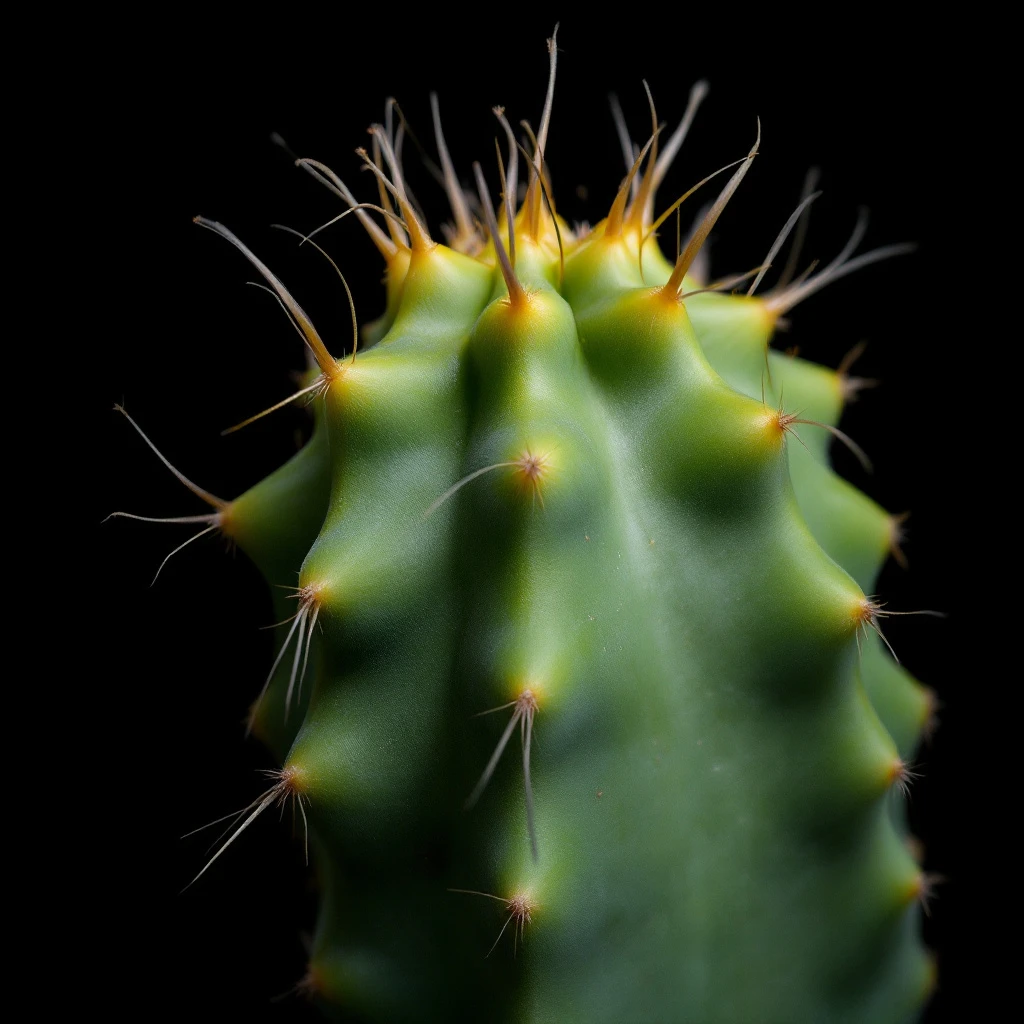
Cactus Peel delivers the crisp, green freshness of succulent plants with a watery edge that mimics morning dew on desert flora. This top note adds an airy, verdant quality to fragrance compositions, evoking the resilience of drought-adapted plants.
Character
How it smells
Verdant desert freshness captured in a bottle
Cacti can survive years without rainfall by storing water in specialized tissues, a property that gives Cactus Peel its characteristic fresh, dewy aroma.


Origin
Mexico
Cacti have sustained desert civilizations for millennia, serving as food, medicine, and ritual objects among ancient Mesoamerican peoples. The Aztecs cultivated columnar cacti for sacred purposes and integrated prickly pear species into cuisine and folk medicine. While cactus materials entered perfumery relatively recently compared to florals like rose or jasmine, their incorporation reflects a broader movement in 20th-century fragrance toward unusual botanicals.
Modern perfumers draw inspiration from the plant's remarkable adaptations, translating the survival strategies of drought-resistant species into olfactory experiences that convey resilience and natural purity. Mexican cultivation provides optimal growing conditions for species used in fragrance production, with regional terroir influencing the final aromatic profile.
Wears it best
Fragrances featuring Cactus Peel

Brands
Brands known for Cactus Peel
Good to know
Questions, answered
The essentials on Cactus Peel in perfumery: how it smells, where it comes from, and how it behaves on skin.
What does Cactus Peel smell like?
Cactus Peel smells crisp, green, and watery, evoking fresh succulent plants and morning dew. It provides an airy, verdant quality that functions as an energizing top note in fragrance compositions.
Is Cactus Peel a natural or synthetic ingredient?
Cactus Peel typically exists as a natural-derived ingredient. Perfumers obtain it through solvent extraction of cactus plant materials, preserving authentic botanical character.
Where does Cactus Peel originate from?
Cactus Peel primarily originates from Mexico, where specialized cactus species thrive in arid growing conditions. The region's terroir influences the ingredient's distinctive green, fresh profile.
At what concentration does Cactus Peel appear in perfumes?
Cactus Peel typically appears at 1-3% concentration in fragrance formulations. This modest percentage allows its fresh top note to introduce compositions without overwhelming heart and base elements.
What extraction method produces Cactus Peel?
Manufacturers produce Cactus Peel through solvent extraction. This 18th-century technique treats botanical materials with solvents to capture delicate aromatic compounds, resulting in a concentrated extract.
What fragrance families use Cactus Peel?
Cactus Peel appears frequently in green, aquatic, and fresh fragrance families. Perfumers pair it with marine notes, white florals, and citrus for bright, modern compositions.
What part of the cactus plant yields this ingredient?
Manufacturers extract Cactus Peel from the fleshy stems and pads of succulent cacti. These water-storing tissues contain the aromatic compounds responsible for the ingredient's signature freshness.
Does Cactus Peel have historical significance in perfumery?
Cactus-derived materials entered perfumery more recently than traditional ingredients like rose or jasmine. Their use reflects 20th-century innovation in seeking unusual botanicals for modern fragrance design.