Balsa Wood
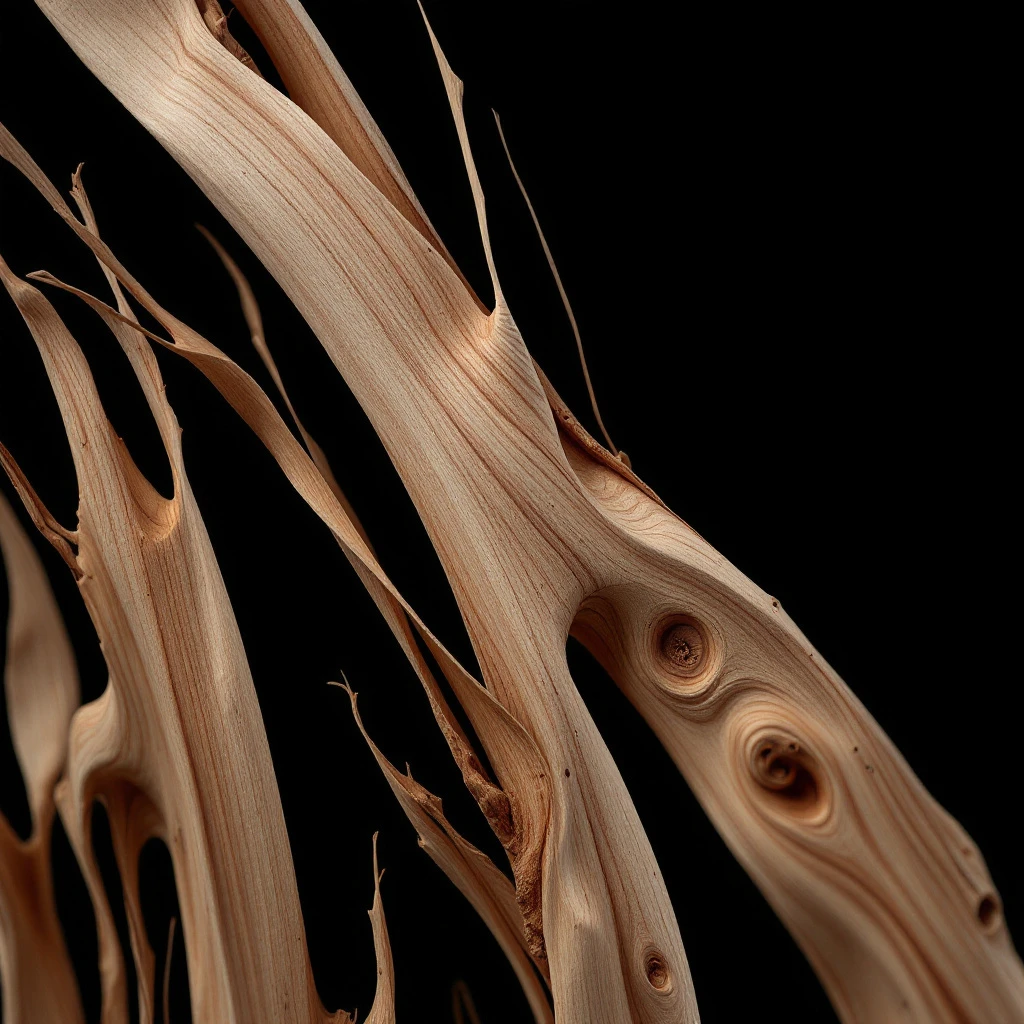
Airy, dry, and surprisingly warm. Balsa wood brings a featherweight woody quality to perfumery, lending subtle sweetness and a quiet complexity to fragrance bases.
Character
How it smells
The lightest wood, the quietest warmth.
Balsa wood floats so effortlessly it was used to build the Kon-Tiki raft that crossed the Pacific in 1947.



Origin
Ecuador
Balsa wood derives its name from the Spanish word for raft, a direct reference to its historical use by indigenous peoples of the Amazon basin for crafting lightweight watercraft. Indigenous communities across what is now Ecuador, Paraguay, and Colombia relied on the wood for tools, ceremonial objects, and medicine long before European contact.
During the age of exploration, Spanish colonists documented balsa rafts capable of carrying significant cargo downstream along Amazon tributaries. In contemporary perfumery, balsa occupies a quiet niche among woody base notes, valued for the subtle, airy character it lends to compositions where heavier woods would overwhelm.
Wears it best
Fragrances featuring Balsa Wood

Brands
Brands known for Balsa Wood
Good to know
Questions, answered
The essentials on Balsa Wood in perfumery: how it smells, where it comes from, and how it behaves on skin.
What does balsa wood smell like in perfume?
Balsa wood delivers a dry, airy woody scent with faint sweetness and a papery quality. It reads as quiet and subtle, adding warmth without heaviness.
Is balsa wood a natural perfume ingredient?
Yes. Natural balsa wood absolute comes from steam-distilled wood chips sourced primarily from Amazon basin species. It appears in select fragrances as a base note.
How does balsa wood compare to other woods in perfumery?
Unlike dense woods such as sandalwood or oud, balsa is extraordinarily lightweight and porous, yielding a much airier, less resinous aroma. It functions as a subtle blender rather than a dominant woody anchor.
Does balsa wood appear often in commercial fragrances?
Balsa wood remains relatively uncommon in mainstream perfumery. It shows up more often in niche and artisan fragrances that emphasize unusual or lightweight woody accords.
What extraction process is used for balsa wood in perfumery?
Steam distillation of dried, chipped wood yields the essential oil. The wood's porous structure makes it receptive to this method, though oil yield remains modest.
Where does commercial balsa wood for perfumery originate?
The primary source region is the Amazon basin, with Ecuador and Paraguay among the leading producers of Ochroma pyramidale used in fragrance applications.
Can synthetic balsa wood notes replicate the natural aroma?
Modern aromatic molecules can closely approximate balsa's dry, papery character. Synthetics ensure consistency, since natural balsa oil supply is limited and variable.
What fragrance families pair well with balsa wood?
Balsa wood complements light florals, airy chypres, and fresh fougere compositions. It also works well alongside citrus top notes, adding warmth without disrupting the brightness.