Butter Cake Glaze
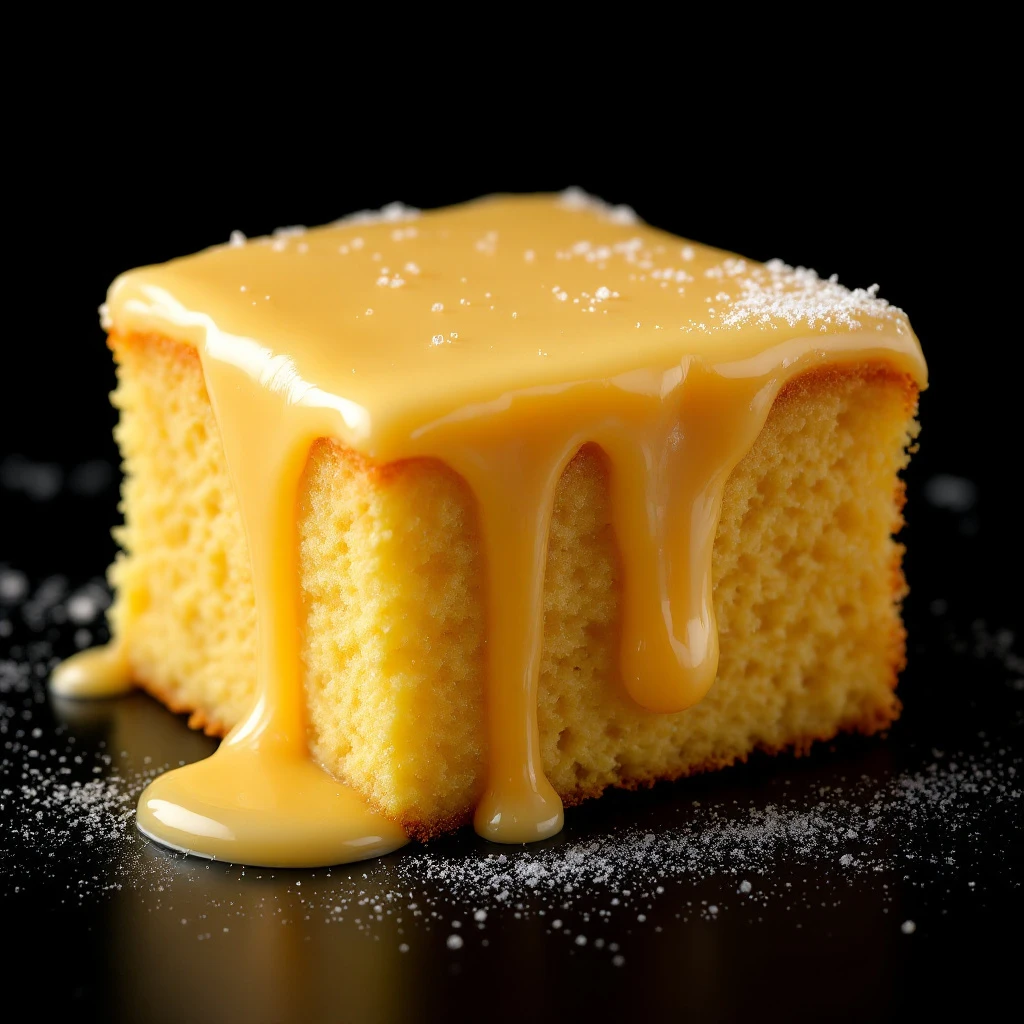
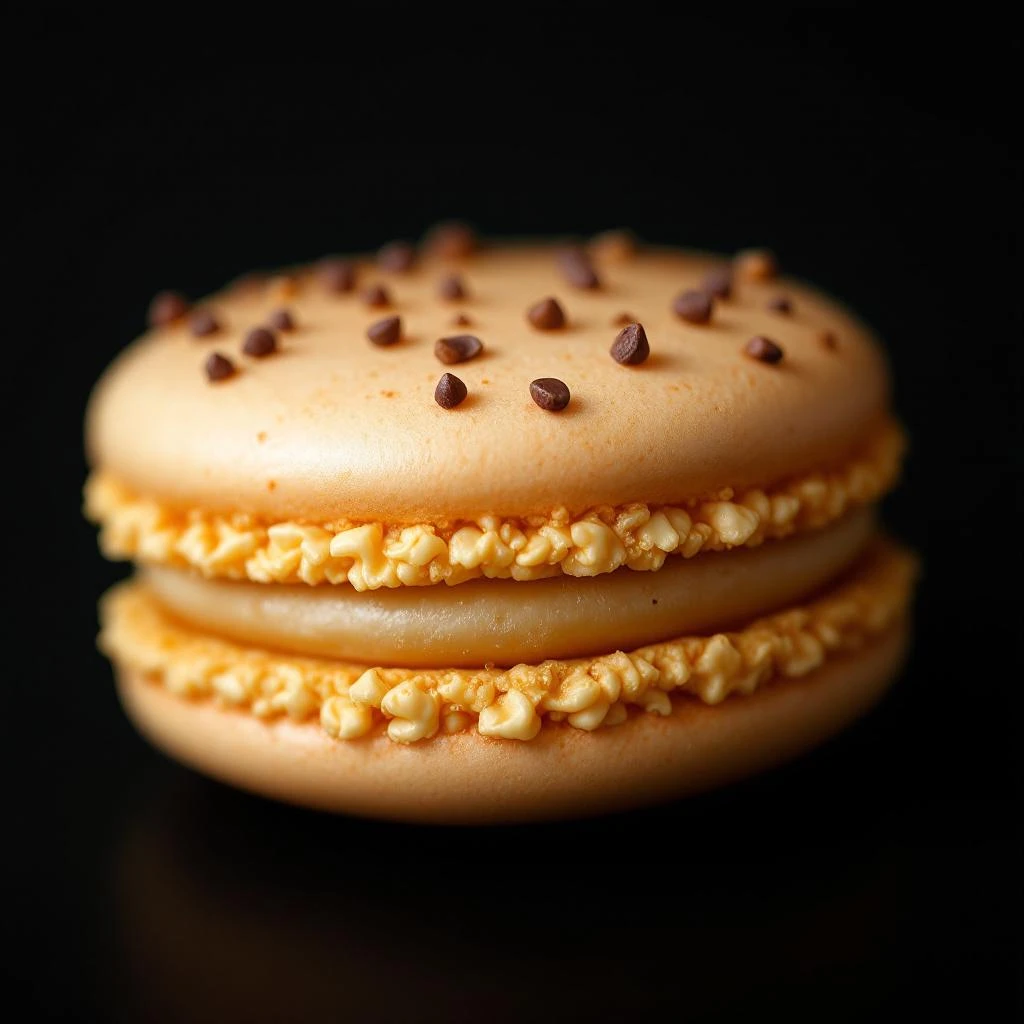
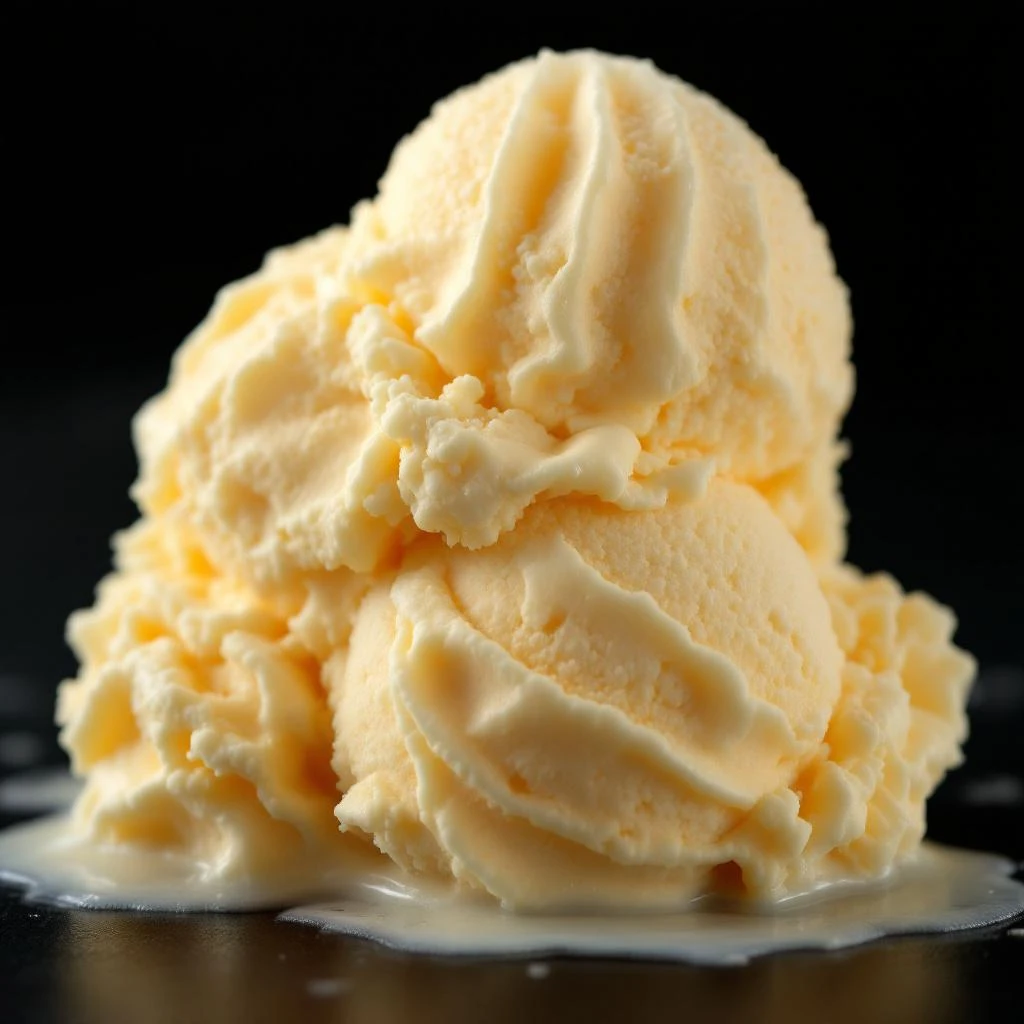
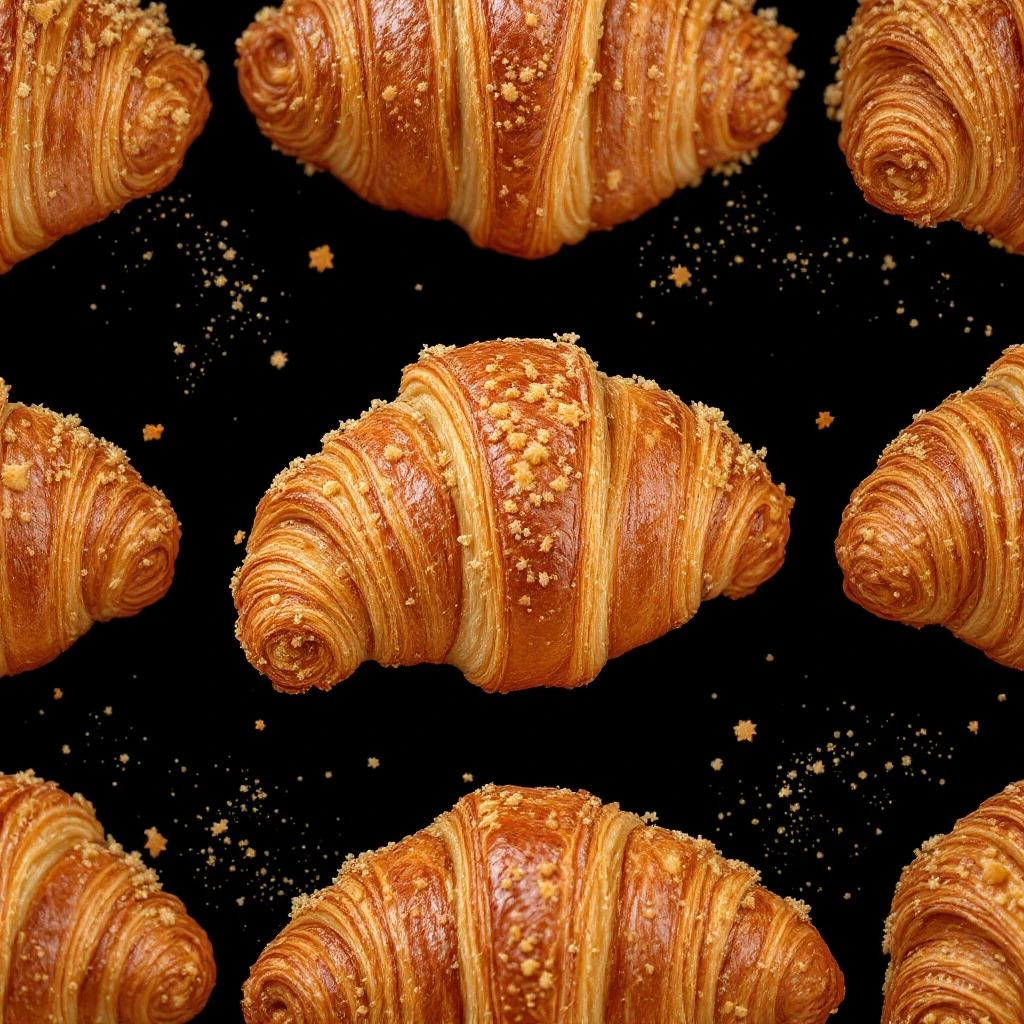
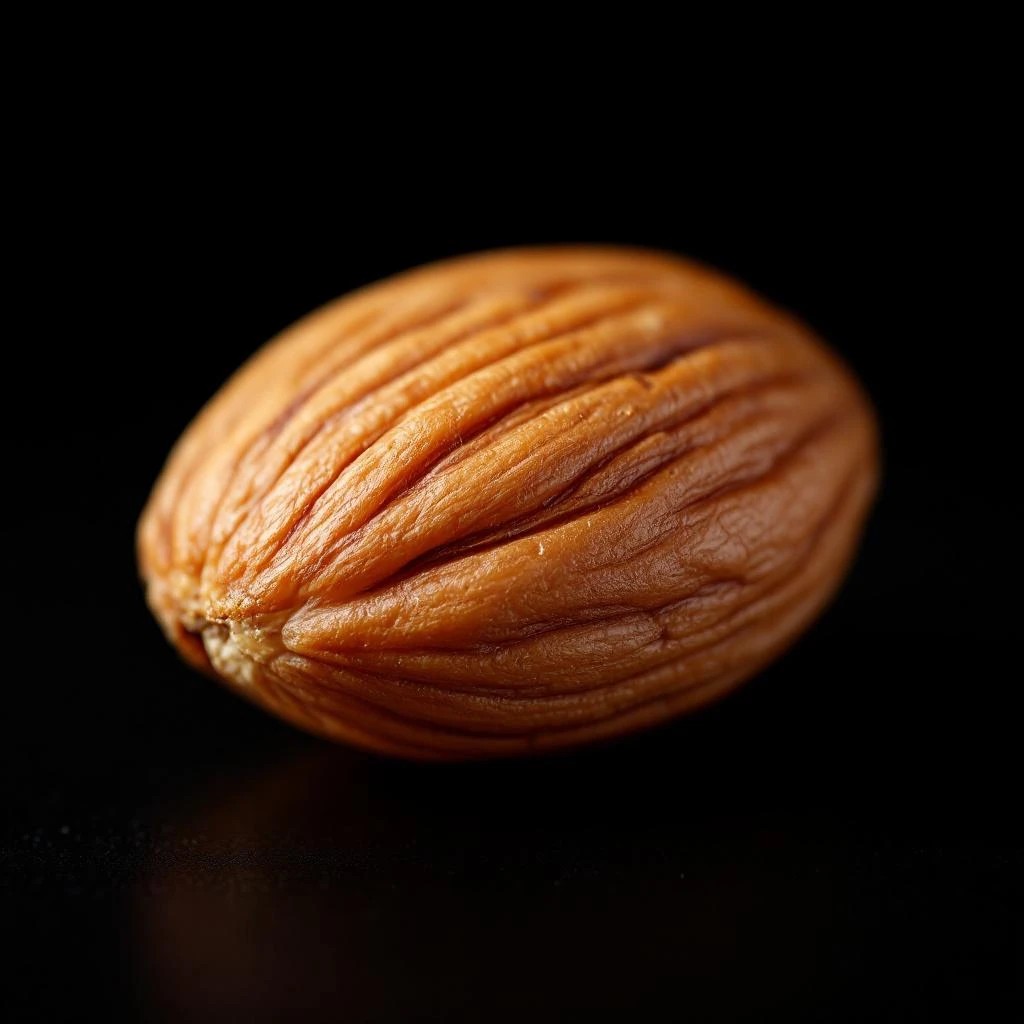
Butter Cake Glaze is a synthetic gourmand accord that captures the warm, caramelized sweetness of vanilla-rich icing dripping over a fresh-baked cake. It brings a confectionery warmth to modern fragrances.
Character
How it smells
Caramelized sweetness, freshly glazed.
Gourmand accords like Butter Cake Glaze helped fuel a 40 percent rise in edible-scent perfume launches since the early 2000s, turning bakery aisles into olfactory inspiration.

Origin
France
The gourmand fragrance movement that gave birth to accords like Butter Cake Glaze traces back to 1992, when Thierry Mugler Angel introduced prominent edible notes into fine perfumery. Before that, bakery-inspired scents existed primarily in functional products like candles and soaps.
As perfumers grew more confident with synthetic aroma chemistry in the late twentieth century, they began reconstructing desserts molecule by molecule. The 2000s brought an explosion of confectionery-themed fragrances, with houses layering vanillin, maltol, and creamy lactones to evoke pastries and icings.
Butter Cake Glaze as a named accord emerged alongside this wave, representing the shift from botanical accuracy to culinary imagination. It reflects a broader truth about modern perfumery: the most appetizing scents are rarely extracted from a single flower or fruit, but assembled from a perfumer's palette of both natural isolates and crafted molecules.
Wears it best
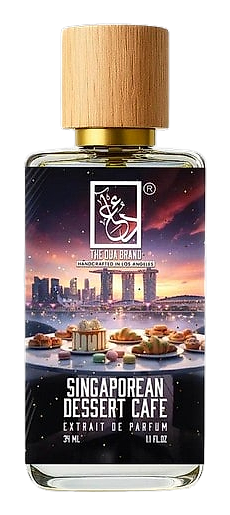
Fragrances featuring Butter Cake Glaze
Brands
Brands known for Butter Cake Glaze
Good to know
Questions, answered
The essentials on Butter Cake Glaze in perfumery: how it smells, where it comes from, and how it behaves on skin.
What does Butter Cake Glaze smell like in perfume?
Butter Cake Glaze smells like warm vanilla icing with caramelized sugar and a buttery, baked-dough undertone. It adds a sweet, edible warmth to fragrances without smelling artificial or flat.
Is Butter Cake Glaze a natural or synthetic note?
It is primarily synthetic, built from aroma molecules like vanillin and ethyl maltol. Some formulations include small amounts of natural butter absolute or vanilla extract for added depth.
What fragrance families use Butter Cake Glaze?
It belongs to the gourmand family and appears frequently in oriental and sweet-amber compositions. Perfumers layer it with patchouli, sandalwood, or white musks to balance its richness.
When was Butter Cake Glaze first used in perfumery?
Named accords like Butter Cake Glaze emerged in the early 2000s as part of the gourmand trend that began with Thierry Mugler's Angel in 1992. Bakery-scented perfumes grew rapidly through that decade.
Why is Butter Cake Glaze popular in modern fragrances?
It triggers a comforting, food-associated response that many wearers find appealing. Consumer interest in dessert-inspired scents has driven dozens of major launches since 2010.
Can Butter Cake Glaze be extracted from a plant?
No. The accord cannot be sourced from a single botanical. Perfumers reconstruct its character using synthetic lactones, maltols, and vanillin combined with optional natural extracts.
Does Butter Cake Glaze last long on skin?
Yes. Its base-molecule components like vanillin and lactones have moderate to strong longevity, typically lingering six to eight hours when properly fixated with heavier musks or resins.
Is Butter Cake Glaze safe for sensitive skin?
Most formulations use materials that meet IFRA safety standards, but concentration matters. Those with skin sensitivities should patch-test any gourmand fragrance before full application.