Burgundy Wine
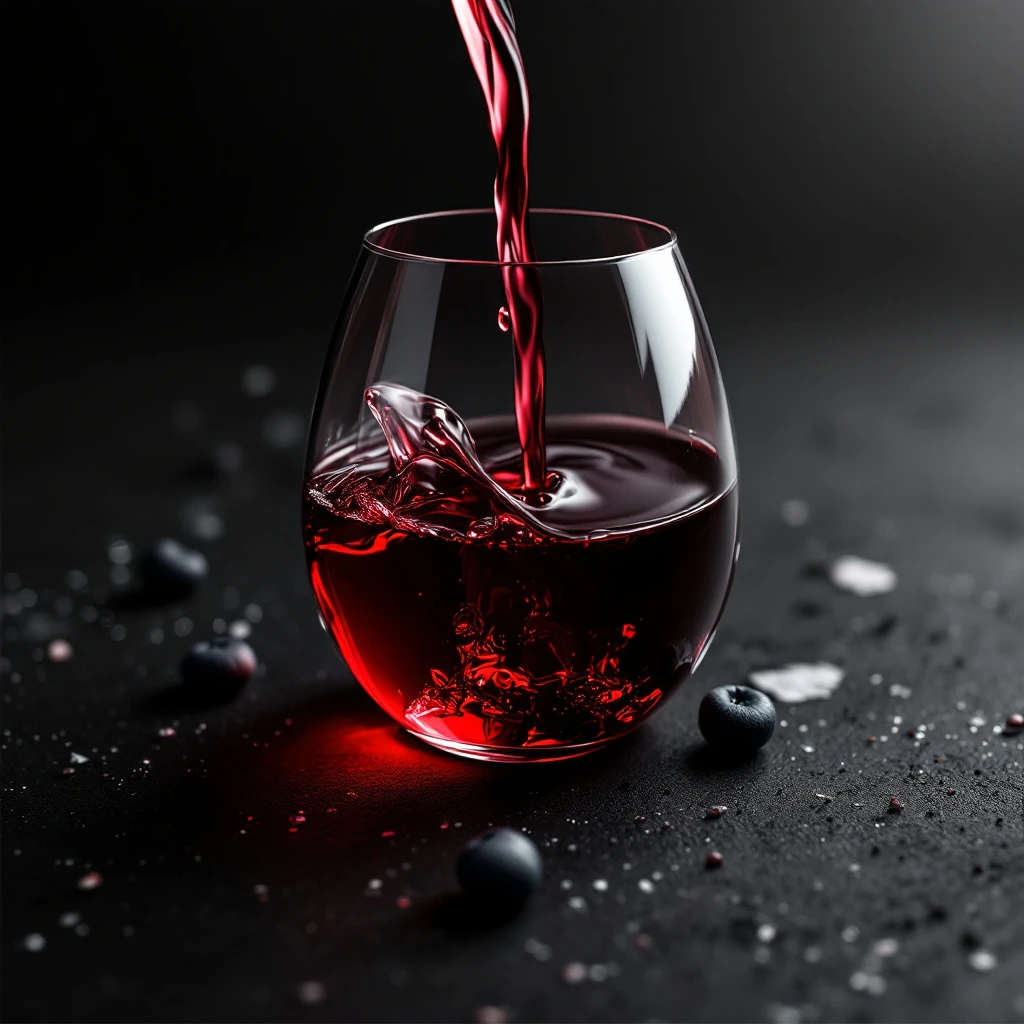
Rich and velvety, the Burgundy wine note captures the deep complexity of aged Pinot Noir. In perfumery, this luxurious accord evokes warm cellar walls, black cherry warmth, and the earthy depth of French oak. Explore how this prestigious wine region translates into olfactory art.
Character
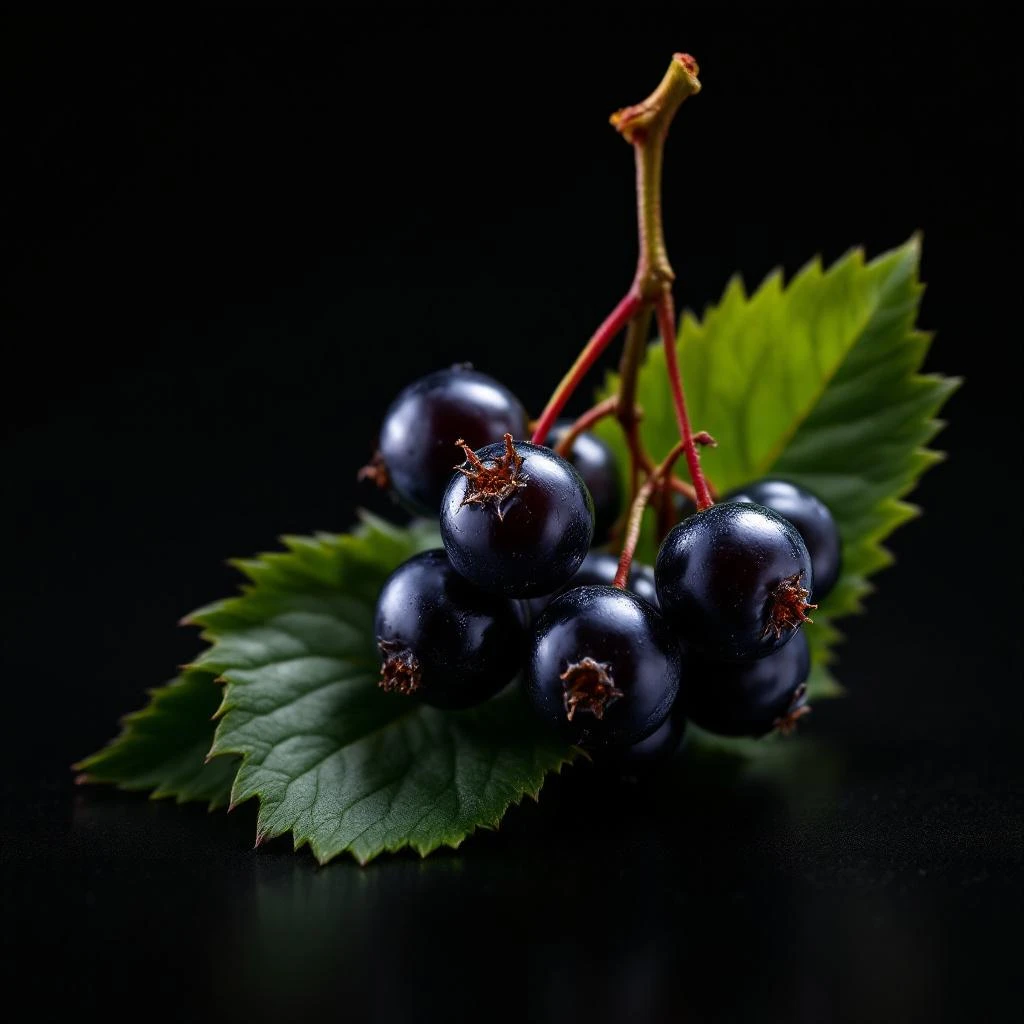
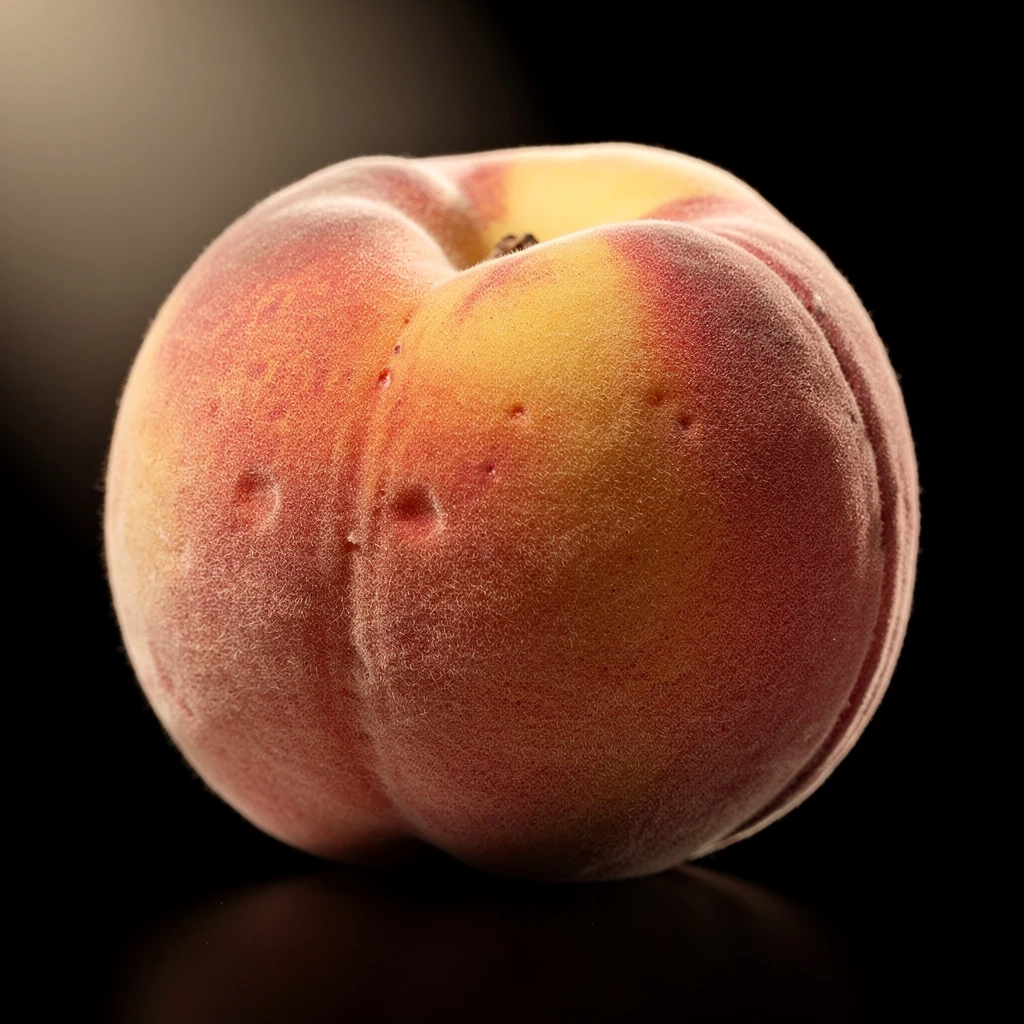
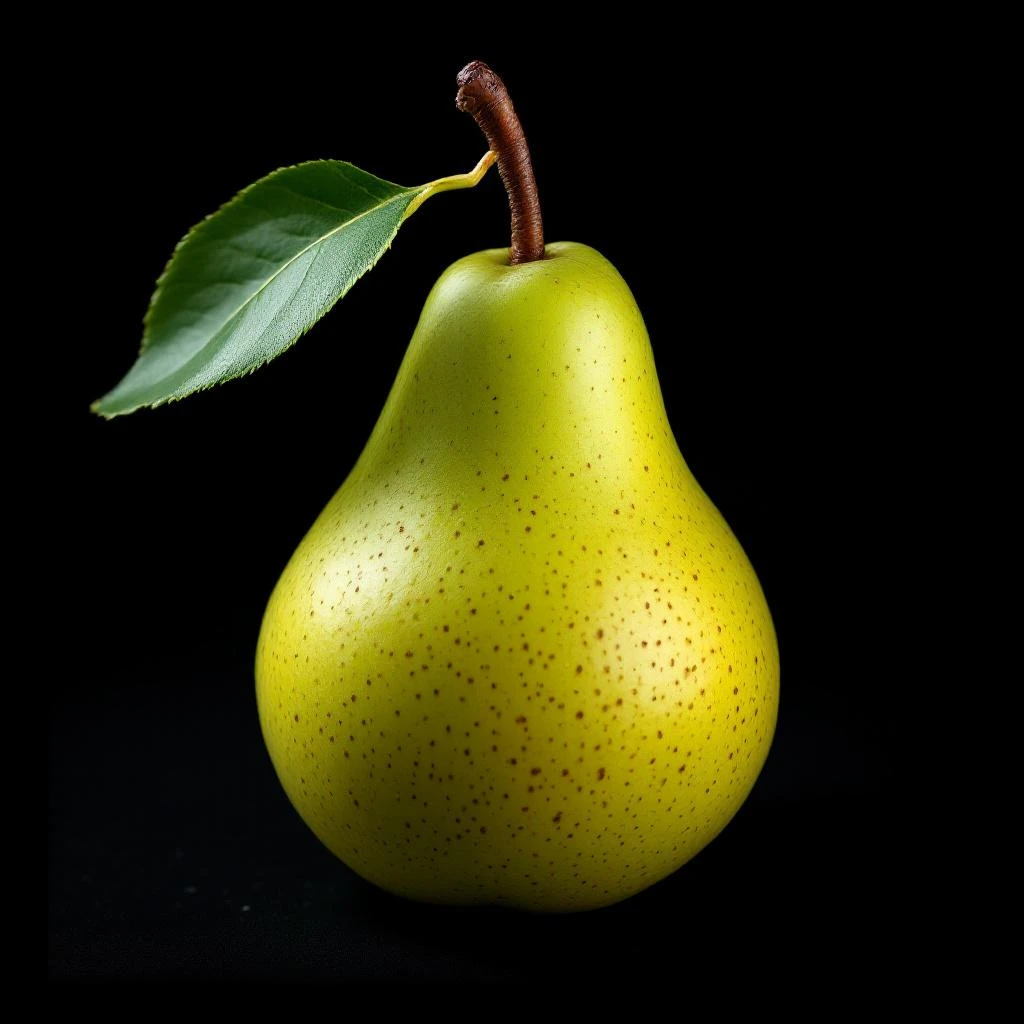
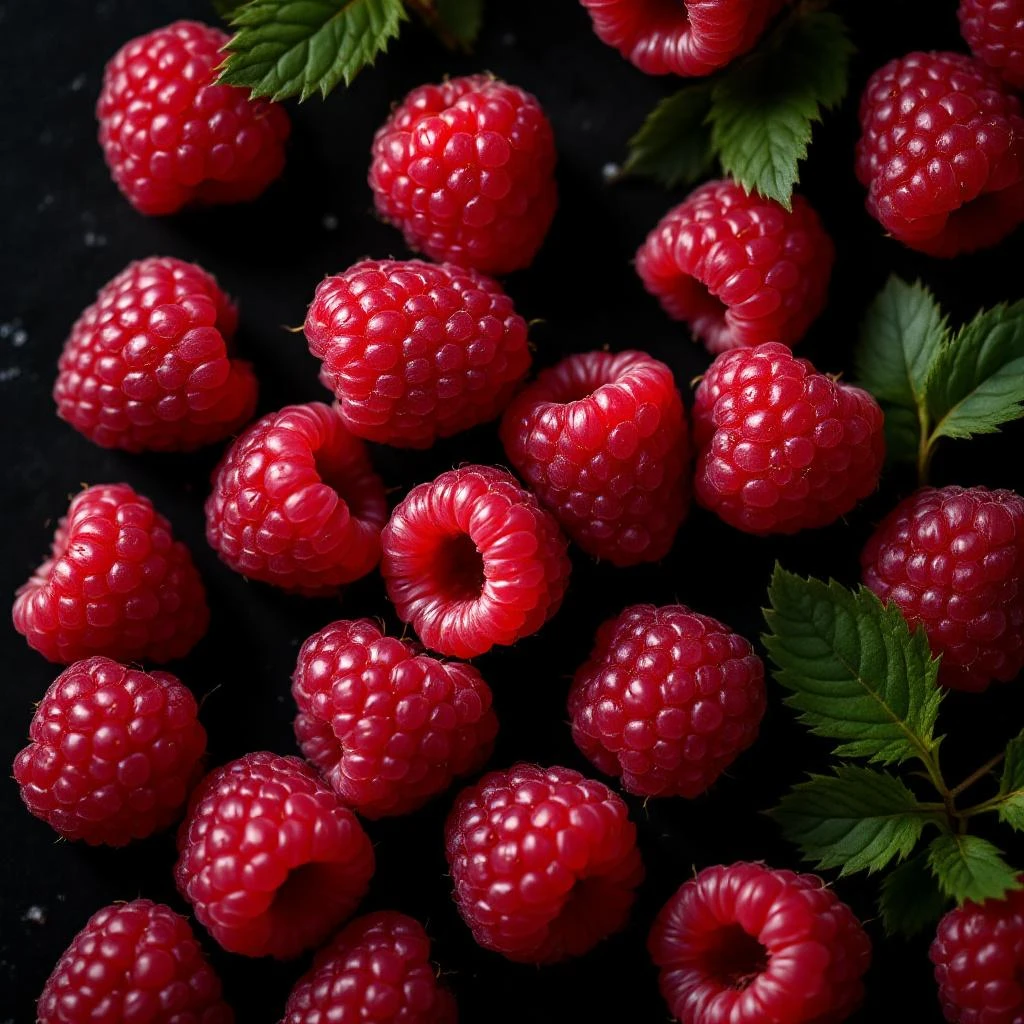
How it smells
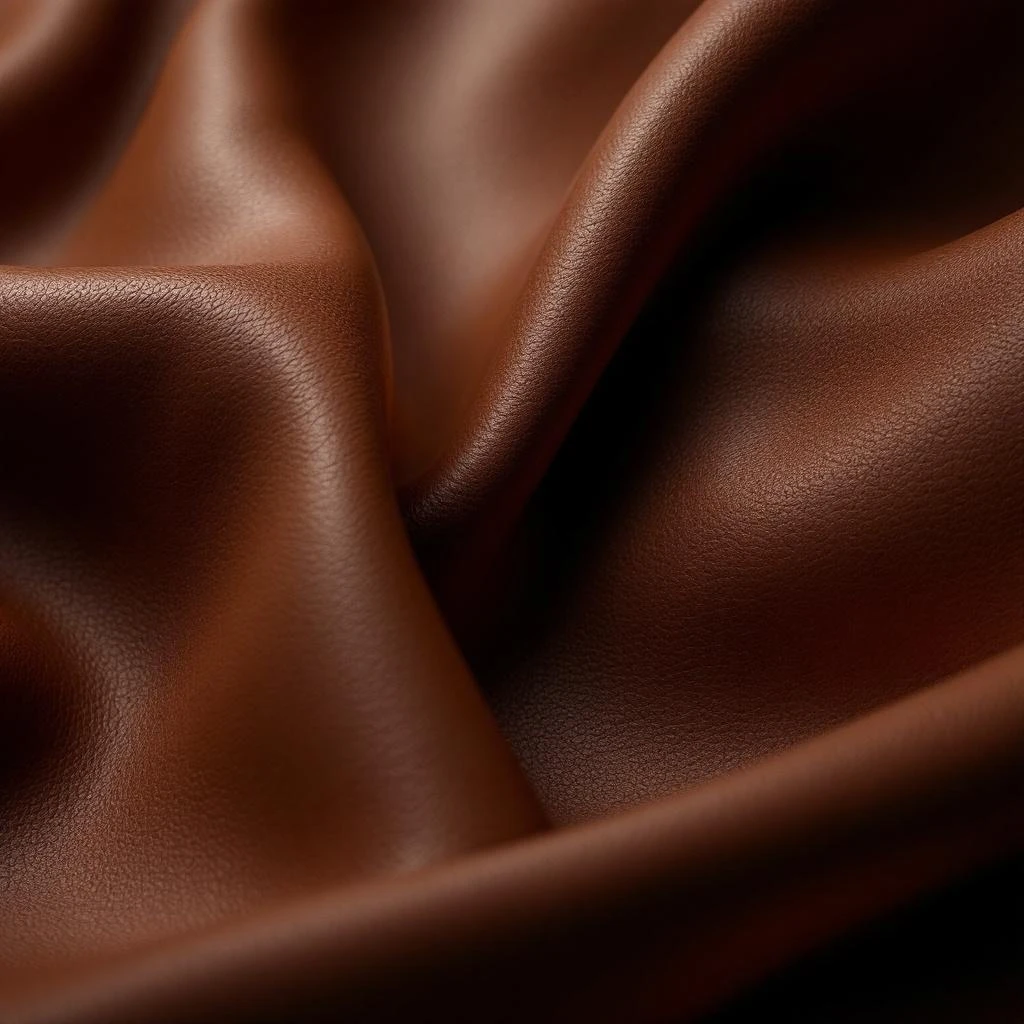
The velvet depth of French Pinot Noir, captured in a bottle.
Roman legions planted the first Burgundy vines in 52 BC, when Gaul fell under Roman conquest.
Pairs beautifully with


Origin
France
Burgundy stands among the world's oldest wine regions, with viticulture tracing its roots to 52 BC when Roman legions conquered Gaul and established vineyards along the Saone River valley. The region's limestone and clay soils, combined with its continental climate, proved ideal for producing wines of remarkable complexity and aging potential. French perfumers began incorporating wine notes in the late 19th century as modern perfumery emerged, drawing inspiration from the country's rich winemaking heritage.
The 1370 creation of the Queen of Hungary's Water, an alcoholate of rosemary, marked France's entry into perfumery, but it was not until later centuries that grape and wine accords became valued ingredients. Today, the Burgundy wine note pays homage to this millennia-old tradition, translating the sensory experience of sipping fine Pinot Noir into a liquid form that lingers on the skin.
Wears it best
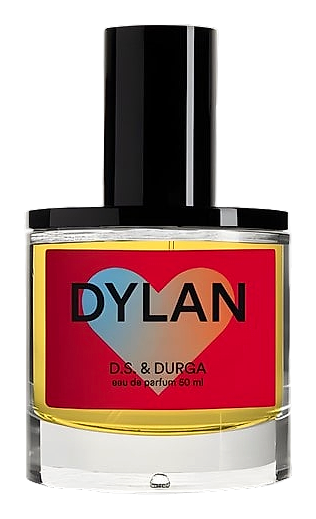
Fragrances featuring Burgundy Wine
Brands
Brands known for Burgundy Wine
Good to know
Questions, answered
The essentials on Burgundy Wine in perfumery: how it smells, where it comes from, and how it behaves on skin.
Is Burgundy wine note made from real wine?
Burgundy wine note is typically a reconstructed accord, not distilled directly from wine. Perfumers analyze the volatile compounds in Pinot Noir and blend natural and synthetic materials to recreate that characteristic black cherry, plum, and earthy oak profile.
What gives Burgundy wine note its rich, jammy character?
The jammy quality comes from fruity ester compounds like ethyl acetate and isoamyl acetate, combined with natural fruit absolutes. These replicate the ripe Berry notes found in aged Burgundy Pinot Noir.
Does Burgundy wine note contain alcohol?
No, wine note accords contain no alcohol. The aromatic qualities of wine are captured through aroma molecules and absolutes, offering the sensory experience of wine without any alcohol content.
What fragrance families use Burgundy wine note most often?
Wine notes appear frequently in oriental and chypre fragrances. They also enhance certain floral and fruity compositions, adding depth and sophistication to perfumes ranging from casual daywear to rich evening scents.
How long has wine been used in perfumery?
French perfumery adopted wine-derived materials in the late 19th century as modern perfumery developed. Cognac essential oil, extracted from wine lees, has been used since this period to add smooth, wine-like warmth to compositions.
What does Burgundy wine note pair well with in perfumery?
This note harmonizes beautifully with vanilla, patchouli, and warm spices like cinnamon and clove. It also complements rose and iris, creating complex oriental compositions with remarkable depth.
Is there a synthetic alternative to natural wine notes?
Yes, several synthetic aroma chemicals replicate wine characteristics, including wine lactone and various fruit esters. These allow perfumers to achieve consistent wine-like effects without relying solely on natural materials.
What makes Burgundy wine notes different from cognac notes?
Burgundy wine notes emphasize fresh, fruity Pinot Noir characteristics with black cherry and earthiness. Cognac notes carry a smoother, more distilled quality with sulfurous and rancio characteristics from the spirits aging process.