The Story
Why it exists.
The beginning
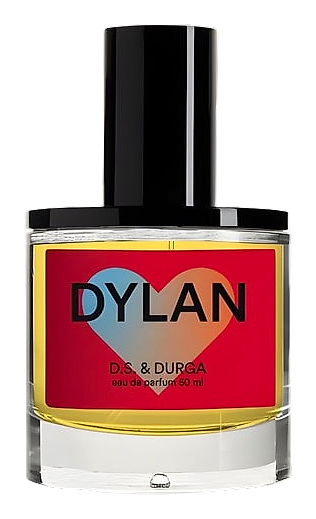
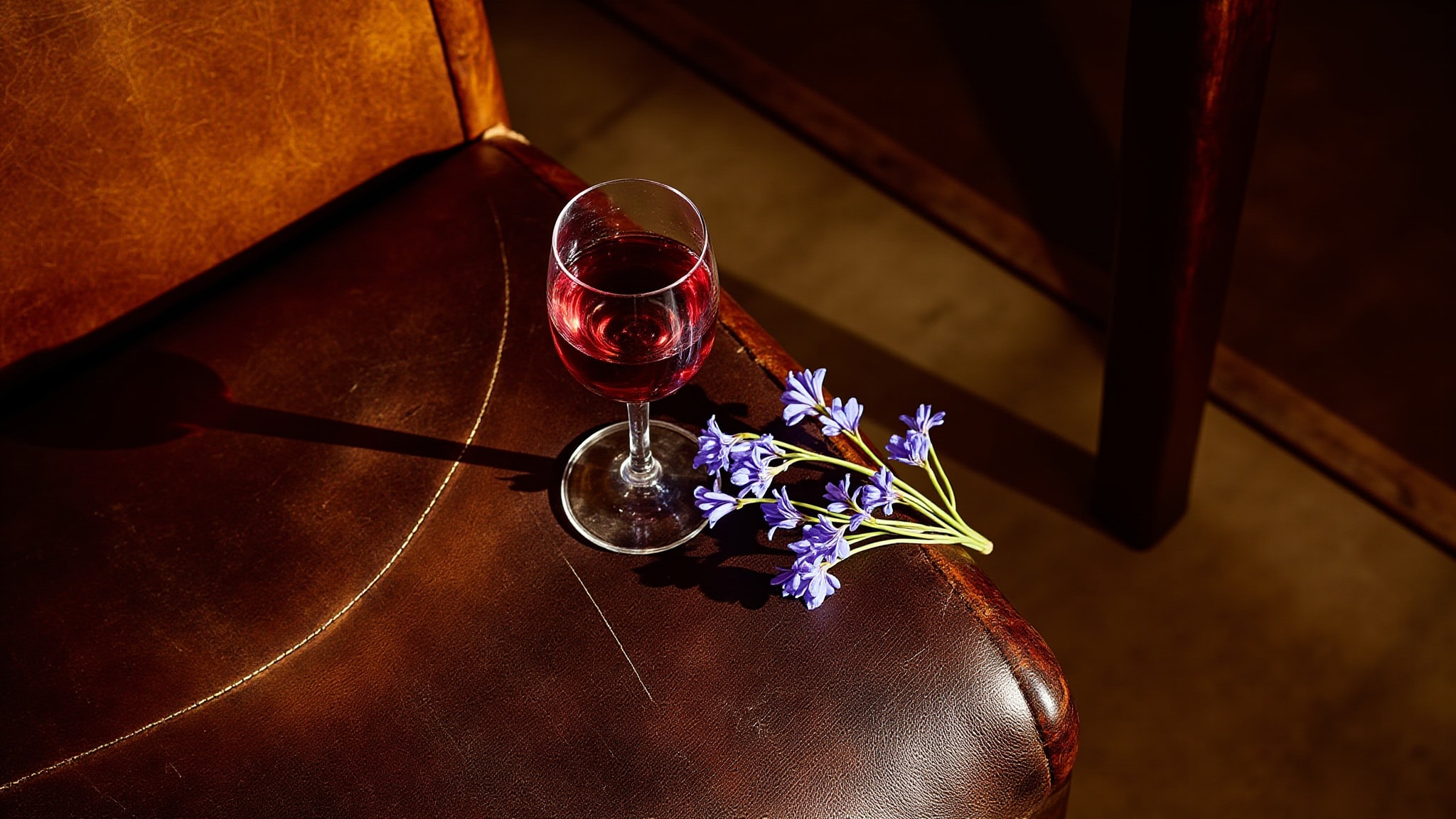
Bob Dylan won the Nobel Prize in Literature in 2016. By 2021, David Seth Moltz had spent enough time living with that fact, with what it means that America's greatest lyricist is also, in some essential way, a fragrance. Dylan smells like a room where someone just finished performing. Wine glasses half-emptied. A jacket left on the back of a chair. The particular warmth of leather that has absorbed years of smoke and weather and performance. This is not a tribute fragrance. It's a love letter, written in a composition that refuses to explain itself.
The combination of wine and leather is unusual because wine is transient, it's about the moment, and leather is archaeological, layered with time. Dylan puts them together and asks them to argue. The chili doesn't help. It interrupts. It's the question someone asks in the middle of a conversation that makes you realize you haven't been listening. Bluebell and rose sit underneath, not soft exactly, but insistent. Like a melody you can't unlearn. The result is a fragrance that smells like something that already happened, and you're just catching up.
The evolution
The opening is burgundy wine poured over warm skin. Thyme underneath, herbal and green, keeps it from being too sweet. Then the chili arrives, not as a top note, but thirty minutes in, when you've already settled into the wine. It builds slowly, a warmth that spreads from the chest to the wrists. The rose comes next, but it's not a typical rose. It's a rose seen through leather, slightly dried, slightly wild. Bluebell softens the edges. By hour three, the leather has taken over entirely. Not new leather. Old leather. Worn leather. The kind that smells like every decision you've ever made. Sand underneath it all, mineral and dry, keeps it from being too heavy. This is a fragrance that lasts. Not through projection, through presence. It stays close, intimate, like a secret you told someone years ago and they still remember.
Cultural impact
Dylan was released in 2021 as a limited edition of 100 pieces and is now discontinued, making it a collector's item for D.S. & Durga enthusiasts. The fragrance occupies a specific niche: not quite formal, not quite casual, not quite pretty. It appeals to wearers who want a scent with a point of view and aren't afraid of heat, leather, or the occasional argument. In the context of D.S. & Durga's catalog, Dylan sits alongside releases like Mississippi Medicine and Spent Musket Oil, fragrances that smell like specific places and times rather than generic mood categories.
The House
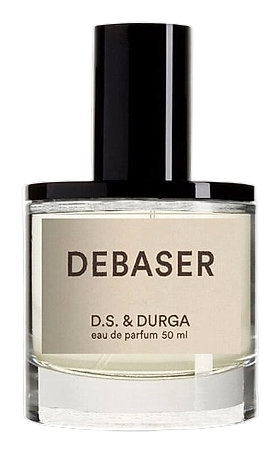
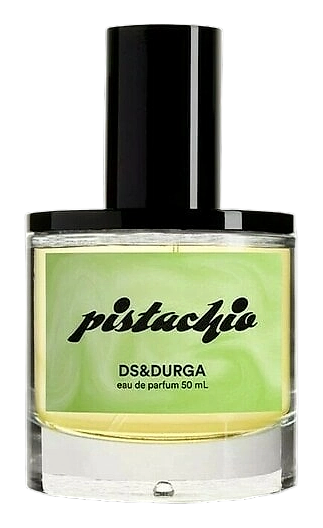
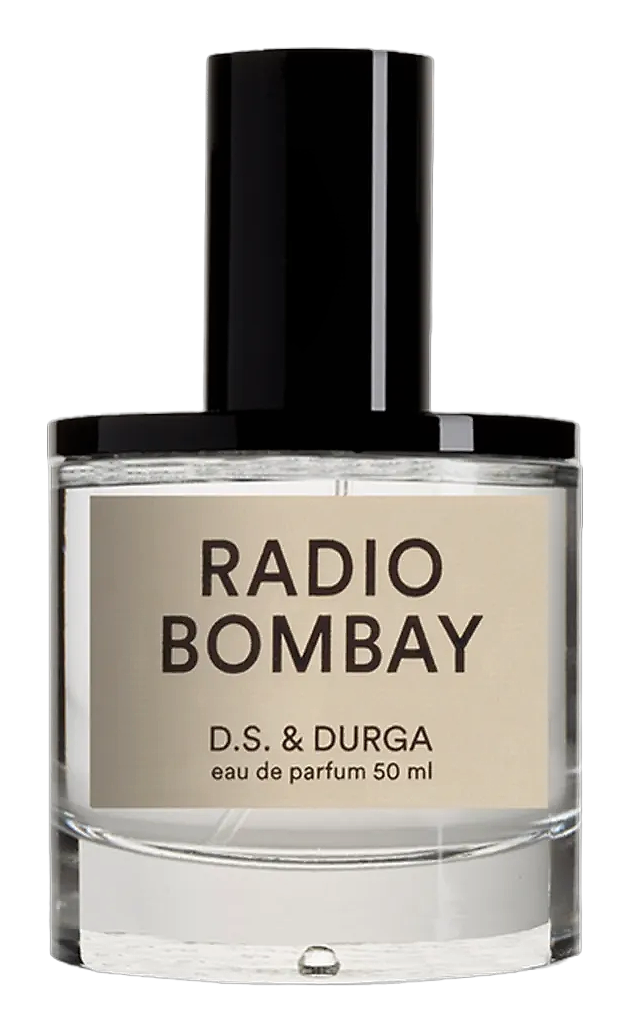
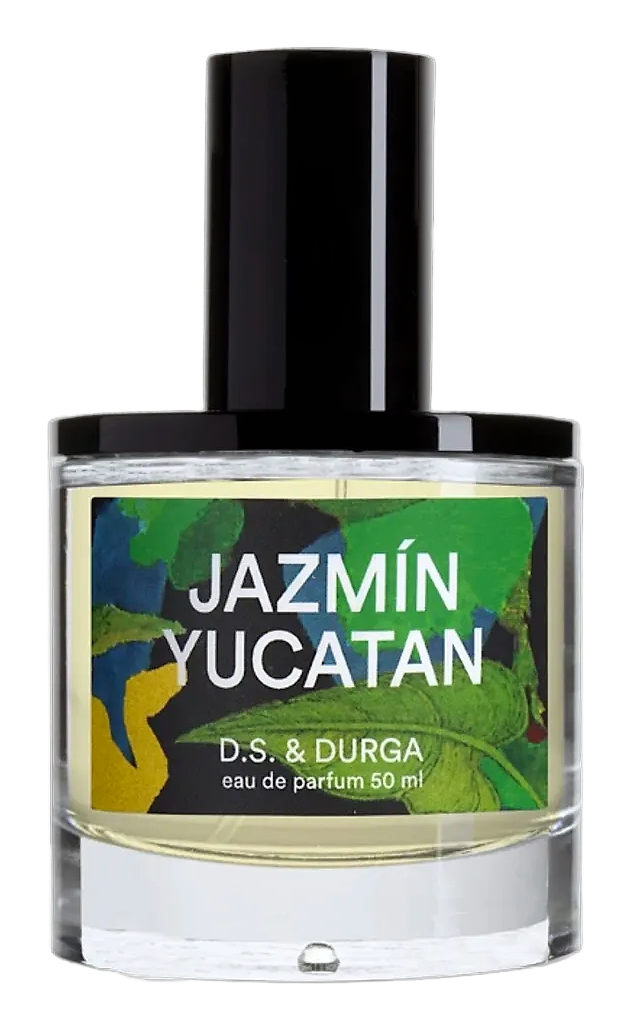
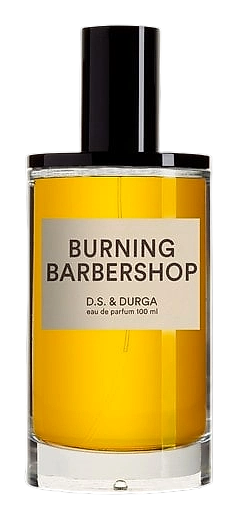
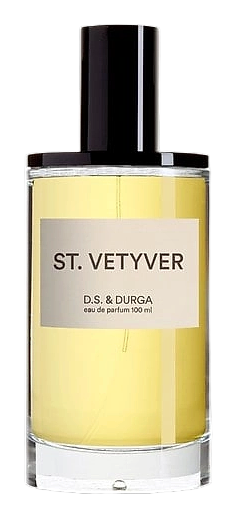
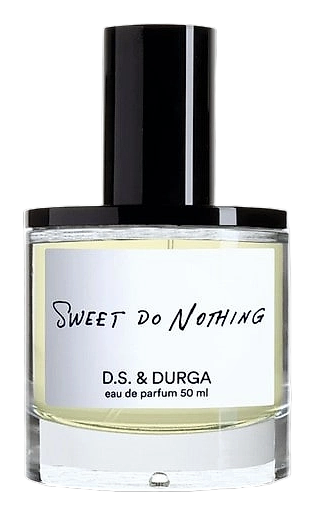
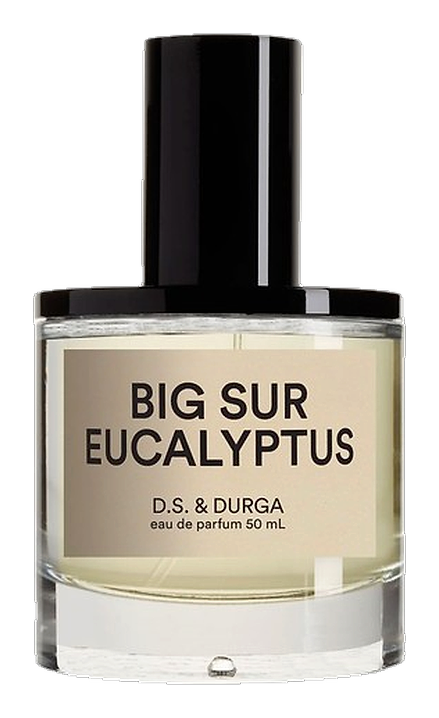
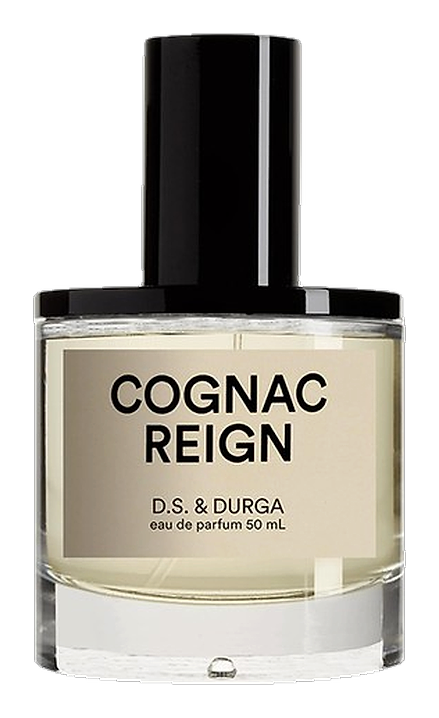
DS&DurgaD.S. & Durga is a Brooklyn-based fragrance house founded in 2007 by husband-and-wife team David Seth Moltz and Kavi Ahuja Moltz. David Seth Moltz, a self-taught perfumer and former indie musician, composes all the house scents while Kavi handles visual design. The brand creates immersive fragrances inspired by specific feelings, places, and cultural moments, ranging from the American West (J. Crew Homesteader's Cologne, 2013) to historical periods (Beverly Hills 1985, 2010) and abstract emotional states (You Kill Me With Silence, 2018). D.S. & Durga is notably a perfumer-owned house, giving the founder creative control across the entire brand. Their catalog spans chypres, colognes, and aromatic compositions, with later releases including Royal Purpure and King Majesty Bergamot Chypre (2024). The brand operates from Brooklyn, New York, and has developed a following among fragrance enthusiasts drawn to its narrative-driven approach.
The Creator
David Seth MoltzSelf-taught and deliberately unconstrained by classical training, Moltz favors an unconventional palette that includes unconventional materials alongside traditional ones. His fragrances tend toward the narrative and atmospheric, often featuring sharp contrasts: sweet against…