Bosnian Laurel
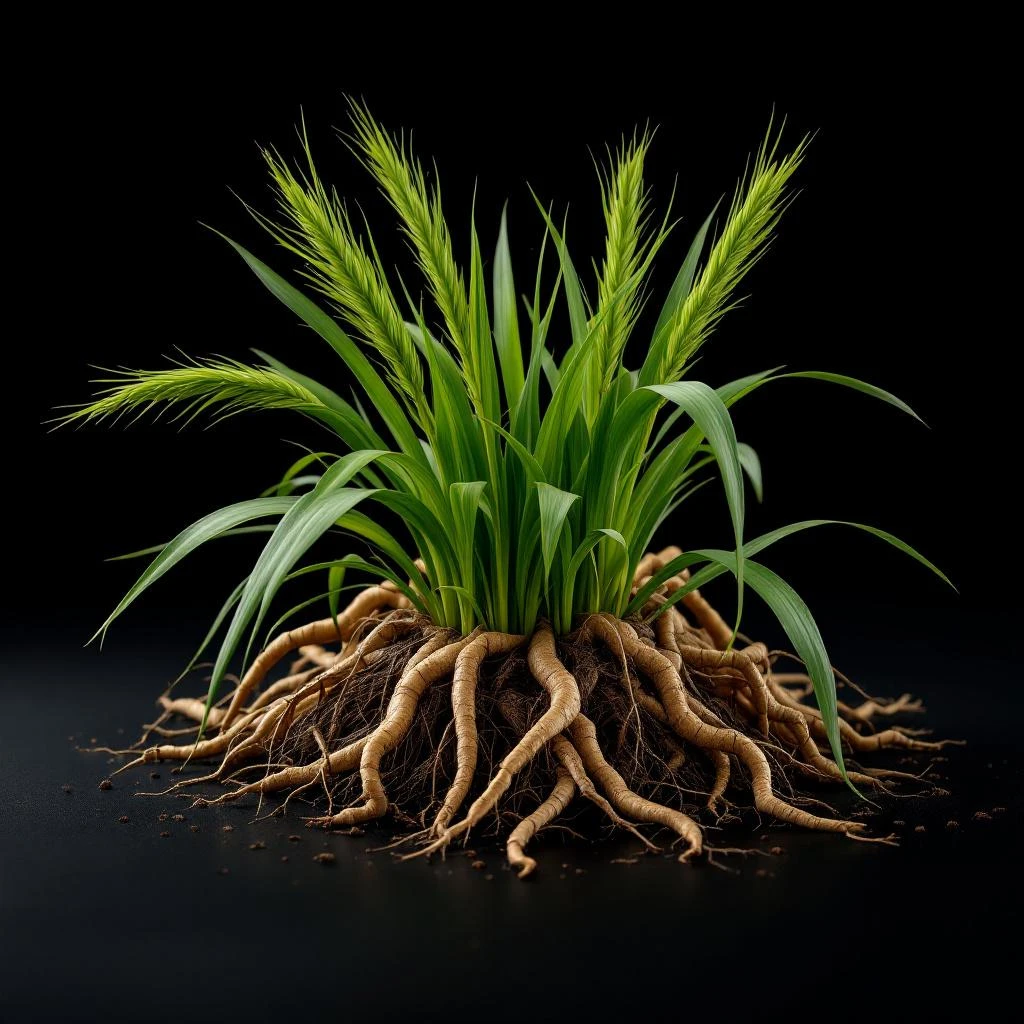
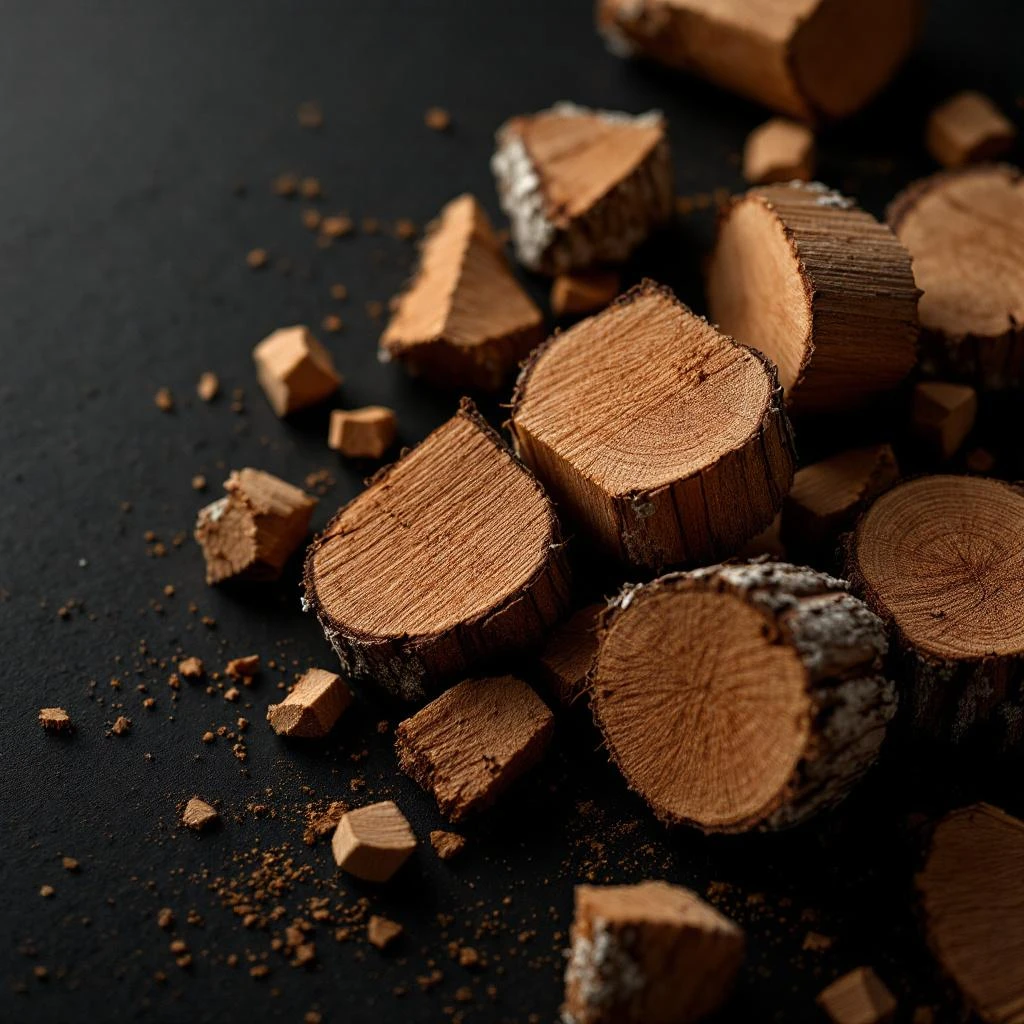
Bosnian laurel brings a dry, aromatic green note shaped by leaves and woody laurels. Its presence adds structure and restraint to a fragrance composition.
Character
How it smells
Dry laurel green with a composed woody edge.
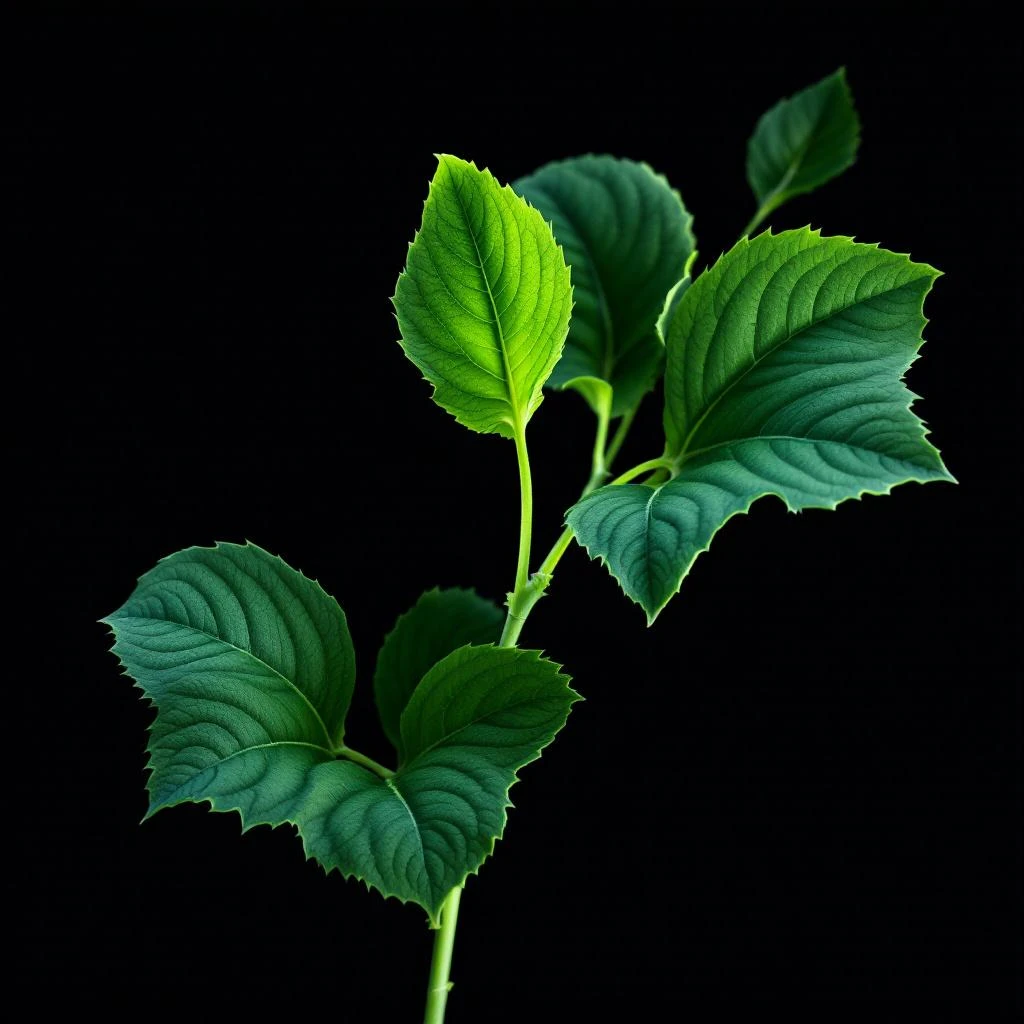
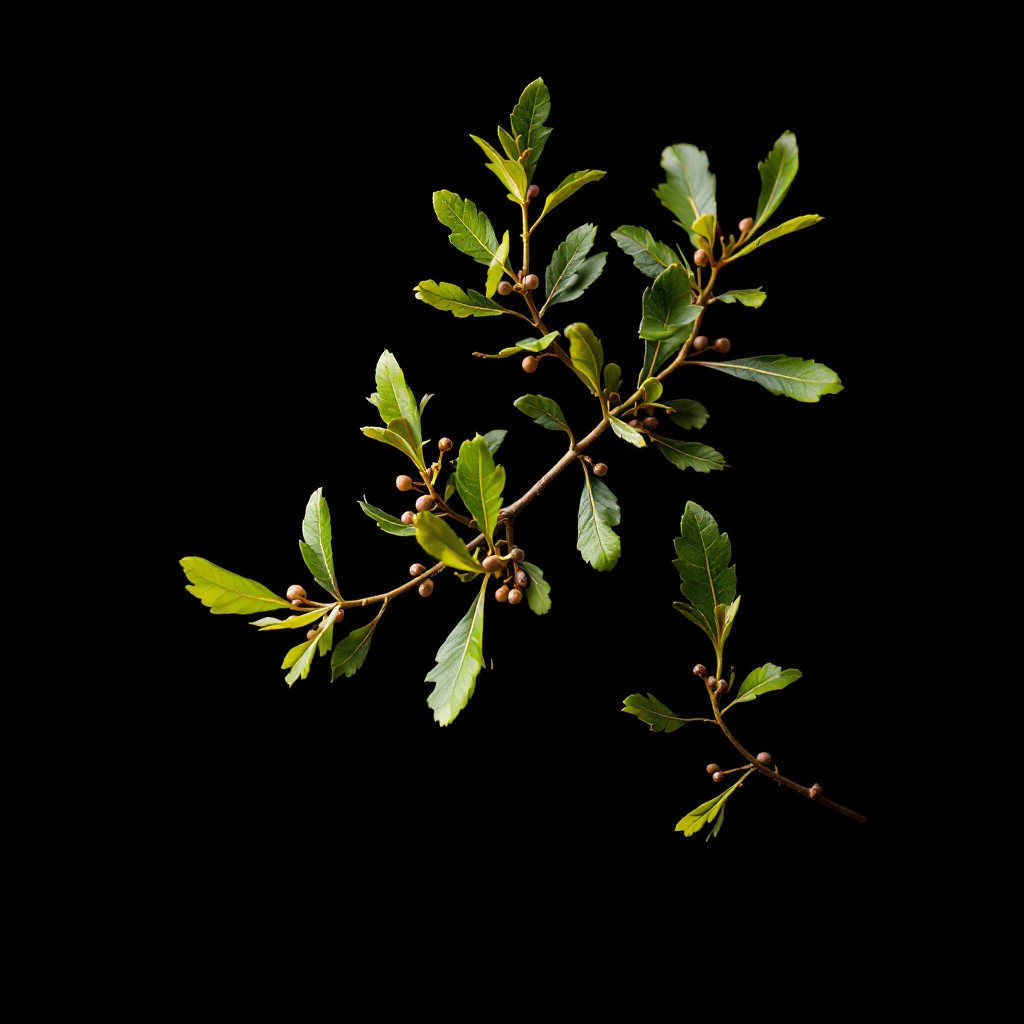
The name is associated with the Dalmatian laurel, Laurus nobilis, an aromatic Mediterranean tree long used for wreaths and seasoning.
Pairs beautifully with

Origin
Bosnia and Herzegovina
Laurel has carried ceremonial and practical importance for thousands of years in the Mediterranean. Laurel leaves appear in ancient wreaths, cooking traditions, and remedies described in classical and later European sources. The association with Bosnia and Dalmatia reflects the plant's strong presence in the region and the wider eastern Mediterranean.
In traditional fragrant preparations, aromatic leaves were among the plant materials included in scented oils, powders, and bathing preparations, long before modern perfumery established standardized extraction methods. As European fragrance production became more organized during the nineteenth and twentieth centuries, natural plant oils gained defined roles in bouquets and colognes. Laurel's aromatic leaves were valued for their distinctive green and camphoraceous notes.
Today, the term Bosnian laurel can describe a regional laurel material or a perfumery interpretation of that aromatic profile, with natural extracts and standardized fragrance compounds serving different production needs.
Wears it best
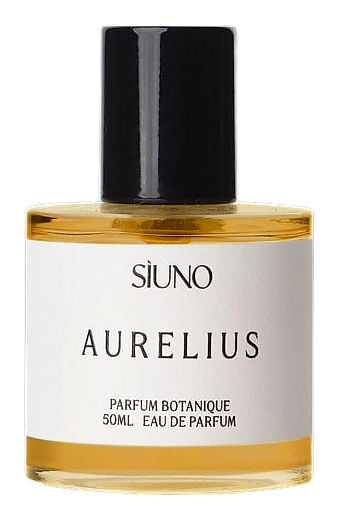
Fragrances featuring Bosnian Laurel
Brands
Brands known for Bosnian Laurel
Good to know
Questions, answered
The essentials on Bosnian Laurel in perfumery: how it smells, where it comes from, and how it behaves on skin.
What does Bosnian laurel smell like?
Bosnian laurel smells dry, green, aromatic, and slightly camphoraceous, with a restrained woody edge. Its character recalls aromatic bay leaves and gives a fragrance definition without a heavy sweetness.
Is Bosnian laurel the same as bay laurel?
Bosnian laurel usually refers to a Balkan or Dalmatian laurel aromatic associated with Laurus nobilis. Bay laurel is the botanical reference, although commercial sourcing can vary by region and supplier.
Which part of the plant is used in perfumery?
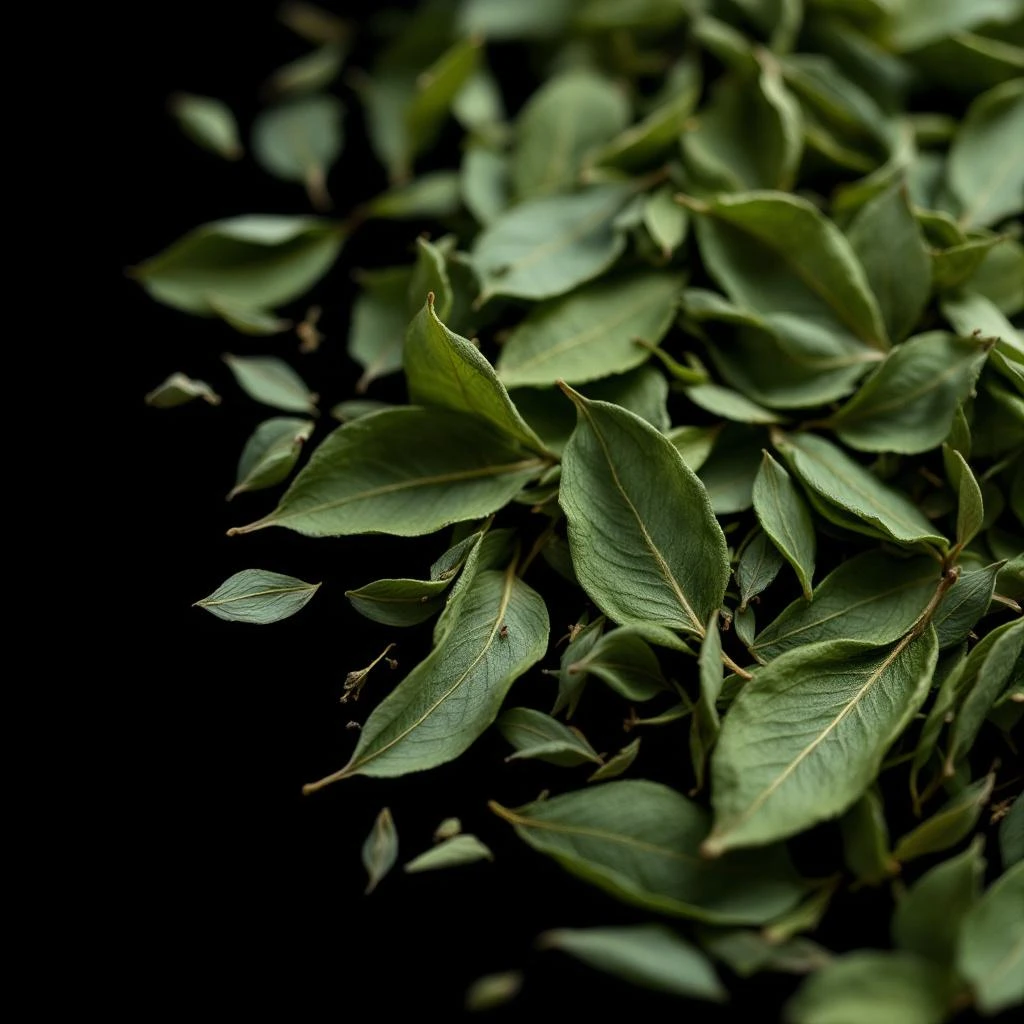
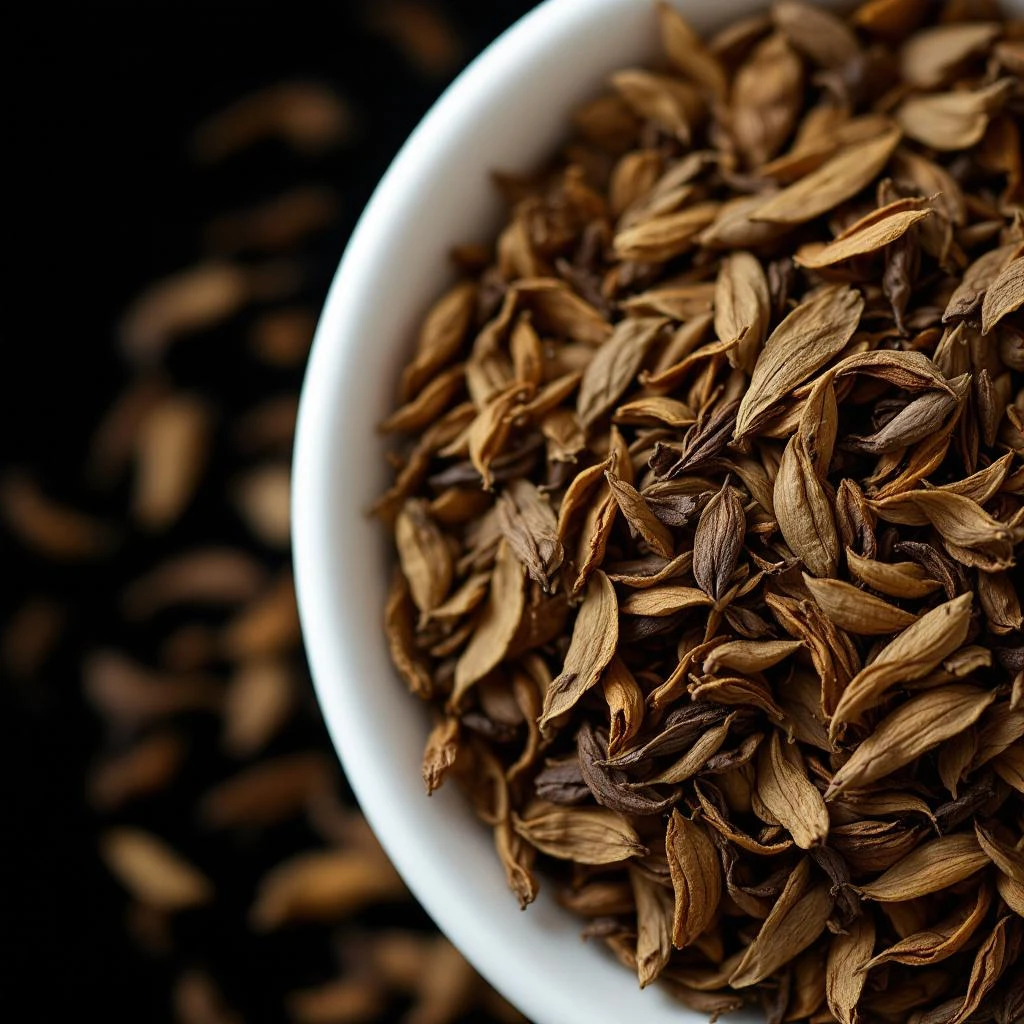
Perfumers mainly use the leaves because they contain the characteristic volatile aromatic compounds. The leaves may be dried before steam distillation or solvent extraction.
Where does Bosnian laurel come from?
Its name points to Bosnia and Herzegovina and the wider Dalmatian Mediterranean region. Laurel thrives in warm, dry climates, and regional botanical traditions help shape its identity.
How is Bosnian laurel oil produced?
The leaves are usually dried and then steam-distilled to obtain essential oil. Solvent extraction can also produce a more concentrated aromatic material for use in fragrance creation.
What compounds give laurel its aroma?
A typical laurel profile includes monoterpenes such as cineole, alpha-pinene, and limonene. Their proportions vary with plant age, harvest conditions, drying, and extraction method.
What fragrance families suit Bosnian laurel?
Bosnian laurel fits well within aromatic herbal, woody, and fresh compositions. It can sharpen citrus and green notes while adding a dry, camphoraceous structure to chypre and fougère families.
Has laurel been used in fragrance for a long time?
Yes. Aromatic laurel leaves have appeared in scented oils, powders, and ceremonial preparations for centuries. Modern perfumery later translated that natural character into more concentrated extracts and composed fragrances.