The Story
Why it exists.
The beginning
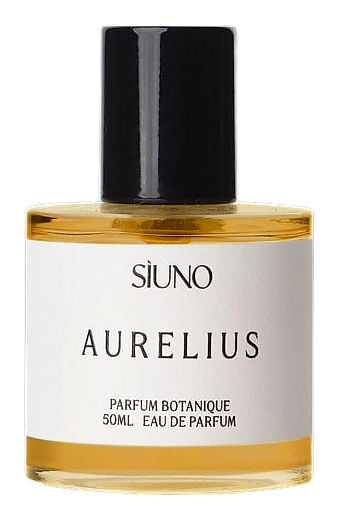
Aurelius arrived in 2024 from Sìuno, with Andrej Babicky signing the composition. There's no recorded inspiration speech or exotic origin story here. What there is, is a clear point of view: a woody aromatic built around a tension of green and warm materials, the kind of contrast that makes a fragrance worth spending time with. The classical name suggests authority, a sense of something formal and deliberate. The materials suggest something less orderly than that, closer to herbs crushed between the fingers on a cold morning, fragrant, slightly sharp, and alive. That contrast is where the character lives, and it's what draws attention before anything else.
What makes Aurelius worth a closer look is the clash between its greenest materials and its warmest. The herbal notes bring a cool, almost medicinal sharpness that cuts through the opening. Frankincense and Siam benzoin answer with smoke and resin, adding depth and a soft sweetness that doesn't overwhelm. It's a tension that keeps the composition from settling into a familiar category, woody aromatic on paper, something less predictable on skin. The result feels composed but not stiff, considered without losing its wild edge.
The evolution
The first impression is air, not sweetness. The opening notes move forward quickly, a clean, camphoraceous green arriving before anything has warmed up. There's a floral lift in the early stages, rose-adjacent but sharper, more metallic than soft. The green reads as bracing and fresh, the kind of clarity that makes you inhale twice. Then the resin materials arrive and the temperature changes. Frankincense thickens the air, incense with a smoky edge, and Siam benzoin brings a warm, slightly sweet resinous glow that clings rather than projects. Cedar gives the base a dry, pencil-shaving dryness. Over time, what remains is that herbal clarity tempered with warm resin, sitting close on fabric and skin, still readable, still a little wild.
Cultural impact
Aurelius occupies a register that rewards attention rather than immediate legibility. The woody aromatic category offers familiar territory, so the interest here lies in how the composition handles its own contrasts, cool herbal clarity against warm resin, a green floral edge against dry wood. What results is a fragrance that unfolds slowly, revealing different facets as it sits on skin, and that suits anyone who treats fragrance as a private practice rather than a performance. The name carries classical weight, and the materials beneath it suggest something less orderly, closer to herbs crushed between the fingers on a cold morning.
The House
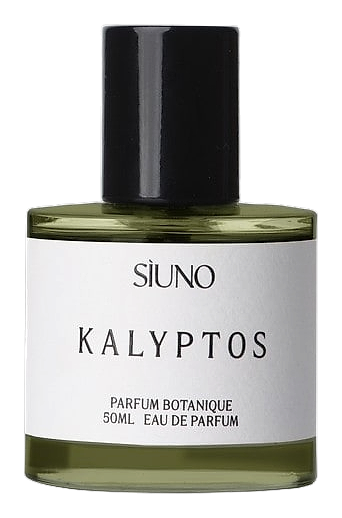
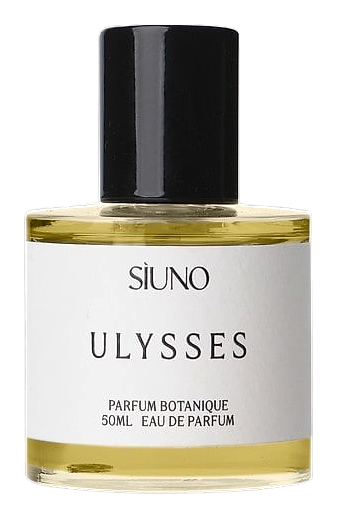
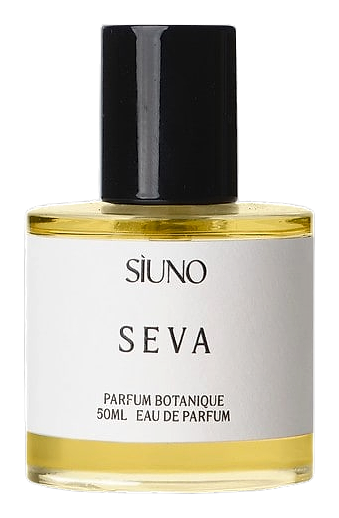
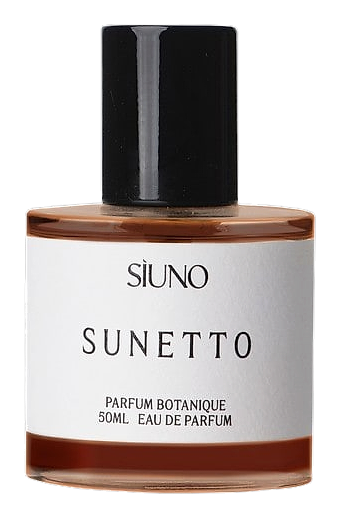
SìunoSìuno is a Melbourne-based botanical perfume house founded in 2024 by Amanda Marotti-Thompson. Its identity brings together Australian nature and traditional perfumery through five debut releases: Sunetto, Kalyptos, Aurelius, Seva and Ulysses. The house describes its approach as working with whole plant botanicals, while independent fragrance listings credit the fragrances to perfumers Andrej Babicky and Roxana. Sìuno presents perfume as both personal ritual and an invitation to notice the character of plants more closely. Public appearances, including a Melbourne pop-up with Van Brussel, place the brand within a contemporary Australian fragrance scene shaped by workshops, conversation and sensory discovery.
The Creator
Andrej BabickyBabicky's materials come from the botanical world, with natural perfume serving as his primary language. His published work includes writing on enfleurage, an extraction method in which fat captures fragrance from fresh blossoms, suggesting an interest in historic craft as wel…