Bonbon
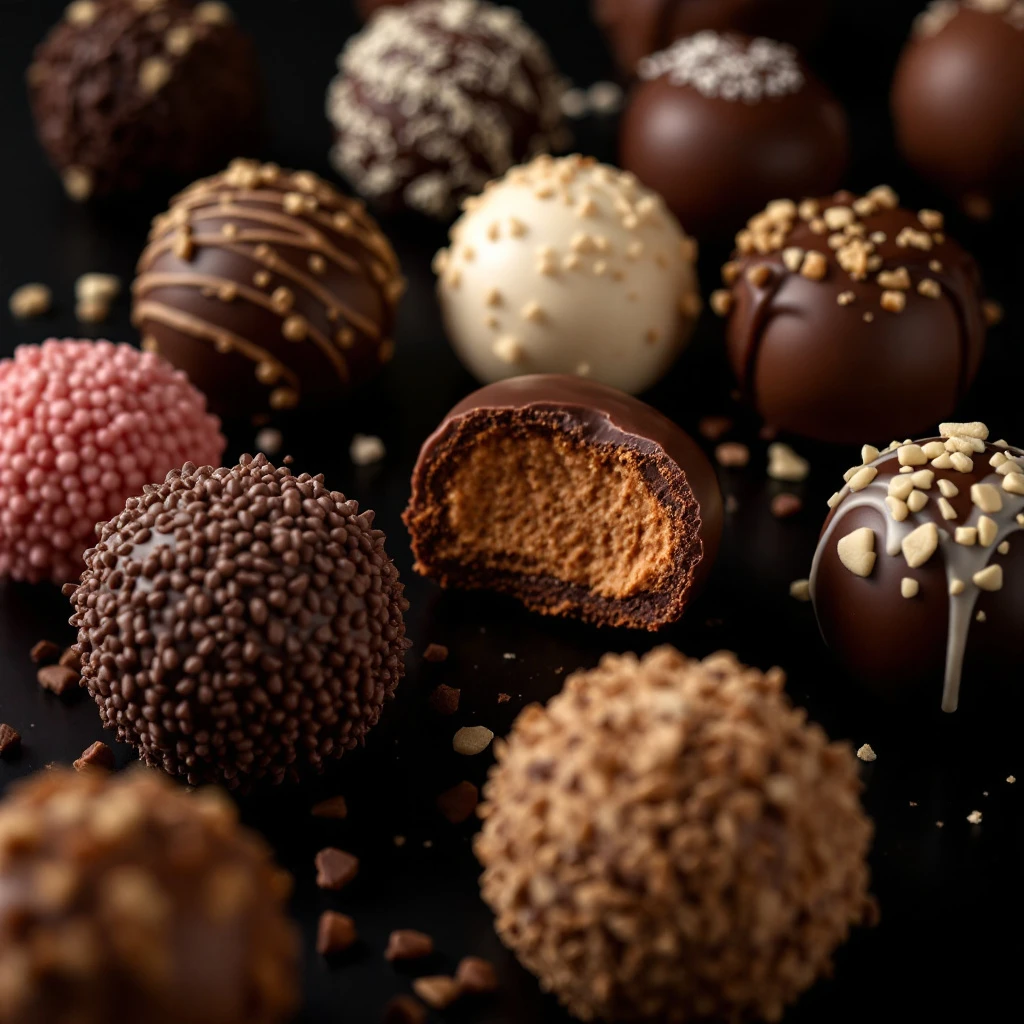
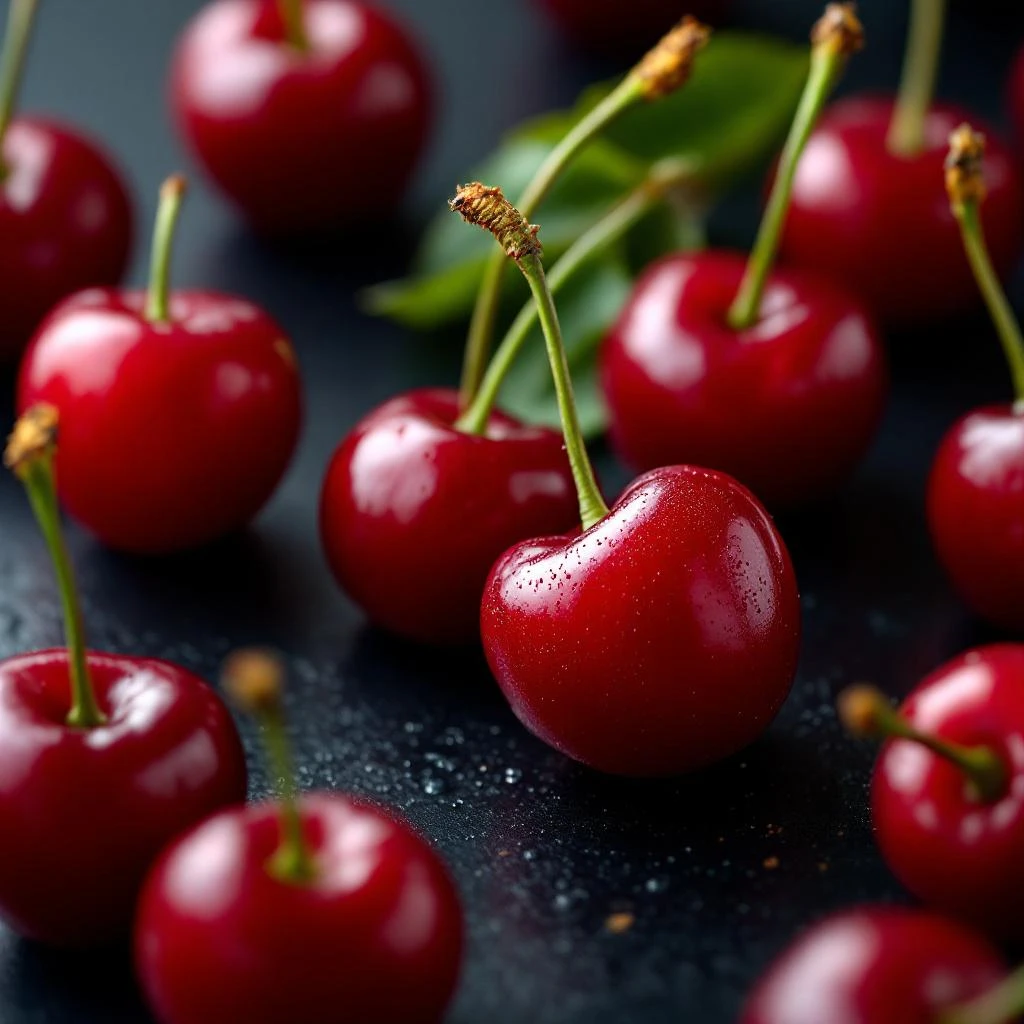
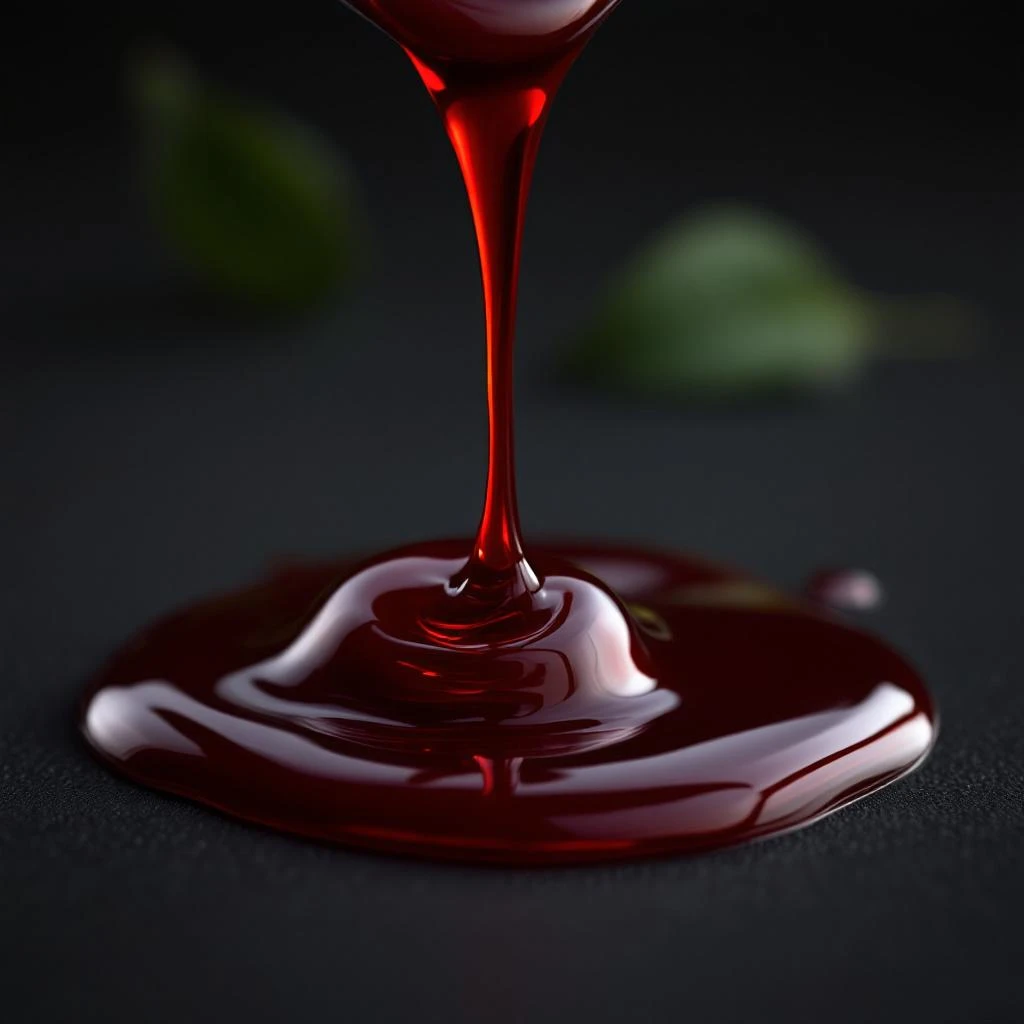
Bonbon is a modern confectionery note in perfumery, constructed from aroma chemicals to evoke the sensation of biting into a sweet treat. It captures the edible warmth of caramel, the soft sweetness of benzoin, and the lingering richness of vanilla, all blended into a single aromatic impression.
Character
How it smells
A edible sweetness wrapped in warm amber.
Natural vanilla requires roughly 500 kilograms of pods to yield just one kilogram of absolute, making synthetic vanillin the practical choice for consistent confectionery accords.





Origin
France
The Bonbon note traces its roots to the French word for candy, a term that has long been associated with sweetness and indulgence in French culture. While perfumers have worked with edible materials since antiquity, the modern confectionery trend in perfumery emerged in the late 20th century as synthetic aroma chemicals became more sophisticated. These synthetics gave perfumers the ability to construct edible impressions with remarkable precision, a feat that natural materials alone could not achieve.
The rise of the Bonbon note reflects a broader shift toward gourmand perfumery, which treats scent as an experience of taste and texture rather than purely botanical or floral beauty. Today, Bonbon remains a popular accord in women's fragrances, valued for its comforting warmth and universal appeal.
Wears it best
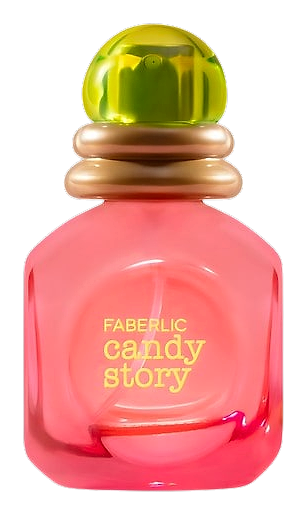
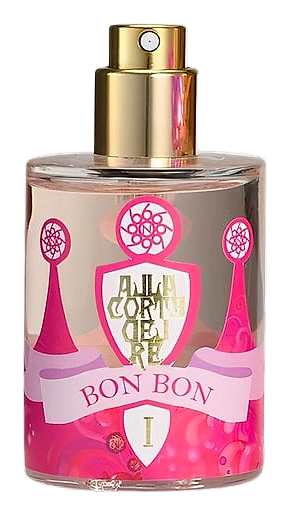
Fragrances featuring Bonbon
Brands
Brands known for Bonbon
Good to know
Questions, answered
The essentials on Bonbon in perfumery: how it smells, where it comes from, and how it behaves on skin.
What is the Bonbon note in perfumery?
Bonbon is a constructed gourmand note designed to evoke the sensation of eating candy. It blends synthetic aroma chemicals to create a warm, edible sweetness reminiscent of caramel, vanilla, and marzipan.
What aroma chemicals create the Bonbon note?
Core materials include vanillin for creamy vanilla, ethyl maltol for sugary warmth, coumarin for honeyed sweetness, and benzaldehyde for almond-kernel nuance. These are combined in precise ratios to form a unified confectionery impression.
Is Bonbon a natural or synthetic ingredient?
Bonbon is exclusively synthetic. No single natural material reproduces the full candy impression; perfumers construct it by blending multiple synthesized aroma chemicals for consistency and precision.
What does Bonbon smell like?
Bonbon smells like warm candy, typically with caramel undertones, soft vanilla depth, and a sweet, slightly nutty finish. The exact character shifts depending on the perfumer's ratio of materials.
When did confectionery notes like Bonbon enter perfumery?
Gourmand perfumery emerged in the late 20th century as synthetic chemistry advanced. By the 1990s and 2000s, notes like Bonbon became mainstream, driven by consumer demand for edible, comforting fragrances.
What is the cultural origin of the Bonbon note?
The term Bonbon comes from French, where it simply means candy. French perfumers were among the first to popularize edible-themed accords, establishing the association between the word and sweet, indulgent fragrance impressions.
How does Bonbon perform in a fragrance composition?
Bonbon typically appears in the heart or base of a fragrance, providing lasting warmth and sweetness. It pairs well with amber, sandalwood, and fruit notes, adding depth and a comforting dry-down.
Why do perfumers use synthetic materials for Bonbon?
Synthetics allow perfumers to achieve a consistent, edible impression that natural materials cannot replicate alone. Batch-to-batch consistency is possible only through laboratory-synthesized aroma chemicals.