The Story
Why it exists.
The beginning
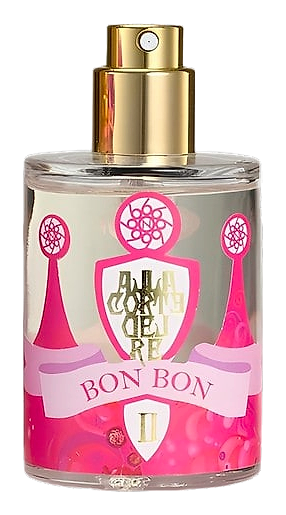
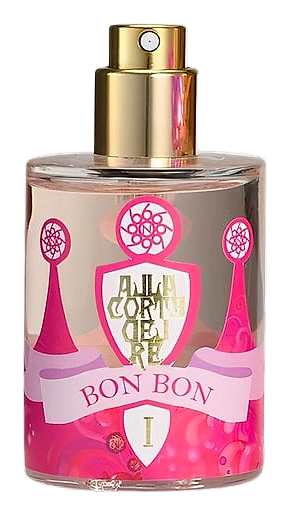
The Bon Bon collection arrived in 2014 as Nobile 1942's answer to the question of pure, unapologetic sweetness. I Zucchero Candito, Sugar Candy in Italian, became its centerpiece. The name alone sets the agenda. The press release took the concept further: a blizzard of crystallized sugar covering everything in a white coat, drawn from the winter wonderland of Tchaikovsky's The Nutcracker. The house wanted wearers to feel, for a moment, like they'd stepped into that fairy tale. Sweetness as setting rather than scent. The confection becomes the landscape.
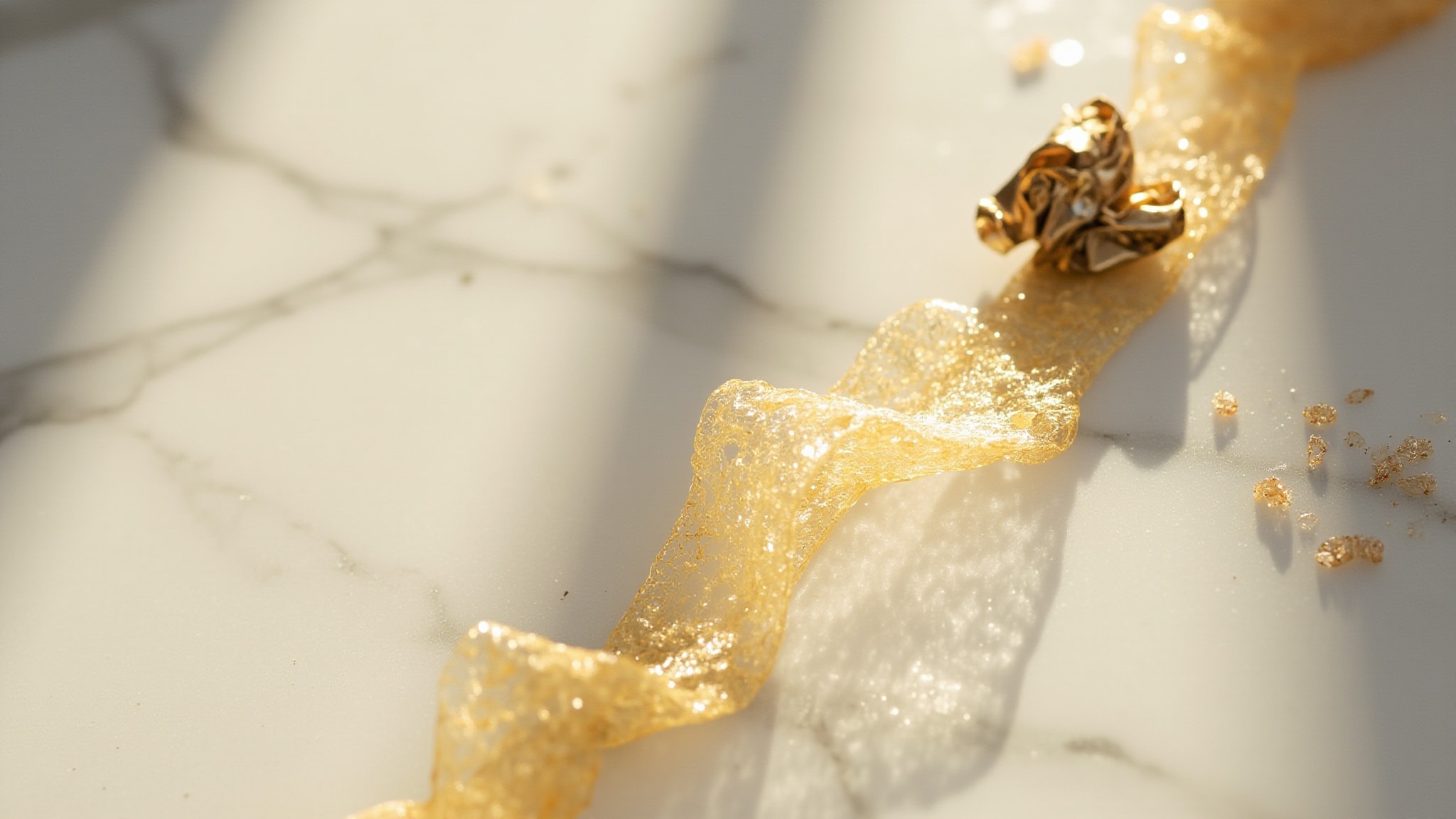
What's remarkable is the structure's clarity. Toffee leads, warm, immediately edible. Then rock sugar arrives: sharp, crystalline, the sensation of hard candy dissolving against your tongue. No complexity muddying the picture. The heart spirals into spun sugar and marshmallow softness, that almost-nothing texture of sugar floss catching light. The base isn't woody or musky to ground things, it's bonbon and caramel. More sweetness. The composition doesn't fight its nature; it leans fully into it, building a tower of sugar that somehow never collapses into cloying territory on most skin types.
The evolution
The opening hits immediately, toffee warmth that coats without heaviness, like unwrapping a caramel in cold air. Within minutes, rock sugar cuts through: crystalline edges, the bright smell of hard candy. The sweetness doesn't fade so much as transform, spiraling into something lighter, almost ephemeral. The heart belongs to spun sugar threads, gossamer thin, catching and dissolving. By the time the drydown arrives, bonbon and caramel have settled into sticky closeness, syrup-warm and clinging. It doesn't fill a room so much as leave a trail, close enough that someone leaning in will find it. The sweetness can linger into the next day on fabric, a faint caramel warmth in the morning.
Cultural impact
A niche house releasing something this aggressively sweet in 2014 was a statement. The Bon Bon series positioned itself for those who'd dismissed gourmand fragrances as one-note novelties. Wearers describe it as the scent of someone who walked into a room and announced, without apology, that they wanted to smell like candy. The reception split predictably, those who found it remarkable, those who found it too much. That polarization is, arguably, the point.