Blueberry Candy
Blueberry Candy captures the sweet, jammy tartness of ripe blueberries dipped in sugar. A purely synthetic accord built to evoke sugary childhood confections in modern gourmand perfumery.

Character
How it smells
Sugar-coated berries, bottled
Unlike citrus or rose, real blueberries yield too little aromatic oil for perfumery, so every blueberry note in fragrance is constructed from synthetic aroma molecules.
Pairs beautifully with


Origin
N/A (synthetic accord; conceptual origin in North America)
Synthetic fragrance ingredients reshaped modern perfumery starting in the late 19th century. William Henry Perkin's 1868 synthesis of coumarin from tonka beans marked a turning point, proving that aromatic molecules could be made in a laboratory rather than extracted from fields and forests. This opened the door for vanillin, benzaldehyde, and eventually the complex fruit accords that dominate contemporary gourmand perfumery.
Blueberry as a recognizable fragrance note arrived much later, tied to the rise of sweet, confection-inspired scents in the early 2000s. Unlike citrus or rose, which carry centuries of distillation tradition, the blueberry note belongs entirely to the synthetic era. Its development relied on advances in aroma chemistry that allowed perfumers to recreate fruits that resist traditional extraction.
The blueberry accord remains a marker of how modern perfumery often builds scent from imagination rather than botanical source material, a quiet revolution that began with Perkin's coumarin and continues with each new gourmand launch.
Wears it best
Fragrances featuring Blueberry Candy
Brands
Brands known for Blueberry Candy
Good to know
Questions, answered
The essentials on Blueberry Candy in perfumery: how it smells, where it comes from, and how it behaves on skin.
What does Blueberry Candy smell like in perfume?
A sweet, jammy blend of ripe blueberry fruitiness layered with sugary, candy-shop warmth. The accord typically reads as tart berry on top, fading into caramel-like sweetness, with no earthy or leafy undertones. It is brighter and sweeter than fresh blueberry and lacks the jamminess of cooked fruit.
Is Blueberry Candy a natural or synthetic fragrance note?
Entirely synthetic. Blueberry fruit yields too little aromatic oil for distillation or solvent extraction, so every blueberry note in perfumery is reconstructed in a laboratory from aroma molecules like ethyl 2-methylbutyrate, maltol, and vanillin.
Why can't blueberry be extracted like other fruits?
Unlike citrus peels or rose petals, blueberry pulp contains insufficient volatile oil for commercial extraction. The fruit's aromatic compounds exist in tiny concentrations trapped in water-heavy tissue, making distillation or cold-pressing unviable at scale.
When was the blueberry note first used in perfumery?
Blueberry as a distinct fragrance note emerged in the early 2000s alongside the gourmand fragrance trend. It is a product of modern aroma chemistry, building on the synthetic molecule revolution that began with William Henry Perkin's 1868 coumarin synthesis.
Which synthetic molecules create the Blueberry Candy accord?
Perfumery typically combines ethyl 2-methylbutyrate for fruity sharpness, maltol and ethyl maltol for sugary caramel sweetness, vanillin for warmth, and lactones for creamy body. Ratios shift the result toward either fresh berry or candy-shop sweetness.
What fragrance families feature Blueberry Candy?
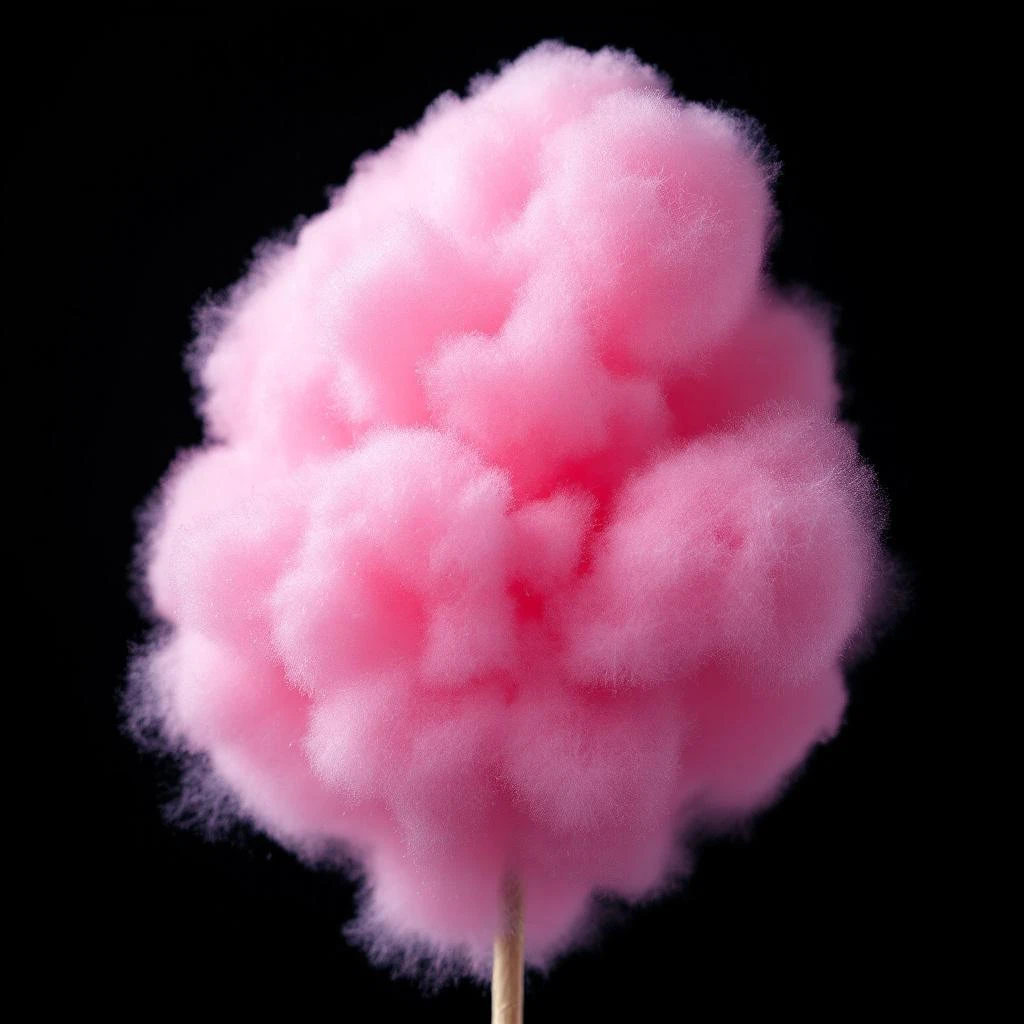
Primarily gourmand and fruity-floral compositions. It appears in youthful, sweet fragrances targeting playful or nostalgic moods, often paired with vanilla, marshmallow, cotton candy, or creamy musks to amplify its confectionary character.
Does Blueberry Candy contain real blueberry?
No. The accord contains zero natural blueberry material. Every aromatic element comes from synthetic molecules designed to imitate the fruit's scent profile, since extracting essential oil from blueberries is not commercially feasible.
Is Blueberry Candy safe in fragrance?
Yes. The synthetic molecules used to construct the blueberry accord are approved by IFRA for use in perfumery within specified concentration limits. The accord carries no known sensitization risks beyond standard fragrance ingredients when formulated responsibly.





