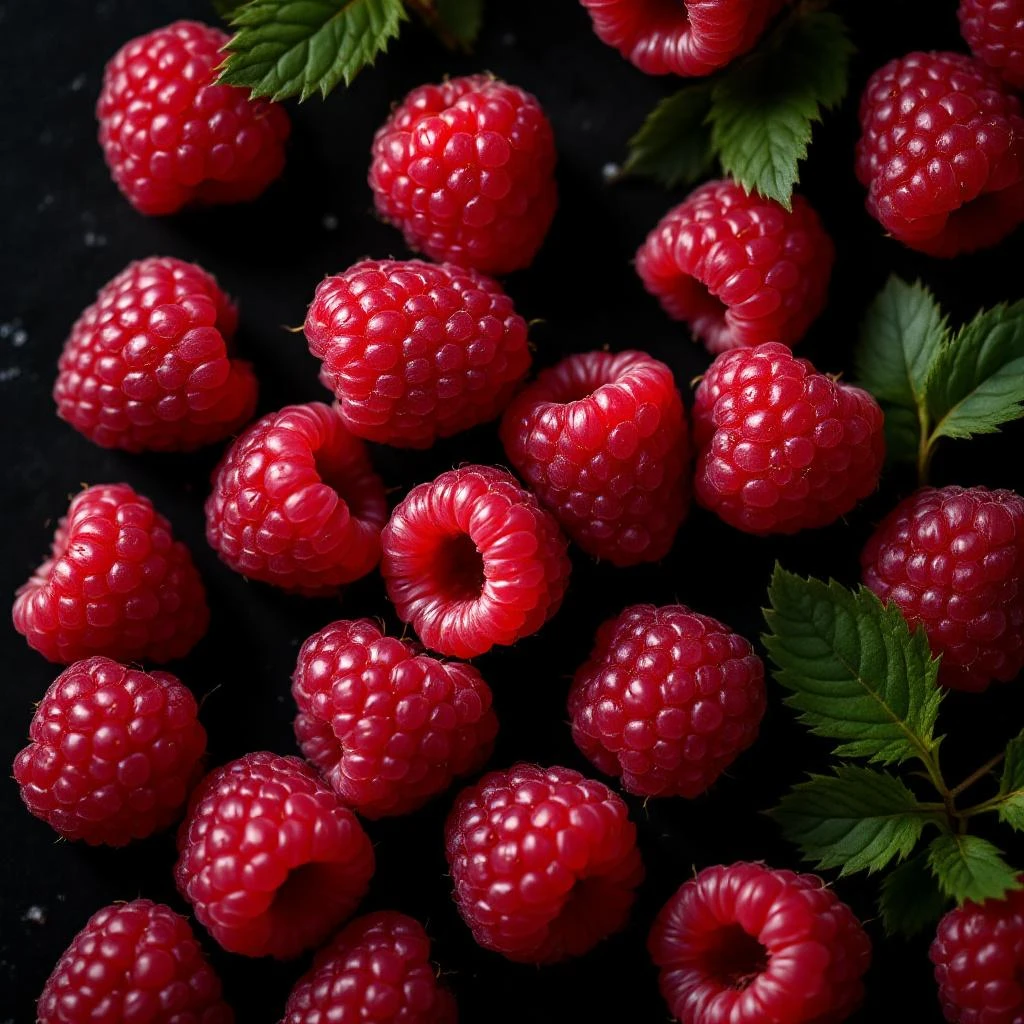
Blackberry Sorbet
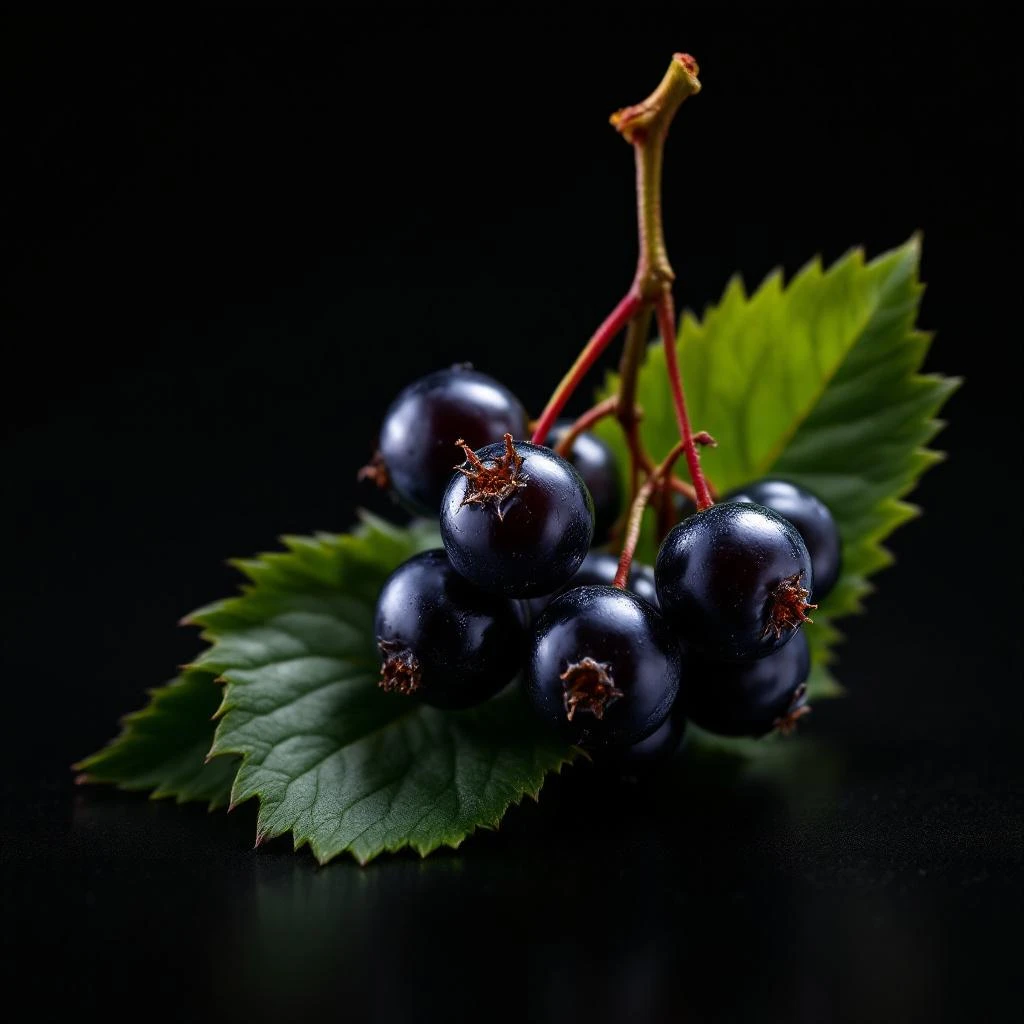
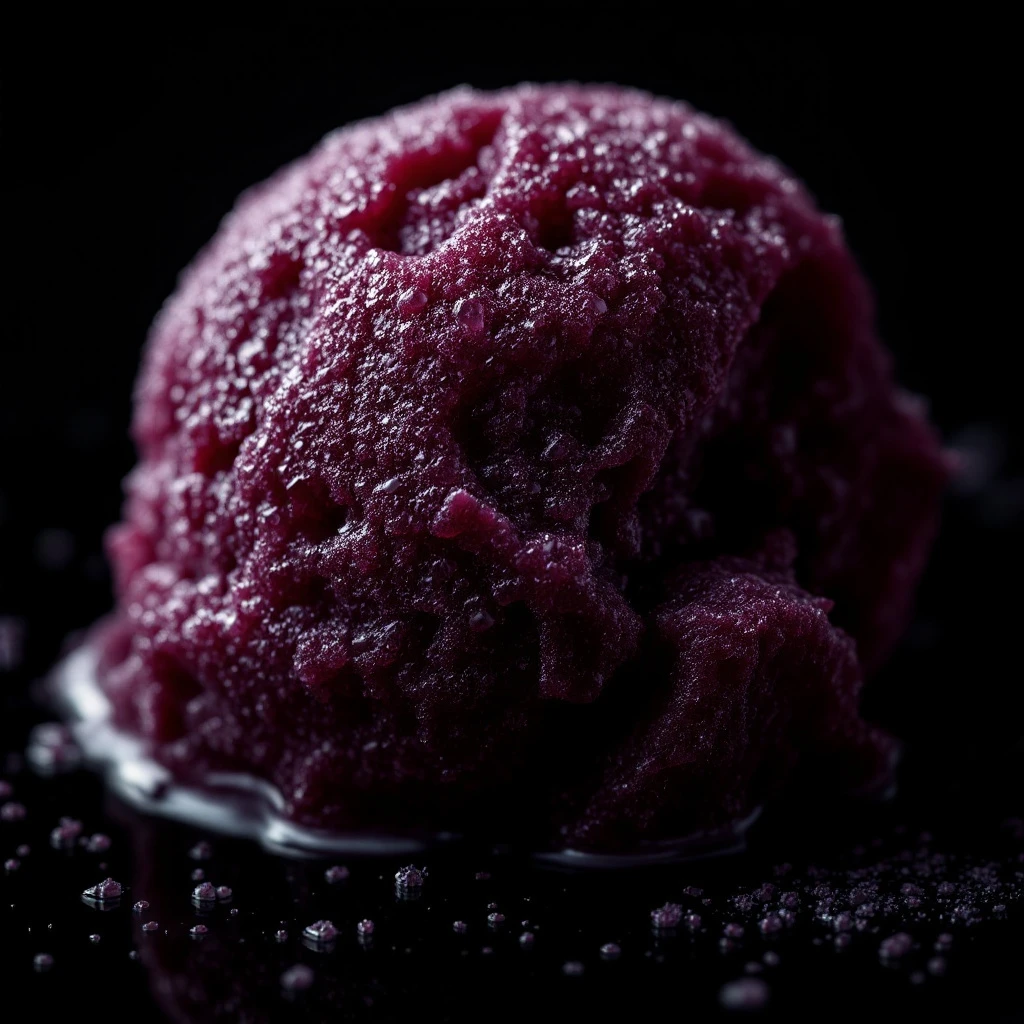
Blackberry sorbet captures the icy-sweet tartness of ripe blackberries churned into a frozen dessert. This accord balances jammy fruit, cool freshness, and a sugared finish that brightens floral and gourmand compositions.
Character
How it smells
Frozen berries, crushed and sugared
Blackberries contain over 200 aromatic compounds, yet perfumers rarely distill the real fruit because its delicate top notes vanish within hours of pressing.
Pairs beautifully with

Origin
France
The blackberry has grown wild across European and North American hedgerows for millennia, gathered for food and folk medicine long before perfumers took interest. The Roman naturalist Pliny recorded its medicinal uses in the first century CE, and medieval herbalists prescribed blackberry syrups for ailments ranging from mouth ulcers to dysentary. The berry entered the perfumer's palette only in the twentieth century, when synthetic aroma chemistry unlocked access to fruit notes that had previously been impossible to capture.
Early fruity fragrances relied on simple compounds like ethyl acetate and amyl acetate, but these smelled artificial and candy-like rather than ripe. The breakthrough came with the discovery of more complex esters in the 1960s and 1970s, which allowed perfumers to evoke realistic fruit impressions without harvesting acres of perishable berries. Blackberry as a named accord appeared in fragrances during the 1990s, often paired with gourmand notes such as vanilla, cream, or chocolate.
The sorbet interpretation is a more recent variation, born from the 2010s trend of frozen and chilled scent effects that add cooling freshness without traditional mint.
Wears it best
Fragrances featuring Blackberry Sorbet
Brands
Brands known for Blackberry Sorbet
Good to know
Questions, answered
The essentials on Blackberry Sorbet in perfumery: how it smells, where it comes from, and how it behaves on skin.
Is blackberry sorbet a natural ingredient?
No. Blackberry sorbet is a synthetic accord built from individual aroma molecules rather than an extract pressed or distilled from actual fruit. The real berry's top notes degrade too quickly for practical perfumery.
What does blackberry sorbet smell like?
It smells like frozen blackberries pulverized with sugar, combining tart jammy fruit with a cool, almost minty freshness. The cooling sensation comes from specialized molecules added to the fruity base.
How is the cooling effect in blackberry sorbet created?
Perfumers add compounds such as menthyl lactate or WS-23 to fruity accords to produce a chilling sensation without the sharp green character of actual mint or menthol.
When did fruity notes become popular in perfumery?
Modern fruity accords gained traction in the 1990s following advances in synthetic chemistry during the 1960s and 1970s that made realistic fruit impressions commercially viable.
Can blackberry sorbet be used in all fragrance families?
Yes. It appears across floral, gourmand, and fruity families, lending versatility due to its balanced sweetness and freshness. It pairs especially well with vanilla, rose, and citrus notes.
Why not extract real blackberries for perfume?
Steam distillation destroys the delicate top notes, and cold pressing yields an aroma that fades within hours. Reconstruction from stable synthetic molecules produces consistent, long-lasting results.
Is blackberry sorbet the same as blackberry in perfumery?
No. Standard blackberry accords focus on ripe, jammy fruit, while the sorbet variation emphasizes a frozen, cooling impression through added chilling agents and lighter fruity esters.
Are blackberries historically significant in perfumery?
Blackberries served medicinal and culinary purposes in ancient Rome and medieval Europe, but they only entered perfumery after twentieth-century advances in synthetic aroma chemistry made fruit notes stable and reproducible.