Blackberry Seeds
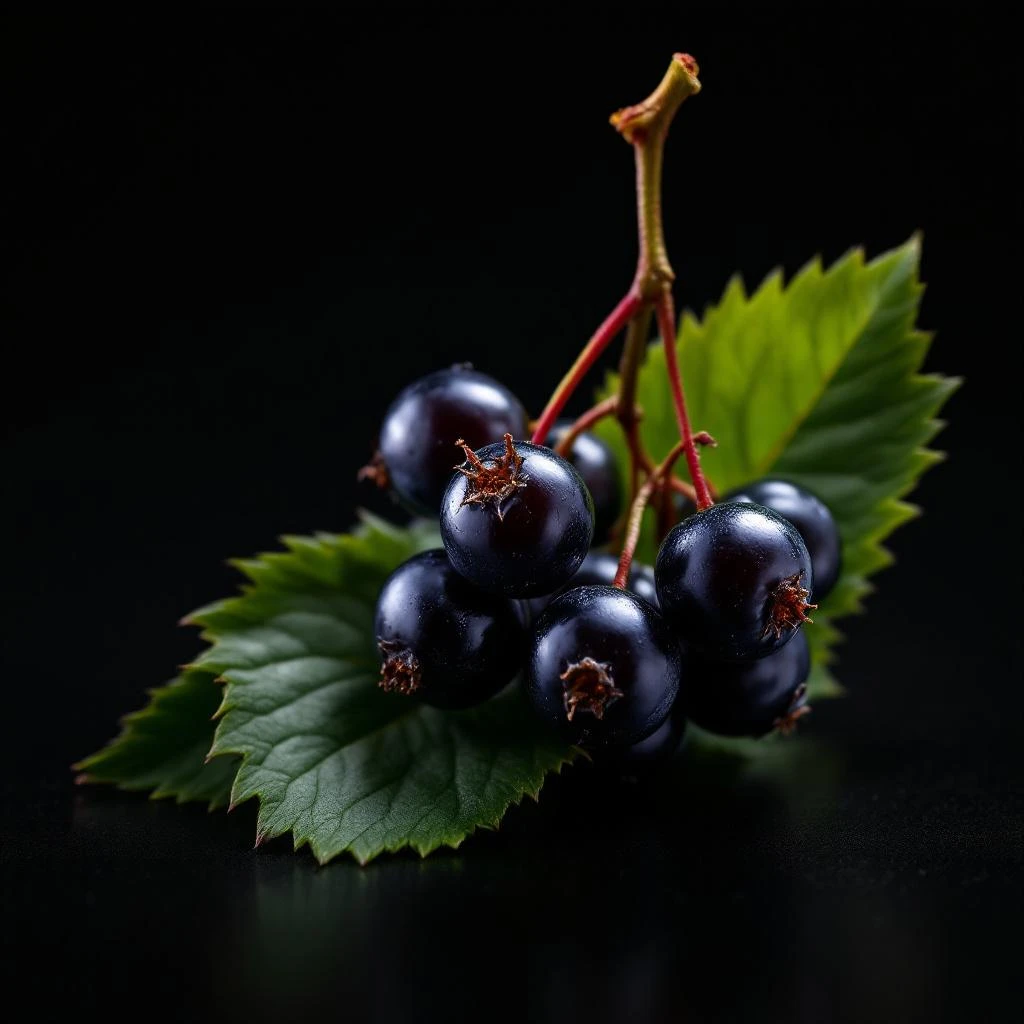
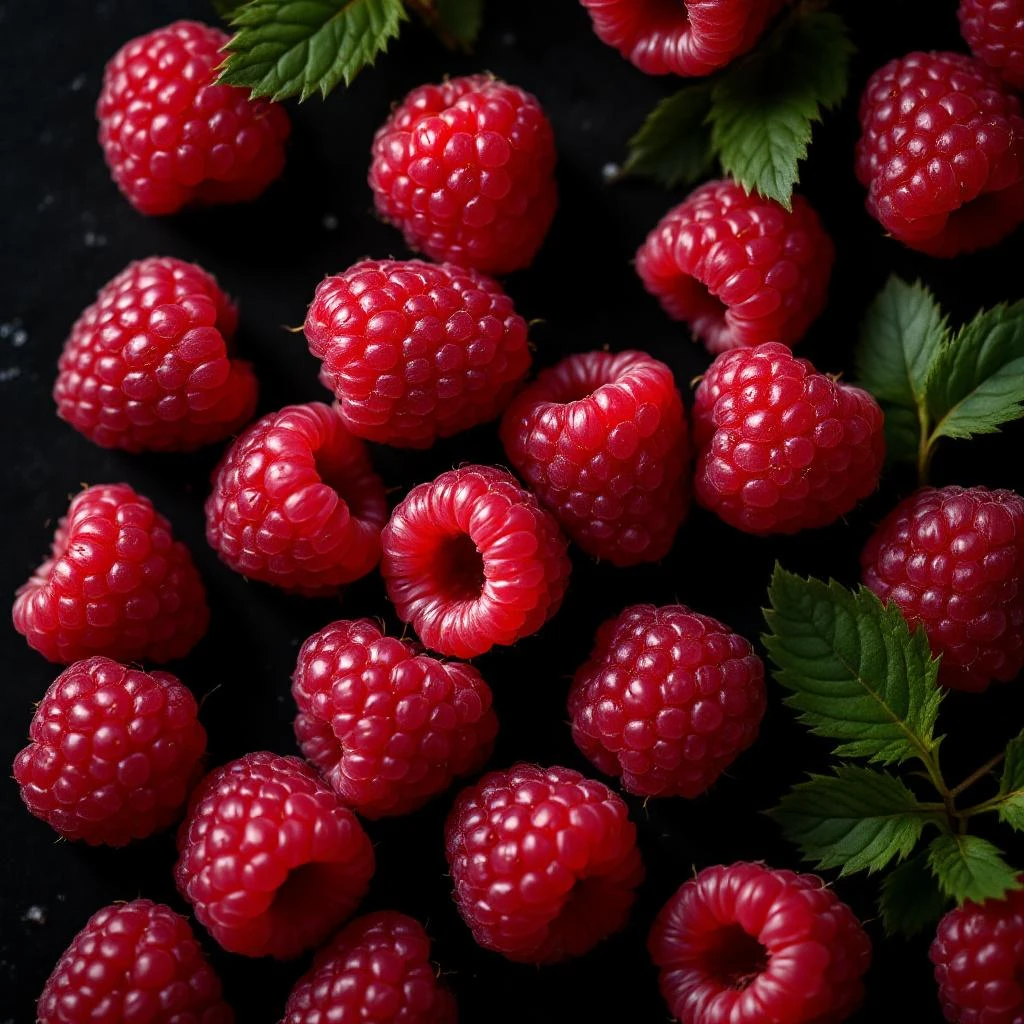
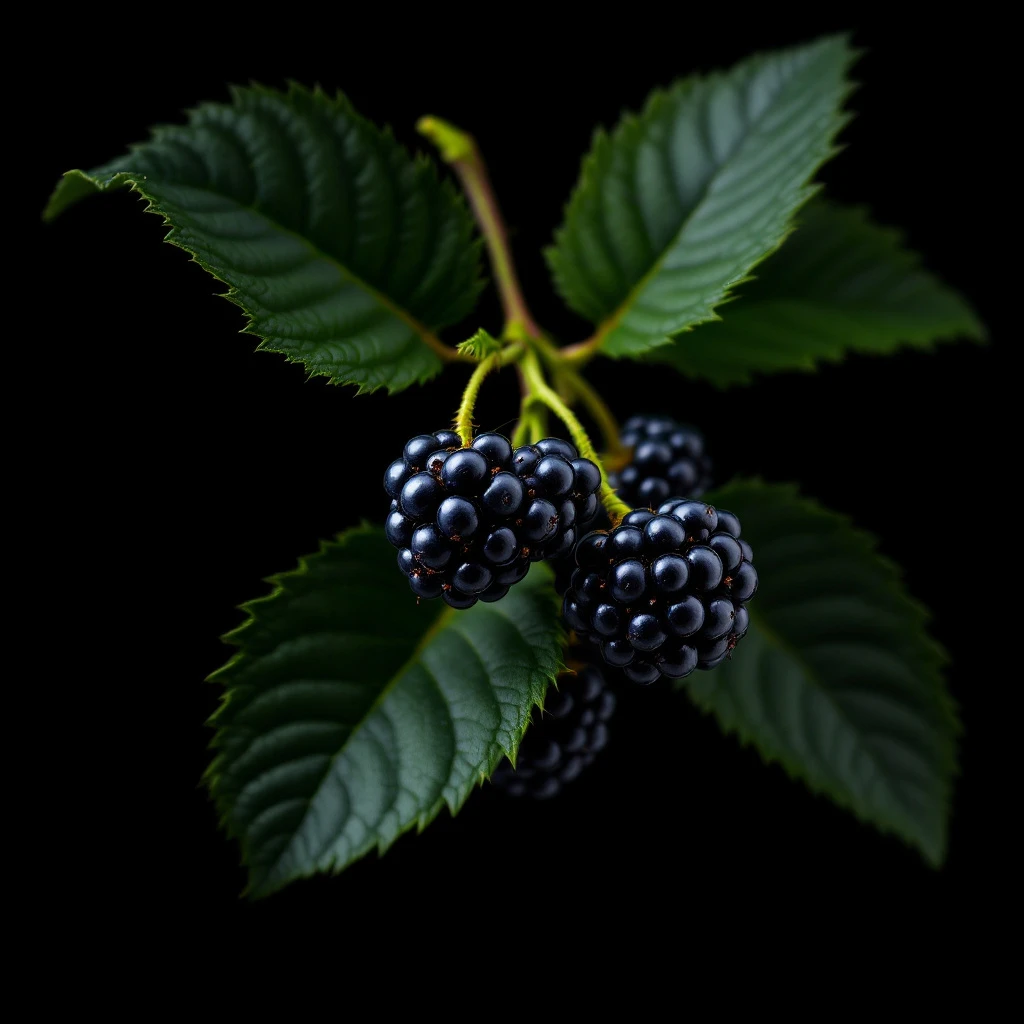
The tiny, often-overlooked seeds of the blackberry carry a sharp, almost bitter green facet beneath the fruit's familiar jammy sweetness. Perfumers prize this dimension, which adds a wild, untamed edge to fruity compositions.
Character
How it smells
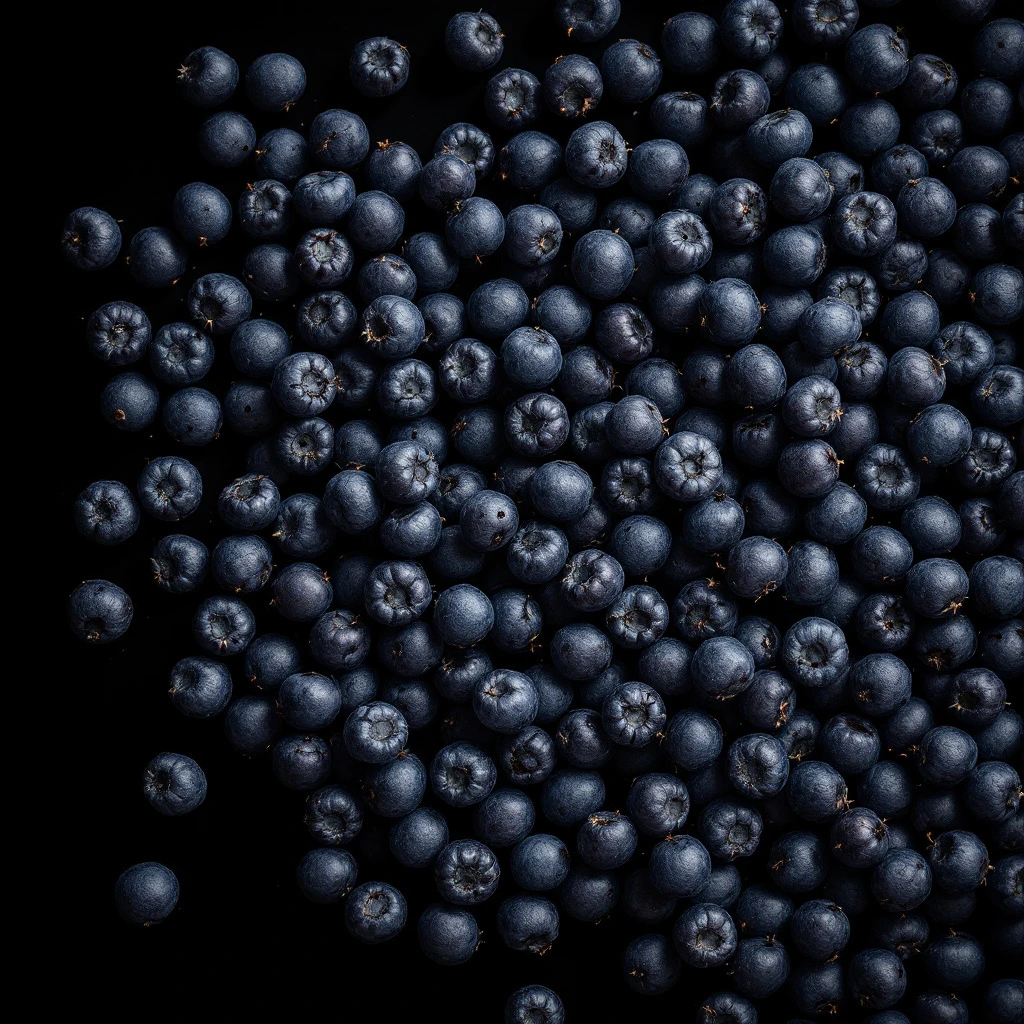
Wild tartness hidden inside the berry
Blackberry seeds contain trace amounts of linoleic acid and natural antioxidants that contribute a faintly nutty, hay-like undertone quite distinct from the juicy fruit pulp.
Pairs beautifully with
Origin
France
The blackberry, a bramble of the genus native to Europe, North America, and temperate Asia, has been foraged for food and medicine for thousands of years. Greek physician Dioscorides referenced the plant in De Materia Medica around 50 CE, noting its use in gargles and poultices. While the fruit became a staple of jams, cordials, and liqueurs across Europe from the medieval period onward, the seeds themselves attracted little commercial attention until the late 20th century, when natural perfumery began seeking new sources of green-fruity complexity beyond the fruit pulp.
The 1990s saw a small wave of artisan perfumers experimenting with blackberry seed extracts as a textural element in chypre and gourmand compositions. Today, upcycled seed byproducts from the juice industry represent a growing niche in sustainable fragrance sourcing, turning what was once agricultural waste into a valued aromatic material.
Wears it best
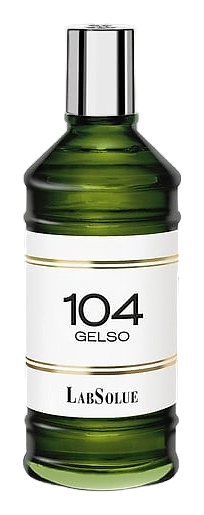
Fragrances featuring Blackberry Seeds
Brands
Brands known for Blackberry Seeds
Good to know
Questions, answered
The essentials on Blackberry Seeds in perfumery: how it smells, where it comes from, and how it behaves on skin.
What do blackberry seeds smell like in perfume?
Blackberry seeds contribute a dry, slightly bitter, green-fruity facet that sits beneath the juicier top notes of berry accords. They add depth, earthiness, and a wild, brambly quality that pure fruit extracts cannot replicate.
How are blackberry seeds processed for fragrance?
The seeds, a byproduct of juice production, undergo treatment with food-grade solvents to produce a concrete, which is then washed with ethanol to yield an absolute. This method preserves delicate aromatic compounds that steam distillation would destroy.
Are blackberry seeds sustainable to source?
Yes. Blackberry seed material is typically upcycled from existing juice and jam production, meaning no additional agricultural resources are required. This makes it a favored ingredient for sustainable and circular perfumery initiatives.
Is blackberry seed extract the same as blackberry fruit extract?
No. Fruit extracts emphasize sweet, jammy, sugary notes. Seed extracts lean toward bitter, green, woody, and slightly nutty facets. Many perfumers blend both to construct a realistic, multidimensional blackberry accord.
Which perfume types feature blackberry seed notes?
Gourmand, fruity chypre, and modern aromatic compositions most often incorporate blackberry seed extracts. They also appear in unisex fragrances seeking textural contrast between sweet fruit and dry herbal elements.
Can blackberry seeds be cold-pressed for oil?
Yes, cold pressing yields a carrier oil rich in antioxidants and linoleic acid, used in skincare. For perfumery, however, solvent extraction of the aromatic compounds remains the standard method, as cold pressing captures almost no volatile scent.
When did perfumers start using blackberry seeds?
Artisan perfumers began experimenting with blackberry seed extracts in the 1990s, driven by interest in upcycled agricultural byproducts. Wider commercial adoption grew during the 2010s alongside the rise of sustainable ingredient sourcing.
Do blackberry seeds contain allergens?
According to EU cosmetic regulations, fruit-derived extracts may contain trace limonene and other natural constituents. Formulators must list these on labels when concentrations exceed specified thresholds in leave-on products.