Black Mulberry
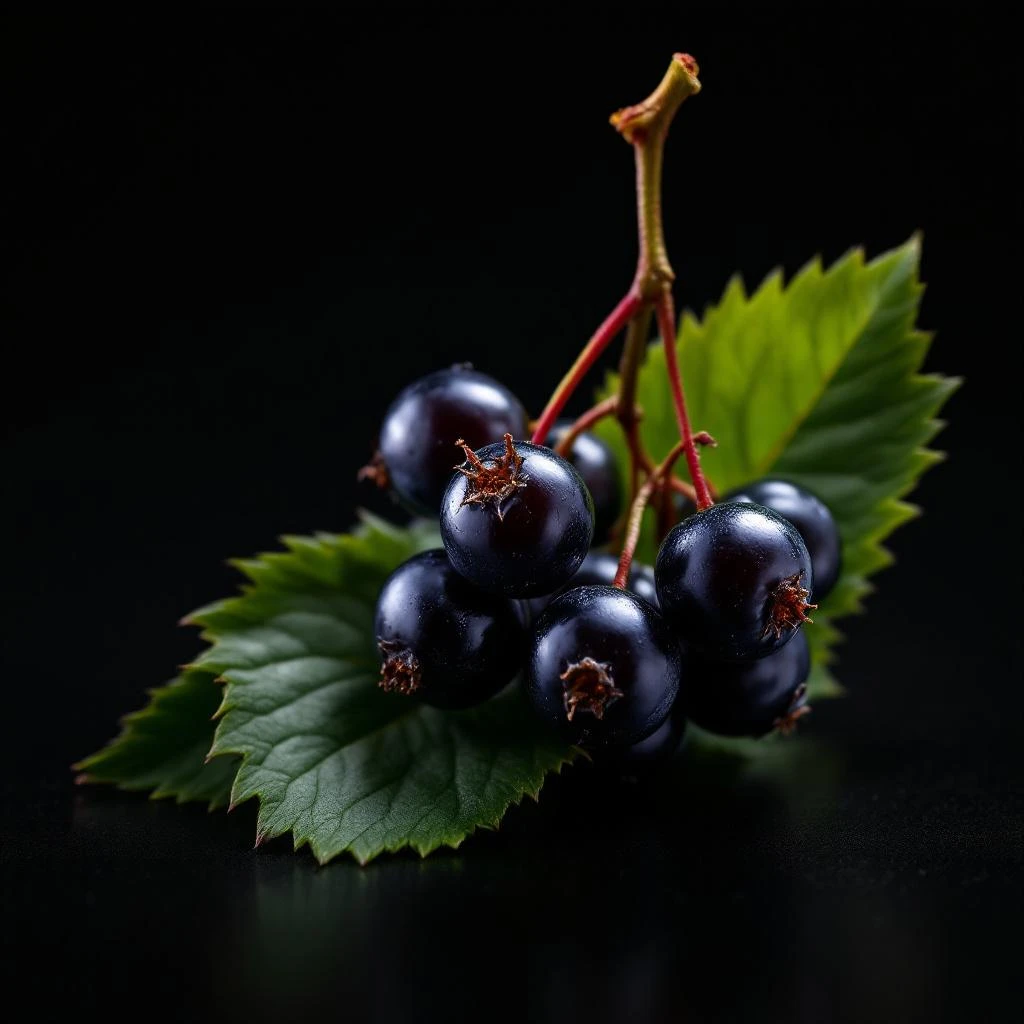
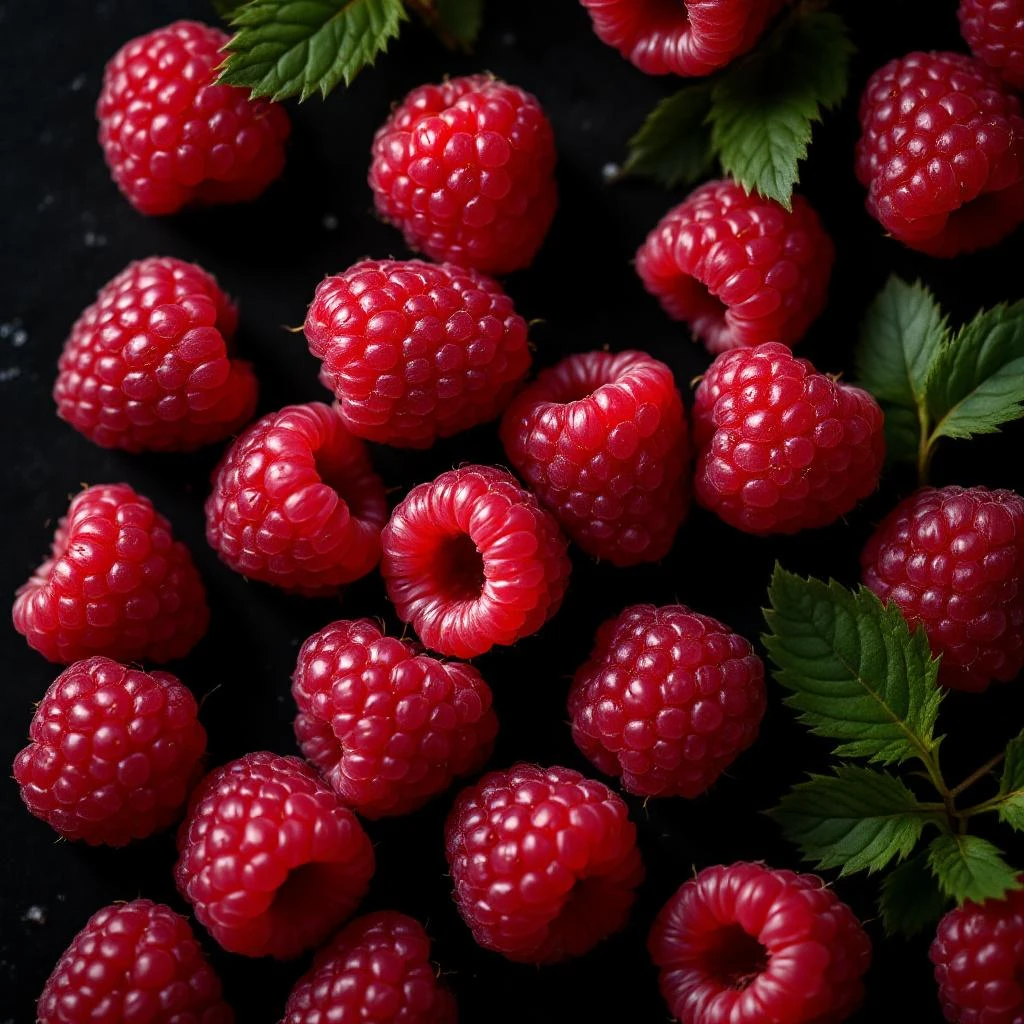
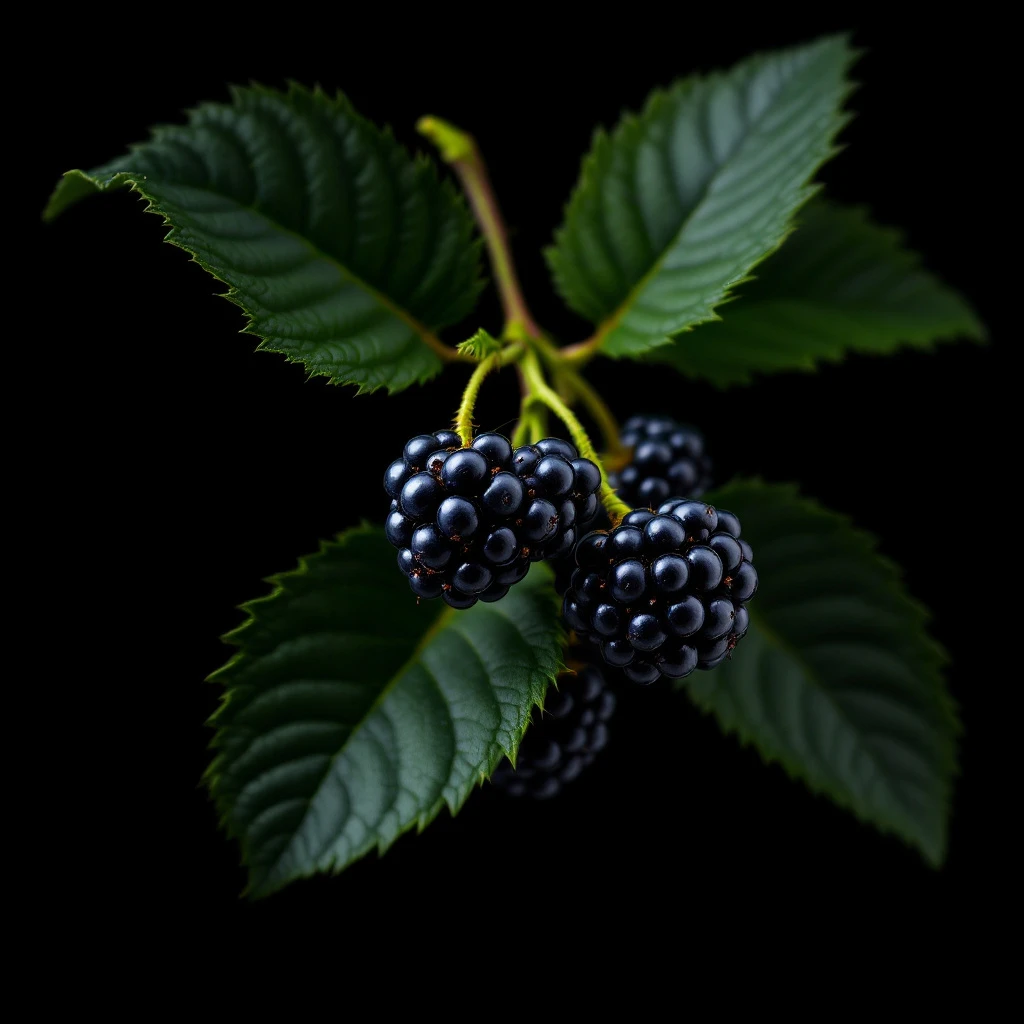
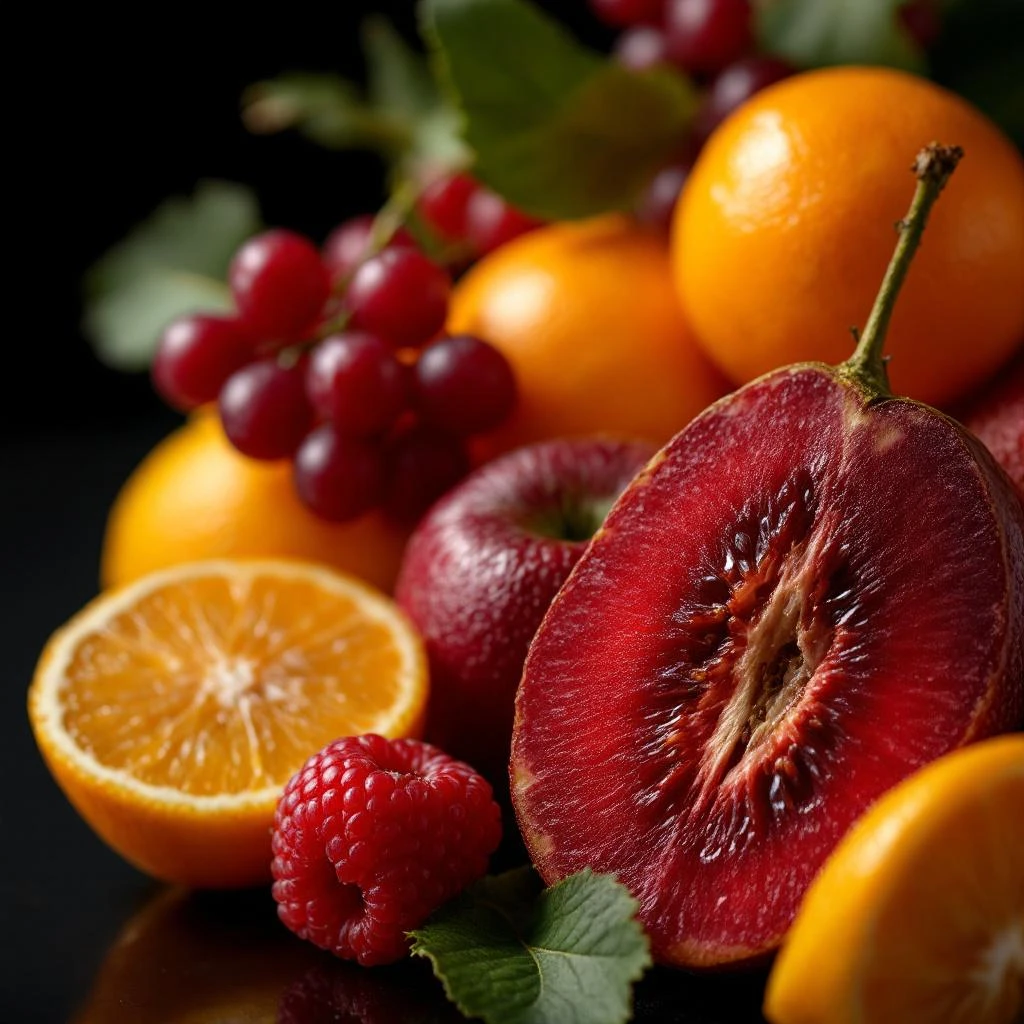
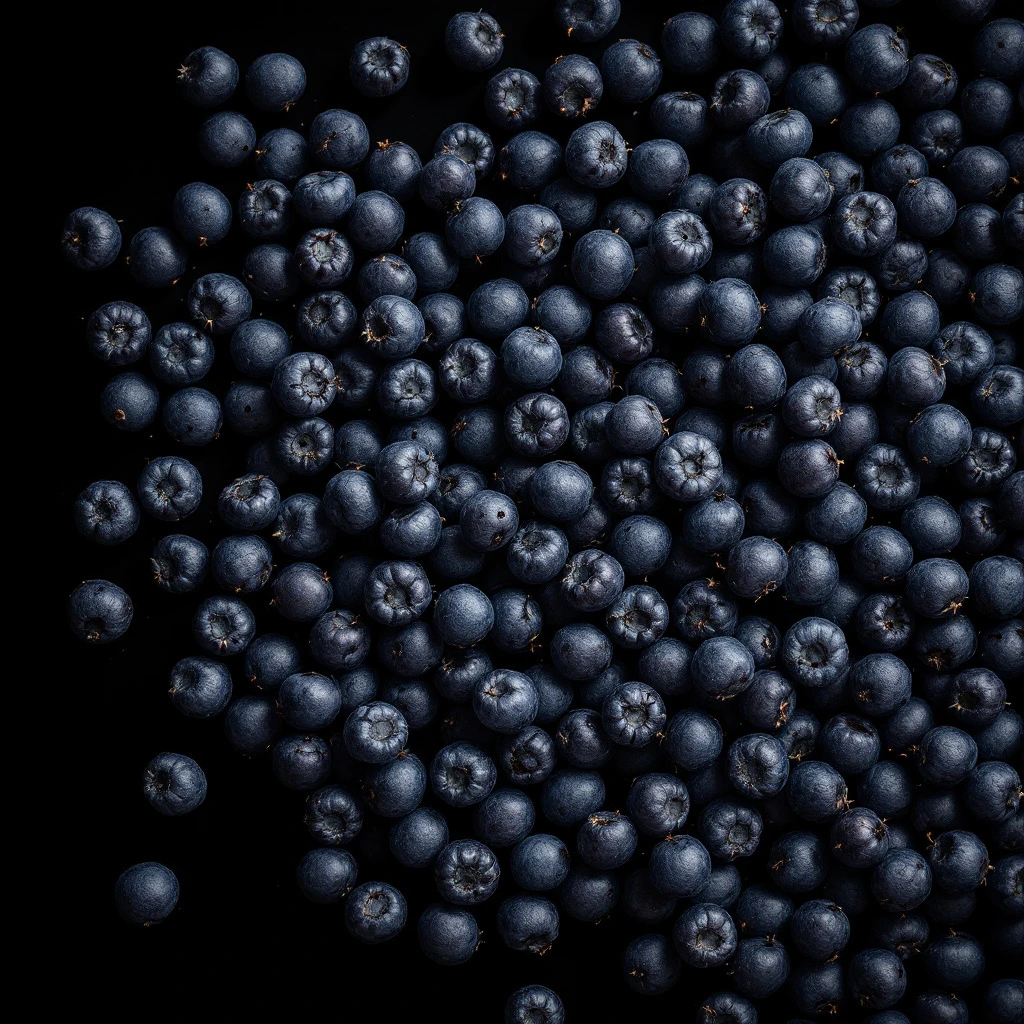
A dark, jammy accord built to evoke the ripest mulberry at peak harvest. Black mulberry delivers syrupy sweetness tempered by leafy green facets and a subtle tannic edge.
Character
How it smells
Dark fruit, crushed ripe
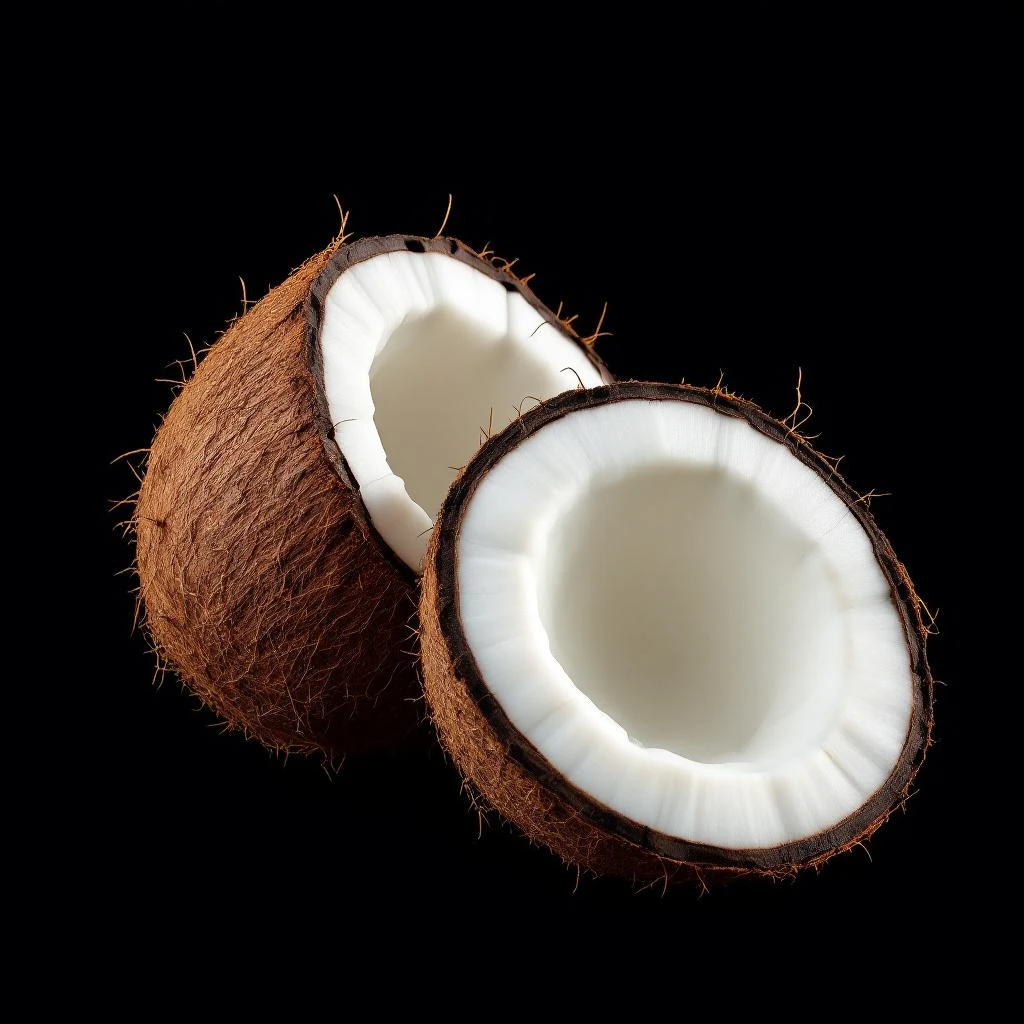
True mulberry absolute is rare and costly; most perfumers construct this note through a blend of berry accords, gamma-decalactone, and fir balsam.
Pairs beautifully with
Origin
United States
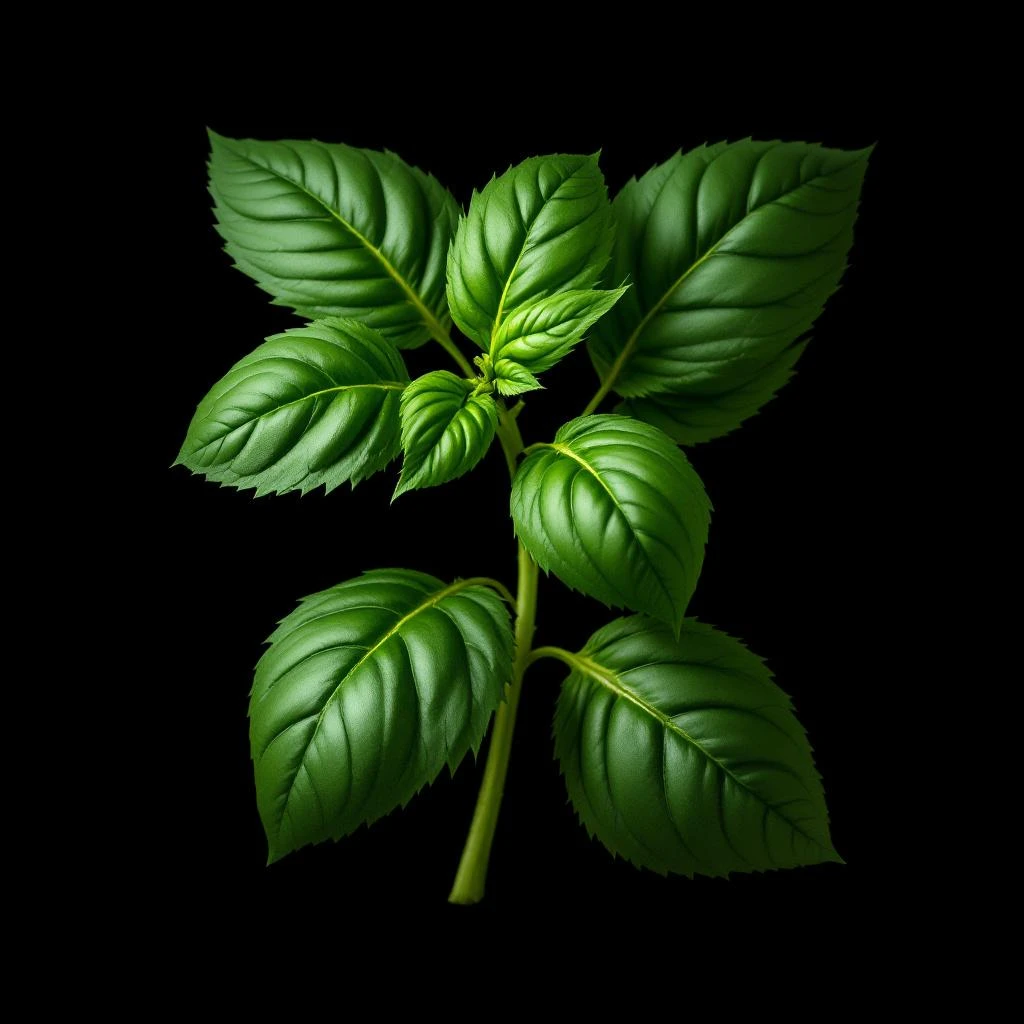
Mulberry trees have nourished humans across Eurasia for at least four thousand years, with archaeological evidence of leaf use in Chinese sericulture stretching back to the Neolithic period. The fruit itself appears in ancient Greek and Roman texts, where Pliny the Elder documented medicinal applications and cultivation practices around 77 CE. In traditional Persian and Anatolian folk culture, black mulberry held symbolic weight as a food of abundance, often dried into leather-like sheets for winter storage.
The transition into perfumery, however, came much later. During the late twentieth century, as fruity gourmands gained traction in French and American fragrance houses, perfumers began seeking realistic dark-fruit accords. The natural absolute proved commercially impractical due to low yield and inconsistent quality, so chemists developed the modern reconstructed version using lactones first isolated from stone fruits in the 1960s.
By the early 2000s, black mulberry had secured its place as a recurring motif in oriental and chypre compositions.
Wears it best
Fragrances featuring Black Mulberry
Brands
Brands known for Black Mulberry
Good to know
Questions, answered
The essentials on Black Mulberry in perfumery: how it smells, where it comes from, and how it behaves on skin.
What does black mulberry smell like in perfume?
Black mulberry reads as a dark, jammy fruit accord with syrupy sweetness, faint green leaves, and a subtle tannic bite. It sits between blackberry and fig, closer to cooked preserves than fresh berries.
Is black mulberry a natural or synthetic note?
Almost always synthetic. Genuine mulberry absolute is rarely produced commercially, so perfumers build the note from aroma chemicals like gamma-decalactone combined with green and earthy modifiers.
Which fragrance families use black mulberry?
It appears most often in oriental, gourmand, and dark chypre compositions. The note adds depth to compositions featuring amber, patchouli, oud, or vanilla bases.
How is a black mulberry accord created?
A typical accord blends lactones for creamy fruit pulp, cis-3-hexenol for leafy green freshness, ethyl methylphenylglycidate for jam-like richness, and fir balsam for an earthy finish.
What other notes pair well with black mulberry?
It blends smoothly with fig, blackcurrant, plum, and raspberry. Patchouli, sandalwood, and oud add grounding contrast, while vanilla and tonka deepen the syrupy sweetness.
When did black mulberry enter modern perfumery?
The reconstructed note emerged in the late 1990s and early 2000s as fruity gourmands grew popular, replacing earlier berry accords with darker, more complex profiles.
Is black mulberry the same as blackberry in perfume?
No. Blackberry tends toward tart, bright sharpness with woody undertones, while black mulberry leans sweeter, more lactonic, and closer in character to fig or grape must.
Why is real mulberry absolute so uncommon?
Mulberries contain high water content and delicate aromatics that degrade during distillation. Solvent extraction yields a waxy, unstable concrete, making synthetic reconstruction far more practical.