Black Vanilla Orchid
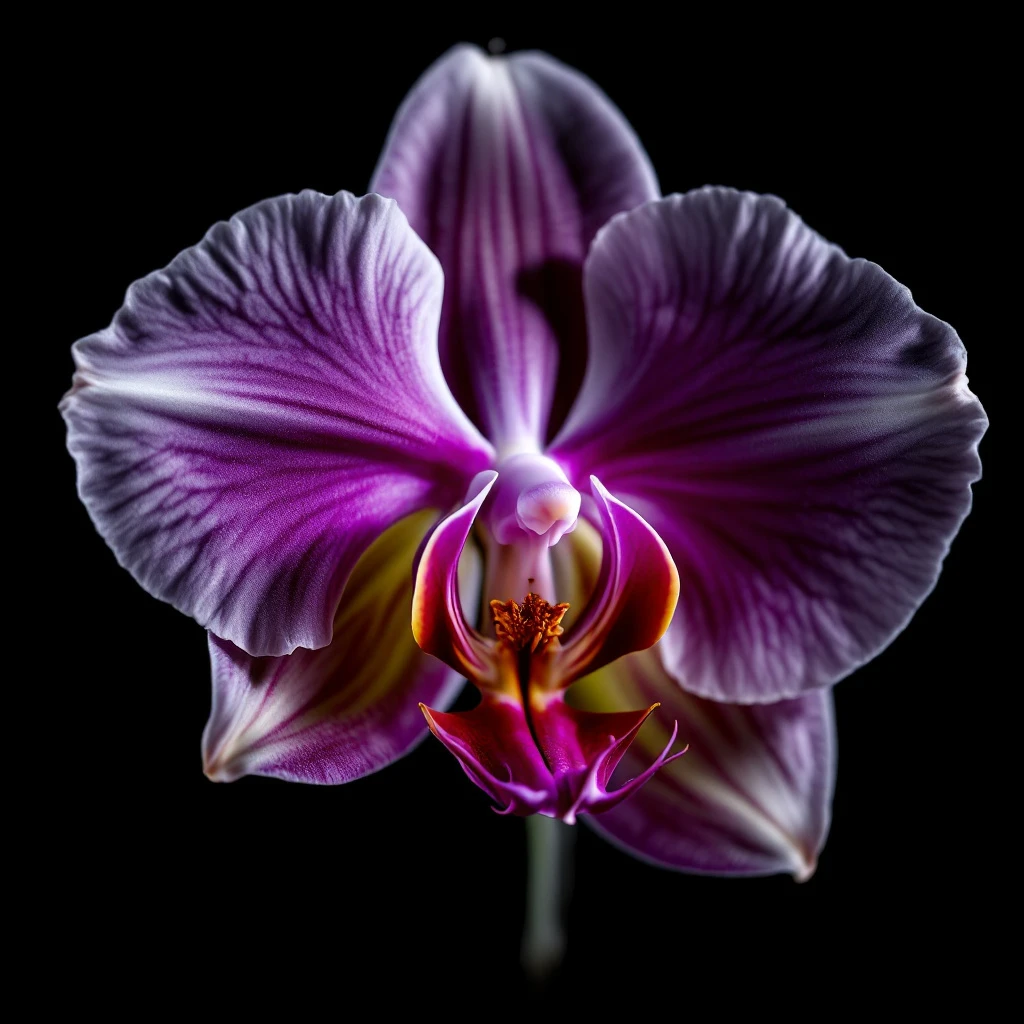
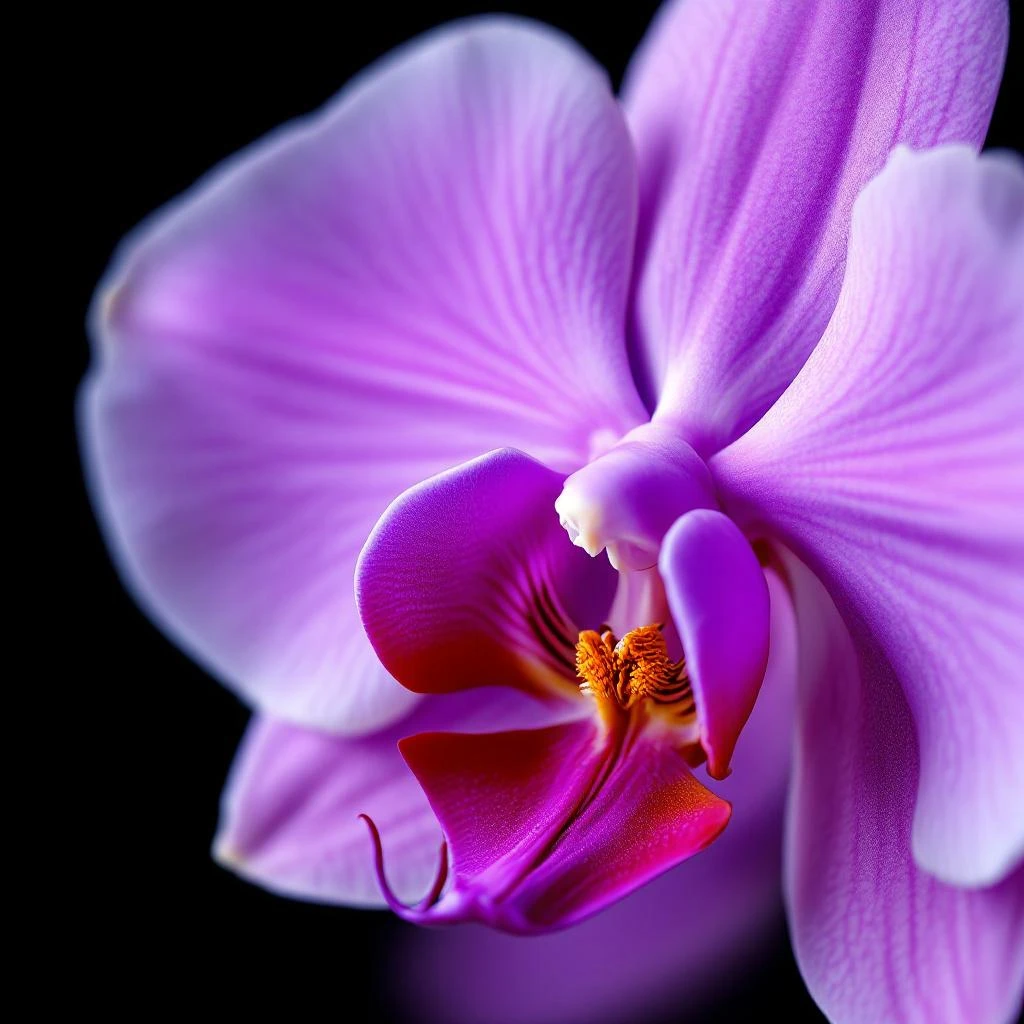
From the orchid that waits nine months to bloom, Black Vanilla Orchid is a slow, deliberate treasure. Its pods ripen over eight to eleven months, and the curing process that follows transforms raw green pods into the aromatic gold perfumers prize.
Character
How it smells
Orchid, spice, legend. The trifecta of perfumery.
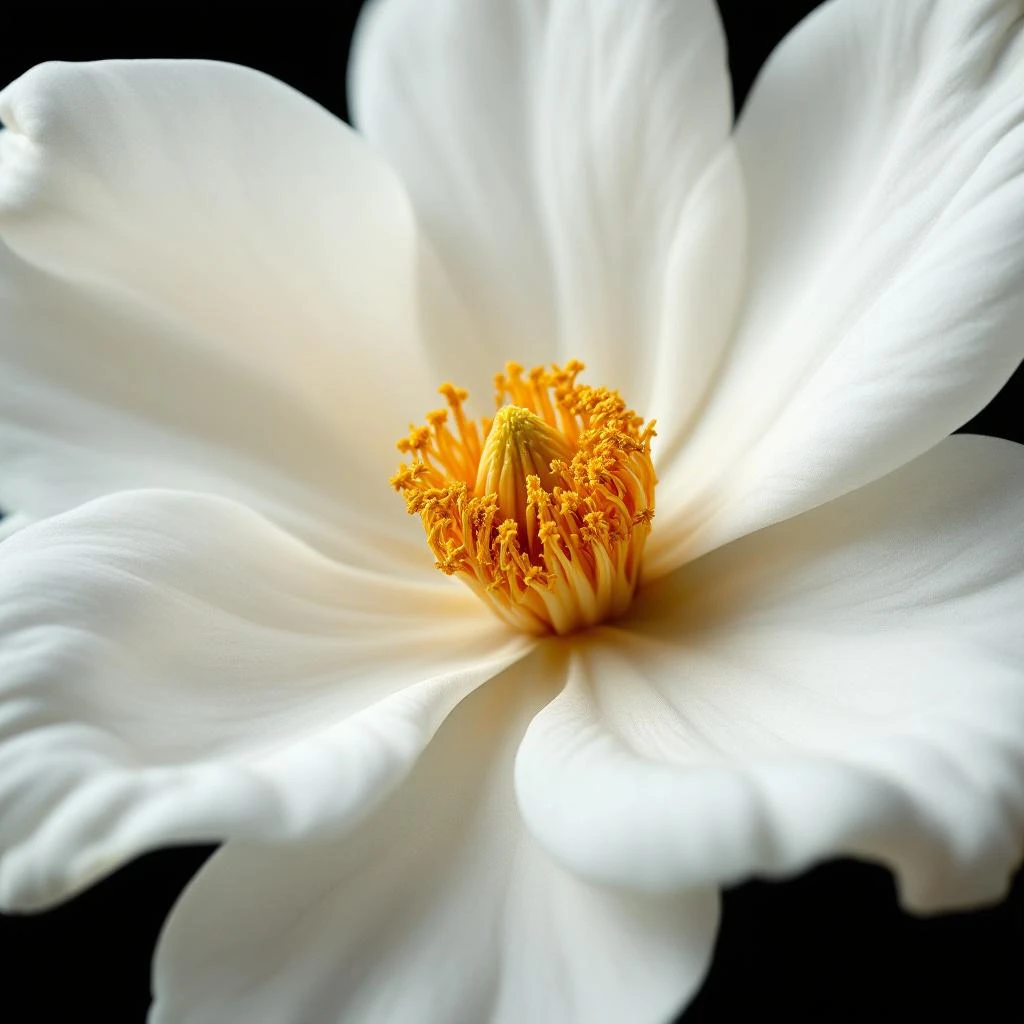
Vanilla is the only edible fruit-bearing orchid on Earth, and vanilla planifolia ranks among the most labor-intensive crops to cultivate.

Origin
Madagascar
Vanilla planifolia was originally domesticated by Indigenous people in what is now southeastern Mexico and was likely used by the Aztecs as a flavouring for cacao. When Hernan Cortes arrived in the early sixteenth century, he observed vanilla being used as a luxury commodity in the Aztec empire. The Spanish brought it to Europe, where it quickly became sought after, yet for over three centuries cultivation remained impossible outside Mexico because the flower could not set fruit without its specific bee pollinator.
The turning point came in 1841 on the island of Réunion, when a twelve-year-old enslaved boy named Edmond Albius discovered that the flower could be pollinated by hand using a simple bamboo stick. This single breakthrough allowed vanilla to spread to Mauritius, the Seychelles, and ultimately Madagascar, which now produces roughly eighty percent of the world's vanilla supply.
Perfumers call cured vanilla beans black gold. The nickname reflects both the ingredient's deep brown colour and the sheer volume of human labour embedded in every pod, from flower to finished oleoresin.
Wears it best
Fragrances featuring Black Vanilla Orchid
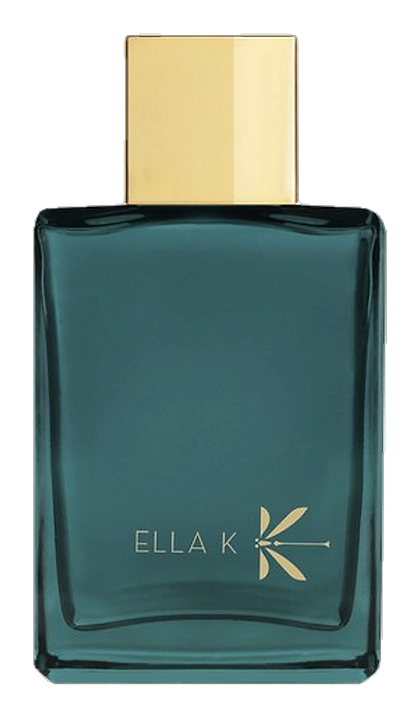
Brands
Brands known for Black Vanilla Orchid
Good to know
Questions, answered
The essentials on Black Vanilla Orchid in perfumery: how it smells, where it comes from, and how it behaves on skin.
What is Black Vanilla Orchid in perfumery?
Black Vanilla Orchid refers to the oleoresin extracted from cured Vanilla planifolia pods, primarily sourced from Madagascar. Unlike synthetic vanillin, the oleoresin contains the full range of aromatic compounds naturally present in the pod, giving perfumers a richer, more complex material to work with.
What does Black Vanilla Orchid smell like?
Black Vanilla Orchid carries a deep, warm, and slightly dark character. The cured pods develop notes of dark chocolate, tobacco, and baked cream alongside the classic sweet vanilla tone. Geography shapes the final scent, with soil composition and humidity in Madagascar influencing the oleoresin's specific aromatic profile.
Why is vanilla so expensive?
Vanilla ranks as the second most expensive spice after saffron. Every flower must be pollinated by hand since the natural pollinator exists only in Mexico. Pods require eight to eleven months to ripen, followed by four to six months of curing, making vanilla one of the most labour-intensive crops in the world.
How is vanilla oleoresin produced?
After hand-pollination, pods ripen on the vine for eight to eleven months. Workers harvest them at a pale yellow stage, then cure them through a process of sun-drying, sweating in blankets, and months of rest in closed boxes. Solvent extraction then pulls the aromatic compounds from the cured pods to produce the oleoresin.
What role did Edmond Albius play in vanilla history?
Edmond Albius, an enslaved boy on Réunion Island, discovered hand pollination of vanilla flowers in 1841 using a bamboo stick. This breakthrough enabled vanilla cultivation outside Mexico and ultimately allowed Madagascar to become the world's leading vanilla producer.
Is natural vanilla used in synthetic fragrances?
Many mass-market fragrances use synthetic vanillin because natural vanilla oleoresin costs significantly more. High-end or niche perfumes typically specify natural vanilla to benefit from its complex aromatic profile, which synthetic alternatives cannot fully replicate.
Where does the best vanilla for perfumery come from?
Madagascar produces roughly eighty percent of the world's vanilla supply and is considered the primary source for perfumery-grade oleoresin. The northwestern region, with its humid climate and fertile soil, yields pods with a particularly rich aromatic character.
Can vanilla be organic?
Organic vanilla exists but remains rare due to the difficulty of controlling pests and diseases without synthetic inputs in tropical environments. Certified organic vanilla commands a premium and requires rigorous documentation of farming and curing practices throughout the supply chain.




