Black Tea Sorbet
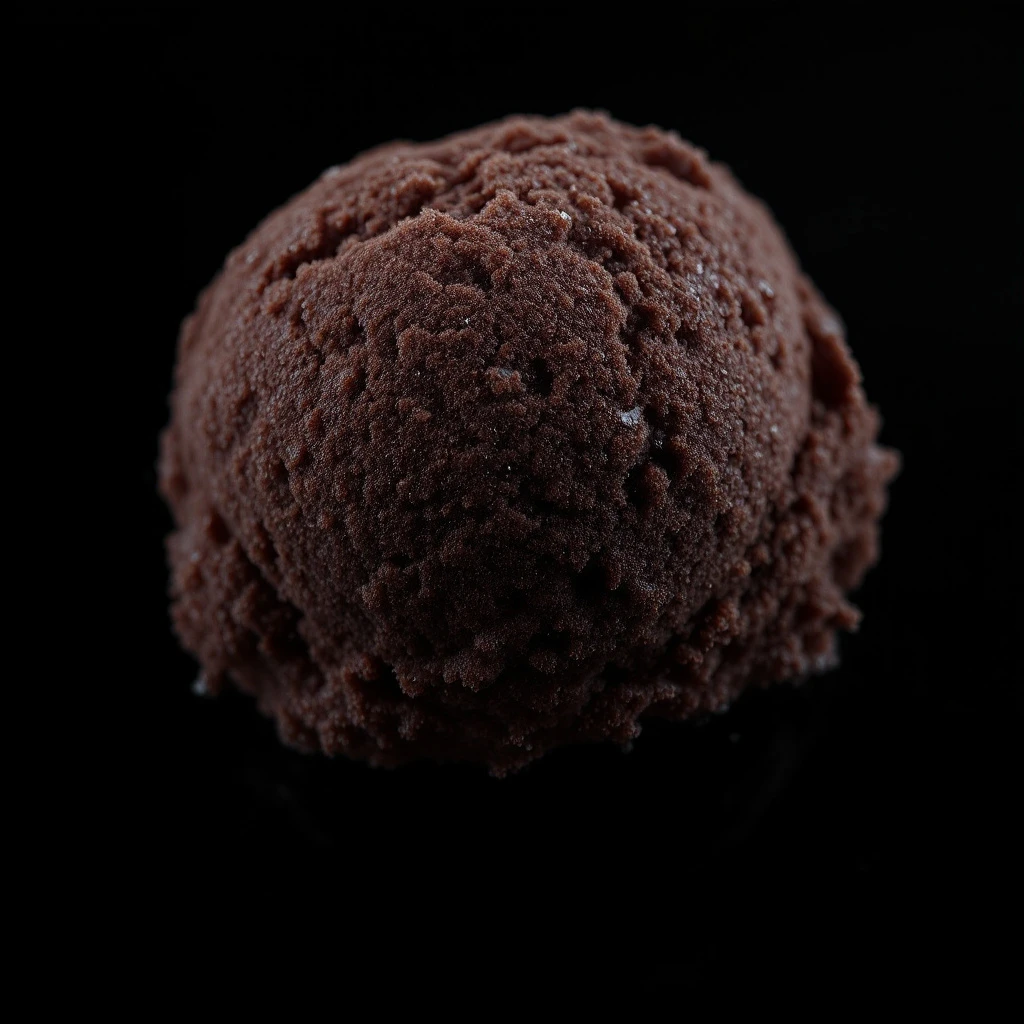
Black Tea Sorbet captures the cool, smoky elegance of fermented Camellia sinensis leaves. This note delivers a clean, slightly sweet freshness reminiscent of iced tea on a warm afternoon, grounding fragrance compositions with a refined, contemporary character.
Character
How it smells
Cool smoke meets sweet refreshment.
Ancient tea forests in Yunnan province still produce leaves from tea bushes over 1,000 years old, some reaching 32 meters in height.



Origin
China
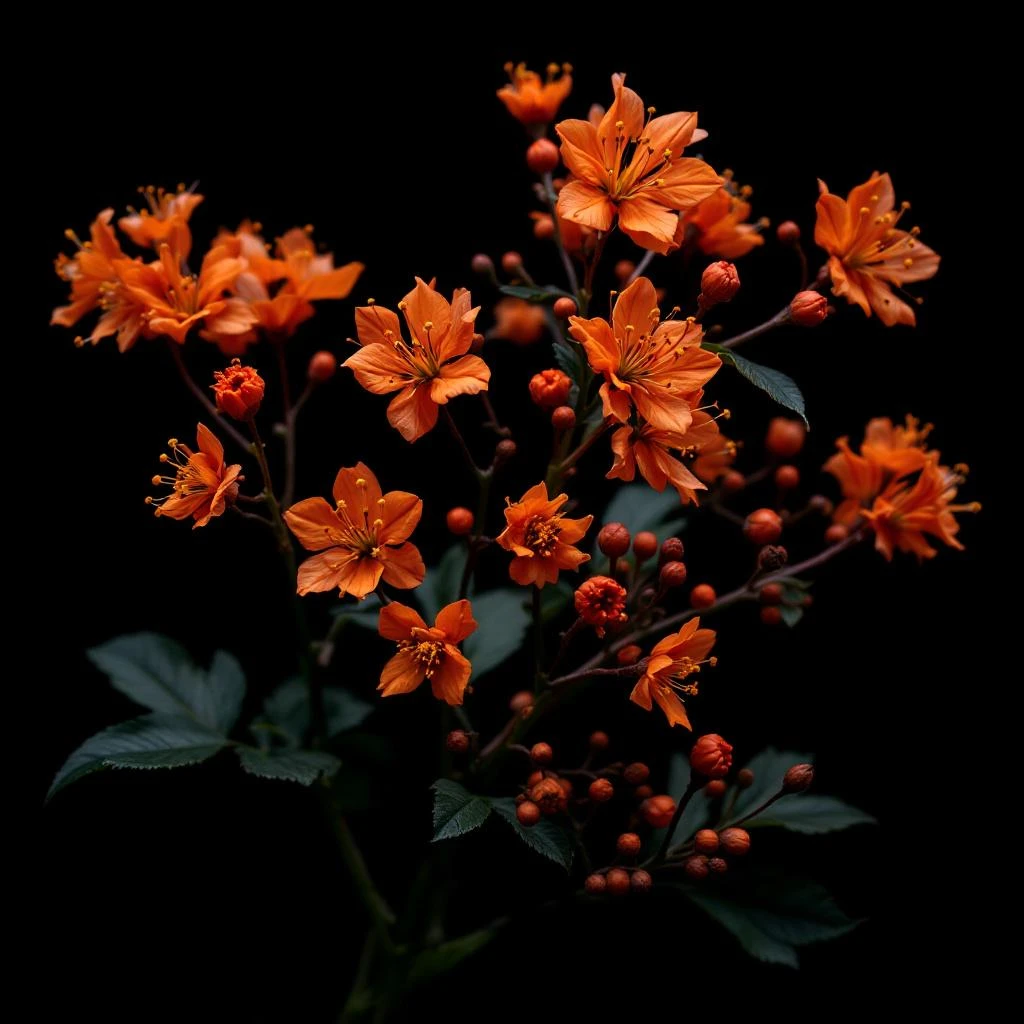
Black tea traces its roots to Yunnan province in southwestern China, where tea cultivation began over 2,000 years ago. Fengqing County emerged as a critical production center, with records of tea trading along the first Silk Road routes dating back centuries.
The region developed unique processing techniques that emphasized the fermentation process, creating the dark, aromatic leaves that would eventually become the world's most consumed tea variety. Ancient tea forests in Yunnan contain trees that botanists estimate are between 300 and 1,000 years old, representing living heritage of tea culture that perfumers now draw upon for fragrance ingredients.
Wears it best
Fragrances featuring Black Tea Sorbet
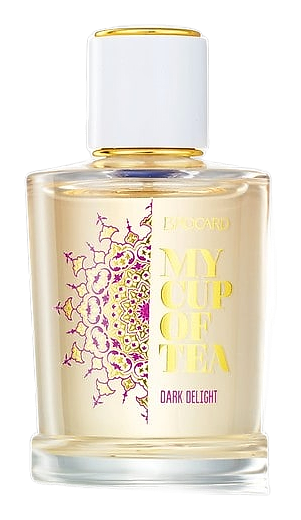
Brands
Brands known for Black Tea Sorbet
Good to know
Questions, answered
The essentials on Black Tea Sorbet in perfumery: how it smells, where it comes from, and how it behaves on skin.
What does Black Tea Sorbet smell like?
Black Tea Sorbet smells smoky, slightly sweet, and subtly floral. The sorbet interpretation adds a cool, refreshing quality that distinguishes it from other tea notes, creating a clean and elegant aroma reminiscent of chilled black tea.
How is the Black Tea Sorbet note extracted?
Manufacturers extract this note using solvent extraction from fermented Camellia sinensis leaves. The process involves treating dried, oxidized tea leaves with food-grade solvents to capture aromatic compounds, then purifying the extract to isolate the characteristic smoky and sweet molecules.
Where does the tea used for this ingredient originate?
The primary source is Yunnan province, China. Fengqing County in particular has produced black tea for over a century, with ancient tea forests containing trees estimated between 300 and 1,000 years old still in production.
Can Black Tea Sorbet be created synthetically?
Yes, synthetic versions exist. However, natural extraction from Camellia sinensis leaves captures a broader range of aromatic nuances that synthetic approximations cannot fully replicate, particularly the subtle floral and smoky complexity.
What fragrance families pair well with Black Tea Sorbet?
This note works well in oriental, woody, and fresh fragrance compositions. It bridges warm and cool scent profiles, making it versatile for layering with spices like cardamom, woods like cedar, and fresh notes like citrus.
How long has black tea been used in perfumery?
Black tea has appeared in perfumery for over 100 years. Vintage perfumes from the early 20th century incorporated tea notes, though modern extraction techniques have made the ingredient more consistent and widely available.
What makes Yunnan black tea suitable for fragrance extraction?
Yunnan's high altitude, mineral-rich soil, and traditional processing methods create tea leaves with exceptional aromatic complexity. The extended fermentation process in Yunnan black tea develops more volatile aromatic compounds than other black tea varieties.
Is Black Tea Sorbet a natural or synthetic ingredient?
Both versions exist. Natural Black Tea Sorbet comes from solvent extraction of fermented Camellia sinensis leaves. Synthetic alternatives use lab-created molecules to approximate the aroma profile at lower cost and with greater consistency.