Black Mission Fig
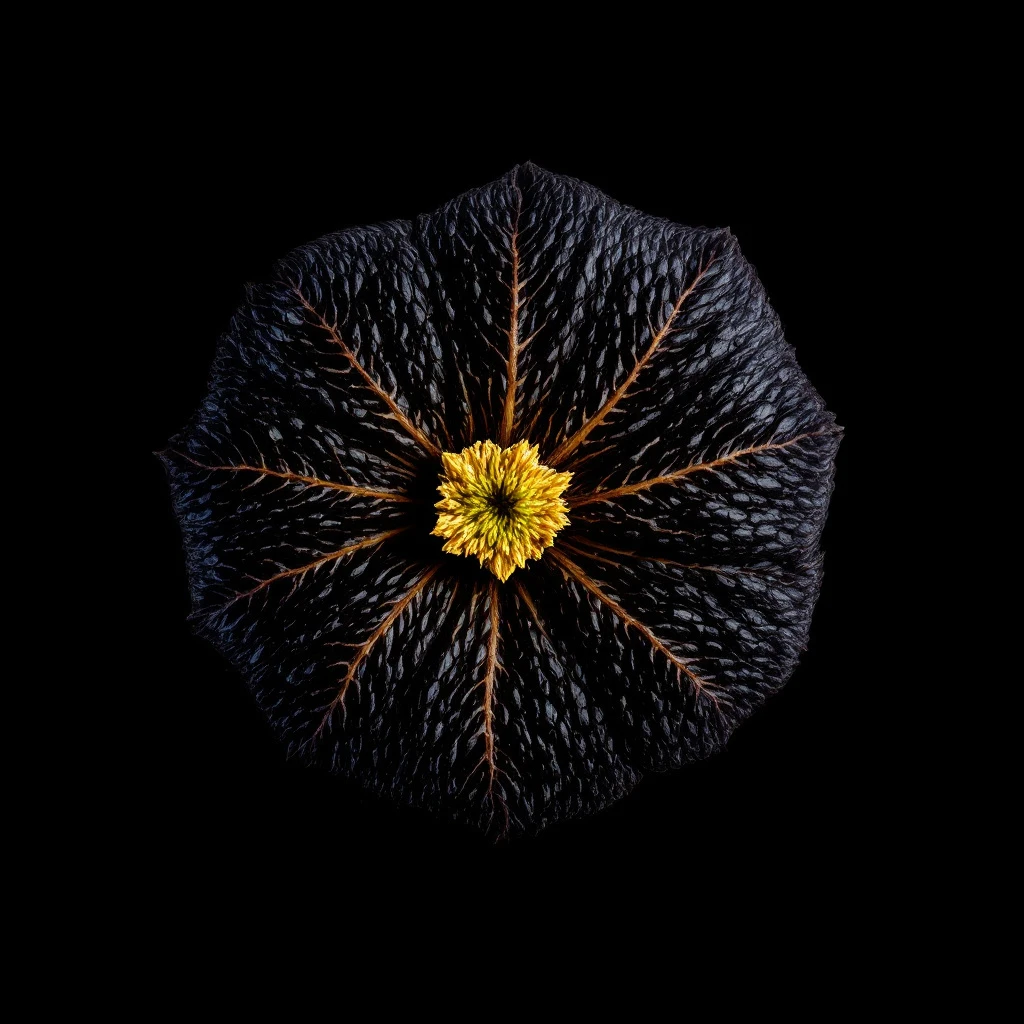
Black Mission Fig brings a dark, jammy sweetness wrapped in green, coconut-tinged foliage. The fruit accord smells ripe, almost wine-like, with a lactonic smoothness that recalls the tree's milky sap.
Character
How it smells
Dark fruit, green leaf, and a whisper of milky bark
Figs are technically inverted flowers, not fruits, and the fig tree's latex-like sap was used in ancient Egyptian rituals for its aromatic, resinous qualities.
Pairs beautifully with

Origin
Western Asia (Mesopotamia / Jordan Valley)
The fig tree, Ficus carica, holds a singular place among the oldest cultivated plants on Earth. Archaeological finds in the Jordan Valley place its domestication as far back as 11,400 years, making it roughly 5,000 years older than the earliest known grape wines. From Western Asia the tree spread into ancient Egypt, where its fruit, leaves, and milky sap featured in religious offerings.
Egyptian tomb paintings from around 1900 BCE depict fig harvests, and the sap appears in ritual texts. Greek and Roman writers, including Pliny the Elder, catalogued dozens of fig cultivars and praised their fragrance. In modern perfumery, fig leaf absolute entered serious use in the early 20th century, but it was Olivia Giacobetti's 1994 fragrance Premier Figuier that redefined the category.
Her innovation lay in capturing not just the leaf but the entire tree, fruit, sap, bark, and green wood, in a single green, milky, photorealistic accord. The Black Mission cultivar, developed by Spanish missionaries in California around 1768, eventually became a reference variety for perfumers seeking a darker, more jammy fig interpretation than the paler Mediterranean varieties.
Wears it best
Fragrances featuring Black Mission Fig
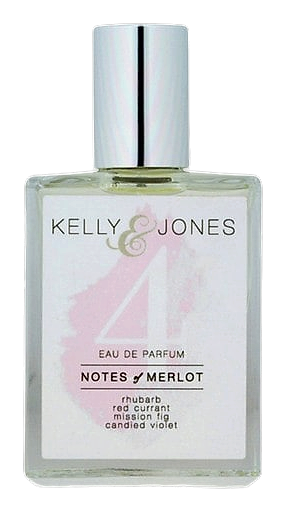
Brands
Brands known for Black Mission Fig
Good to know
Questions, answered
The essentials on Black Mission Fig in perfumery: how it smells, where it comes from, and how it behaves on skin.
What does Black Mission Fig smell like in perfume?
Black Mission Fig smells dark, jammy, and ripe, with green coconut-like undertones from the leaf and a lactonic, almost wine-like sweetness. It carries a milky quality reminiscent of the tree's sap.
Is Black Mission Fig a natural or synthetic note in perfumery?
Most fig fruit notes are reconstructed accords. The leaf comes from a natural solvent-extracted absolute, while the ripe fruit character is built from synthetic molecules like gamma-decalactone and ethyl maltol.
Where does Black Mission Fig originally come from?
The Black Mission cultivar was developed by Spanish missionaries in California around 1768, though the species Ficus carica originated in Western Asia and was domesticated over 11,000 years ago.
Which perfume popularized the fig note?
Olivia Giacobetti's Premier Figuier, released in 1994, defined the modern fig accord by capturing the entire tree, including leaf, fruit, sap, and bark, in a single composition.
Why can't perfumers extract fig fruit directly?
Ripe figs yield almost no essential oil through steam distillation, and their aromatic compounds degrade rapidly after harvest. A natural fig fruit extract is therefore impractical at commercial scale.
What fragrance families do fig notes belong to?
Fig notes typically sit within the green and gourmand families, bridging fresh leafy accords and sweet, jammy fruit compositions. They pair especially well with woods, coconut, and herbal notes.
Are Black Mission Figs different from regular figs in perfumery?
The Black Mission variety is darker, sweeter, and more jammy than paler Mediterranean figs, which is why perfumers often reference it for richer, more fruit-forward fig compositions.
How old is fig cultivation in human history?
Archaeological evidence from the Jordan Valley dates fig cultivation to roughly 11,400 years ago, making it one of the oldest domesticated plants known to humanity.





