Black Freesia
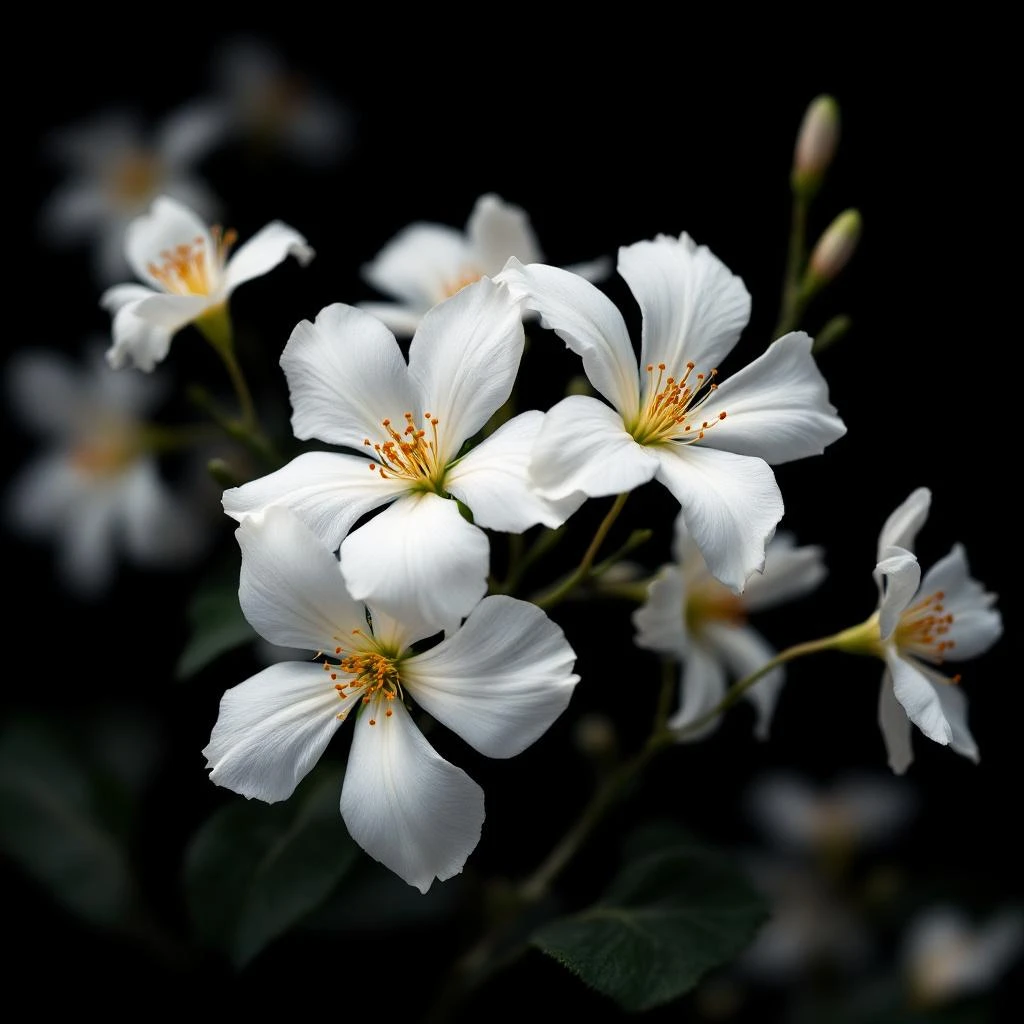
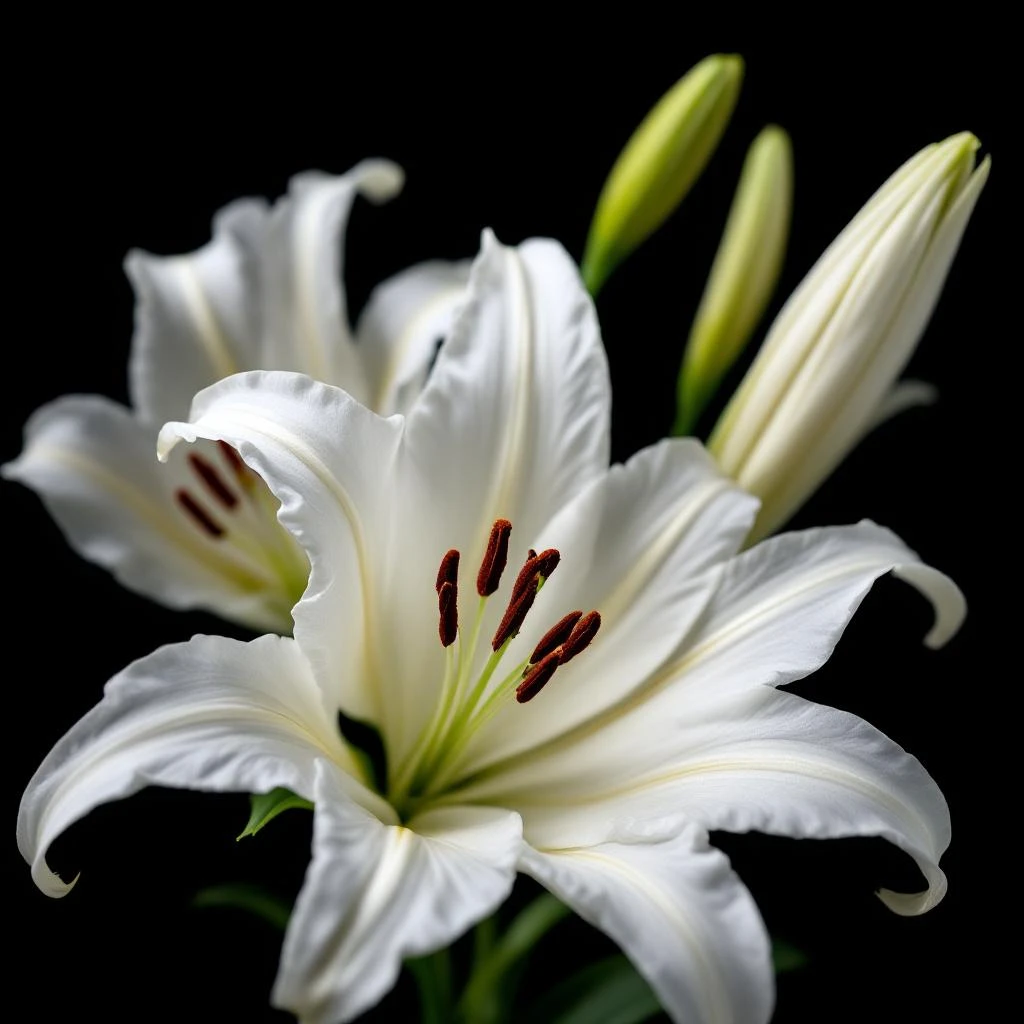
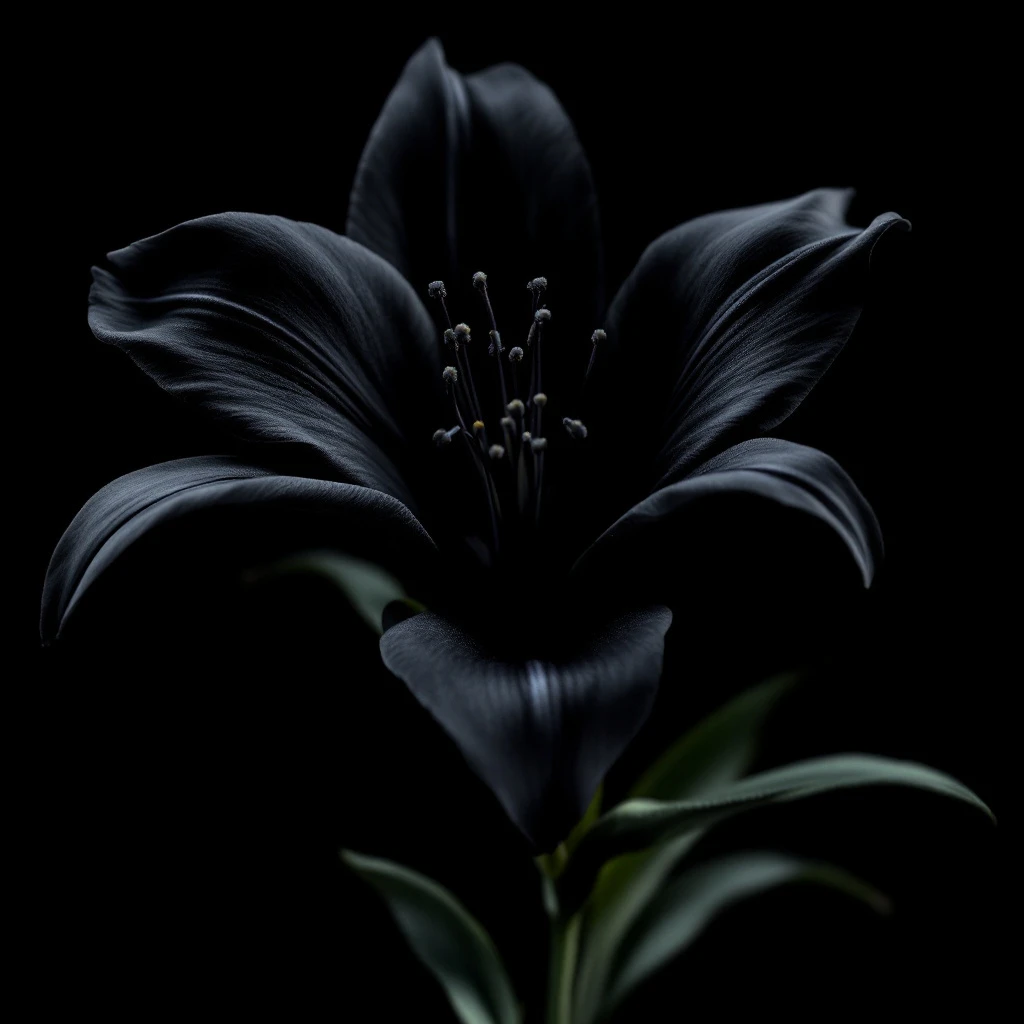
Black Freesia pairs the airy sweetness of fresh freesia with a dark, smoky veil, creating a floral note that feels both luminous and mysterious.
Character
How it smells
Fresh freesia, shadowed by smoke.
Freesia was first recorded in South Africa in the late 18th century, but its powerful perfume made it a prized subject for modern perfumery.
Pairs beautifully with
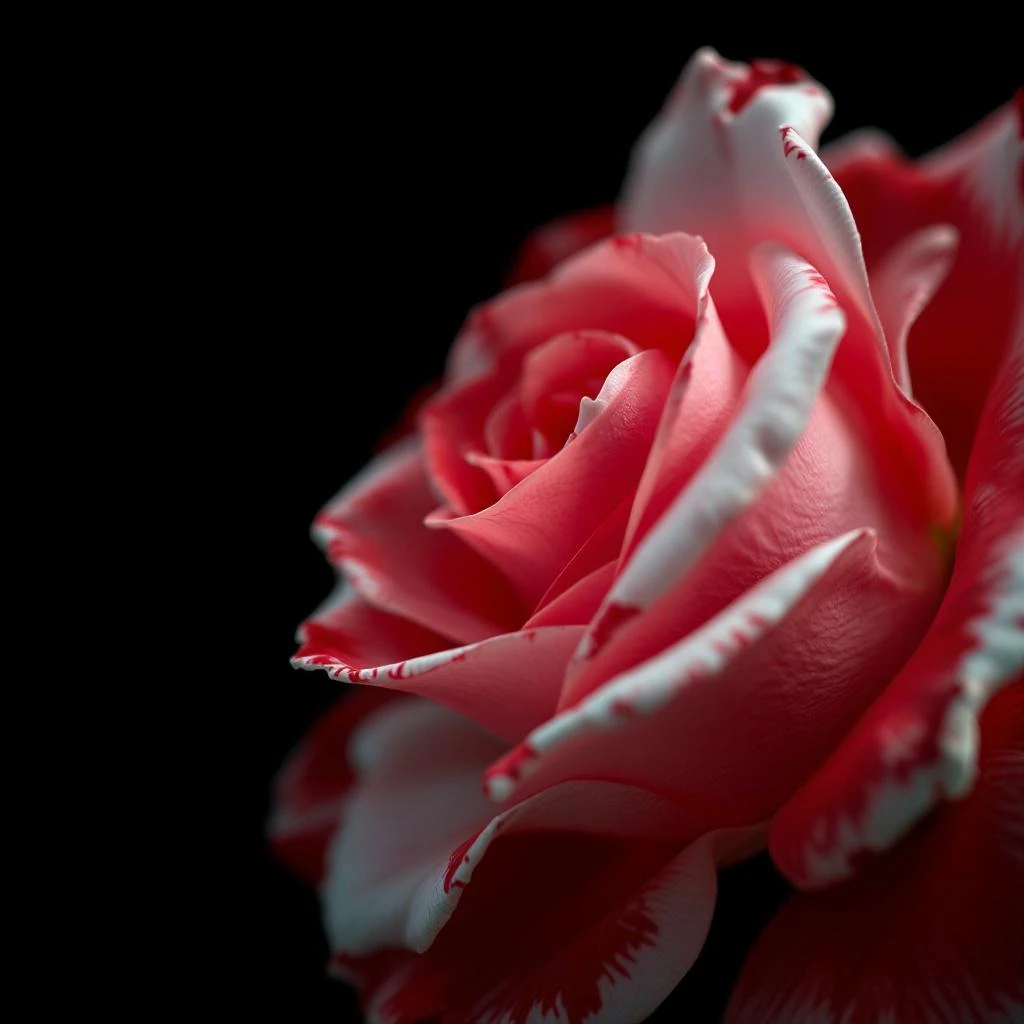
Origin
South Africa
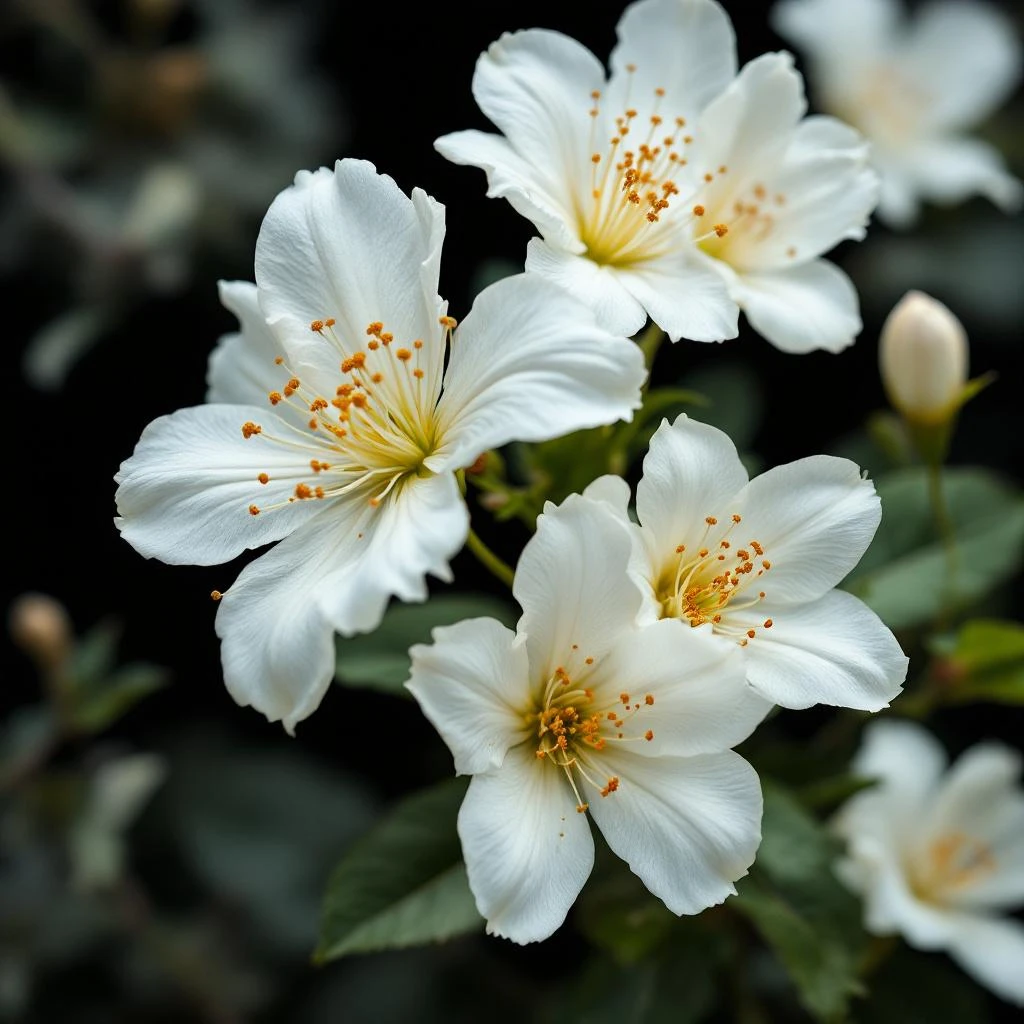
Freesia belongs to a group of plants valued for their vivid color and sweet, refined scent. The genus was introduced to European botany after South African species were observed by the botanist Carl Peter Thunberg in the late 18th century. Its name is associated with the German physician and botanist Bernhard Heinrich Fresenius.
During the 19th century, cultivated freesias became popular in conservatories and gardens, where their perfume strengthened their ornamental appeal. Perfumery later embraced freesia because it offers a fresh floral impression that is gentler than many garden blossoms. Natural extraction has never been the primary route to a freesia fragrance, so modern perfumers reconstruct its profile with carefully selected molecules.
Black Freesia develops that familiar floral idea by adding darker, smoky accents, reflecting a later era in which contrast and atmosphere became central to fragrance composition. It is a modern interpretation rather than a historical extraction style.
Wears it best
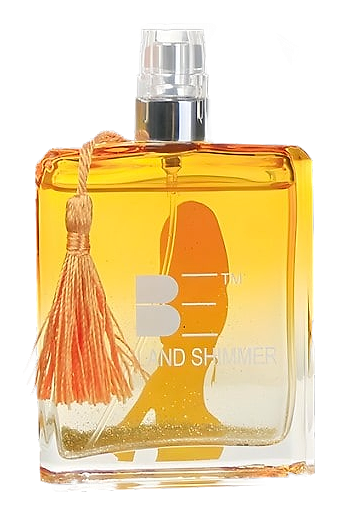
Fragrances featuring Black Freesia
Brands
Brands known for Black Freesia
Good to know
Questions, answered
The essentials on Black Freesia in perfumery: how it smells, where it comes from, and how it behaves on skin.
What does Black Freesia smell like?
Black Freesia smells like fresh, sweet freesia over a dark, smoky base. Its profile combines airy white petals, soft floral facets, and restrained shadow-like tones without becoming heavy.
Is Black Freesia a natural freesia extract?
Usually, no. Most Black Freesia effects are created with synthetic aroma compounds because freesia yields little commercially useful natural essential oil. The name describes a fragrance accord, not a standard botanical extraction.
Where does freesia originate?
Freesia originates in South Africa, where species were first recorded in the late 18th century. Its native origin helped establish the genus before cultivated forms spread widely as ornamental plants.
Why is Black Freesia described as smoky?
The smoky character comes from added tonalities that deepen the clean freesia profile. It acts as contrast, giving the floral accord a darker and more mysterious interpretation.
How is freesia fragrance produced?
Perfumers build freesia accords from selected synthetic aroma molecules, then dilute them into a fragrance concentrate. The compounds are blended to reproduce fresh floral, powdery, and green nuances.
Is freesia oil widely used in perfumery?
Freesia oil is not widely used because natural production is limited and costly. Synthetic reconstructions allow perfumers to use the character consistently across personal care and fine fragrance.
Which part of the freesia plant defines its scent?
The flower is the aromatic focus of freesia, especially its petals. Its clean, sweet floral profile is recreated in fragrance rather than extracted commercially from substantial quantities of blossoms.
When was freesia first documented?
Freesia was documented in South Africa in the late 18th century by the botanist Carl Peter Thunberg. Cultivated freesias later became popular for their color and fragrance.