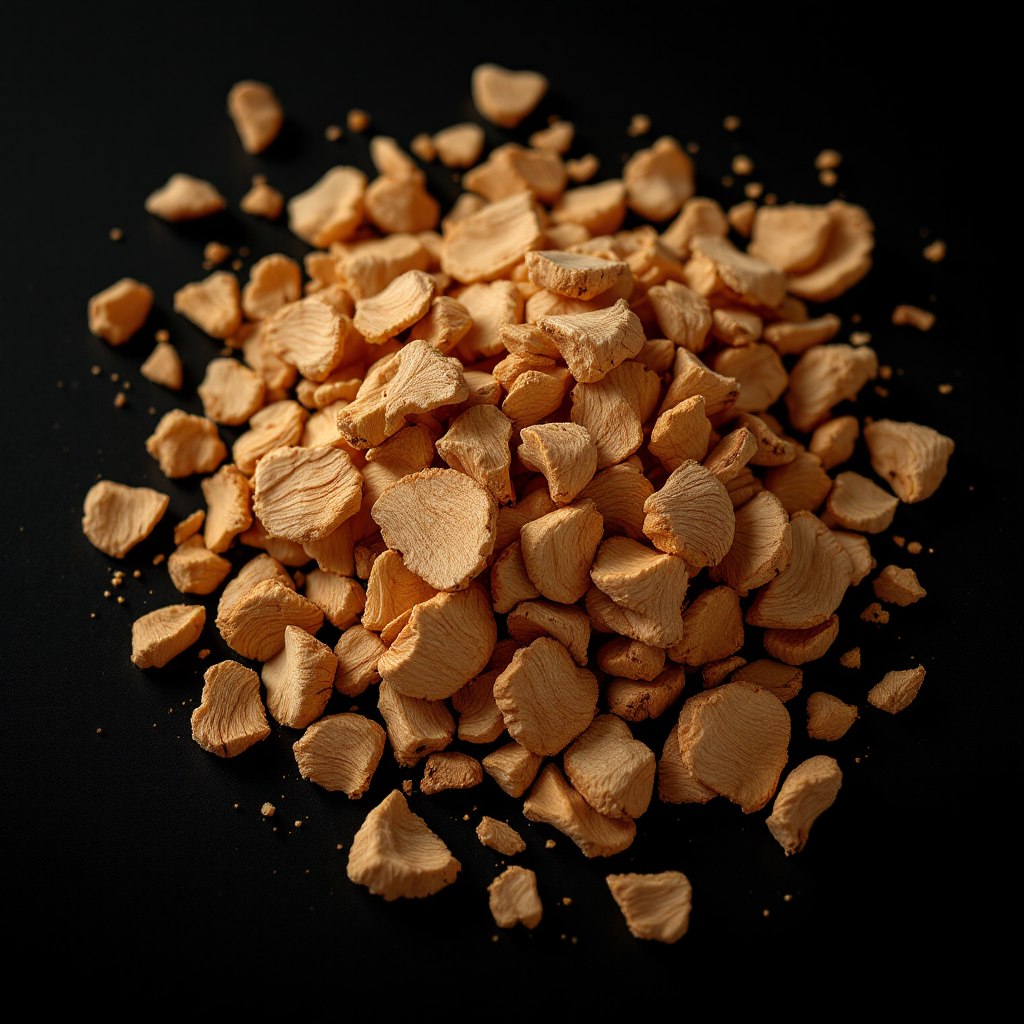
Black Cottonwood
Black Cottonwood brings a rare balsamic warmth with smoky, leathery depth. The buds yield a rich absolute prized for its animalic undertones and quiet intensity.
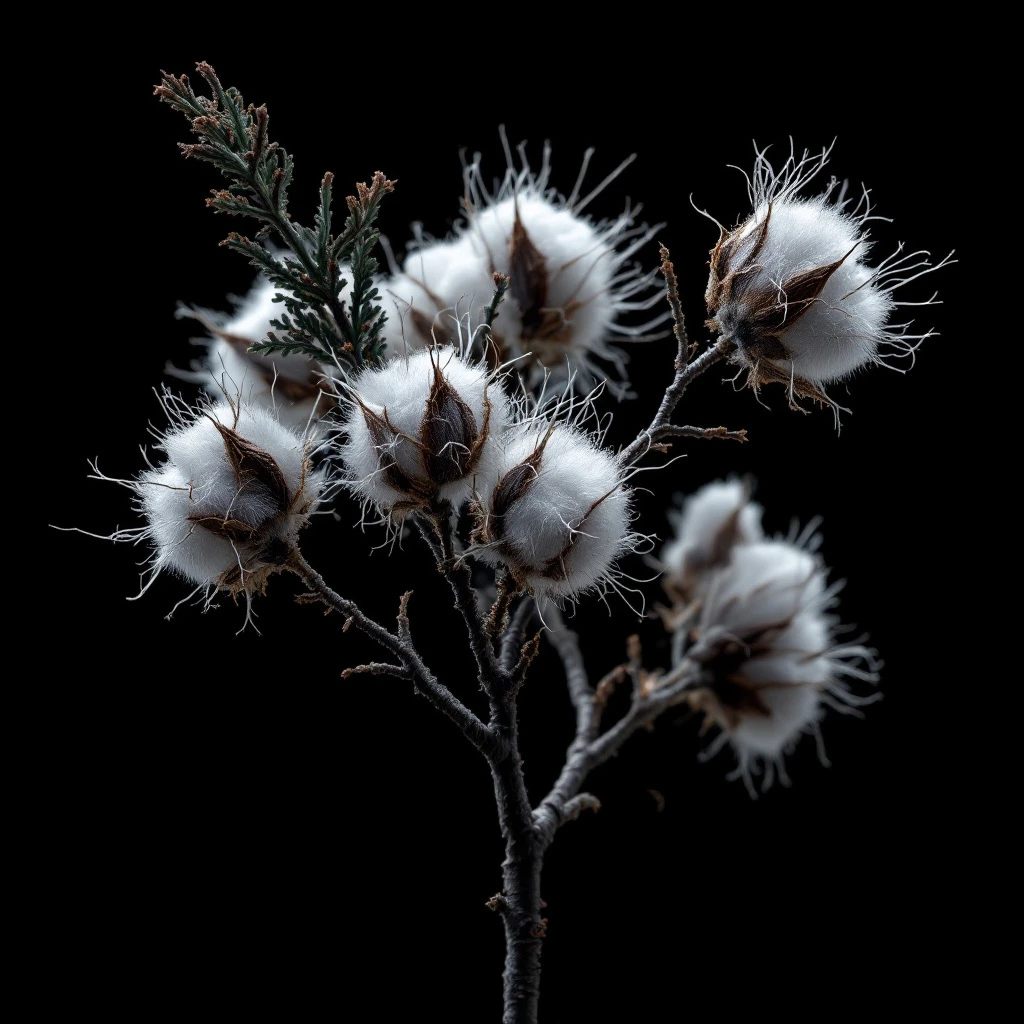
Character
How it smells
Smoky balsam from the western riverbanks
Black Cottonwood buds produce a sticky resin that smells intensely of balsam and warm leather, even before any extraction takes place.
Pairs beautifully with
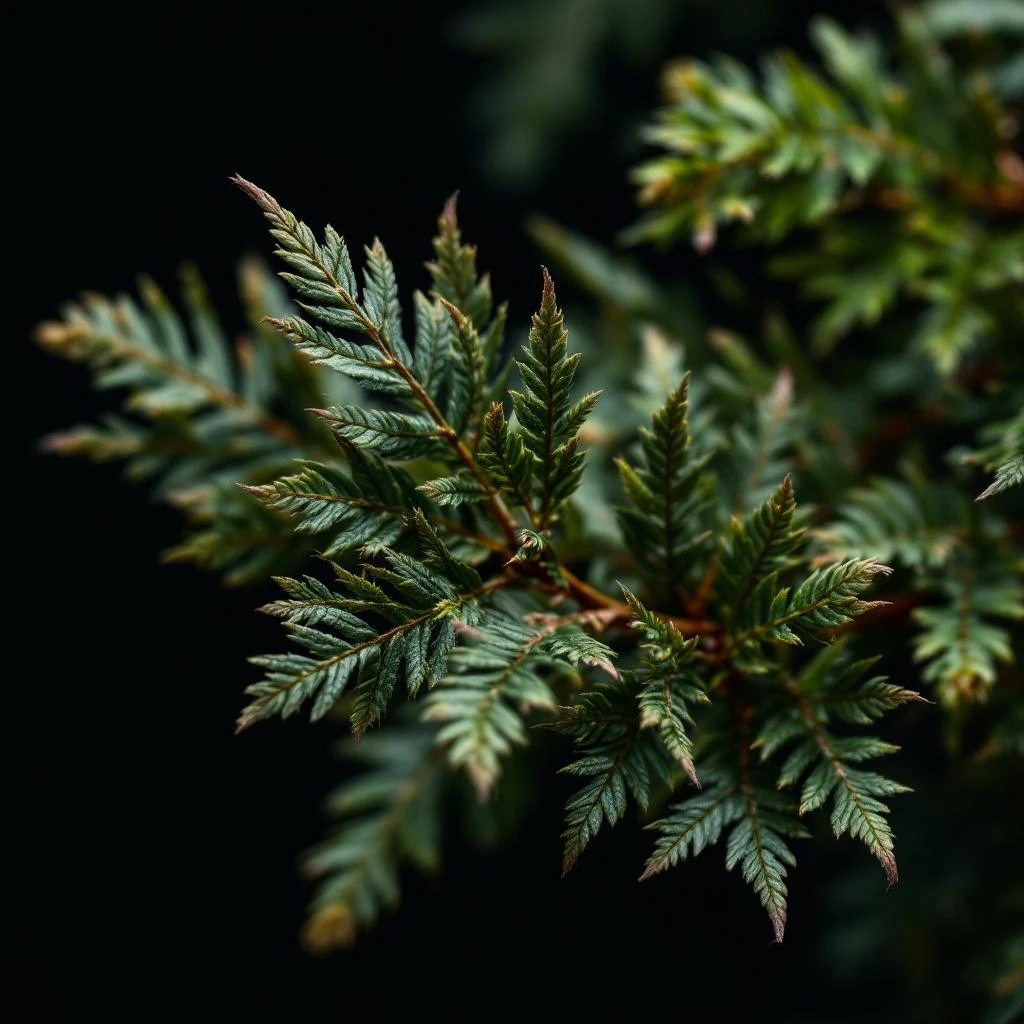
Origin
United States
Black Cottonwood, Populus trichocarpa, is the tallest hardwood native to North America, thriving along rivers from Alaska south to California. Indigenous communities across the Pacific Northwest recognized the aromatic buds long before European settlers arrived. Interior Salish and Coast Salish peoples gathered the sticky buds for medicinal salves, incense, and ceremonial use, drawing on the same resinous scent perfumers later isolated.
The botanical name trichocarpa, meaning hairy-fruited, was assigned by Thomas Nuttall in the mid-19th century as botanists catalogued western flora. Serious perfumery interest in the buds emerged in the 20th century as naturalists like Steffen Arctander documented North American aromatics, including cottonwood bud extracts among the continent's underused treasures. Commercial extraction remained small-scale until the late 20th century, when niche perfumers sought regional alternatives to imported balsams.
Today Black Cottonwood absolute appears in artisan compositions and natural-perfumery workshops, valued for its distinctly western character and the leathery depth it lends to forest and fougère constructions.
Wears it best
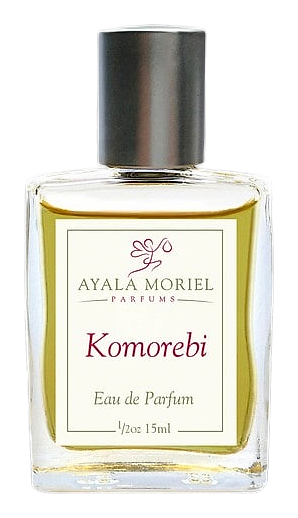
Fragrances featuring Black Cottonwood
Brands
Brands known for Black Cottonwood
Good to know
Questions, answered
The essentials on Black Cottonwood in perfumery: how it smells, where it comes from, and how it behaves on skin.
What does Black Cottonwood smell like in perfume?
Black Cottonwood absolute carries a smoky, balsamic aroma with leathery and faintly animalic undertones. Its scent profile shares kinship with traditional balsams but adds a distinctive warm, resinous darkness.
Is Black Cottonwood the same as cotton flower?
No. Black Cottonwood refers to the buds of Populus trichocarpa, a tall Pacific Northwest hardwood. The term cotton flower usually describes the fluffy seed fibers, which carry no aromatic value.
How is Black Cottonwood absolute extracted?
Producers harvest unopened buds in early spring and dry them before solvent extraction with ethanol or hexane. The resulting concrete is washed with alcohol to yield a dark, viscous absolute.
Where does Black Cottonwood for perfumery come from?
Most material originates in the Pacific Northwest, especially Washington and Oregon, where Populus trichocarpa grows along riverbanks and managed plantations supply buds to small extraction operations.
Is Black Cottonwood a natural or synthetic perfume ingredient?
It is a natural material, derived directly from tree buds through solvent extraction. No synthetic equivalent fully replicates its complex phenolic and sesquiterpene profile.
What perfumes use Black Cottonwood?
Black Cottonwood appears primarily in artisan and natural-perfumery compositions, often within forest-themed blends, fougères, and leather accords where its smoky depth can anchor lighter top notes.
Is Black Cottonwood sustainable to harvest?
Yes, when sourced from managed plantations. Buds regenerate each spring, and harvesters typically prune without harming the tree, making it a renewable aromatic material.
Can you steam distill Black Cottonwood?
Steam distillation is possible but uncommon, as heat degrades delicate balsamic compounds. Solvent extraction preserves the full smoky, leathery character perfumers seek.