The Story
Why it exists.
The beginning
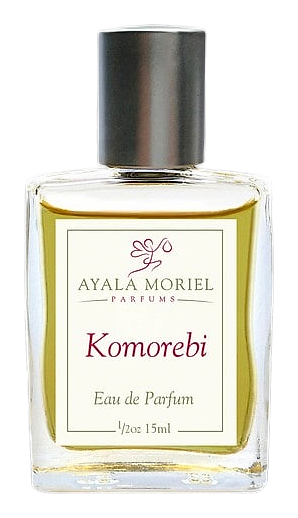
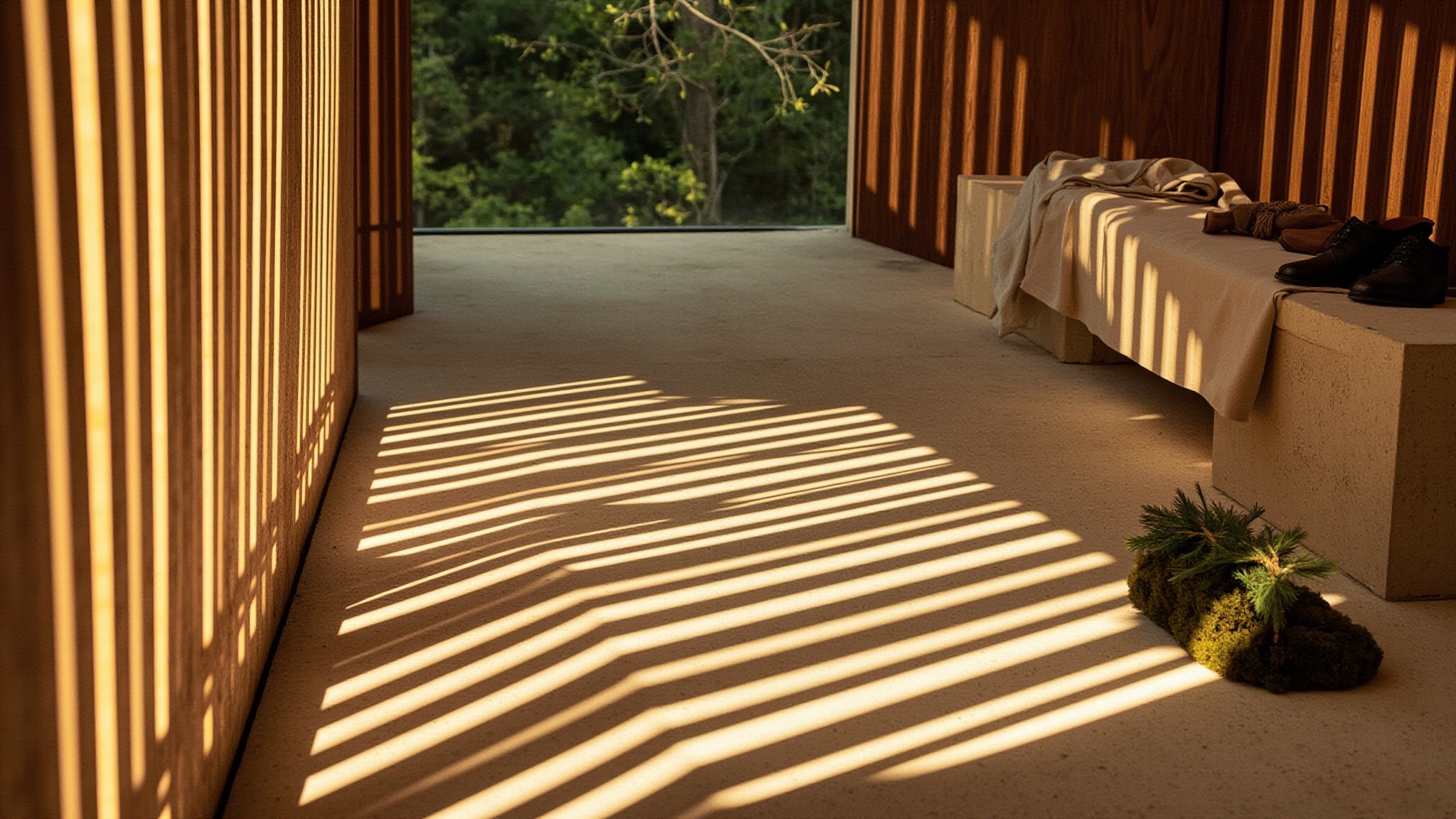
Komorebi takes its name from a Japanese word that has no clean English translation. It describes the sunlight that slips through gaps in the leaves and falls in scattered pieces on the ground below. Not the beam itself, but the shapes it makes. Perfumer Ayala Sender built this 2015 composition as an attempt to bottle that exact phenomenon, the way warm late-summer light plays across a forest floor and brings out every resinous, mossy, woody sweetness hiding there. Fir, redcedar, and moss breathe together in damp, fragrant air, their green resinous facets catching imagined light the way leaves might. The composition opens with a cool green brightness that reads as filtered sun, sharp at first then softening into something warmer and more contemplative.
What makes Komorebi unusual is its refusal to dress up the woods. Most woody compositions soften their cedar and fir with vanilla, amber, or a fruit accord. This one lets the trees speak raw. Cottonwood, listed twice in different forms across sources, brings a dry papery bitterness that keeps the sweetness of fir resin from tipping gourmand. Red cedar sharpens that further with its pencil-shaving dryness. Oakmoss, the chypre backbone, adds the earthy bitterness that makes the whole thing smell alive rather than decorative. It is a study in restraint dressed as atmosphere.
The evolution
Komorebi opens with the sharp, papery snap of cottonwood and fresh-cut cedar shavings. The first 15 minutes feel almost mineral, like cold air pulled through dry wood. Fir arrives quickly, not as a Christmas-tree sweetness but as a deeper, darker green resin. It pushes the cottonwood into the background by the 30-minute mark while oakmoss begins its slow rise from underneath. Around the 2-hour mark, the fir softens and red cedar takes over the conversation. The drydown settles into an oakmoss and cedar skin scent that lasts well past 6 hours, quiet and close, smelling like the bark of a tree warmed by late sun. On fabric the next morning, the moss lingers longest.
Cultural impact
Komorebi sits in a small category of fragrances that treat the forest as subject rather than backdrop. Wearers tend to be people who want their scent to evoke a specific place without the usual gourmand softening. It reads as quiet, considered, and uninterested in trend, the kind of composition that doesn't announce itself across a room so much as invite someone to lean in closer. The fir and cedar notes lend a crisp architectural quality, while the moss grounds everything in damp earthy warmth, creating a tension between brightness and shadow that feels distinctly woodland in character.