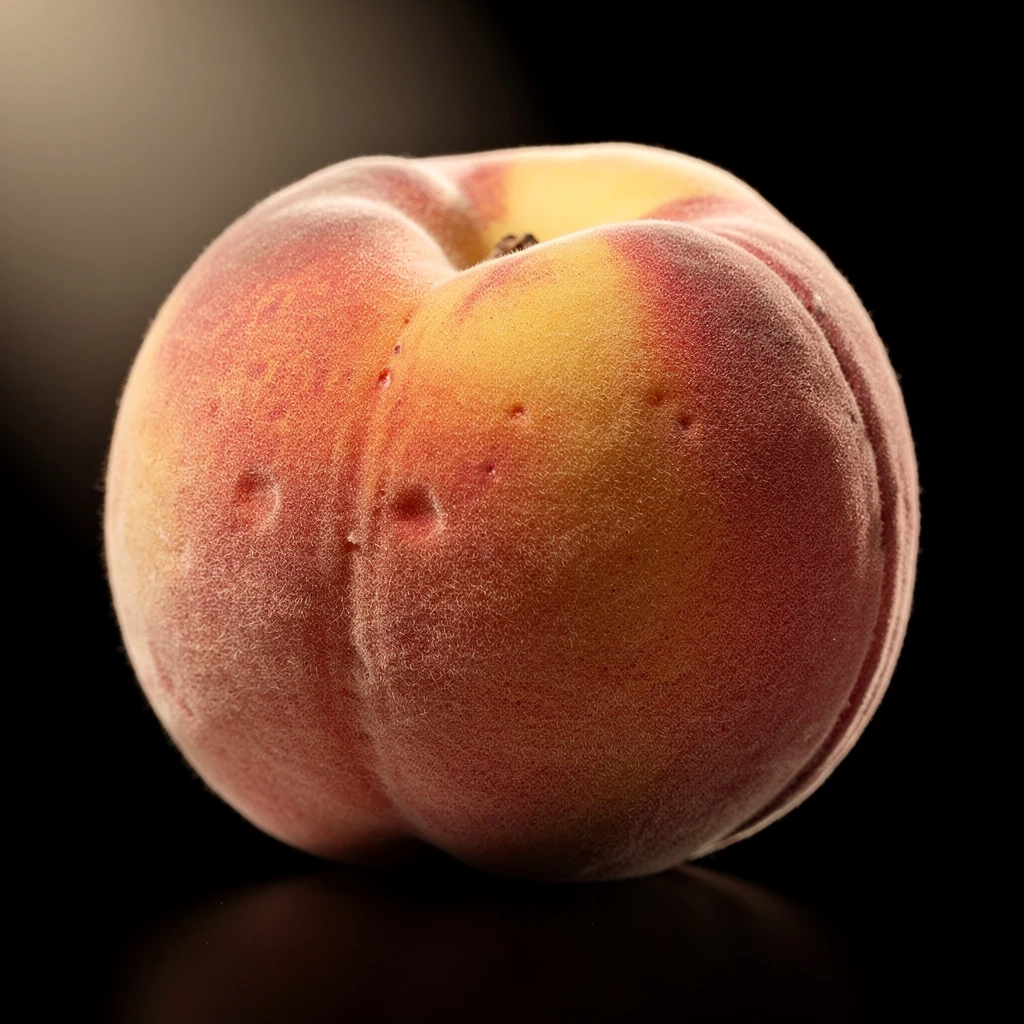
Black amber plum
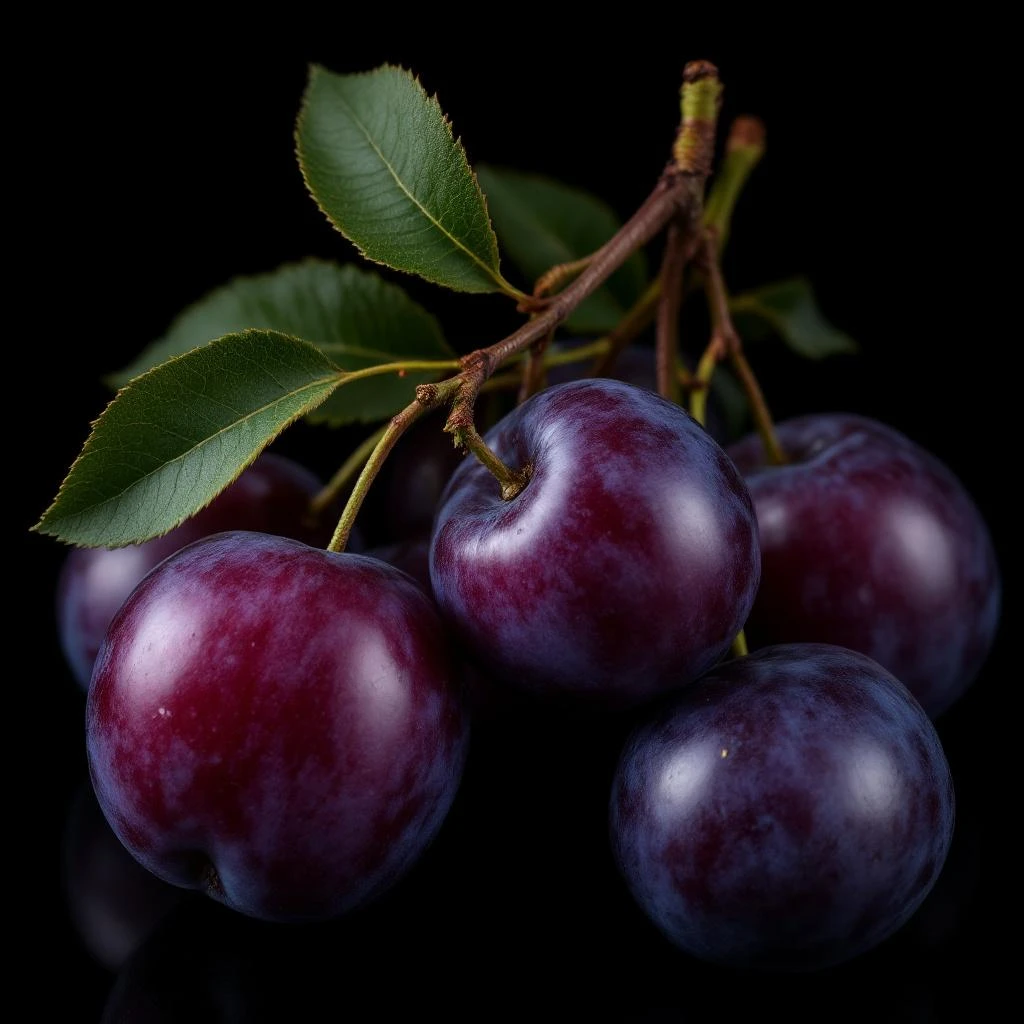
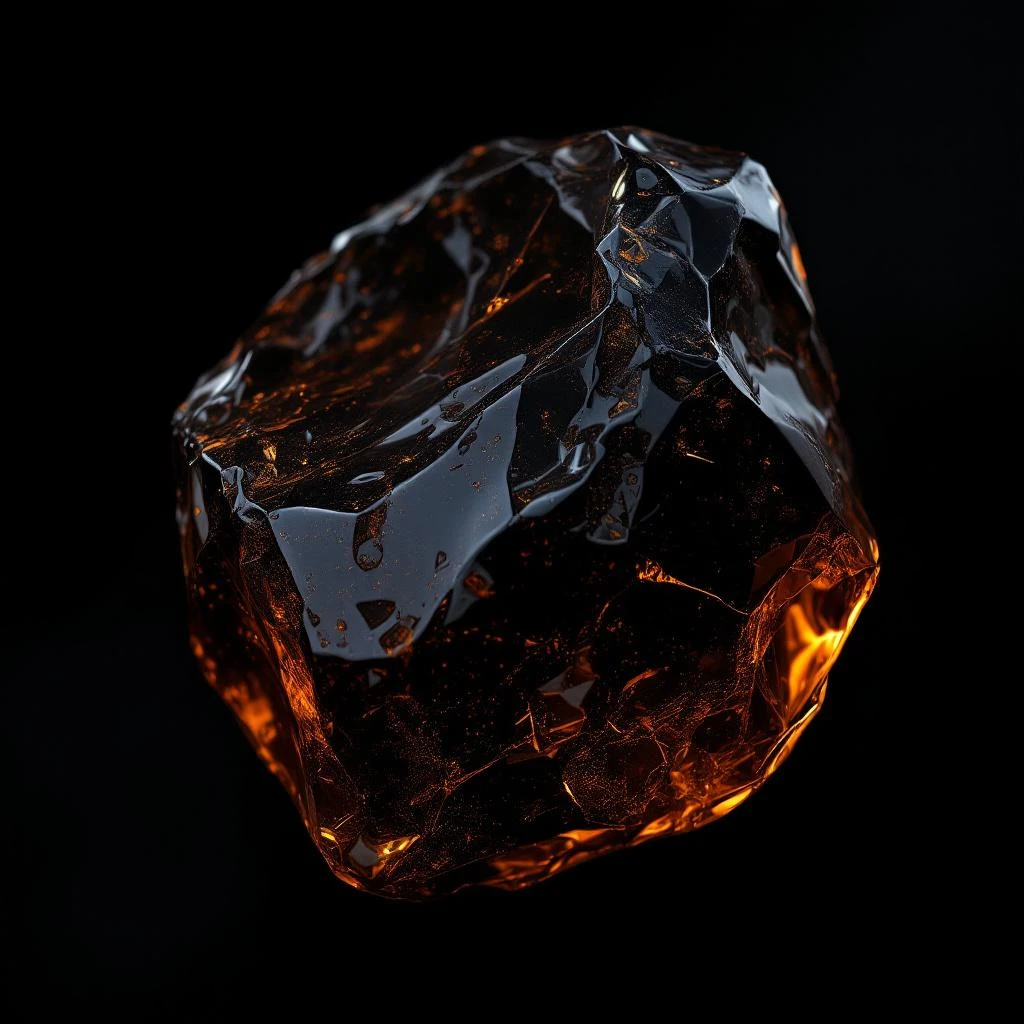
A rich, sensual accord that marries the warm depth of black amber with the velvety sweetness of ripe plum. This luxurious combination creates a signature that feels simultaneously ancient and modern, grounding fruity brightness in resinous warmth.
Character
How it smells
Resinous warmth meets velvety fruit.
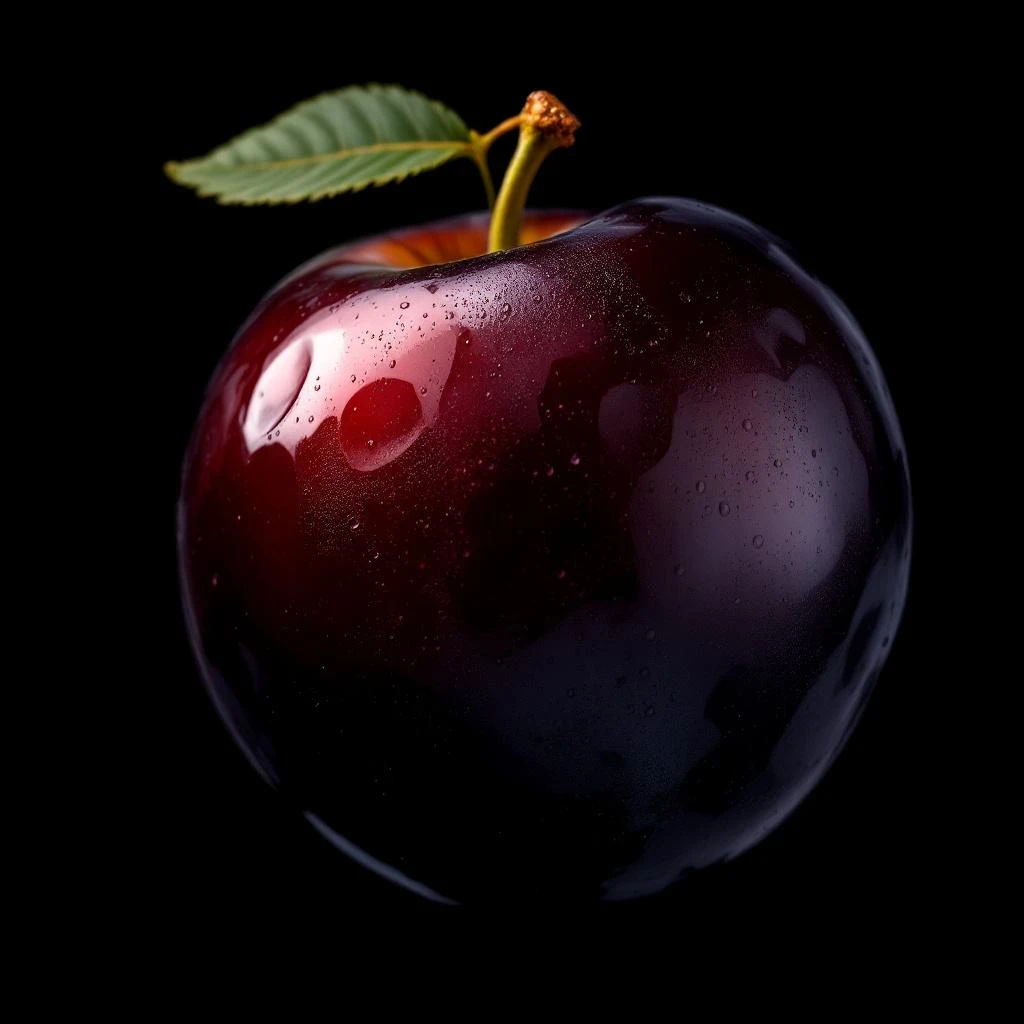
Plum does not exist as a natural perfumery ingredient. Perfumers recreate its velvety character entirely through synthetic chemistry using compounds called damascones.




Origin
France
Amber as a fragrance material emerged in the late 1800s following the invention of synthetic vanillin, revolutionizing perfumery by making warm, sweet notes accessible without rare natural resins. Middle Eastern fragrance houses, particularly those manufacturing since the 1940s, popularized the black amber concept, adding darker, more mysterious dimensions to traditional amber through oudh and resin combinations. The plum note arrived later, as synthetic chemistry advanced to recreate fruity nuances that natural materials could not capture.
Together, these elements form an accord that reflects contemporary perfumery's ability to construct complex, layered signatures from both natural and synthetic origins. The combination has become particularly popular in Western markets seeking gourmand warmth with oriental depth.
Wears it best
Fragrances featuring Black amber plum
Brands
Brands known for Black amber plum
Good to know
Questions, answered
The essentials on Black amber plum in perfumery: how it smells, where it comes from, and how it behaves on skin.
Is black amber plum natural or synthetic?
Black amber plum is primarily synthetic. The plum note cannot be extracted from fruit and is recreated using damascones in laboratory settings. The amber component combines natural resins with synthetic amber materials for consistency.
What does black amber plum smell like?
It smells warm, sweet, and resinous with a velvety fruity top note. The black amber provides deep, honeyed warmth while plum adds a jammy, ripe sweetness that floats on top of the heavier base.
Where did amber notes originate in perfumery?
Amber as a distinct perfume ingredient debuted in the late 1800s with the invention of synthetic vanillin. Before this, perfumers achieved warmth through natural resins like benzoin and labdanum.
Can you extract fragrance from actual plums?
No. The velvety plum note found in perfumery comes entirely from synthetic chemistry, specifically from compounds called damascones. No natural plum extraction exists in commercial fragrance production.
What family does black amber plum belong to?
It belongs to the oriental family. The warm, resinous amber base combined with sweet fruit notes defines this category, which typically features rich, enveloping characteristics.
How do perfumers create the black amber accord?
Perfumers build black amber by combining natural resins like labdanum, benzoin, and styrax with synthetic materials such as vanillin derivatives. The 'black' designation refers to darker, more mysterious resinous qualities than traditional amber.
When did Middle Eastern fragrances start using black amber?
Middle Eastern fragrance houses began developing black amber musk accords after the 1940s, building on their region's long tradition of oudh and resin-based perfumery to create richer, more complex oriental signatures.
Is black amber plum used as a top, middle, or base note?
It functions primarily as a base note foundation. The plum facet appears initially as a bright top note, but the amber depth provides lasting warmth that lingers for hours on the skin.