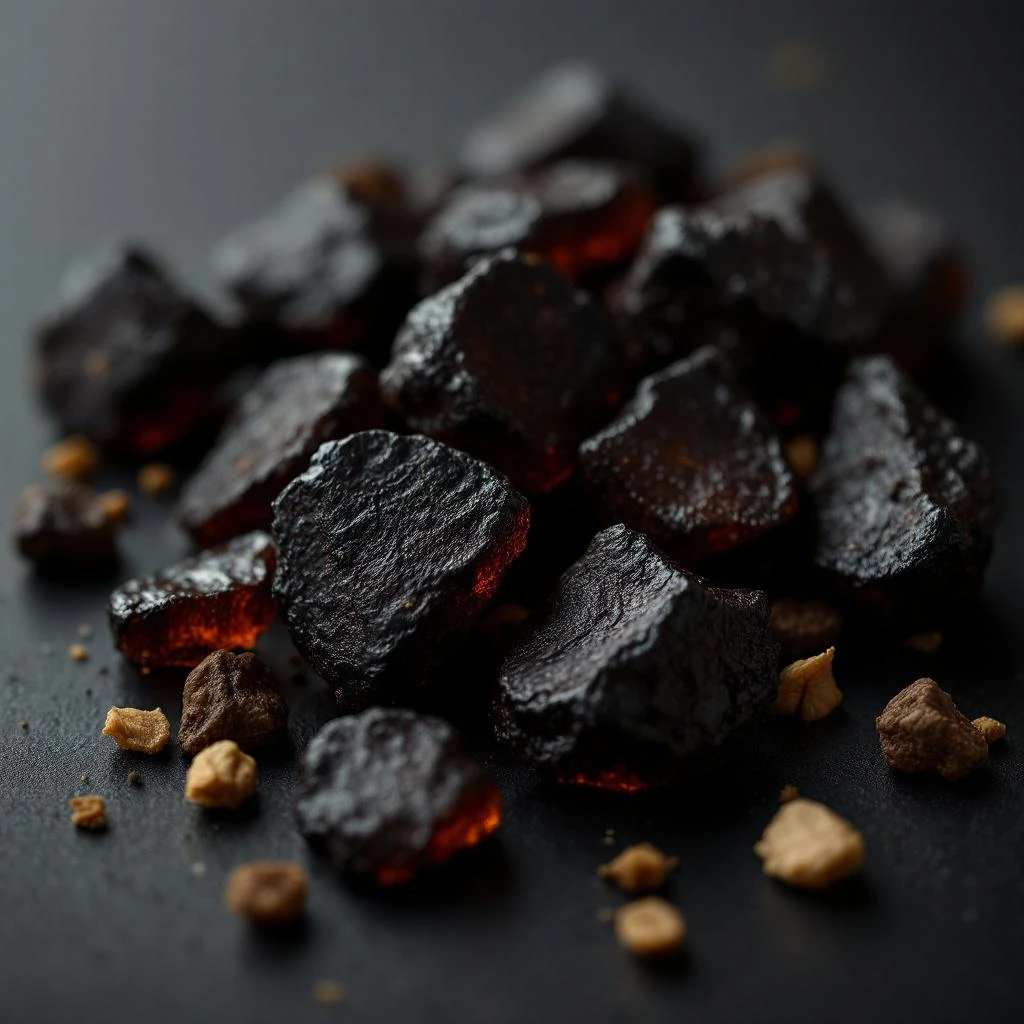
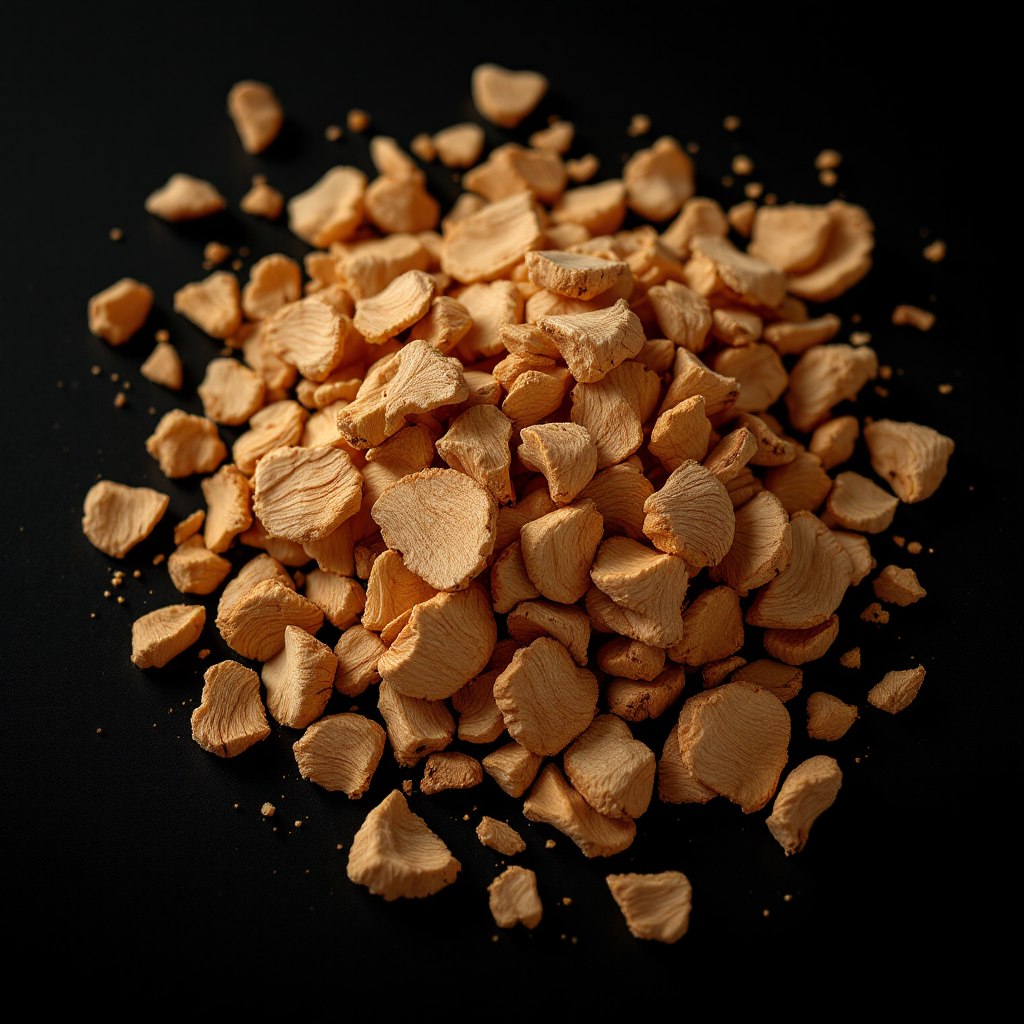
Vanilla Wood
Vanilla wood captures the warm, dry, and deeply resinous character that emerges in aged vanilla beans. In perfumery, this term evokes the balsamic richness of vanilla's woody core — the part that lingers on skin like sun-warmed timber.
Character
How it smells
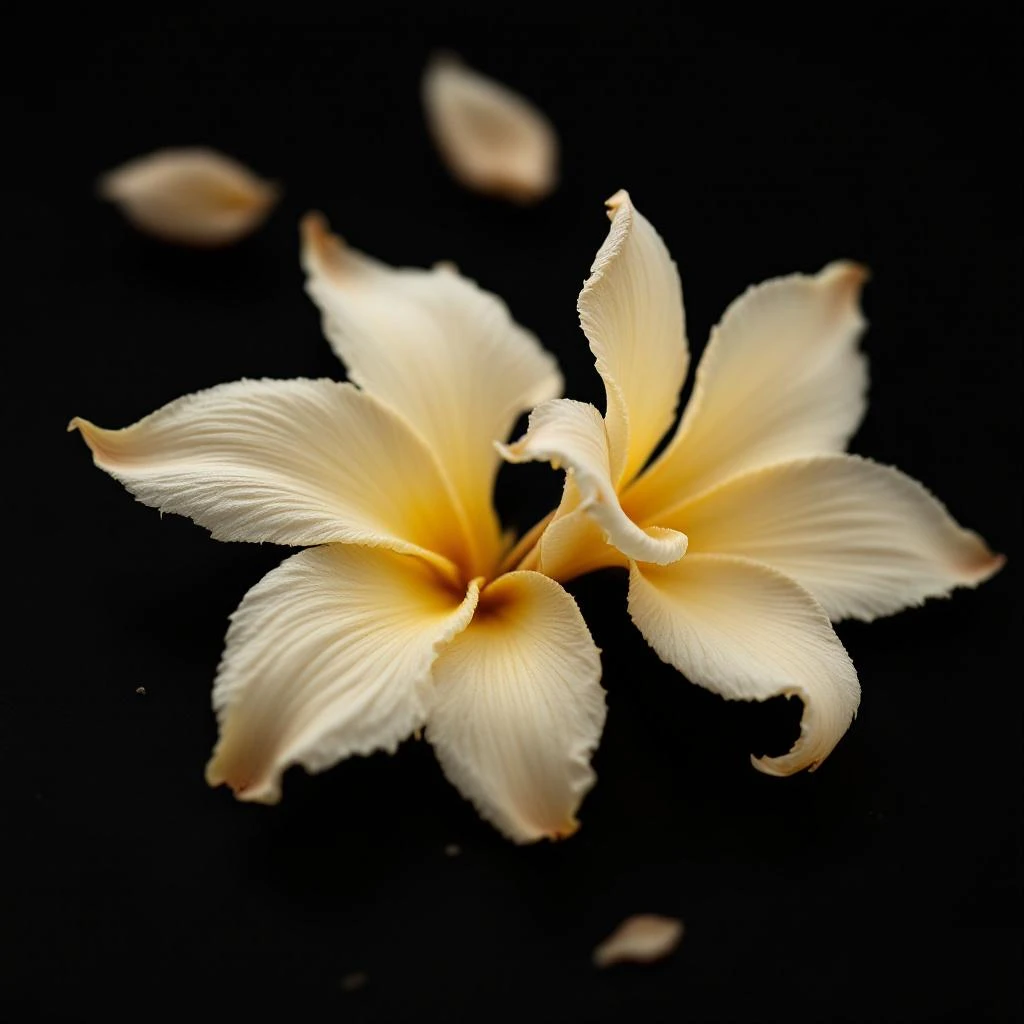
The warm heartwood of the vanilla orchid
Each vanilla flower opens for only one day, and without hand-pollination in most regions, no pods would form at all.









Origin
Mexico
Vanilla's documented history begins with the Totonac people of Veracruz, Mexico, who cultivated Vanilla planifolia as early as 1185 CE. The Aztecs used vanilla to flavor cacahuatl (chocolate), considering it a sacred resin. Spanish conquistadors brought vanilla to Europe in the 1520s, where its rich, warm scent captivated royalty.
For centuries, Mexico held a monopoly — no one understood why vanilla refused to set fruit elsewhere, since the flower lacks natural pollinators outside Mesoamerica. In 1836, botanist Charles Morren discovered the solution: hand-pollination. This breakthrough spread cultivation to Madagascar, Réunion (formerly Bourbon), and Indonesia.
Today, Madagascar produces roughly 80% of the world's natural vanilla, yet the orchid's wild, climbing nature — a vine that climbs trees before flowering — remains unchanged. Its journey from Aztec tribute to global perfume icon spans nine centuries.
Wears it best
Fragrances featuring Vanilla Wood

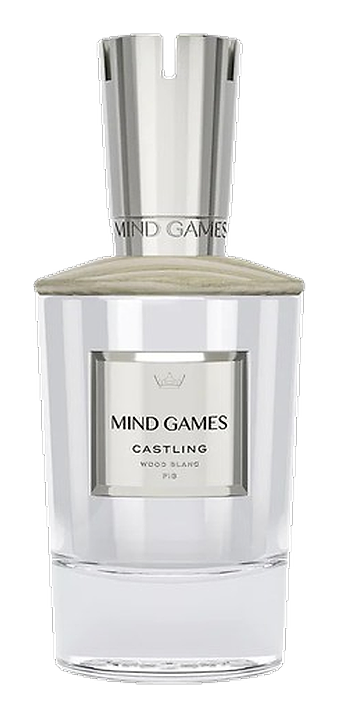
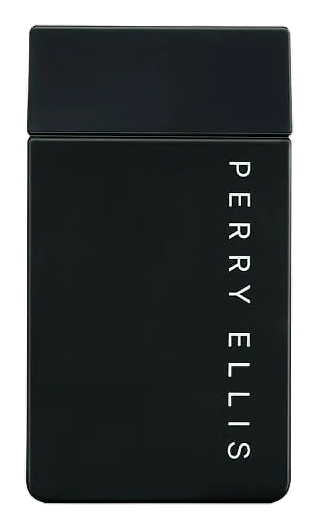
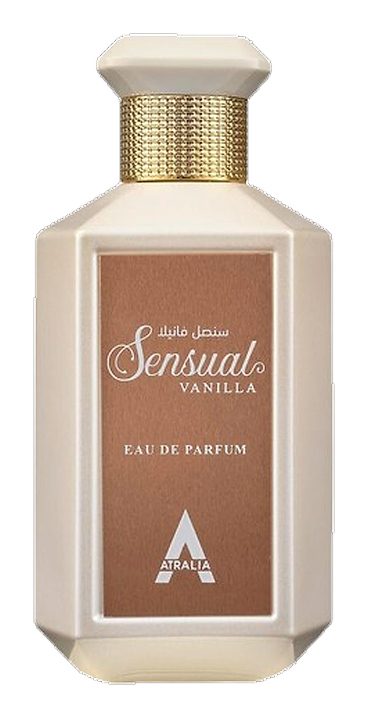
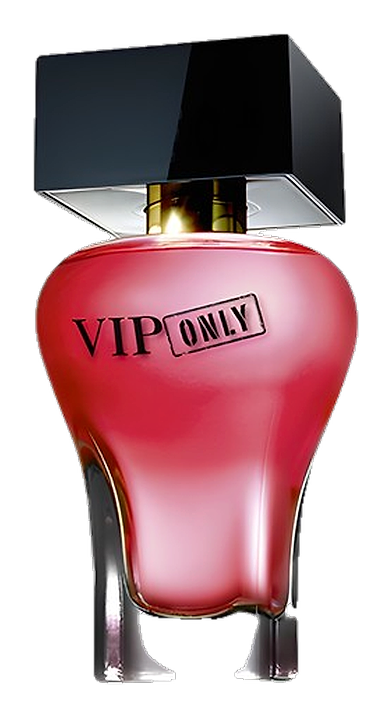
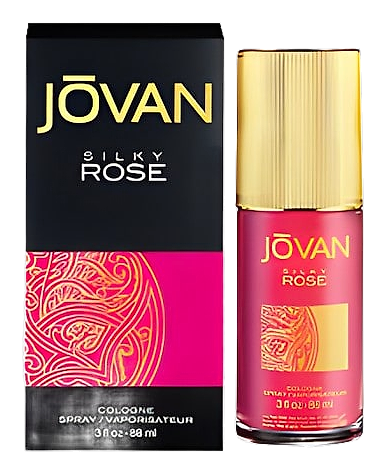
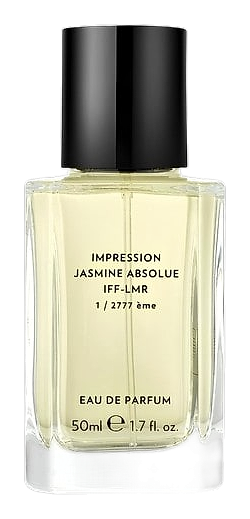
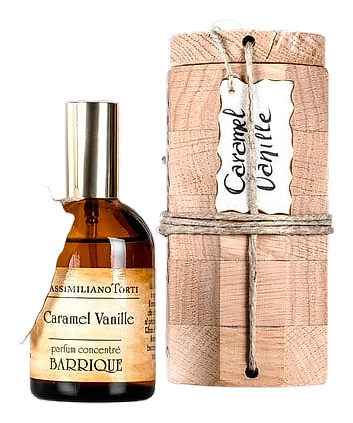
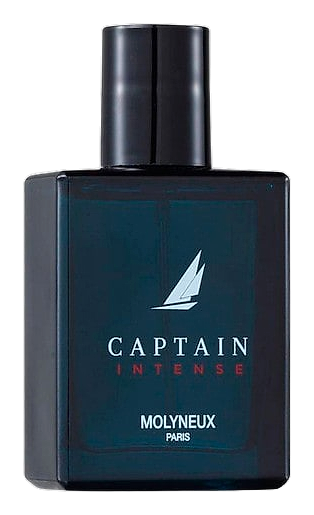
Brands
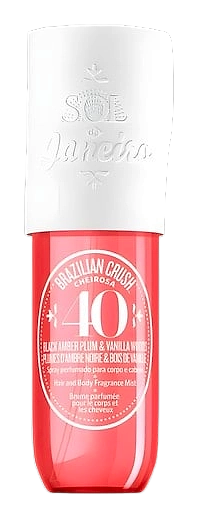
Brands known for Vanilla Wood
Good to know
Questions, answered
The essentials on Vanilla Wood in perfumery: how it smells, where it comes from, and how it behaves on skin.
What is vanilla wood in perfumery?
Vanilla wood describes the warm, dry, woody character extracted from cured vanilla beans. Perfumers value this aspect for its balsamic depth and long-lasting warmth on skin.
How is vanilla absolute produced?
Producers macerate cured vanilla beans in alcohol for weeks, drawing out the aromatic compounds. The solvent evaporates, leaving a concentrated absolute containing over 250 identified compounds.
Why is natural vanilla so expensive?
Each vanilla flower must be hand-pollinated, and curing the pods takes six to nine months. The labor-intensive process commands prices around $400–600 per kilogram for quality beans.
Where does most vanilla come from today?
Madagascar produces about 80% of global vanilla supply, though Veracruz, Mexico remains the origin point where cultivation began in the 12th century.
What compounds give vanilla its scent?
Vanillin is the primary component, but vanilla contains over 250 compounds including anisaldehyde, coumarin, and phenolic acids that create its characteristic warm, sweet-yet-woody profile.
How long does vanilla take to cure?
Curing requires four to nine months of alternating sweating and drying, with beans losing 70% of their original weight while developing their characteristic dark color and rich aroma.
Can vanilla grow without human intervention?
In Mexico, vanilla orchids are pollinated by bees. Everywhere else, hand-pollination is essential because the flower structure prevents natural pollination by local insects.
What fragrance families use vanilla wood?
Vanilla wood features prominently in oriental and gourmand fragrances, but also appears in woody and fougère compositions where its warm, balsamic base adds depth and longevity.