Bitter Notes
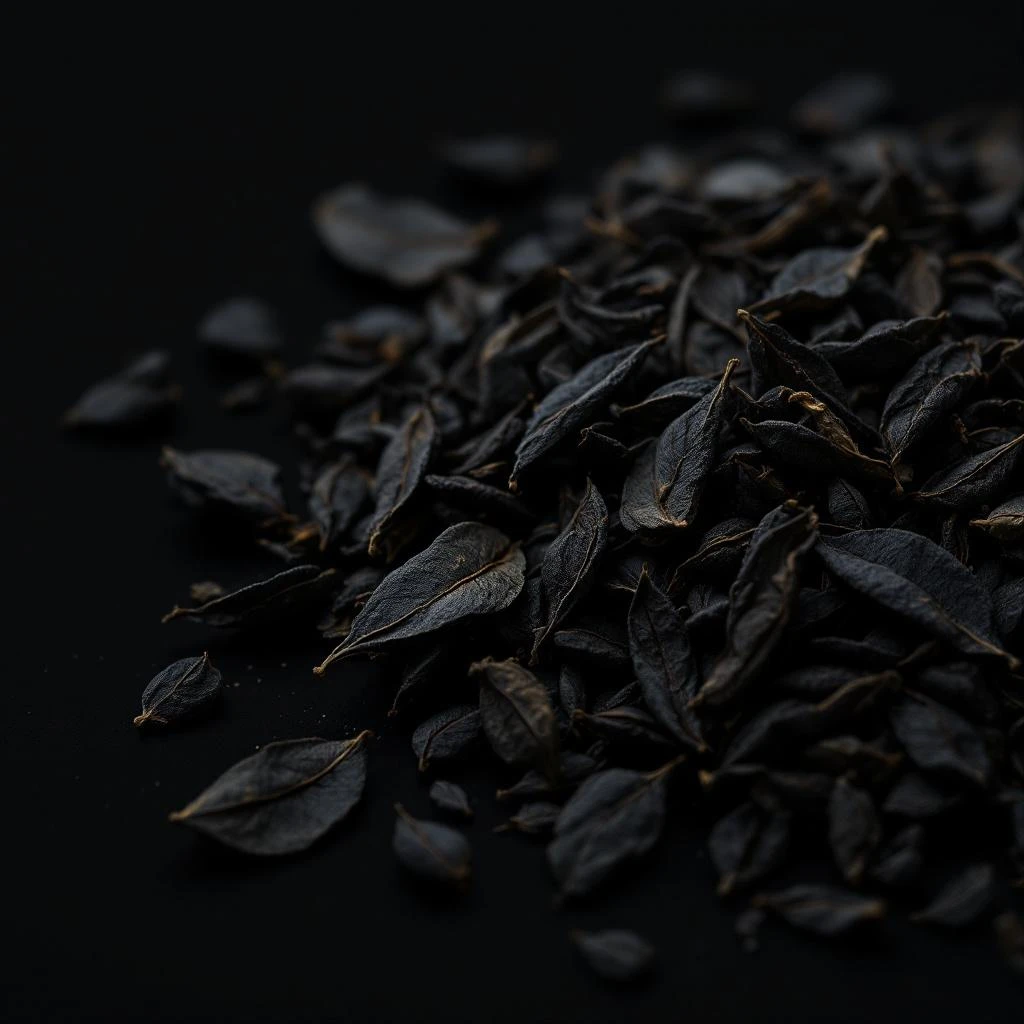
Bitter notes add an unexpected edge to fragrance, evoking the dry, mineral snap of espresso, quinine tonic, and burnt caramel. They anchor compositions, preventing sweetness from cloying and adding sophisticated tension to florals and woods.

Character
How it smells
The sharp edge that keeps sweetness honest.
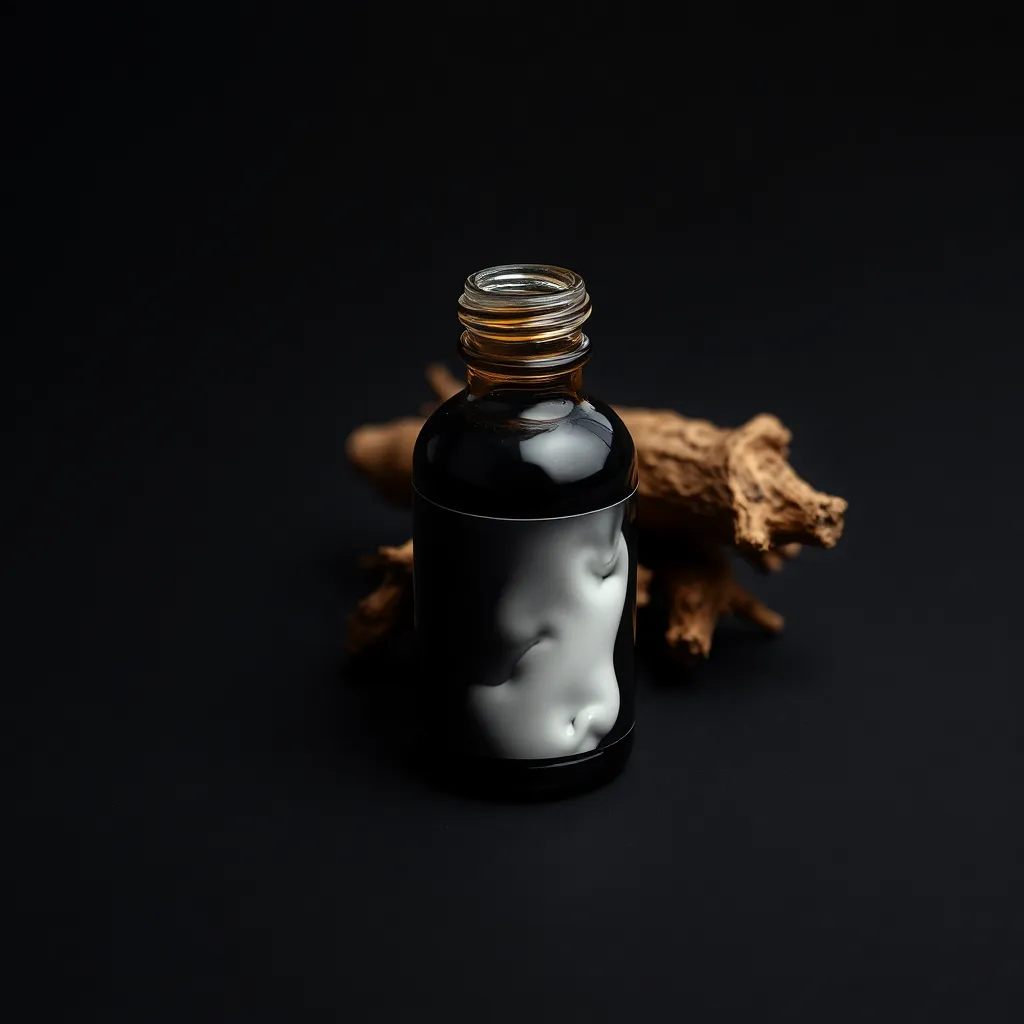
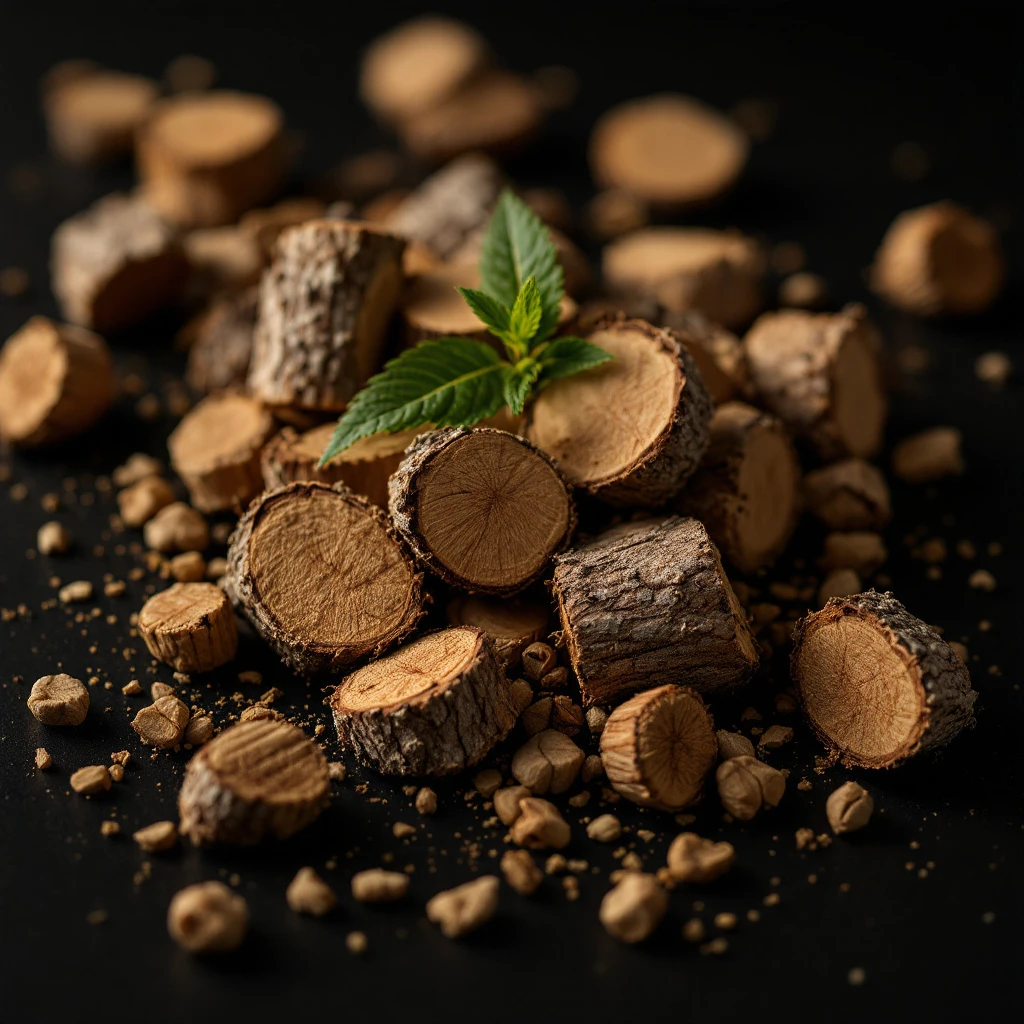
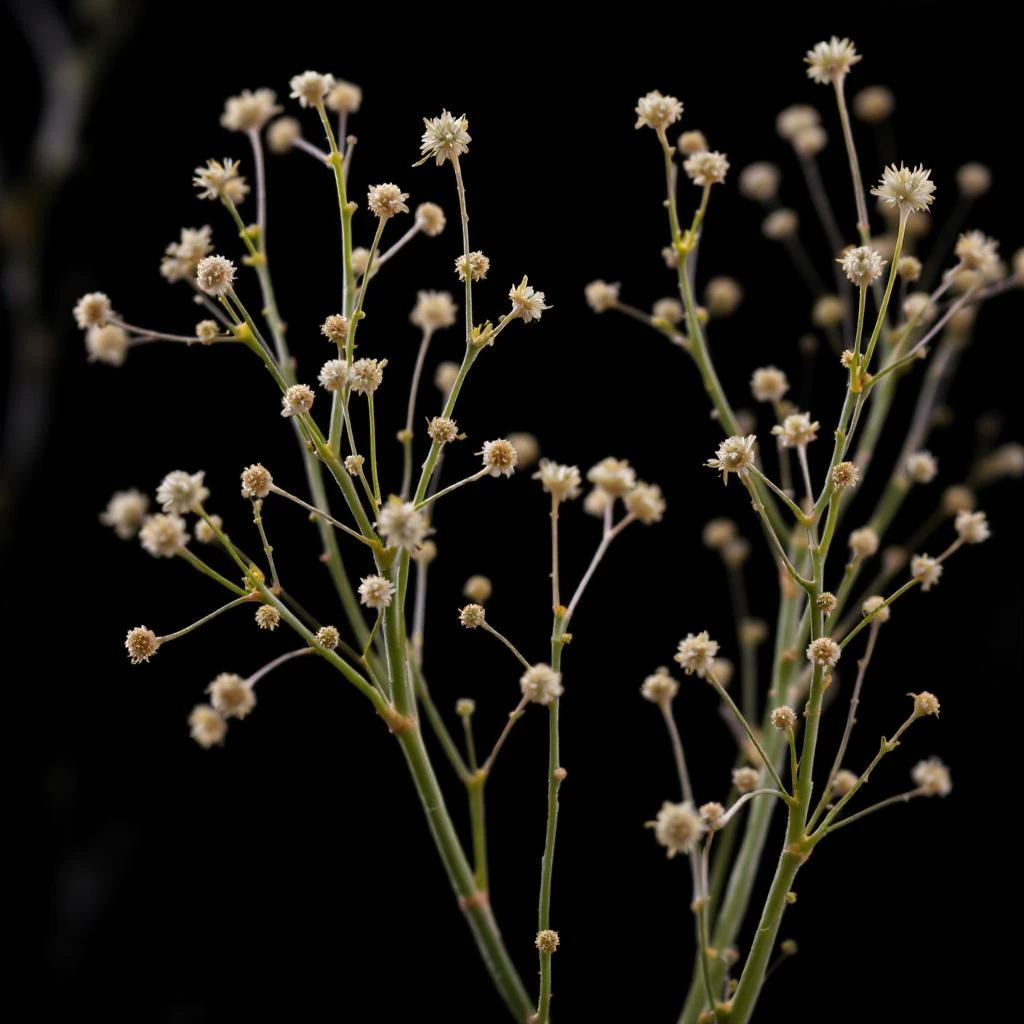
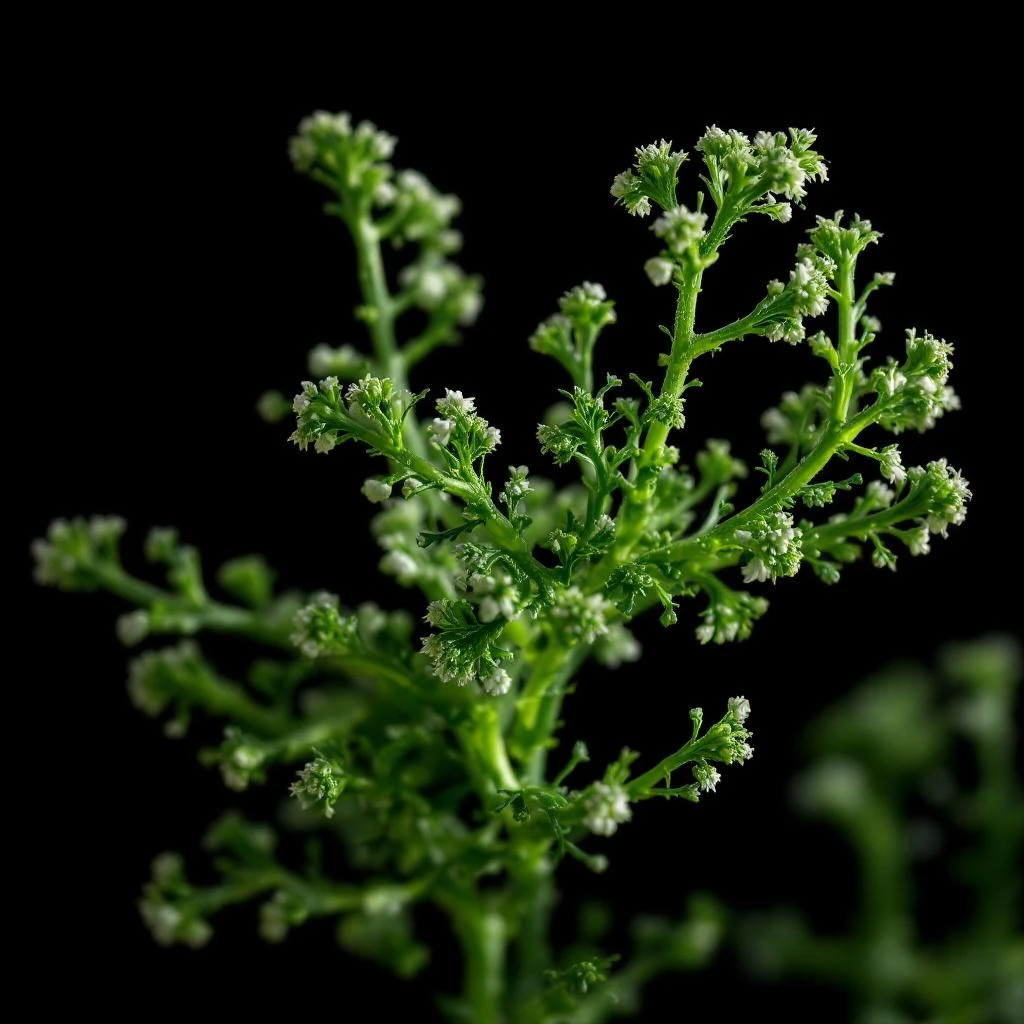
Quinine, extracted from cinchona bark, was once so vital it moved armies. Today its bitterness defines both gin and tonic, and certain modernist perfumes.


Origin
Italy
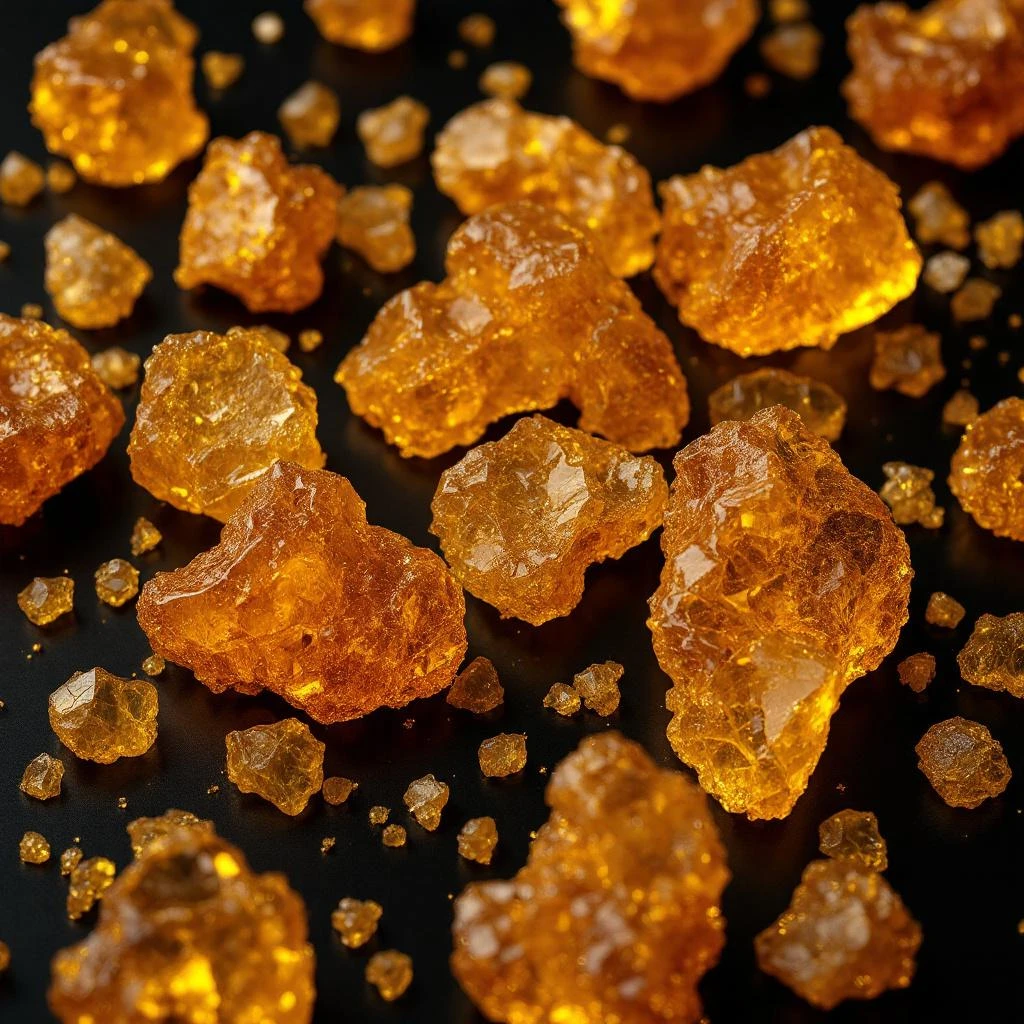
Bitterness has shaped perfumery since its earliest recorded chapters. The Egyptians, Greeks, and Romans incorporated bitter resins like myrrh and frankincense into ritual unguents, valuing their austere character alongside their fixative properties. By the 6th century, Islamic perfumers in the Middle East codified extraction techniques for aromatic plants, capturing bitter-sweet botanicals like wormwood and gentian.
The 19th century marked a turning point when organic synthesis unlocked quinine from cinchona bark, a compound previously monopolized by South American harvesting. This isolation fueled both pharmaceutical advances and creative perfume compositions. Coffee entered European perfumery after the 17th century Ottoman introduction of the beverage.
The bitter-aromatic family gained prominence in 20th century chypre and fougère structures, where bitter elements serve as structural anchors balancing florals and resins.
Wears it best
Fragrances featuring Bitter Notes
Brands
Brands known for Bitter Notes
Good to know
Questions, answered
The essentials on Bitter Notes in perfumery: how it smells, where it comes from, and how it behaves on skin.
What do bitter notes smell like in perfume?
Bitter notes register as dry, sharp, and slightly medicinal, often recalling black coffee, tonic water, burnt caramel, or unsweetened cacao. They add dryness and edge to a fragrance without smelling literally unpleasant.
Why are bitter ingredients used in perfumery?
Bitter notes act as structural anchors in a composition. They prevent sweet or floral elements from becoming cloying and create contrast, much like salt in cooking, sharpening and defining surrounding ingredients.
Which natural ingredients provide bitter notes?
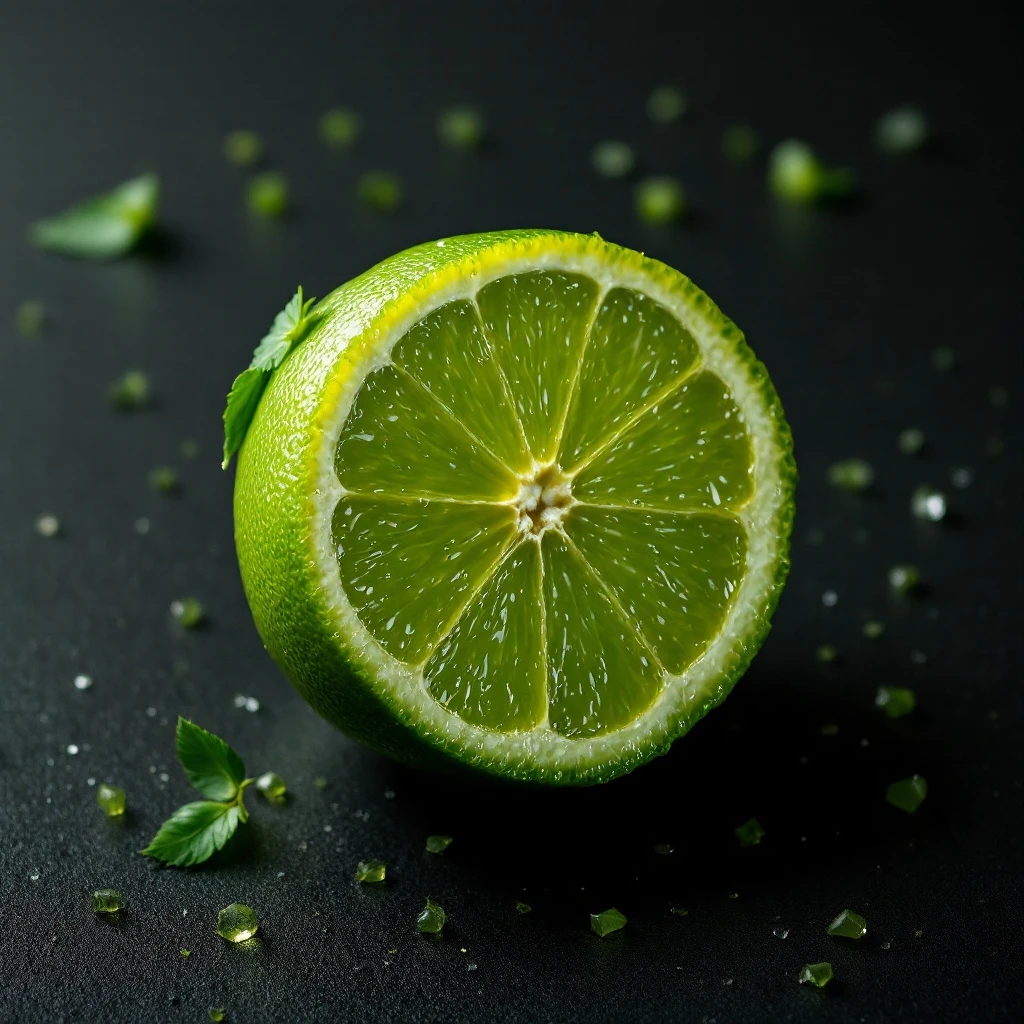
Coffee, gentian root, wormwood, cinchona bark, and grapefruit peel are among the most common sources. Each delivers a distinct bitter character, from burnt and roasted to green and herbal.
Are bitter notes the same as dark or gourmand notes?
No. Bitter notes overlap with gourmand and dark families but remain distinct. A bitter accord emphasizes dryness and austerity, while gourmand notes lean toward edible sweetness and warmth.
What perfume families feature bitter notes prominently?
Chypre, fougère, and aromatic fragrances rely on bitter notes as core elements. Modern niche perfumery also uses them in abstract compositions to add intellectual tension and modernist flair.
Can bitter notes be created synthetically?
Yes. Aromachemicals like isoquinoline, certain pyrazines, and specialty coffee bases replicate bitter impressions with consistency and stability. These synthetics allow perfumers greater creative control.
Are bitter notes suitable for all seasons?
Bitter notes shine in cooler months, where their dryness complements heavy materials like woods and resins. However, light bitter touches from grapefruit or green herbs work well in summer compositions.
Do bitter notes last long on skin?
Bitter extracts often function as base notes, providing longevity through resinous and woody co-extracts. Pure bitter aromachemicals vary in staying power, with many lasting six hours or more depending on concentration.