Bigarane
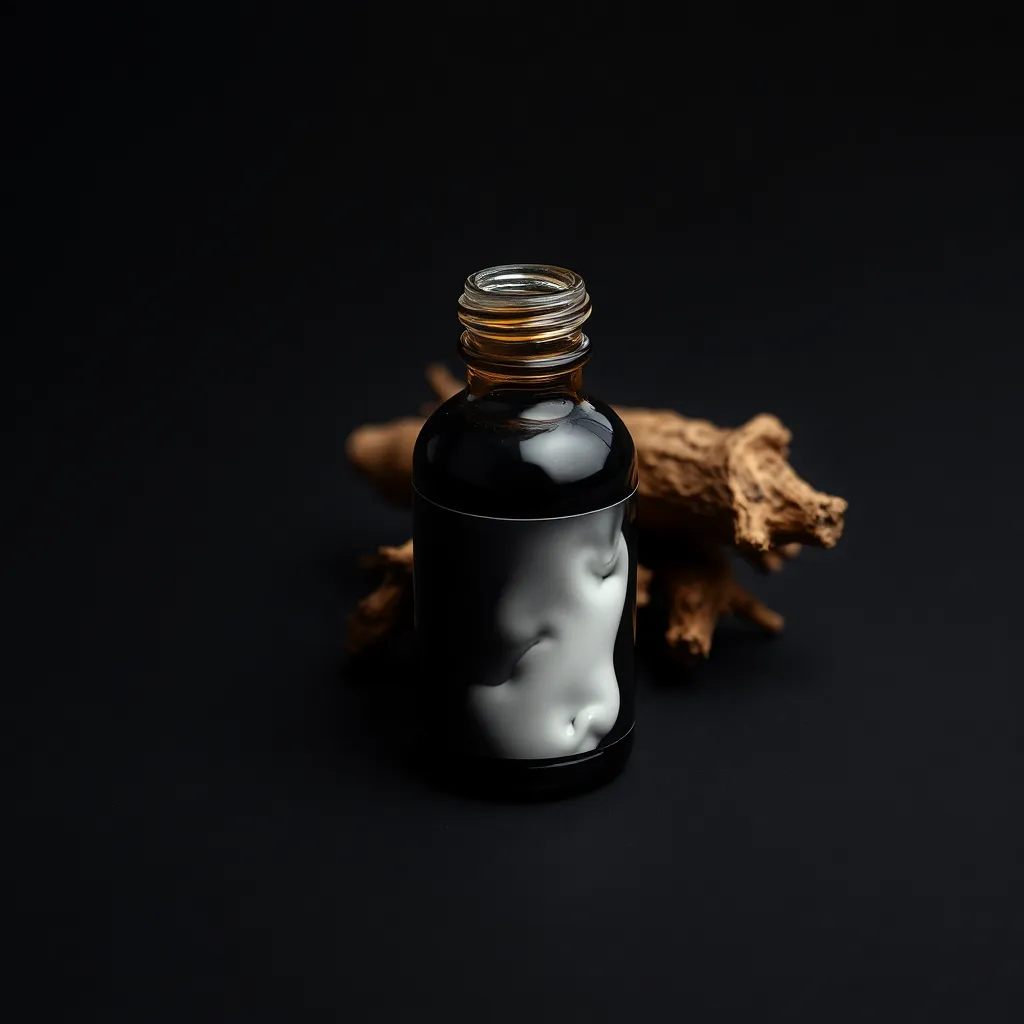
Bigarane is a sesquiterpene hydrocarbon isolated from bitter orange and petitgrain oils. It provides a woody, slightly bitter base note that acts as a natural fragrance fixative, anchoring lighter top notes and extending wear time on skin.
Character
How it smells
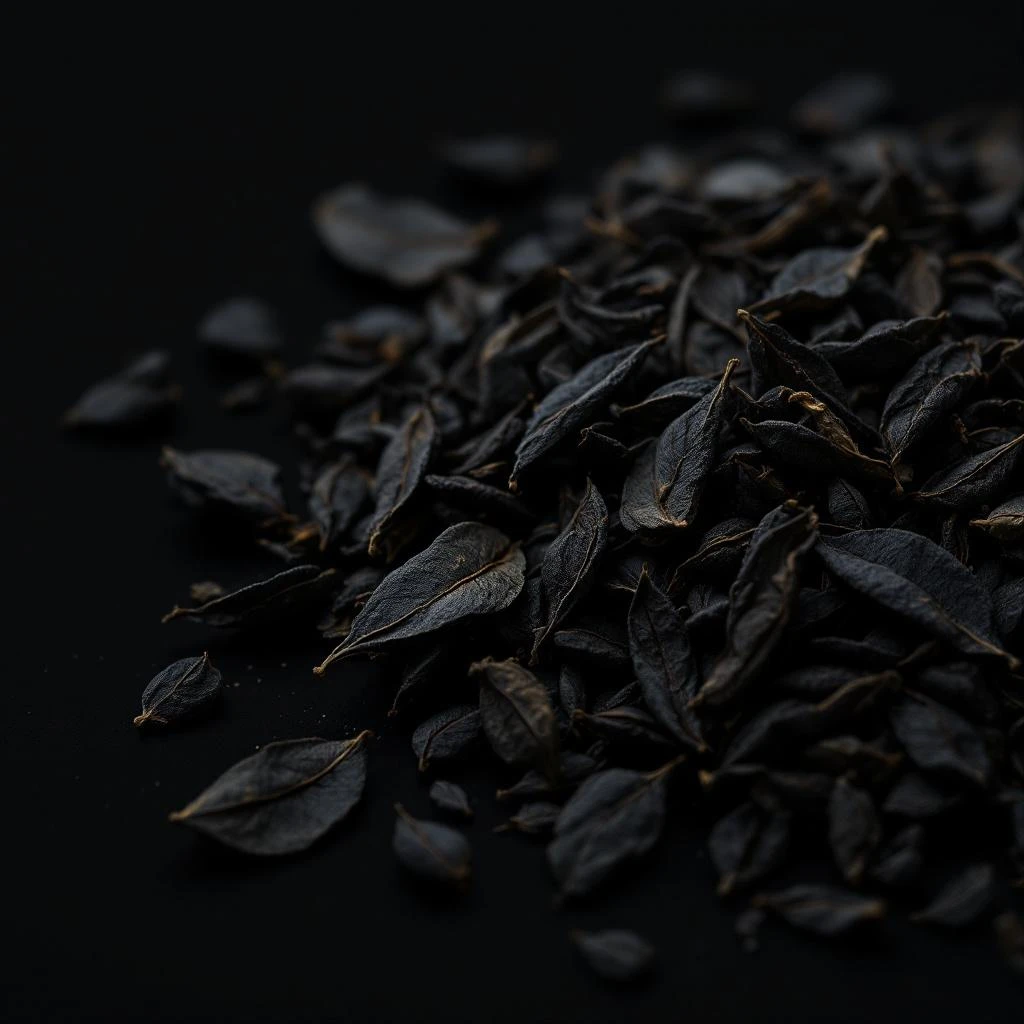
The woody backbone of classic bitter orange.
Bigarane is one of the rarest sesquiterpenes in perfumery, making it a prized find in natural petitgrain and neroli oils.



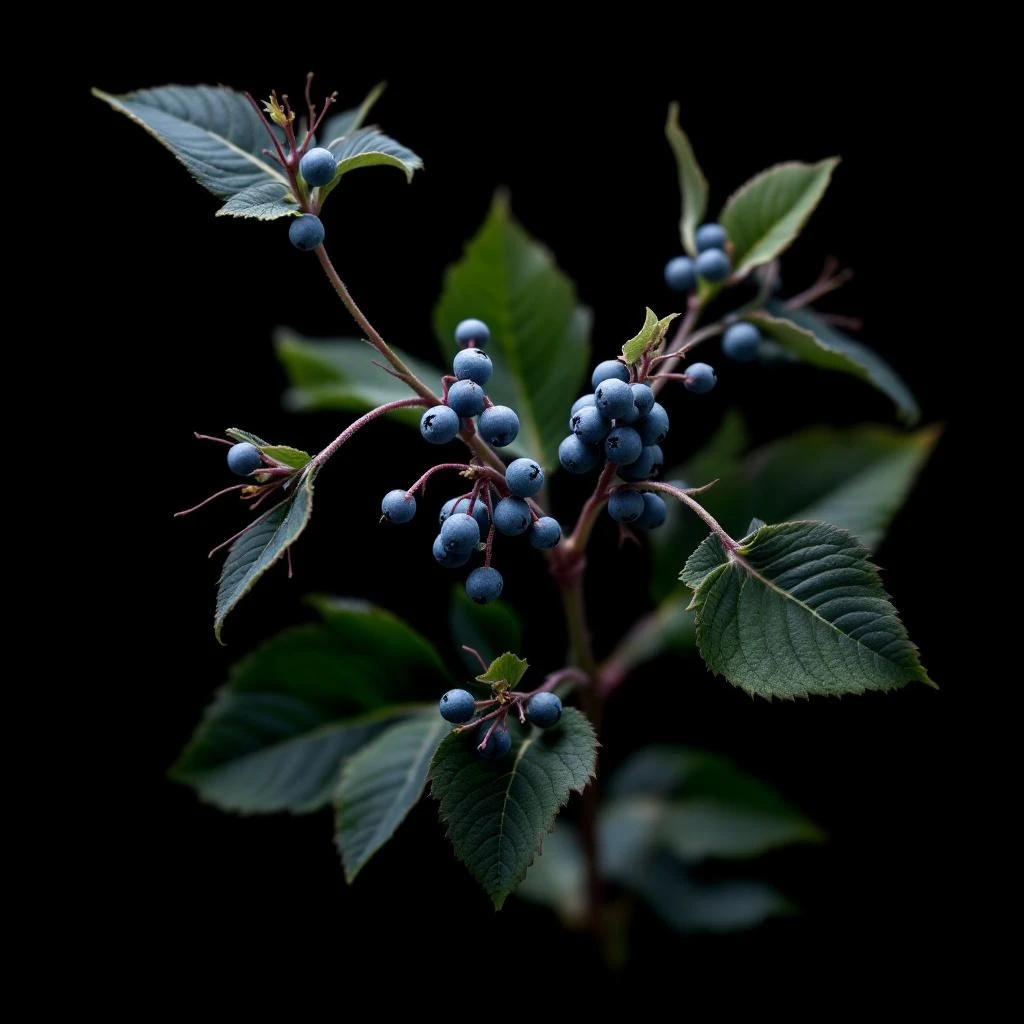
Origin
Italy
Bitter orange, known in French as bigarade, originated in West Africa and spread eastward through the Mediterranean via Arab trade routes during the 12th century. European monasteries cultivated the tree extensively, valuing its flowers, fruit, and leaves for both culinary and aromatic purposes.
The French perfumery industry adopted the term bigarade and, over centuries, developed techniques to isolate the sesquiterpene compound that came to bear its name. By the 19th century, bigarane had become a structural component in classic colognes, fougères, and chypre accords across France and Italy.
These traditional families relied on bitter orange materials to provide dry-down character and lasting trail. Today, bigarane remains a marker of authenticity in natural-derived citrus fragrances, though it appears in only trace amounts in most commercial oils.
Wears it best
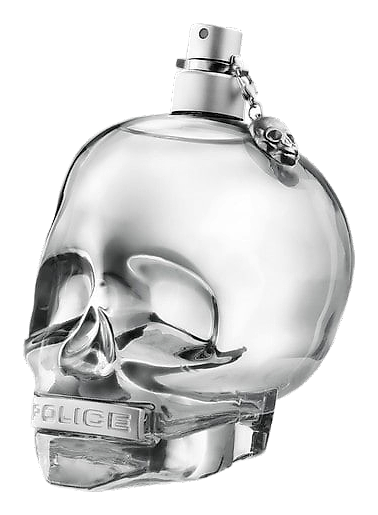
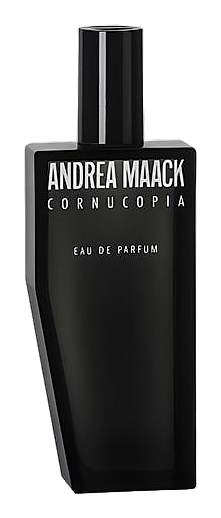
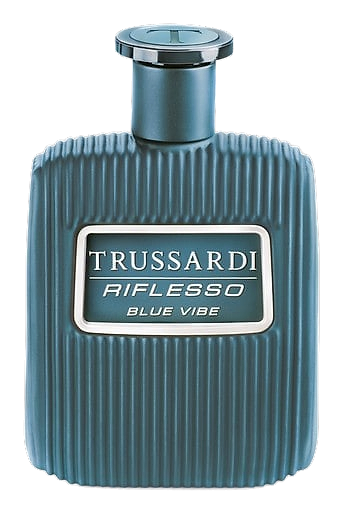
Fragrances featuring Bigarane
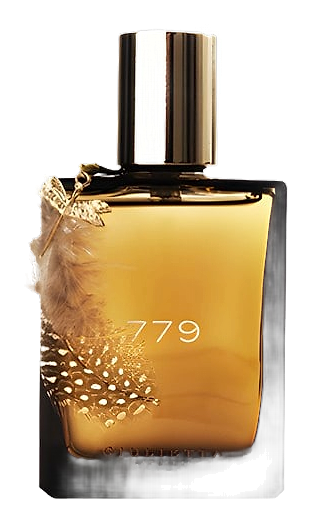
Brands
Brands known for Bigarane
Good to know
Questions, answered
The essentials on Bigarane in perfumery: how it smells, where it comes from, and how it behaves on skin.
What is bigarane in perfumery?
Bigarane is a sesquiterpene hydrocarbon found in bitter orange and petitgrain oils. It functions as a natural fixative, slowing the evaporation of lighter fragrance materials and adding woody, slightly bitter depth to perfume compositions.
Which essential oils contain bigarane?
Bitter orange oil, petitgrain oil, and neroli oil contain bigarane as a natural constituent. Petitgrain Bigarade from Paraguay ranks among the richest natural sources, though bigarane appears only in trace amounts across all these oils.
What does bigarane smell like?
Bigarane has a woody, slightly bitter aroma reminiscent of the bitter orange tree itself. It lacks the bright citrus character of limonene and instead contributes earthy, grounding depth to fragrance bases.
Is bigarane used in men's or women's fragrances?
Bigarane appears in both men's and women's fine fragrances. It features prominently in colognes, fougères, and chypre compositions for its lasting woody character, regardless of gender positioning.
Can bigarane be produced synthetically?
Yes, bigarane can be synthesized in laboratories. However, natural extraction from petitgrain and bitter orange oils remains preferred in fine perfumery for its complexity and trace botanical co-components.
How does bigarane function as a fixative?
As a sesquiterpene, bigarane has low volatility compared to monoterpenes. This allows it to linger on the skin longer, slowing the evaporation of lighter top notes and giving fragrances a more persistent dry-down.
Is bigarane considered rare in perfumery?
Bigarane ranks among the less common sesquiterpenes used in fine fragrance. It occurs in trace amounts in citrus oils, making isolation costly and contributing to its reputation as a prized, if understated, ingredient.
Is bigarane available in synthetic form?
Synthetic bigarane exists and offers consistency between batches, which natural oils cannot guarantee due to harvest variability. Synthetic production provides a viable alternative when natural sourcing proves impractical.