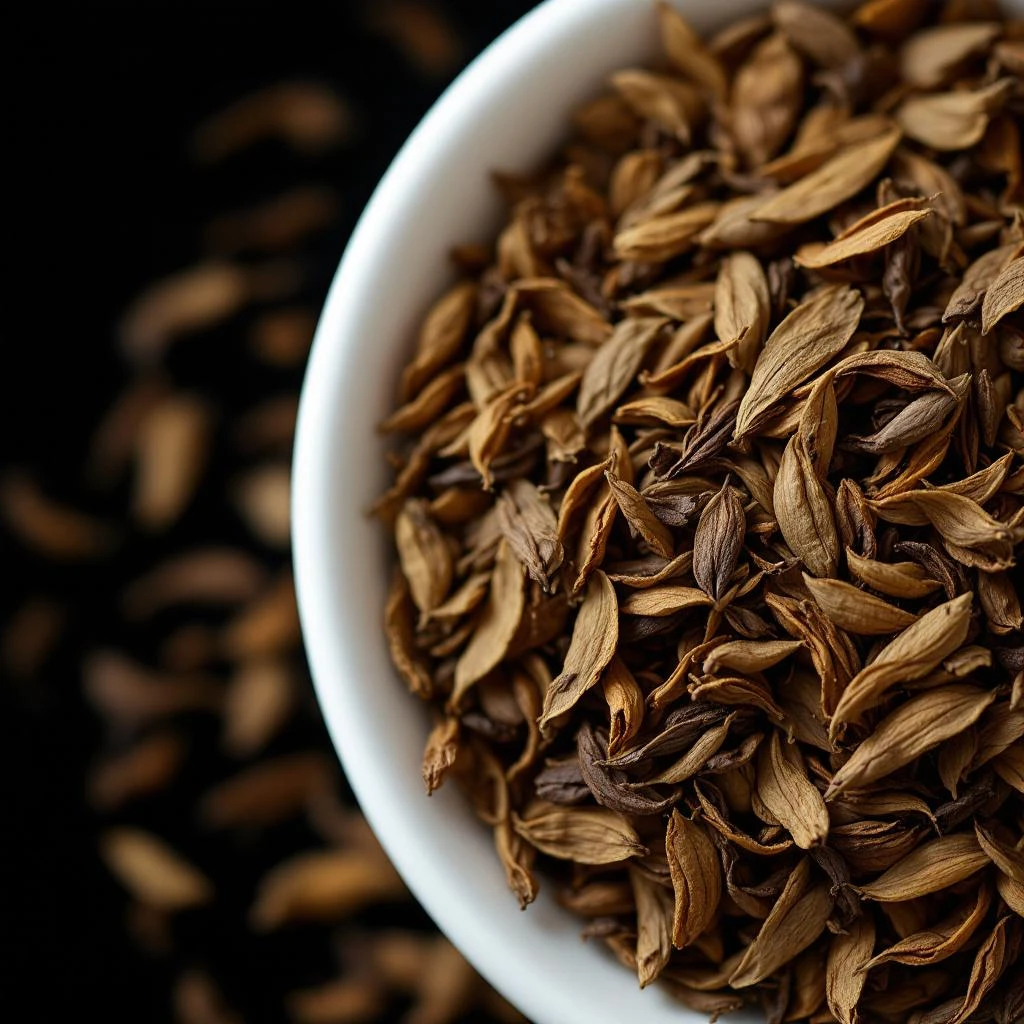
Balkans Laurel
Balkans Laurel carries the ancient weight of victory wreaths and sacred rituals. This Mediterranean aromatic brings sharp, resinous warmth to perfumery with an herbal complexity rooted in millennia of cultural significance.
Character
How it smells
Resinous warmth from ancient laurels
Greek athletes received laurel wreaths at the Olympics 300 years before the first recorded marathon.




Origin
Greece
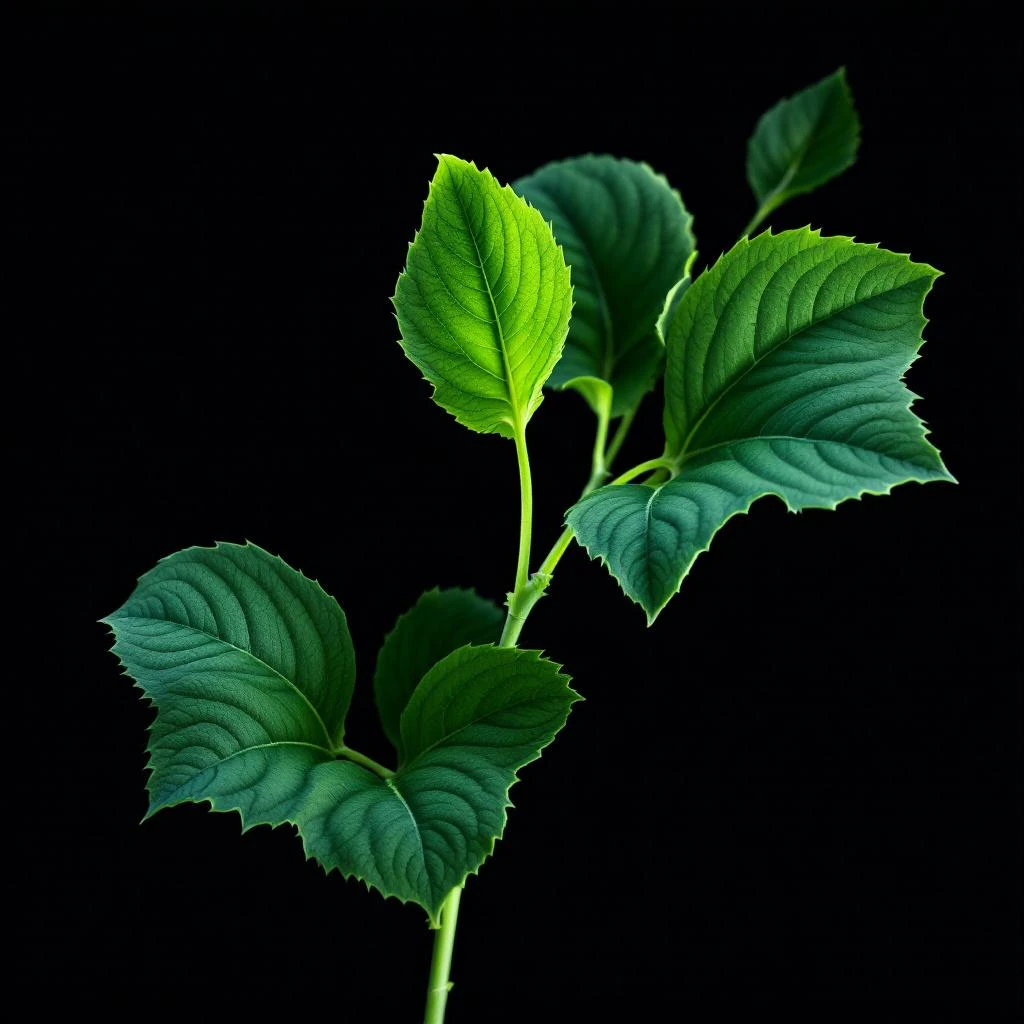
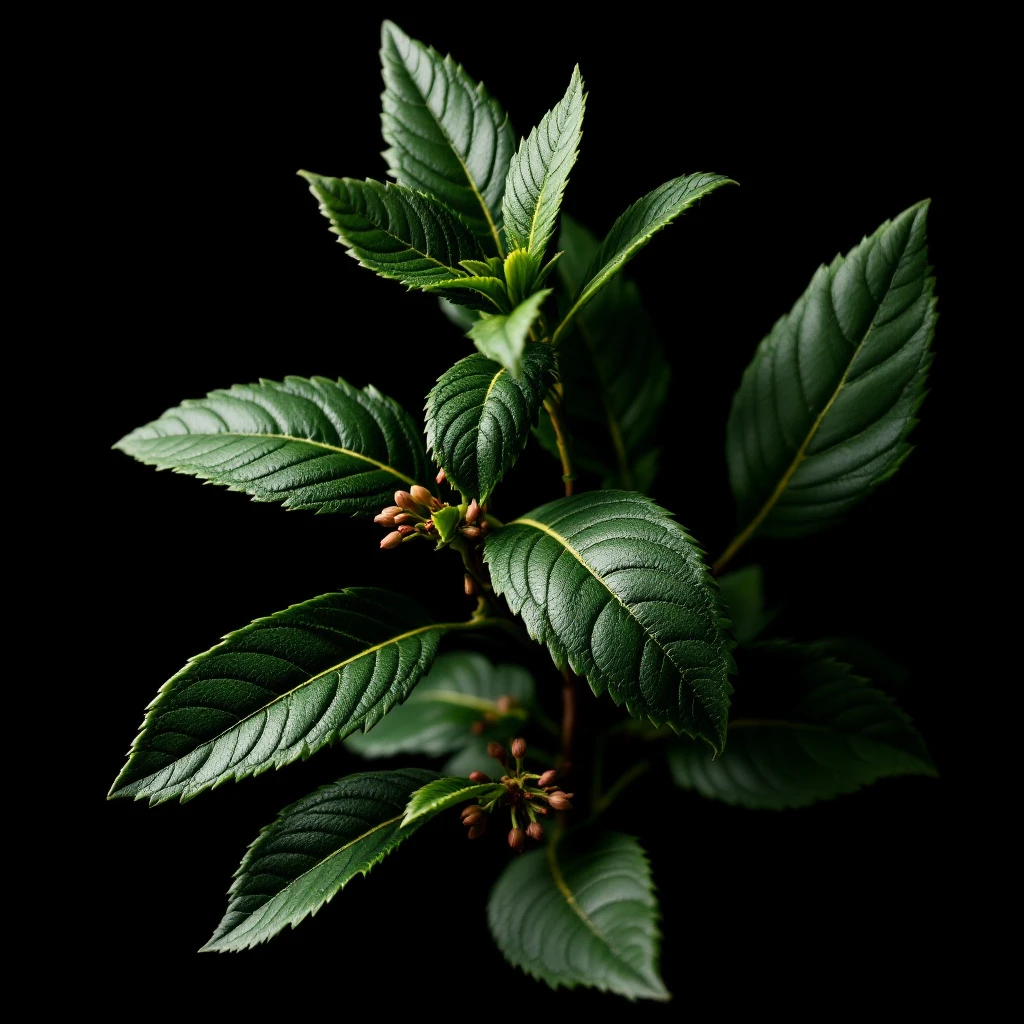
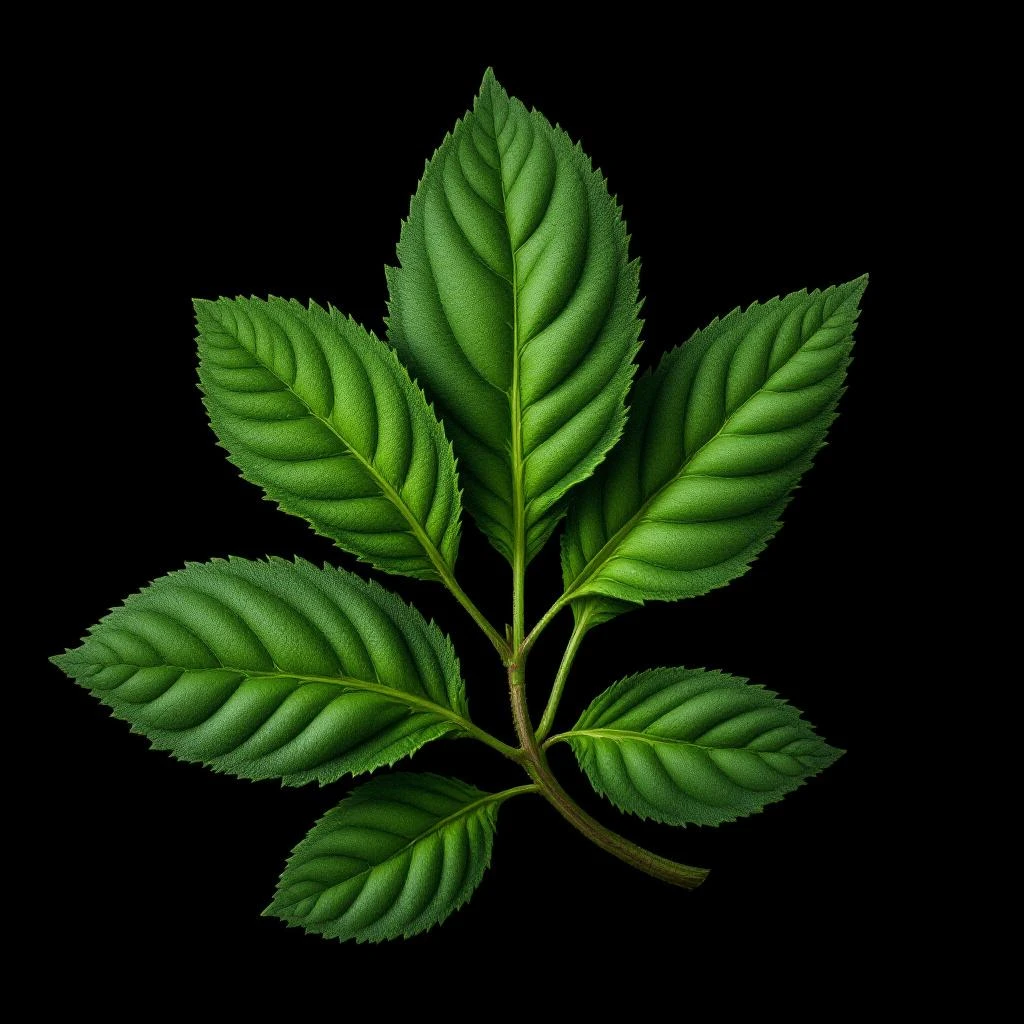
Laurus nobilis has grown wild across the Balkans since antiquity, shaping the aromatic heritage of ancient Greece. The plant earned divine status through Apollo, becoming inseparable from concepts of victory, poetry, and prophetic wisdom.
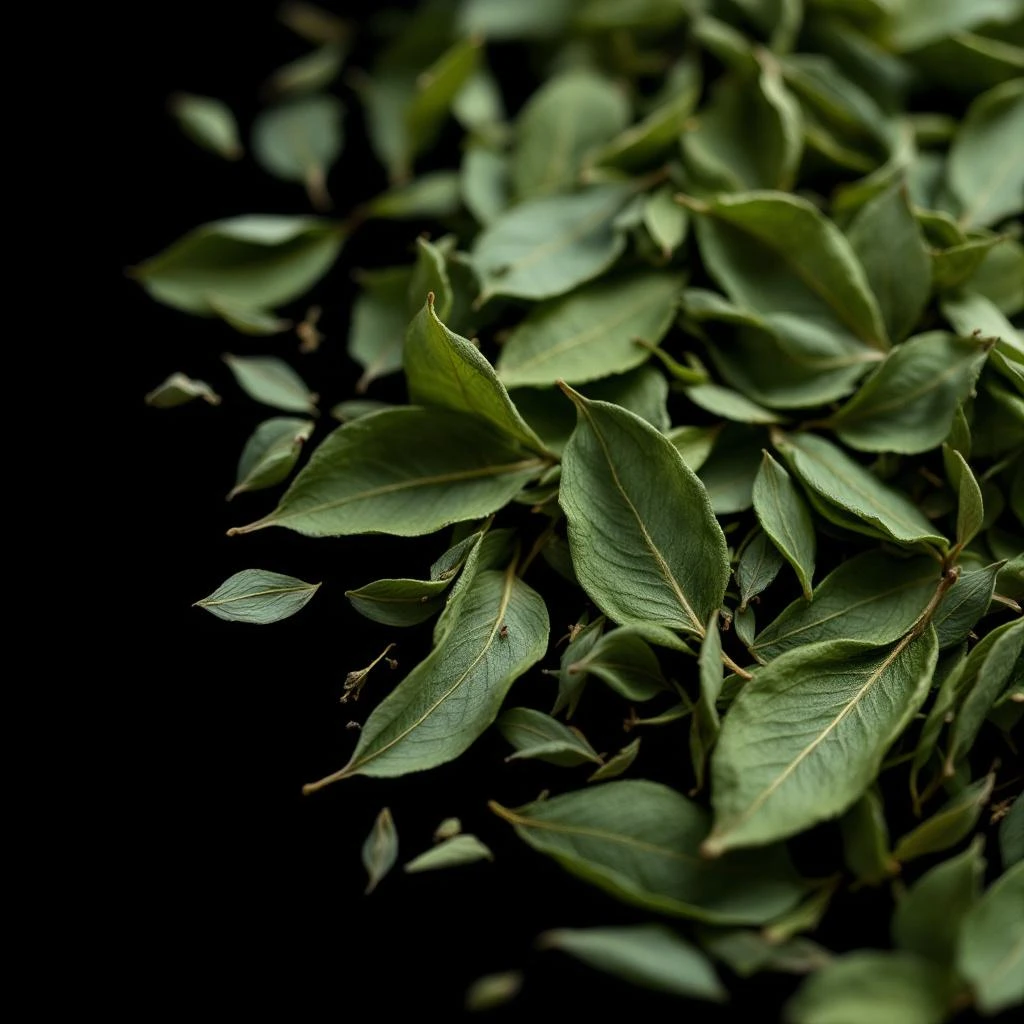
Greeks crowned Olympic victors with wreaths cut from Balkan-grown specimens, a tradition Roman conquerors adopted for their military triumphs. Beyond ceremony, merchants traded dried laurel leaves throughout the Mediterranean, and healers incorporated them into medicinal preparations.
The Ottoman Empire later spread Balkan laurel cultivation eastward, embedding the plant in Turkish and Levantine aromatic traditions. Today, perfume houses seek out Balkan-sourced laurel specifically for its distinct terroir-driven character, recognizing that the limestone-heavy soils of this region produce leaves with heightened aromatic intensity compared to other growing zones.
Wears it best
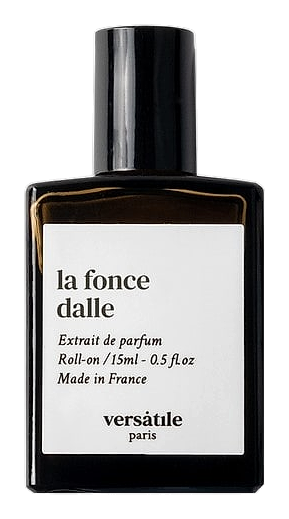
Fragrances featuring Balkans Laurel
Brands
Brands known for Balkans Laurel
Good to know
Questions, answered
The essentials on Balkans Laurel in perfumery: how it smells, where it comes from, and how it behaves on skin.
What does Balkans Laurel smell like?
Balkans Laurel opens with sharp, camphoraceous freshness reminiscent of eucalyptus, then settles into warm, woody undertones with subtle spice. The overall effect reads as clean yet complex, herbal without being green.
Is Balkans Laurel a natural or synthetic ingredient?
Balkans Laurel is entirely natural, sourced from steam-distilled Laurus nobilis leaves. Synthetic versions exist as isolated 1,8-cineole, but these lack the full aromatic complexity that whole-plant distillation provides.
What fragrance families use Balkans Laurel?
Perfumers position Balkans Laurel primarily in fougère, aromatic, and chypre compositions. It functions as a bridge between citrus top notes and mossy base notes, adding herbal depth to masculine and unisex fragrances.
How long has laurel been used in perfumery?
Laurel entered perfumery through ancient incense and medicinal traditions. By the 19th century, European perfumers began isolating its essential oil specifically for fragrance use, though aromatic applications date back over 2,500 years.
Does Balkans Laurel contain allergens?
The oil contains naturally occurring linalool and eugenol, which appear on IFRA allergen lists. Concentrations in finished fragrances remain low, typically below 0.5% of total composition.
What region produces the best quality Balkans Laurel?
Greece and coastal Croatia produce the most sought-after specimens. The limestone soils and Mediterranean climate of these areas produce leaves with higher 1,8-cineole content than laurel grown further inland.
Can I grow Balkans Laurel at home for fragrance use?
Laurus nobilis thrives in Mediterranean climates and containers. Harvesting leaves and steam-distilling them yields small quantities of usable oil, though commercial production requires significant plant material.
How does Balkans Laurel differ from bay laurel used in cooking?
Both derive from Laurus nobilis, but culinary bay typically comes from California or Mediterranean sources. Perfume-grade Balkan laurel undergoes specific distillation protocols optimized for aromatic compounds rather than culinary flavor profiles.