Balinese Chocolate
Balinese chocolate brings the smoky, volcanic richness of Indonesian cacao to perfumery. It carries the warmth of roasted beans kissed by island heat, a gourmand note both primal and refined.

Character
How it smells
Volcanic cacao. Ancient ritual. Intoxicating warmth.
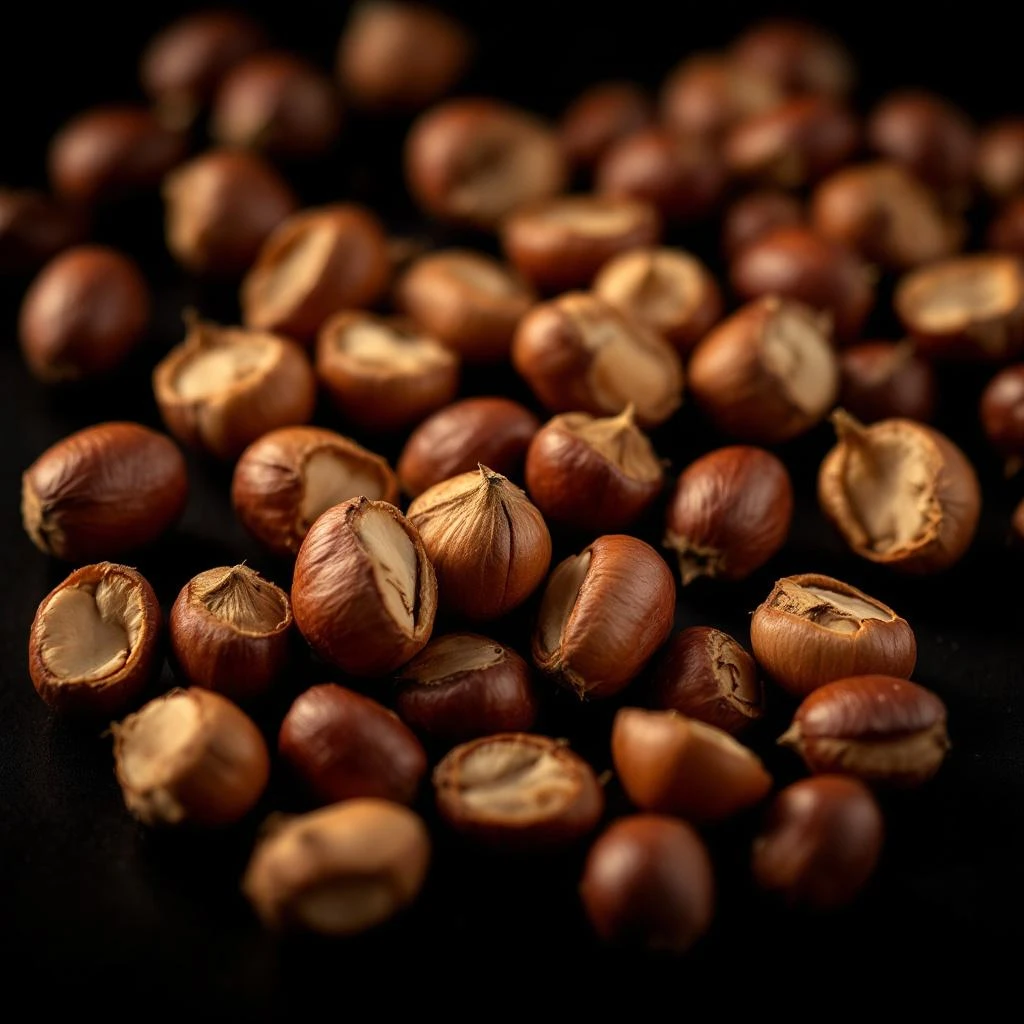
Balinese cacao grows in mineral-rich volcanic soil near Mount Agung, which perfumers credit with giving the beans a distinctive earthy depth found nowhere else.







Origin
Indonesia
Cacao arrived in the Indonesian archipelago through Spanish and Portuguese trade routes in the 16th century, but Balinese cultivation took root in the 20th century, when plantations took advantage of the island's volcanic slopes and tropical humidity. Today, Bali produces a fraction of global cacao, yet its beans command attention from craft chocolatiers and natural perfumers alike.
Chocolate entered Western perfumery slowly. Early 20th-century compositions referenced it only through bitter base notes like patchouli and tonka. The gourmand movement of the 1990s changed everything. Thierry Mugler's Angel arrived in 1992, and its cotton-candy-and-chocolate sweetness rewrote the rules of what fragrance could smell like.
Balinese chocolate as a named olfactive concept emerged later, as perfumers sought cacao expressions that carried more than confectionery sweetness. The volcanic terroir offered something different: a drier, more resinous interpretation, redolent of roasted pods, smoke, and damp earth. Today, several niche houses source specifically from Balinese cooperatives, framing the ingredient as both agricultural product and cultural artifact.
Bali's Hindu offerings, the canang sari, often include cacao among their botanical elements, a practice that links this perfume note to centuries of ritual exchange between people, food, and the divine.
Wears it best
Fragrances featuring Balinese Chocolate

Brands
Brands known for Balinese Chocolate
Good to know
Questions, answered
The essentials on Balinese Chocolate in perfumery: how it smells, where it comes from, and how it behaves on skin.
What does Balinese chocolate smell like in perfume?
Balinese chocolate note offers a drier, smokier profile than typical gourmand chocolate. Expect roasted cacao depth, subtle bitterness, and an earthy undertone from volcanic-soil terroir. It reads warm and resinous rather than sweet or confectionery.
How is Balinese chocolate extracted for perfumery?
Producers use solvent extraction, typically ethanol or hexane, on fermented and roasted cacao beans to produce cocoa absolute. Some perfumers co-distill the beans with a carrier to capture lighter volatile notes for top-heart accords.
What makes Balinese cacao different from other origins?
Beans grown near Mount Agung absorb minerals from volcanic soil, producing a higher fat content and a smokier pyrazine profile. This gives Balinese chocolate absolute a distinctive earthy, roasted character compared to West African or South American material.
Is Balinese chocolate a natural or synthetic note?
Balinese chocolate is a natural ingredient. Cocoa absolute comes from real fermented and roasted cacao beans. No synthetic version fully replicates the terroir-specific character that makes the Balinese material distinctive in compositions.
When did chocolate become a perfume ingredient?
Chocolate entered modern perfumery during the 1990s gourmand movement. Thierry Mugler's Angel (1992) popularized cocoa-sweet compositions, and the Balinese interpretation emerged later as perfumers sought drier, more terroir-driven cacao expressions.
What fragrance families use Balinese chocolate?
Gourmand and oriental compositions use Balinese chocolate most frequently. It also appears in woody and spicy fragrances as a base-note anchor, adding warmth and depth without the overt sweetness of vanilla-anchored gourmands.
Can Balinese chocolate be used in natural perfumery?
Yes. Cocoa absolute qualifies as a natural perfumery ingredient. Some artisan perfumers use Balinese-sourced absolute directly, often diluted in alcohol or carrier oils, to build fully natural fragrance compositions.
Is Balinese chocolate sustainable?
Balinese cacao is often grown by smallholder cooperatives using traditional methods, supporting local livelihoods. However, consumers should verify sourcing transparency, as cocoa supply chains globally face deforestation and labor concerns.



