Azure Bluet
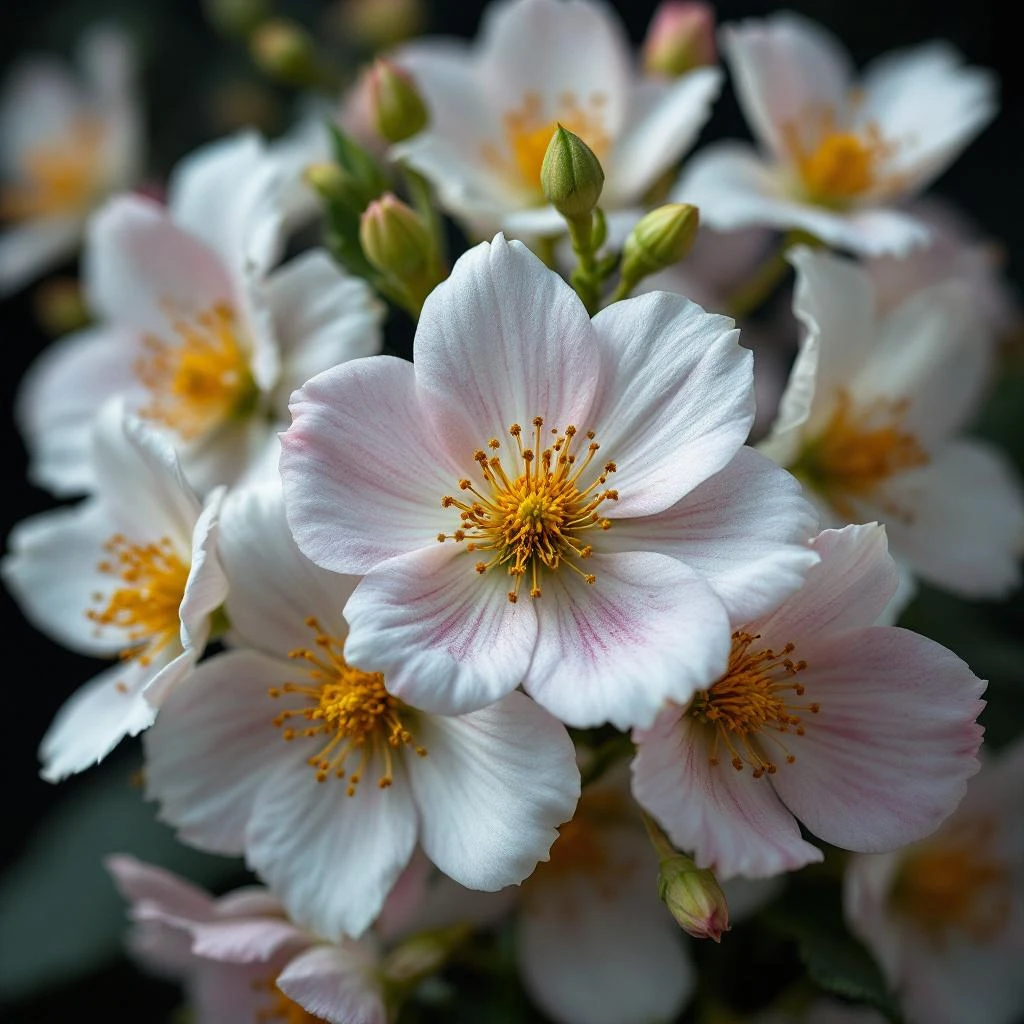
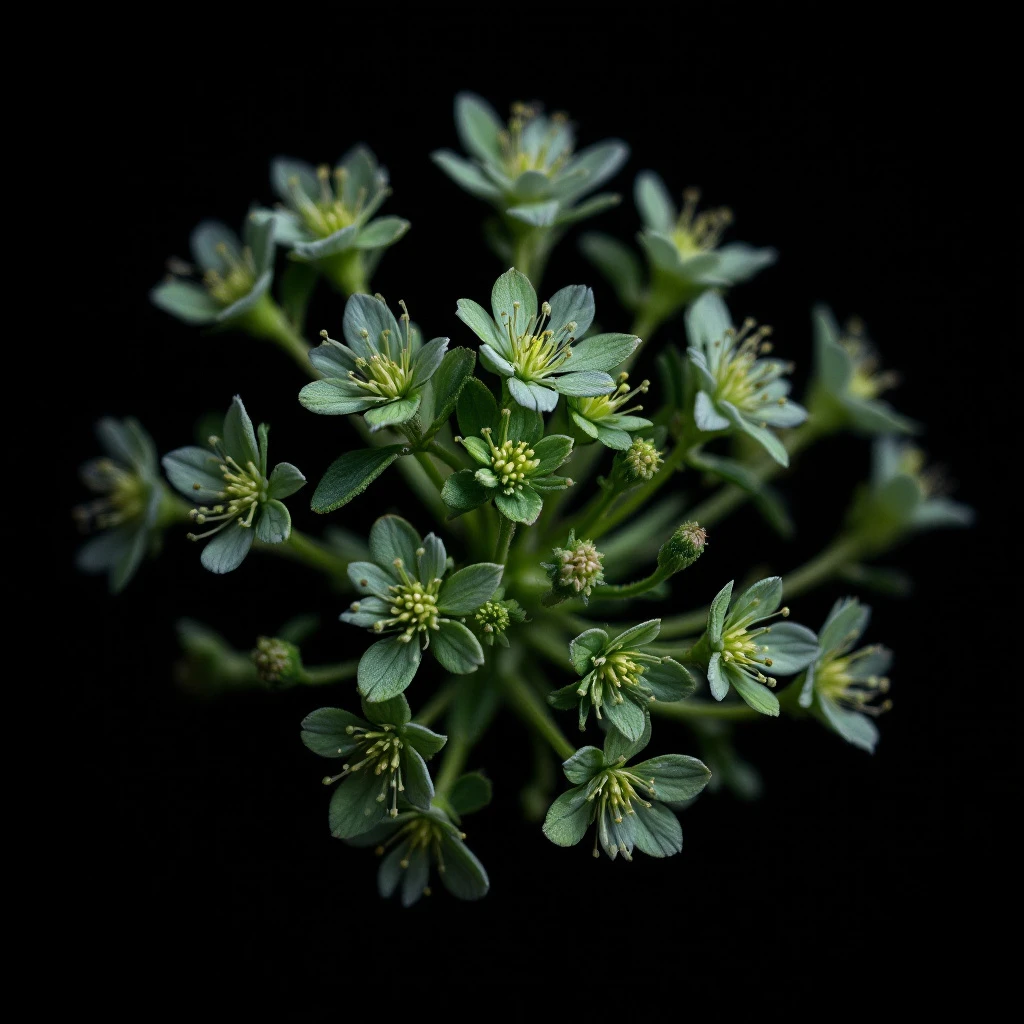
A tiny North American wildflower with pale blue petals and a yellow center. Its delicate, fresh scent evokes spring meadows and quiet woodland edges.

Character
How it smells
Delicate spring wildflower with quiet, fresh beauty.
Each plant produces just one to three flowers on wiry stems, making it one of the most sparse bloomers in eastern North American meadows.

Origin
United States
Azure Bluet earned its place in North American botanical history through its striking appearance rather than commercial significance. European botanists documented Houstonia caerulea during early colonial exploration of eastern North America. Linnaeus classified the species in 1753, assigning it the Latin name caerulea for its distinctive sky-blue coloring.
Native American communities used several Houstonia species in traditional preparations, though specific ritual applications for H. caerulea remain sparsely recorded in ethnobotanical literature. The plant's common names reflect its modest nature: Quaker ladies suggests a quiet, unadorned elegance, while bluets references both its color and its status as one of the smallest wildflowers in its range.
The species holds a place in wildflower identification guides for its early spring blooming period, often appearing in March and April across its native habitat from Quebec to Alabama. Its presence in perfumery represents a niche intersection of botanical interest and aromatic exploration rather than historical tradition.
Wears it best
Fragrances featuring Azure Bluet

Good to know
Questions, answered
The essentials on Azure Bluet in perfumery: how it smells, where it comes from, and how it behaves on skin.
Is Azure Bluet commonly used in perfumery?
No. Commercial use remains extremely rare because each plant produces only one to three tiny flowers, making large-scale extraction impractical. Most perfumers work with recreated aromatic profiles rather than natural extracts.
What does Azure Bluet smell like?
The fresh, green-floral scent evokes spring meadows. Descriptors include delicate, slightly sweet, and airy qualities reminiscent of its woodland edge habitat.
Can I find natural Azure Bluet absolute?
Natural absolute is virtually unavailable commercially. Specialty botanical suppliers may offer small quantities of hand-extracted material at premium prices, but supply is inconsistent and volumes are extremely limited.
Are there synthetic alternatives for Azure Bluet?
Fragrance chemists have developed synthetic recreations that capture the fresh, green-floral character of small wildflowers. These aromatic materials provide consistency and sustainability compared to wild-harvested material.
Where does Azure Bluet grow naturally?
Houstonia caerulea grows across eastern North America, from Quebec south to Alabama and west to Ohio. The plant prefers moist, acidic soils in open woods, meadows, and along woodland edges.
When does Azure Bluet bloom?
The plant blooms early in spring, typically March through May depending on latitude. This early blooming period makes it one of the first wildflowers to appear in eastern woodlands.
Is Azure Bluet related to other fragrance ingredients?
Azure Bluet belongs to the Rubiaceae family, which includes coffee and gardenia. However, its aromatic profile and commercial significance differ substantially from these relatives.
How sustainable is harvesting Azure Bluet for fragrance?
Wild harvesting poses sustainability concerns due to the flower's sparse blooming. Conservation status varies by state, and ethical sourcing requires documented cultivation programs rather than wild collection.




