Alpine Sandwort
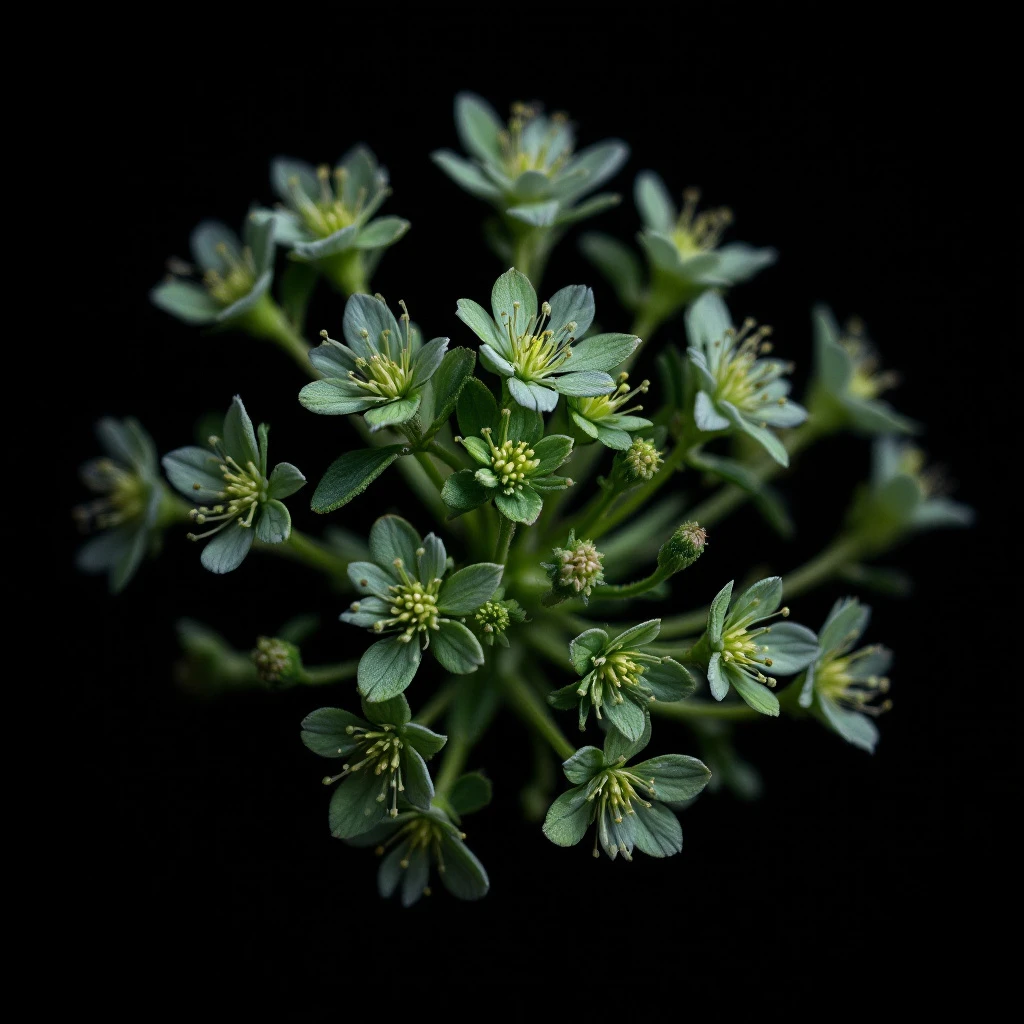
Alpine Sandwort brings high-altitude freshness to fragrance, capturing the crisp, mineral purity of rocky alpine meadows where few ingredients dare to grow.
Character
How it smells
The mountain's green whisper in a bottle.
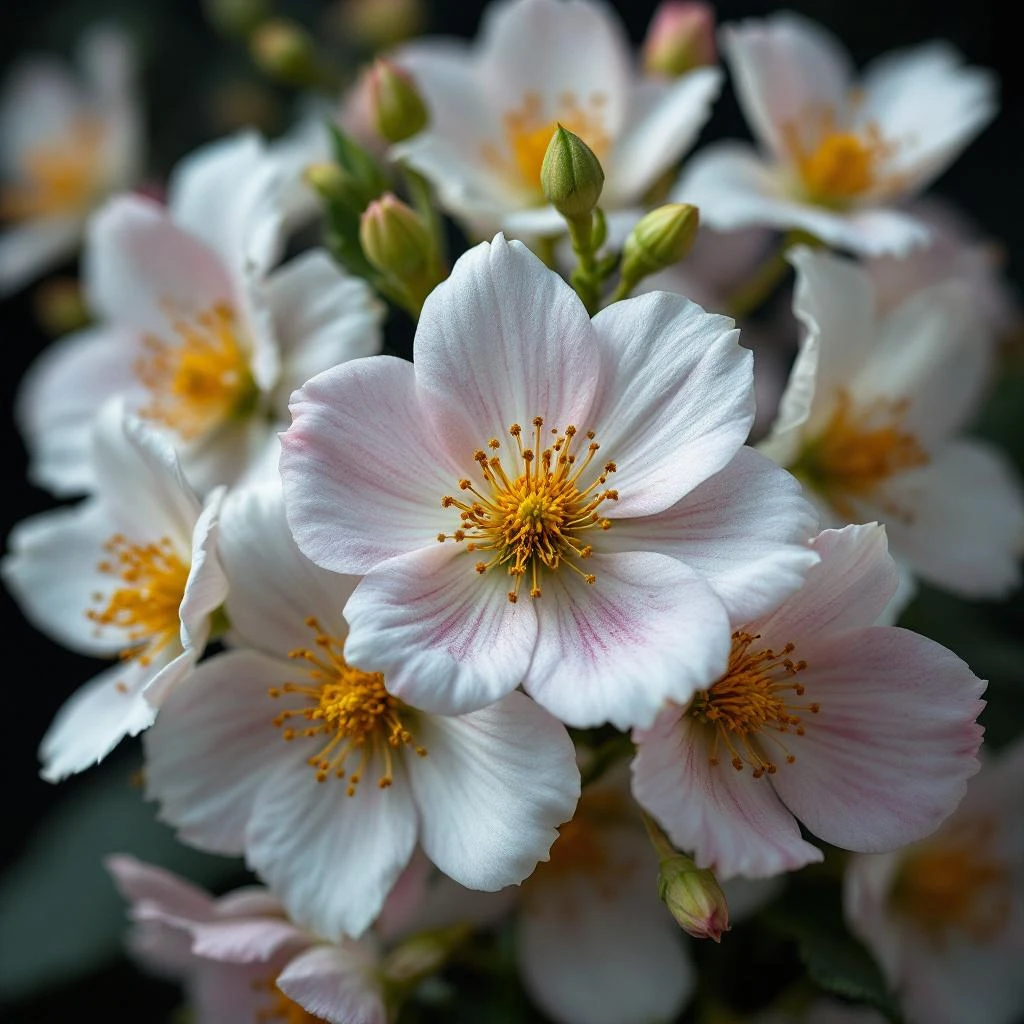
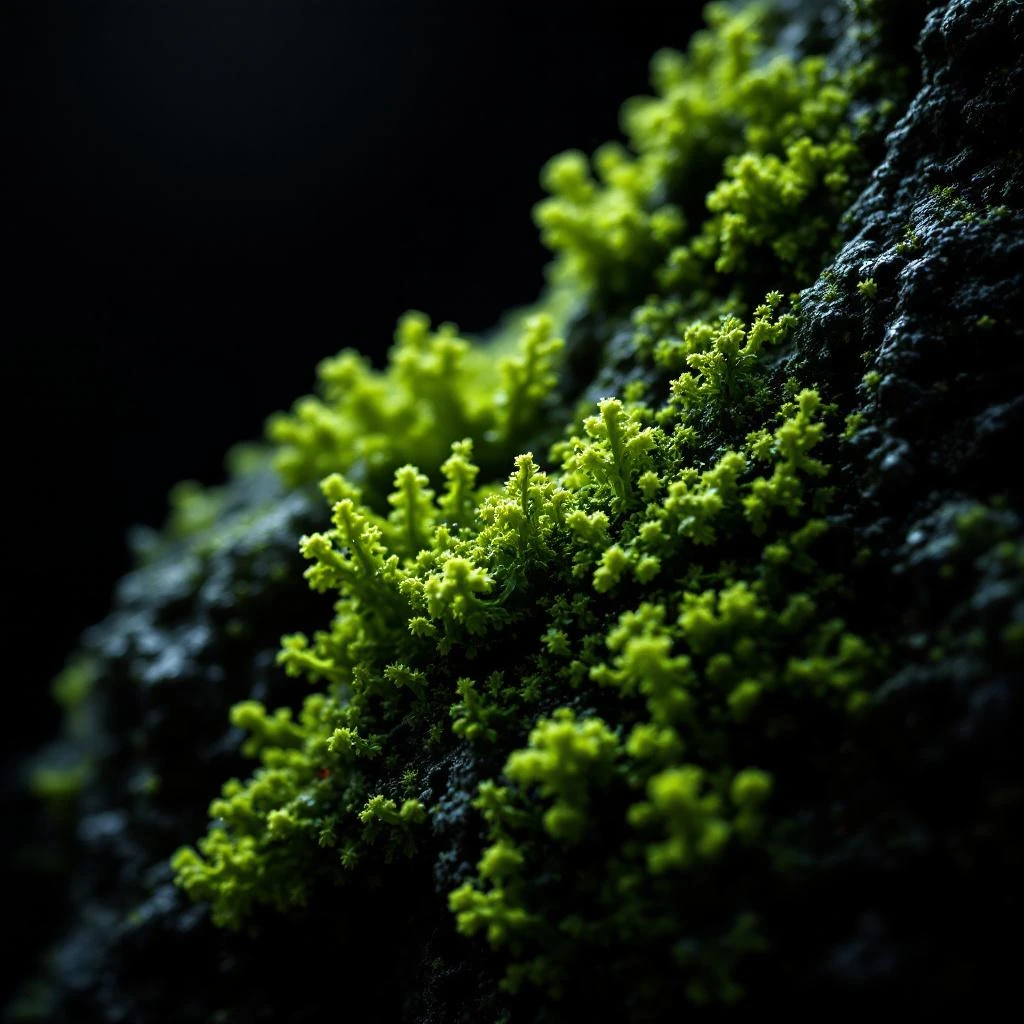
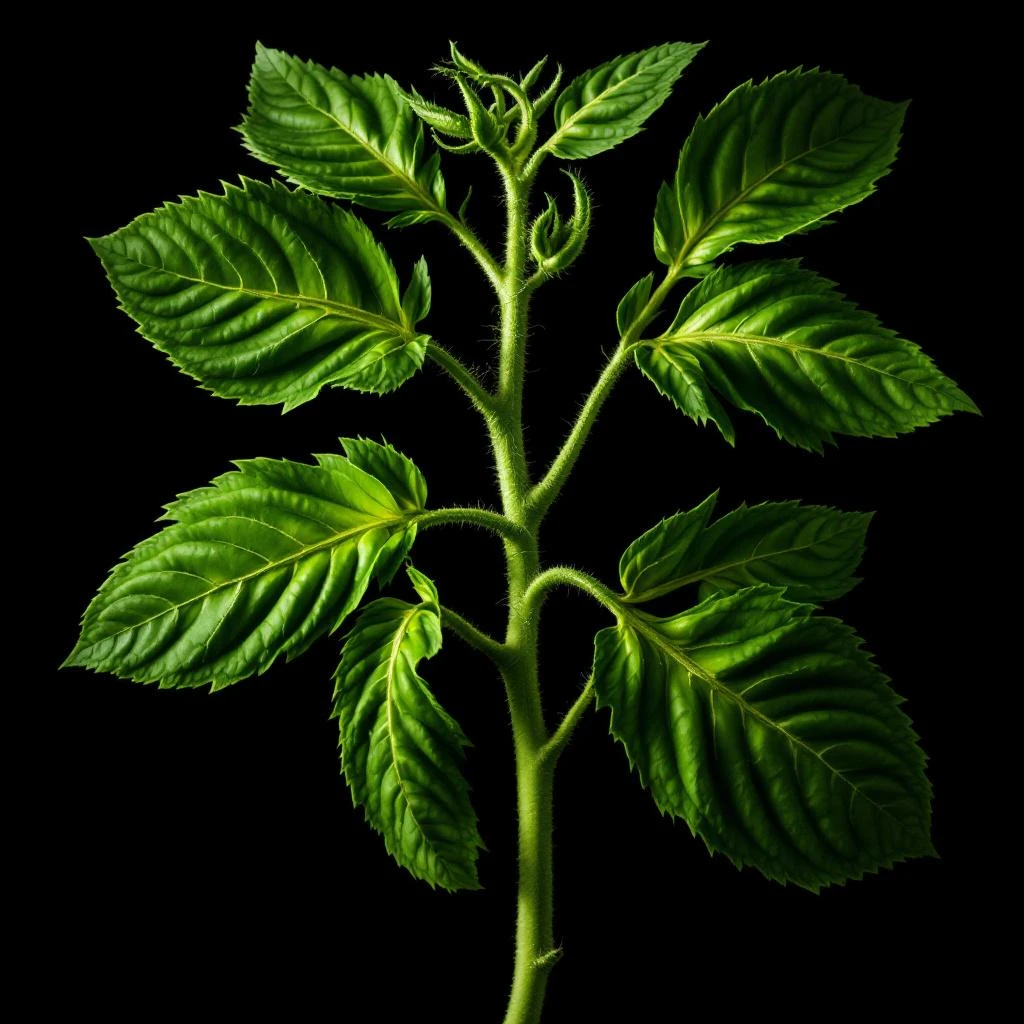
Alpine Sandwort evolved to survive above the tree line by developing compact, cushion-like growth forms that trap heat and resist fierce winds.


Origin
Switzerland
Alpine Sandwort belongs to the Caryophyllaceae family and grows across the rocky meadows and limestone cliffs of the European Alps, Carpathians, and Apennines at elevations between 1,200 and 3,000 meters. For centuries, alpine plants like Sandwort were gathered by local communities for medicinal teas and poultices, valued for their cooling and anti-inflammatory properties in traditional herbalism. The plant's historical use was rooted in folk medicine rather than perfumery, and its aromatic potential went largely unexplored by the fragrance industry.
Only in recent decades have natural perfumers began experimenting with this and similar alpine botanicals, driven by a broader interest in high-altitude ingredients and their unique olfactory signatures. Alpine Sandwort's entry into perfumery represents a shift toward ingredients that evoke place and altitude, rather than conventional floral or woody materials.
Wears it best
Fragrances featuring Alpine Sandwort

Good to know
Questions, answered
The essentials on Alpine Sandwort in perfumery: how it smells, where it comes from, and how it behaves on skin.
What does Alpine Sandwort smell like?
Alpine Sandwort conveys a fresh, green, and slightly mineral aroma reminiscent of cold mountain air, wet stone, and alpine meadows at high altitude.
Is Alpine Sandwort commonly used in perfumery?
No. Alpine Sandwort is considered a rare and unconventional ingredient, used primarily by niche and artisanal perfumers rather than mainstream fragrance houses.
Where does Alpine Sandwort grow?
It grows in rocky alpine and subalpine meadows across the European Alps, Carpathians, and Apennines at elevations between 1,200 and 3,000 meters.
How is Alpine Sandwort extracted?
The whole flowering plant is typically processed via steam distillation, yielding a modest amount of aromatic material with a clean, green scent profile.
What plant family does Alpine Sandwort belong to?
It belongs to the Caryophyllaceae family, which includes dianthus, chickweed, and other mat-forming herbaceous plants common in temperate regions.
Does Alpine Sandwort have traditional uses?
Yes. Alpine communities historically used Sandwort in herbal preparations for its perceived cooling and anti-inflammatory properties in folk medicine.
Is Alpine Sandwort sustainable to harvest?
Harvesting wild Alpine Sandwort raises ecological concerns due to its slow growth and fragmented high-altitude habitat, making cultivated or synthetic alternatives preferable.
Can Alpine Sandwort be synthetically replicated?
Some green-mineral aromatic molecules associated with alpine botanicals can be synthesized, though no direct synthetic equivalent for Sandwort exists in the fragrance industry.