Atlas Cedar Leaf
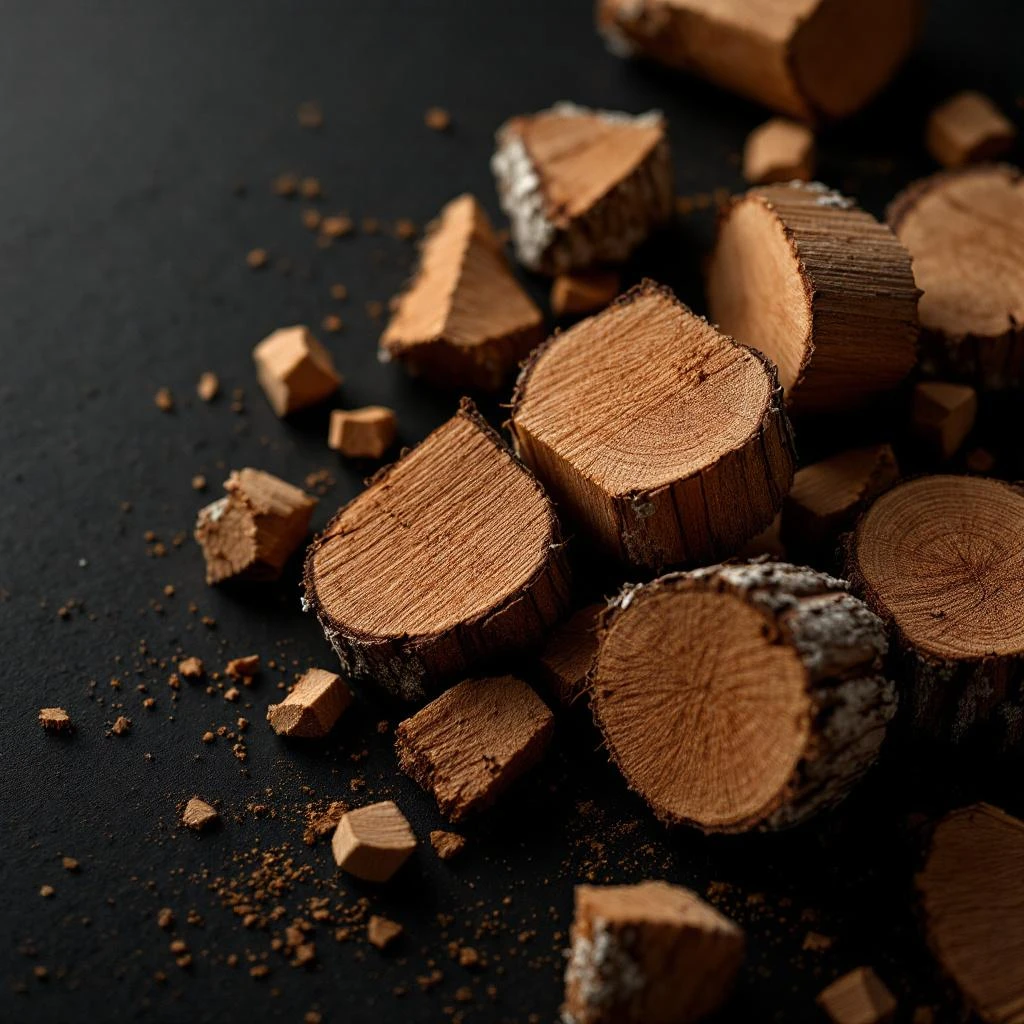
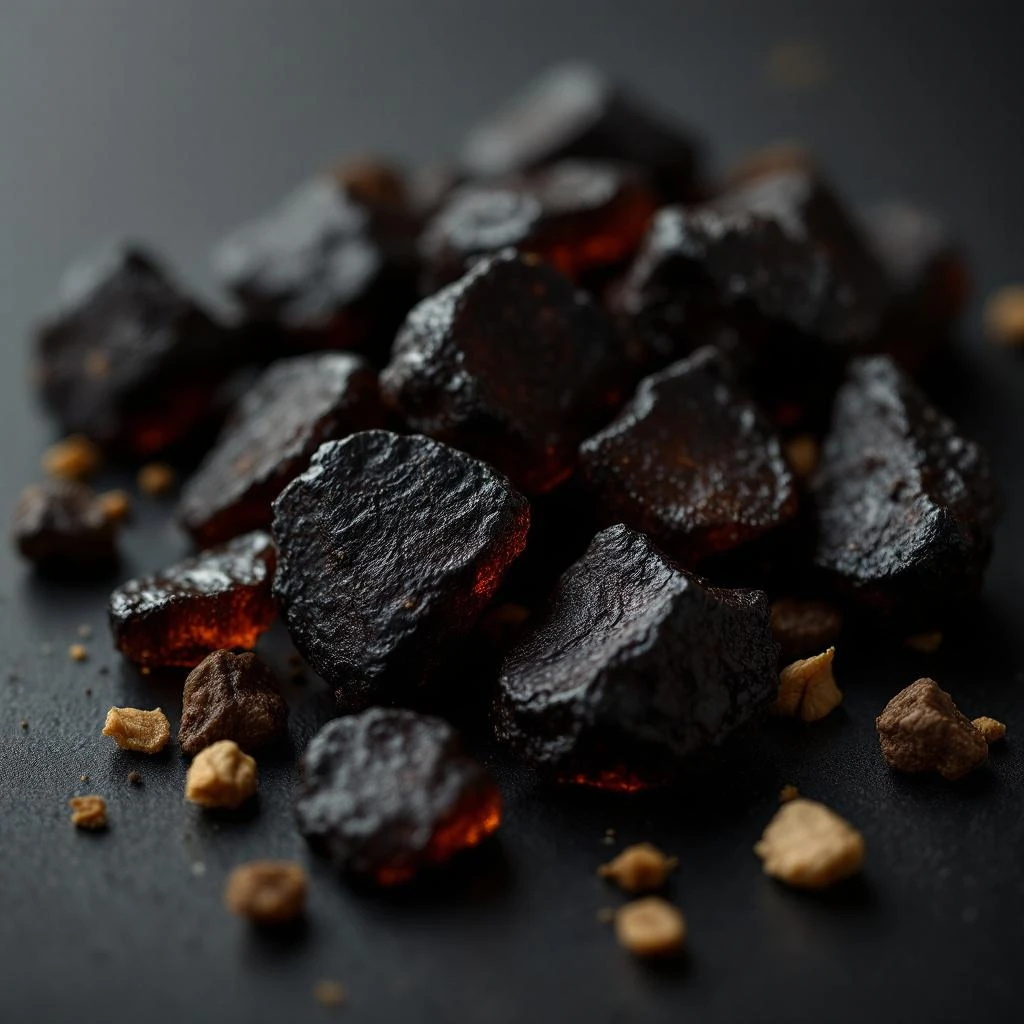
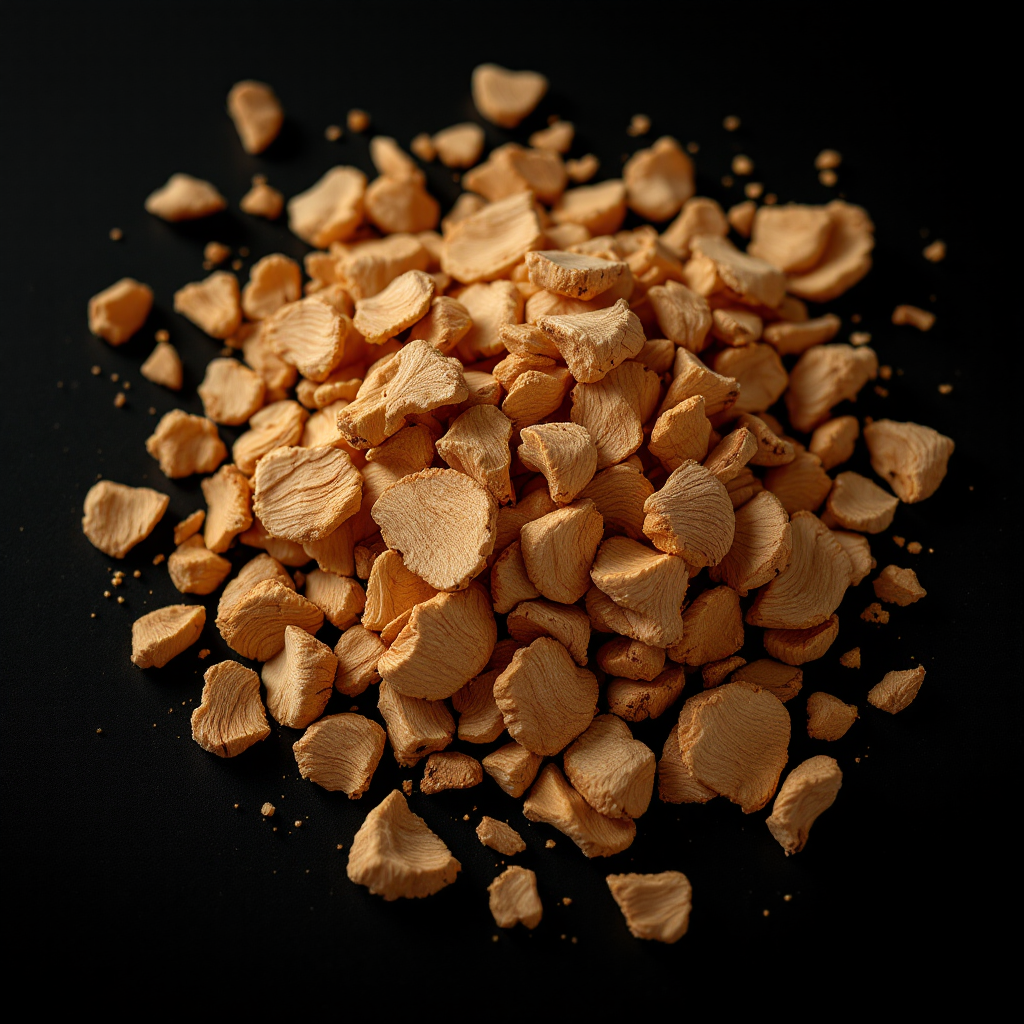
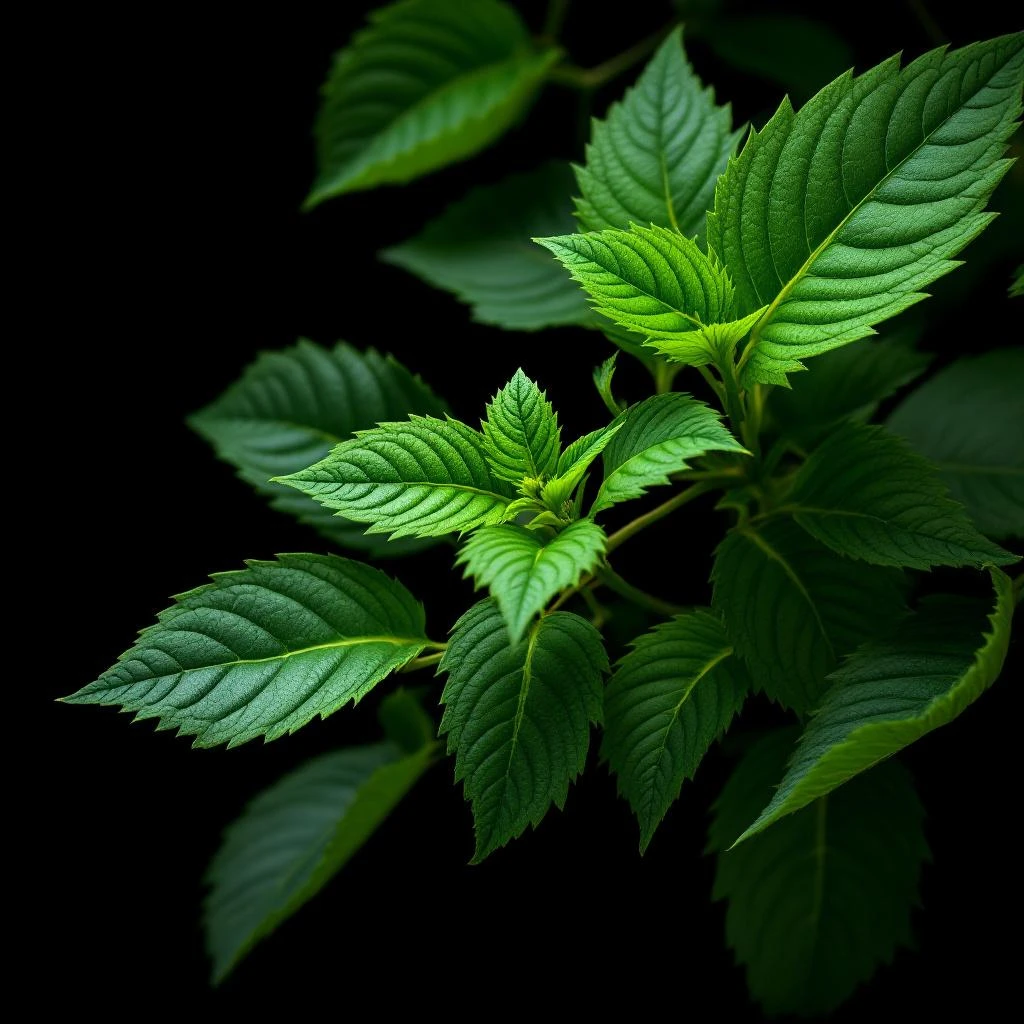
Atlas cedar leaf brings a green, aromatic cedar character to fragrance, lending structure through its leafy profile and a distinctive woody presence.
Character
How it smells
Green, aromatic cedar with a quietly distinctive character.
Atlas cedar belongs to the pine family, so its “cedar” scent comes from a conifer rather than the true cedars of Lebanon or Japan.
Pairs beautifully with


Origin
Morocco
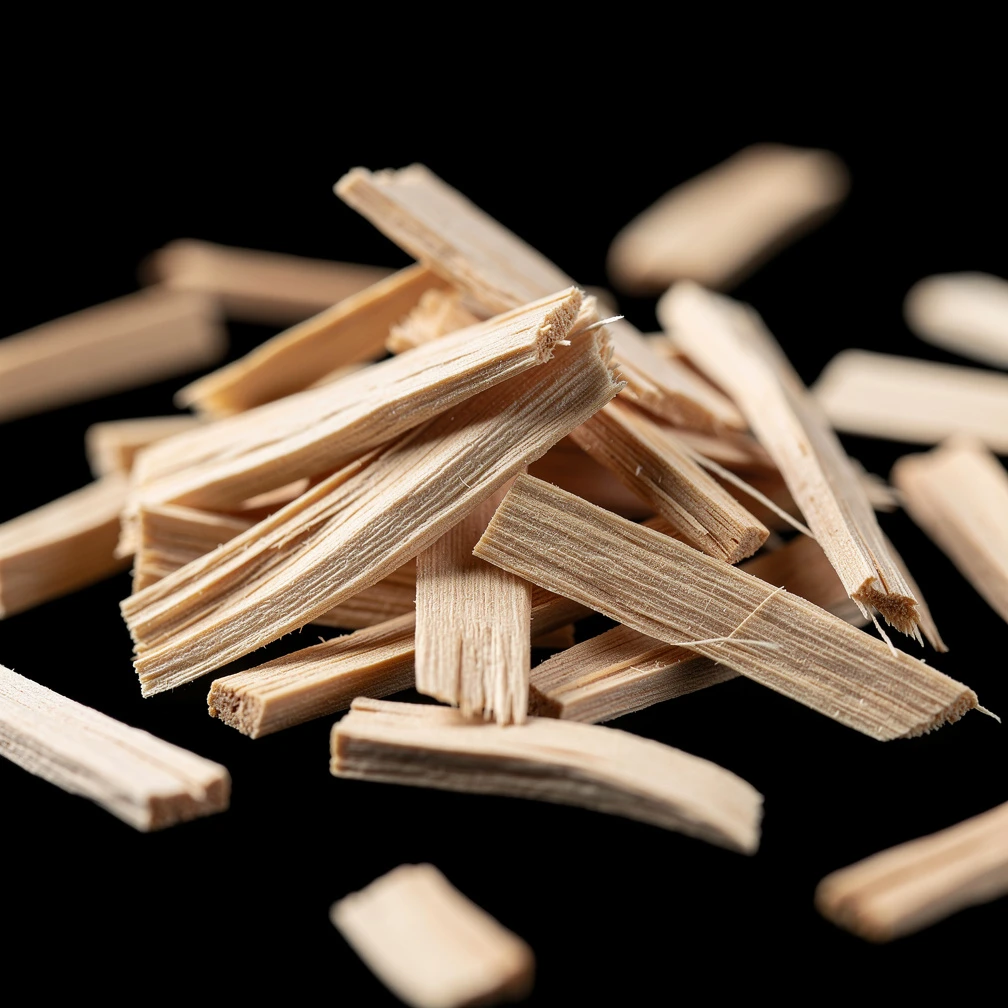
Cedrus atlantica grows across North Africa, especially Morocco, Algeria, and Tunisia, where it became closely associated with the cedar forests of the Atlas region. The tree has long shaped the visual identity of mountain landscapes through its broad, spreading crowns, and its wood has historically supported regional building and craft traditions. Modern perfumery distinguishes several cedar materials by plant part.
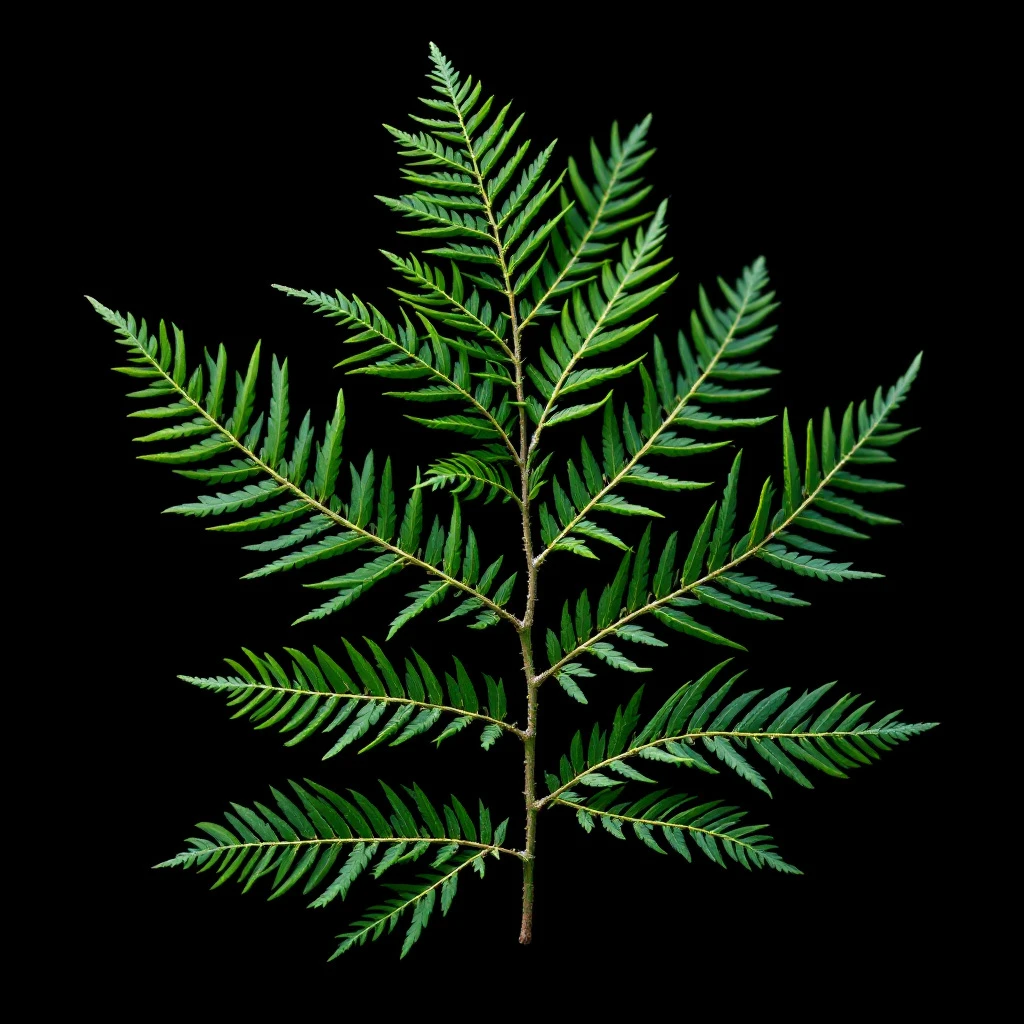
Atlas cedar leaf oil captures the greener, more aromatic character of the needles and twigs, while the dense heartwood produces the familiar dry, pencil-shaving cedar note. Historically, cedar oils served as useful aromatic materials because their strong woody character could give fragrance compositions a stable structure. Today, Atlas cedar leaf is often selected when a formula calls for cedar with greater freshness or height.
Its perceived scent profile remains affected by the distillation method, raw material quality, and blending context.
Wears it best
Fragrances featuring Atlas Cedar Leaf
Brands
Brands known for Atlas Cedar Leaf
Good to know
Questions, answered
The essentials on Atlas Cedar Leaf in perfumery: how it smells, where it comes from, and how it behaves on skin.
What does Atlas cedar leaf smell like in perfume?
Atlas cedar leaf gives perfume a fresh, green, aromatic cedar character with dry, resinous depth. It is generally airier and more coniferous than cedarwood oil made from the tree's heartwood.
Where does Atlas cedar leaf oil come from?
Atlas cedar leaf oil comes mainly from Cedrus atlantica trees native to North Africa. The needles and leafy twigs are used, with Morocco representing a major traditional source.
Is Atlas cedar leaf the same as cedarwood oil?
No. Leaf oil comes from needles and twigs and reads greener and more aromatic, while cedarwood oil comes from the trunk or heartwood and is usually drier and more woody.
How is Atlas cedar leaf oil produced?
The needles and leafy twigs are processed by steam distillation, which releases and separates their volatile aromatic compounds. The resulting oil varies with plant part, harvest, and distillation conditions.
Why do perfumers use Atlas cedar leaf?
Perfumers use it to add a coniferous, green structure to a fragrance. It can connect brighter top notes with deeper woody materials while remaining less heavy than heartwood cedar oil.
Can Atlas cedar leaf trigger skin sensitivity?
Fragrance mixes, including mixtures containing cedar materials, have been associated with allergies and dermatitis in some people. A patch test can help identify whether a finished product agrees with your skin.
Does Atlas cedar leaf contain true cedarwood compounds?
It is a cedar leaf material, but its composition differs from heartwood oil because different plant tissues contain different volatile compounds. A fragrance labeled Atlas cedar leaf refers to this leafy material rather than ordinary trunk wood.
What is the history of Atlas cedar in perfumery?
Atlas cedar has a long history in North Africa, where its wood was used for building and craft, while its oils became established fragrance materials. Today, leaf oil is valued specifically for a greener and more aromatic cedar profile.