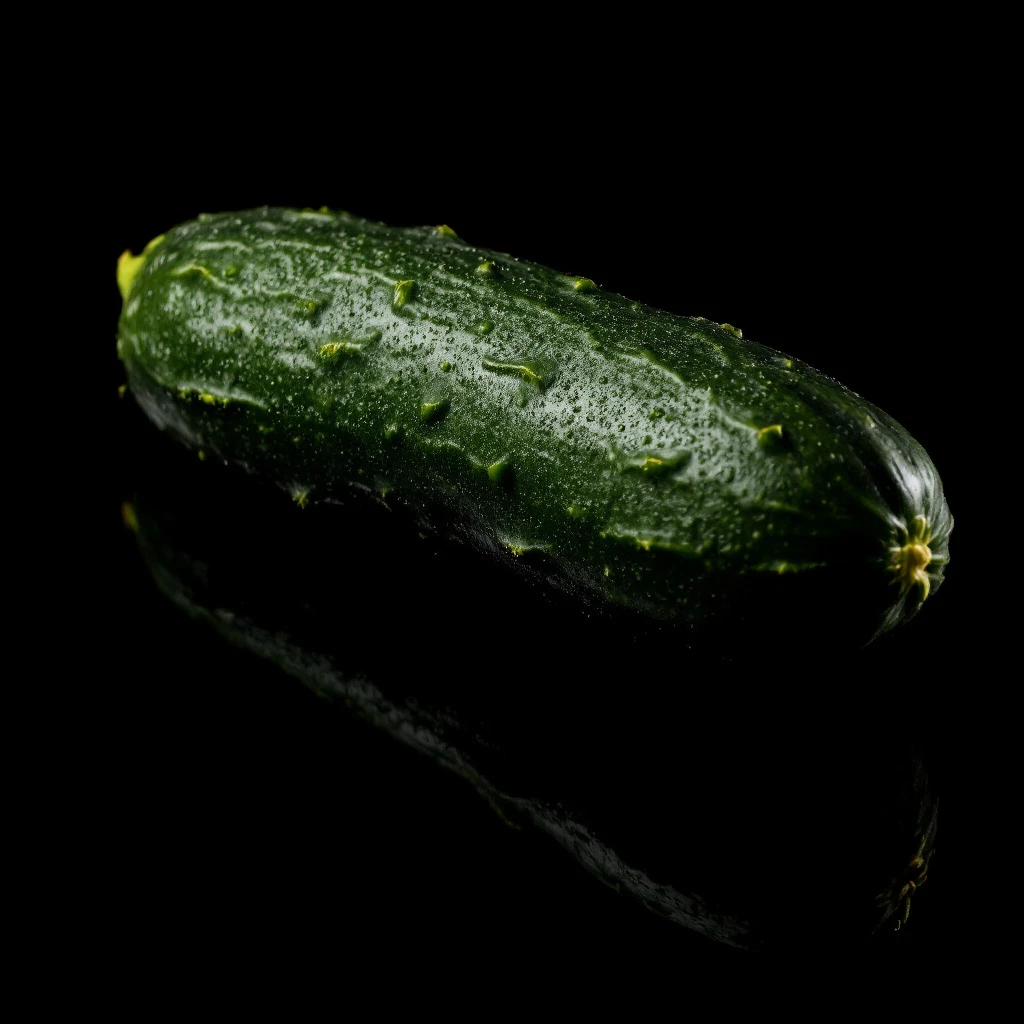
Armenian Cucumber
Armenian cucumber brings a crisp, green freshness to perfumery that captures the cool essence of sliced cucumber on a summer day. This delicate note transforms fragrance compositions with its watery, vegetal character and subtle melon undertones.
Character
How it smells
Cool, green, and refreshingly clean
The Armenian cucumber can grow up to three feet long, making it one of the longest cucumber varieties in the world.
Pairs beautifully with

Origin
Armenia
Armenian cucumber, scientifically classified as Cucumis melo var. flexuosus, has grown for centuries in the warm valleys of the South Caucasus and Middle East.
This heirloom variety traveled along ancient trade routes, making its way from Persia to gardens across the region. The Armenian variety differs from common cucumbers through its elongated, curved shape and milder flavor with subtle melon notes.
Perfumery's interest in cucumber, however, emerged only in the 1970s when synthetic cucumber aldehyde became available, revolutionizing how perfumers captured fresh, green qualities. While natural Armenian cucumber absolute exists, most contemporary fragrances rely on synthetic alternatives to achieve the characteristic cool, watery effect.
Wears it best
Fragrances featuring Armenian Cucumber
Brands
Brands known for Armenian Cucumber
Good to know
Questions, answered
The essentials on Armenian Cucumber in perfumery: how it smells, where it comes from, and how it behaves on skin.
What does Armenian cucumber smell like in fragrance?
Armenian cucumber absolute delivers a crisp, green, and watery aroma reminiscent of freshly sliced cucumber. It carries subtle melon undertones and a cool, refreshing quality that evokes summer produce. The note reads as clean and vegetal without the sharp or bitter qualities of some green notes.
Is Armenian cucumber used as a natural or synthetic ingredient?
Armenian cucumber exists in both natural and synthetic forms. Natural cucumber absolute from solvent extraction captures authentic fresh characteristics, though it remains uncommon in perfumery. Most modern fragrances use synthetic cucumber aldehyde developed in the 1970s for consistency and cost efficiency.
When did cucumber become a perfumery ingredient?
The first synthetic cucumber aldehyde entered perfumery in the 1970s. Firms including Firmenich and Givaudan pioneered early production of this material, enabling perfumers to incorporate cool, green qualities without relying on natural cucumber extraction.
What fragrance families use Armenian cucumber note?
Cucumber note appears primarily in fresh aquatic, green, and citrus fragrances. It works particularly well in summer scents, gender-neutral compositions, and modern fougère formulations where it contributes a crisp, natural quality. Chypre and aromatic fragrances also incorporate the note for freshness.
What part of the Armenian cucumber is used for extraction?
Extractors use the fresh fruit of the Armenian cucumber for extraction. The entire flesh is processed through solvent extraction to capture the volatile aromatic compounds responsible for the characteristic cool, green, and subtly melon aroma.
How is Armenian cucumber absolute produced?
Fresh Armenian cucumbers undergo solvent extraction to obtain the aromatic absolute. This process involves treating the crushed fruit with food-grade solvents that dissolve aromatic molecules, then removing the solvent to yield a concentrated aromatic material.
What makes Armenian cucumber different from regular cucumber in perfumery?
Armenian cucumber (Cucumis melo var. flexuosus) exhibits higher sugar content and subtle melon notes that distinguish its aromatic profile from common cucumbers. Its elongated shape and mild flavor contribute different volatile compounds during extraction, potentially yielding a more complex absolute.
Which fragrance houses first used cucumber in compositions?
Major fragrance houses including Firmenich and Givaudan developed the first synthetic cucumber aldehyde in the 1970s, making cucumber notes accessible to perfumers. These firms created the chemical compounds that now define cucumber in modern perfumery.